Suing Employer For Severance In Maricopa
Description

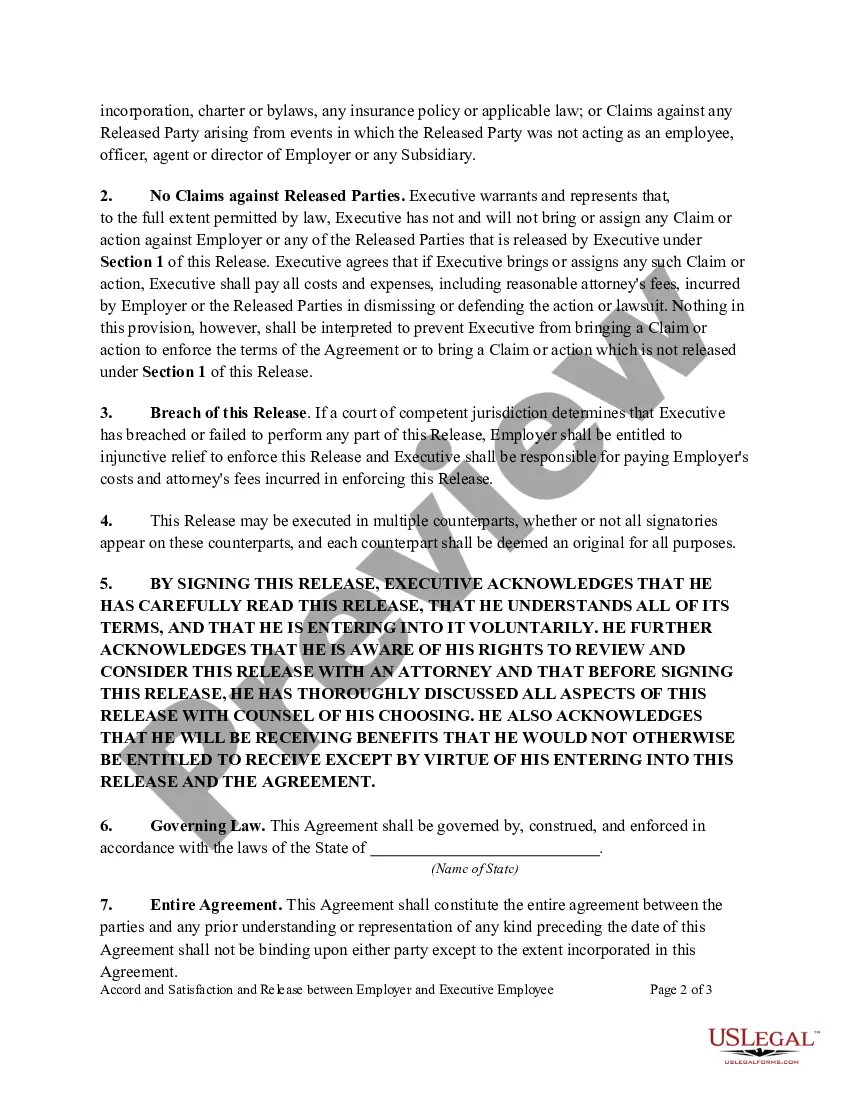
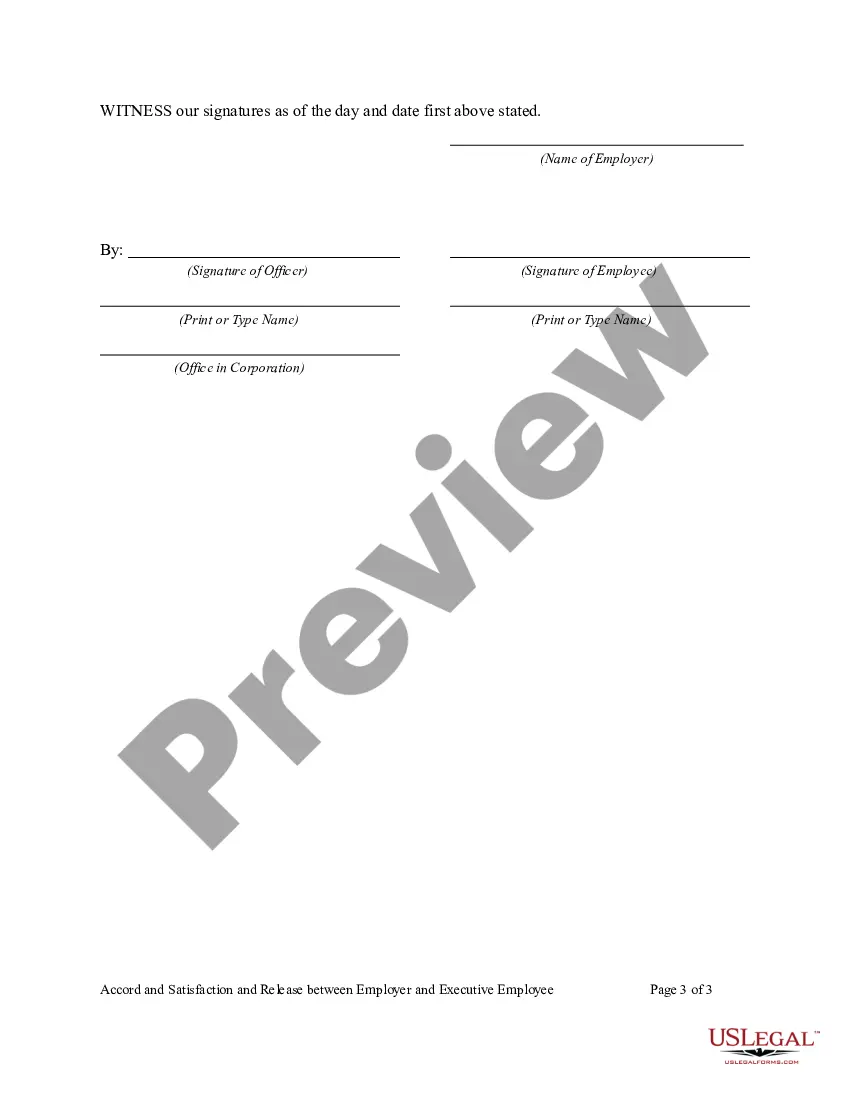
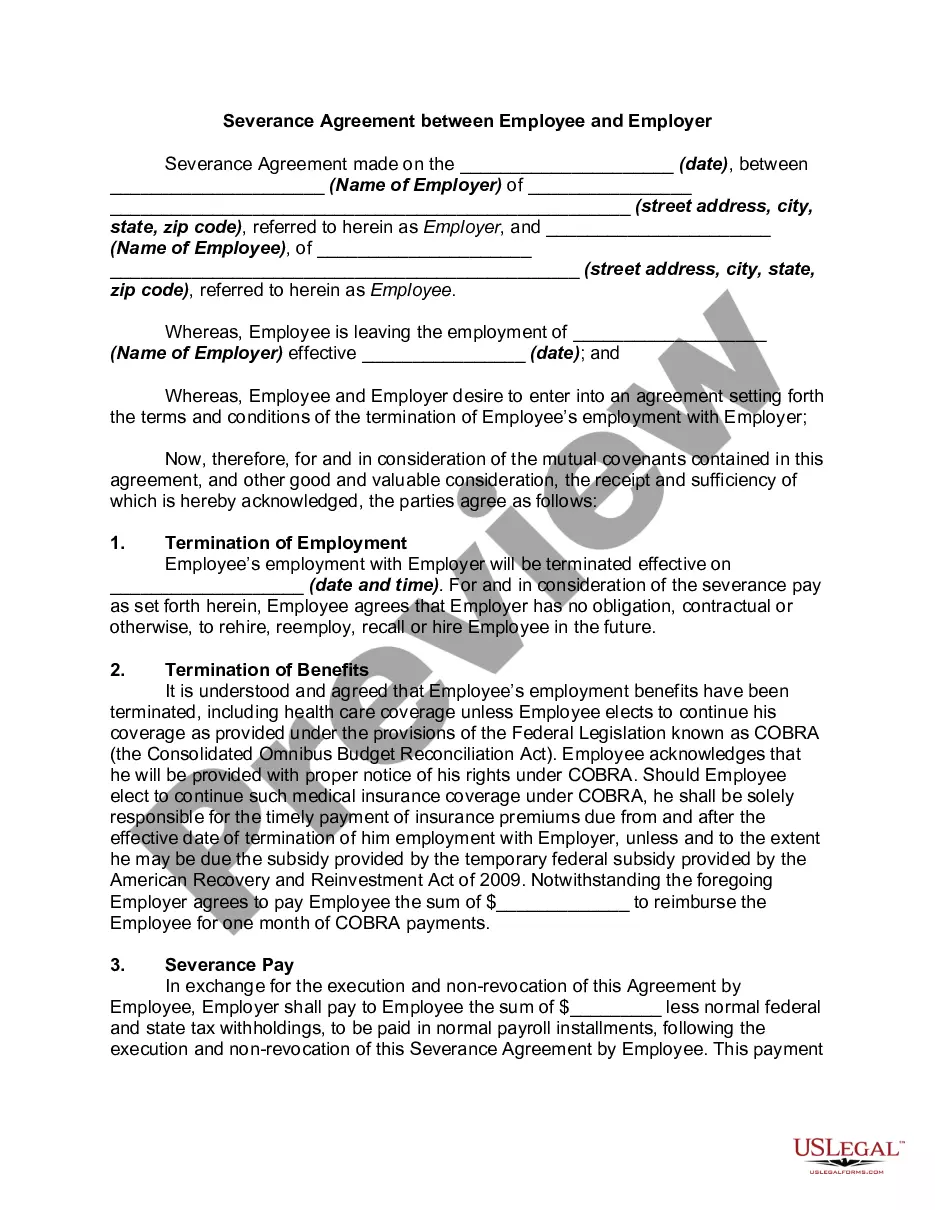
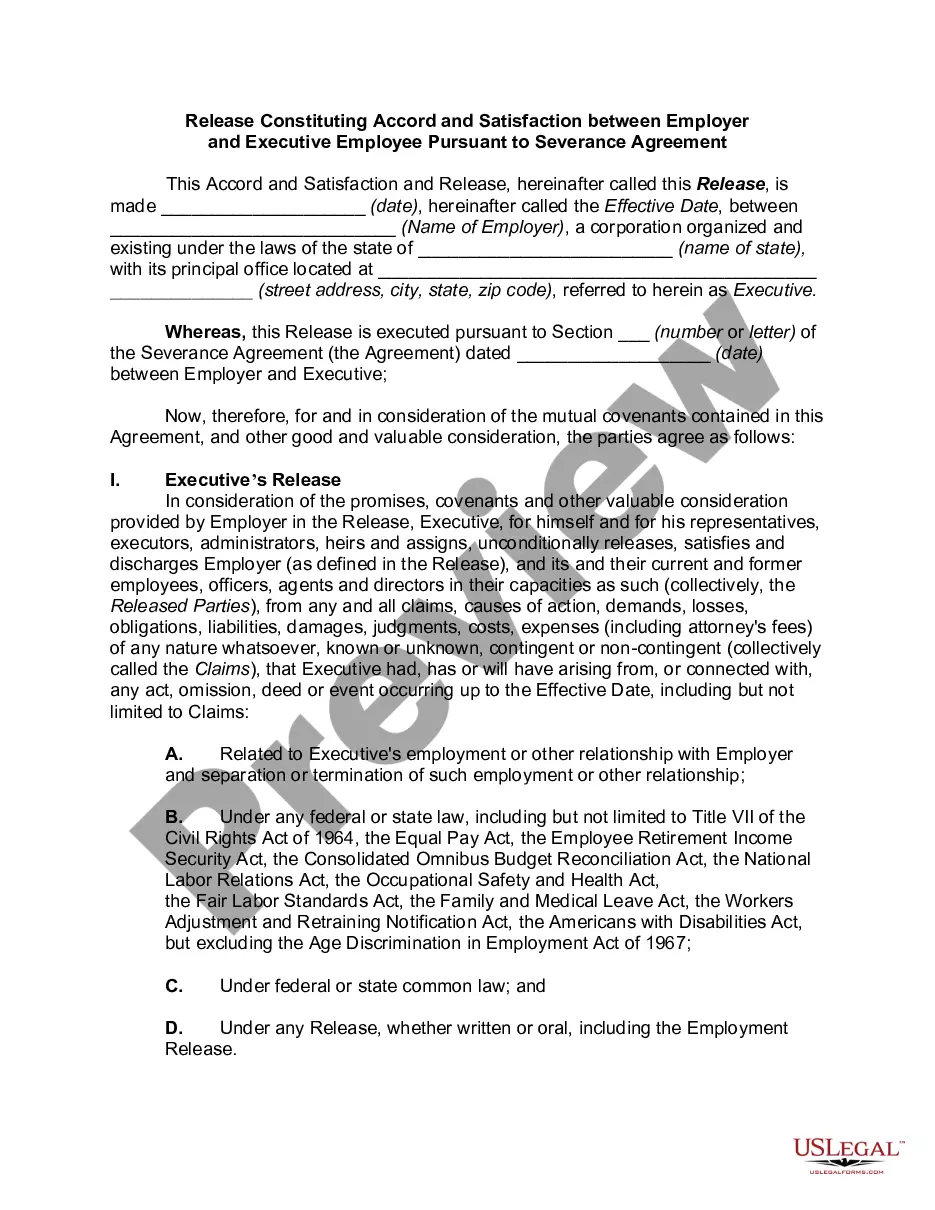
Get your form ready online
Our built-in tools help you complete, sign, share, and store your documents in one place.
Make edits, fill in missing information, and update formatting in US Legal Forms—just like you would in MS Word.
Download a copy, print it, send it by email, or mail it via USPS—whatever works best for your next step.
Sign and collect signatures with our SignNow integration. Send to multiple recipients, set reminders, and more. Go Premium to unlock E-Sign.
If this form requires notarization, complete it online through a secure video call—no need to meet a notary in person or wait for an appointment.
We protect your documents and personal data by following strict security and privacy standards.

Make edits, fill in missing information, and update formatting in US Legal Forms—just like you would in MS Word.

Download a copy, print it, send it by email, or mail it via USPS—whatever works best for your next step.

Sign and collect signatures with our SignNow integration. Send to multiple recipients, set reminders, and more. Go Premium to unlock E-Sign.

If this form requires notarization, complete it online through a secure video call—no need to meet a notary in person or wait for an appointment.

We protect your documents and personal data by following strict security and privacy standards.
Looking for another form?









Form popularity
FAQ
There are a number of circumstances that might be considered Wrongful Termination in California, which may include an employee who is terminated because of discriminatory practices in the workplace, when a company violates public policy in the process of terminating the employee, or when a company's own guidelines for ...
In general, you must file a wrongful termination claim within one year after the termination of your employment. You may sue your employer for wrongful termination if: Your termination breaches an employment contract. You were terminated for discriminatory reasons, and you received a “right to sue” letter.
Under Title VII of the Civil Rights Act of 1964 and Arizona civil rights laws, it is illegal to terminate employment based on factors such as race, gender, sexual orientation, age, disability, religion, national origin, pregnancy, or genetic information. Employment contract breaches.
Although employers may legally let employees go from their jobs for no reason (when employment is “at will”), it is against federal and state laws to fire someone because of their race, ethnicity, country of origin, gender or sexual orientation, age and/or disability.