Severance Agreement Form With Non Compete In King
Description

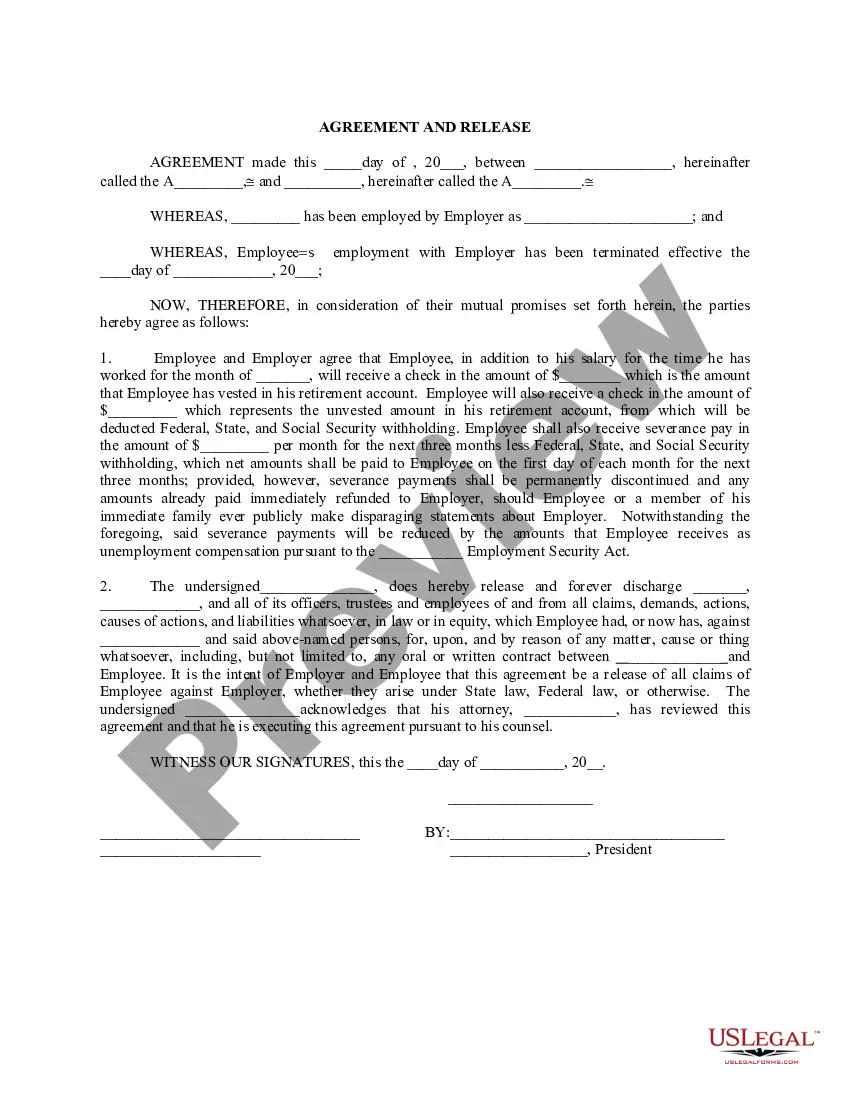
Get your form ready online
Our built-in tools help you complete, sign, share, and store your documents in one place.
Make edits, fill in missing information, and update formatting in US Legal Forms—just like you would in MS Word.
Download a copy, print it, send it by email, or mail it via USPS—whatever works best for your next step.
Sign and collect signatures with our SignNow integration. Send to multiple recipients, set reminders, and more. Go Premium to unlock E-Sign.
If this form requires notarization, complete it online through a secure video call—no need to meet a notary in person or wait for an appointment.
We protect your documents and personal data by following strict security and privacy standards.

Make edits, fill in missing information, and update formatting in US Legal Forms—just like you would in MS Word.

Download a copy, print it, send it by email, or mail it via USPS—whatever works best for your next step.

Sign and collect signatures with our SignNow integration. Send to multiple recipients, set reminders, and more. Go Premium to unlock E-Sign.

If this form requires notarization, complete it online through a secure video call—no need to meet a notary in person or wait for an appointment.

We protect your documents and personal data by following strict security and privacy standards.
Looking for another form?

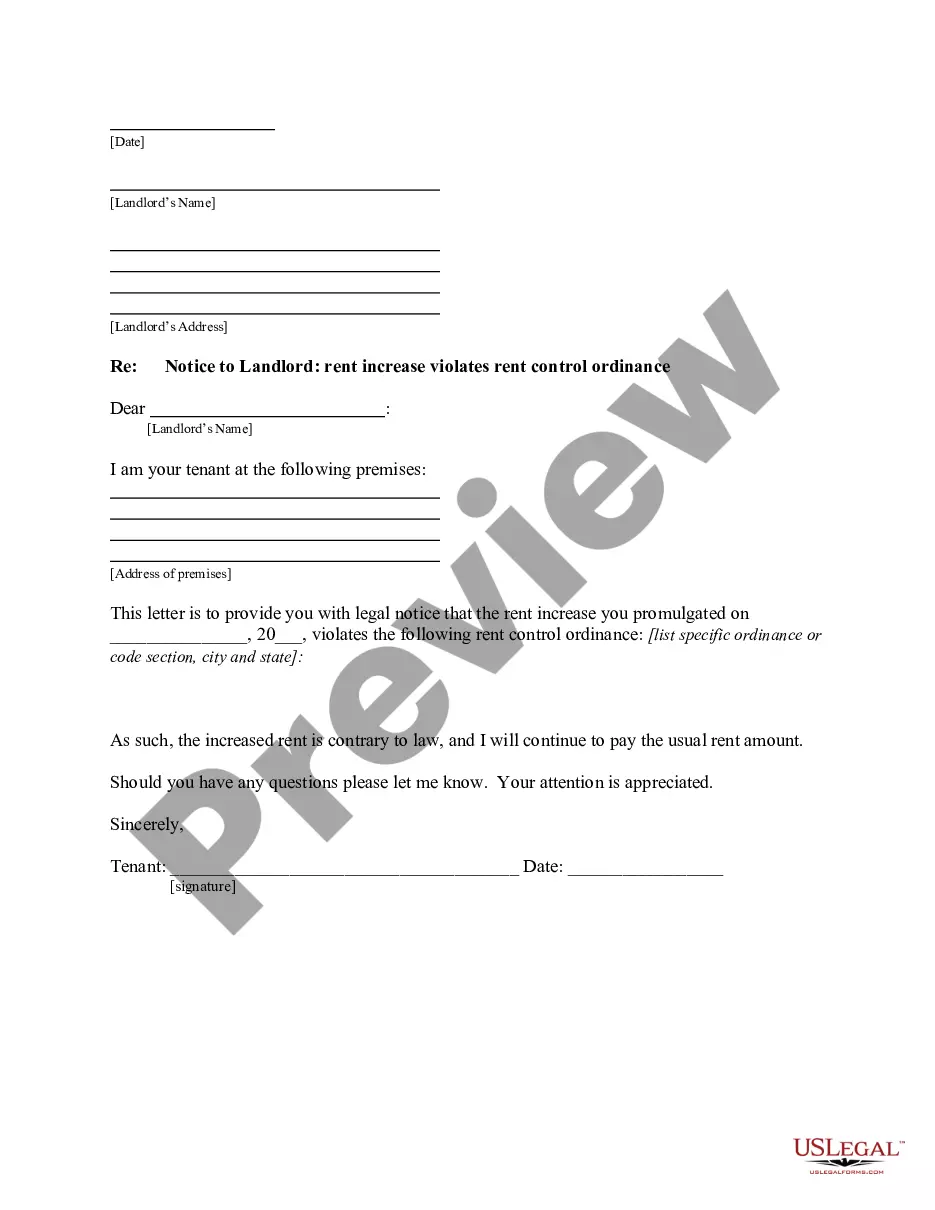






Form popularity
FAQ
Noncompete agreements (often referred to as noncompetes) are postemployment restrictions that prohibit departing employees from joining or starting a competing enterprise, typically within time and geographic boundaries (for examples, see Figures OE1, OE2, and OE3 in the Online Appendix).
In Georgia, a non-compete agreement may be declared unenforceable or invalid for a number of reasons, including: An unreasonable time period (under the newest version of Georgia's non-compete law, restraints lasting more than 2 years are presumed unreasonable) An unreasonable restriction on geographic territory.
If an employee breaks or violates the terms of a legally enforceable non-compete agreement, the employer may file a lawsuit against the employee and ask a court for an injunction to stop the employee's allegedly improper activity.
US FTC Rule Banning Non-Competes. On April 23, 2024, the U.S. Federal Trade Commission voted 3-2 to finalize and promulgate a rule banning most non-compete clauses in employer-employee contracts.
Negotiating with your new employer If your old employer won't compromise, you could also ask your new employer if they can give you a different job until the restriction you agreed to runs out. This could be either a different kind of job or a different location - that way you won't be breaking the restriction.
Non-Competitive Activity at New Employer: One of the most straightforward ways to overcome a noncompete is by ensuring that your new role with a different employer is in a non-competitive capacity. If you're not engaging in activities that directly compete with your former employer's business, you may be in the clear.
Non-Competitive Activity at New Employer: One of the most straightforward ways to overcome a noncompete is by ensuring that your new role with a different employer is in a non-competitive capacity. If you're not engaging in activities that directly compete with your former employer's business, you may be in the clear.