Severance Agreement Form Without An Agreement In Dallas
Description

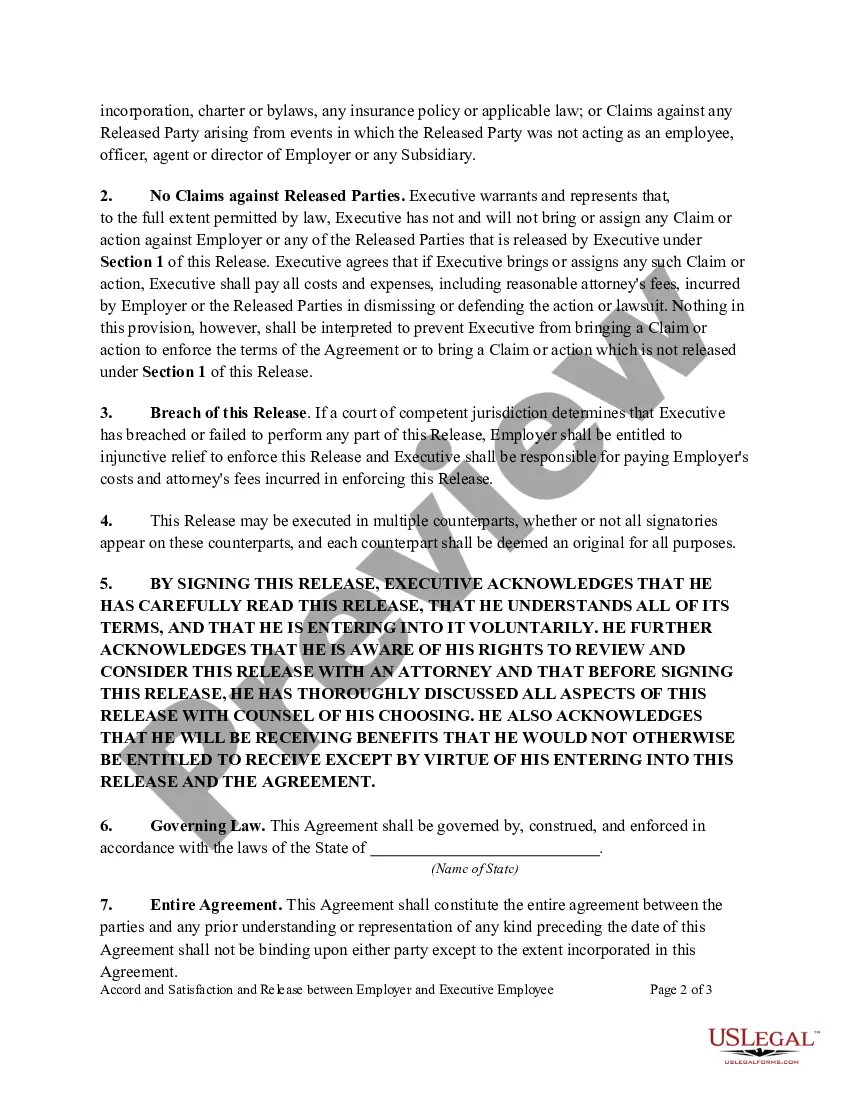
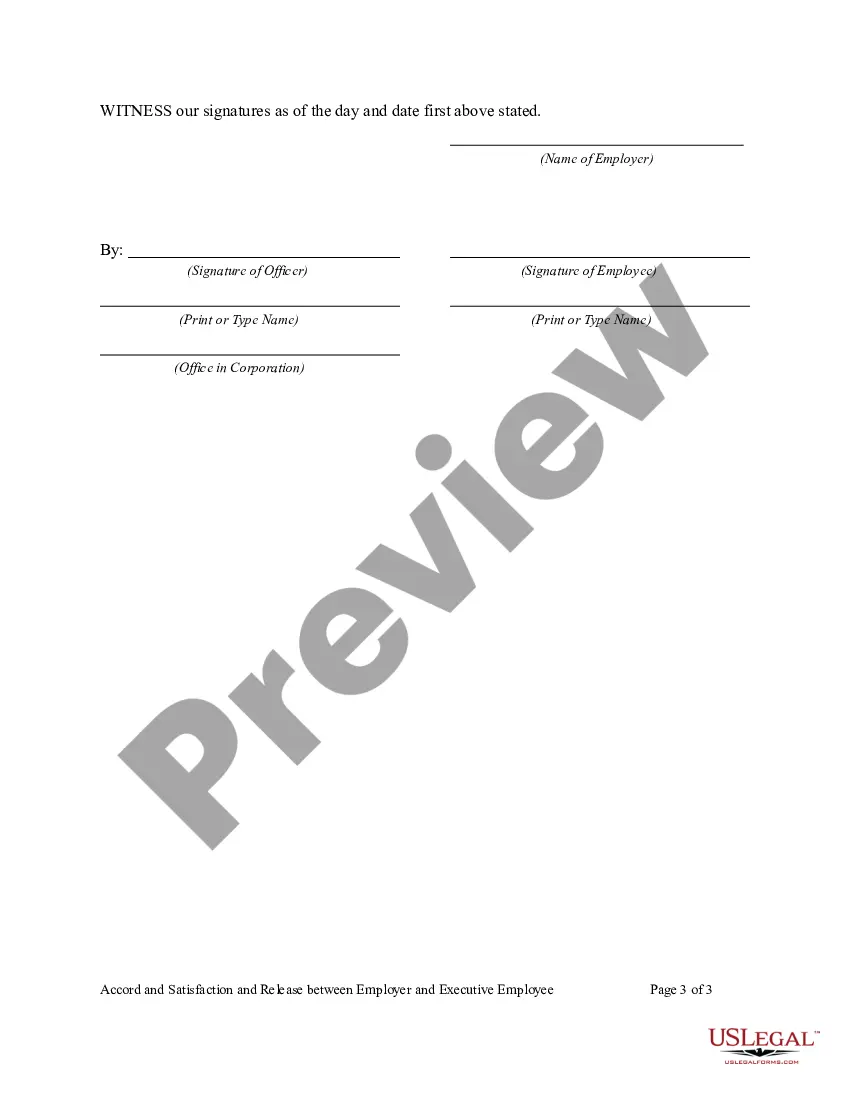
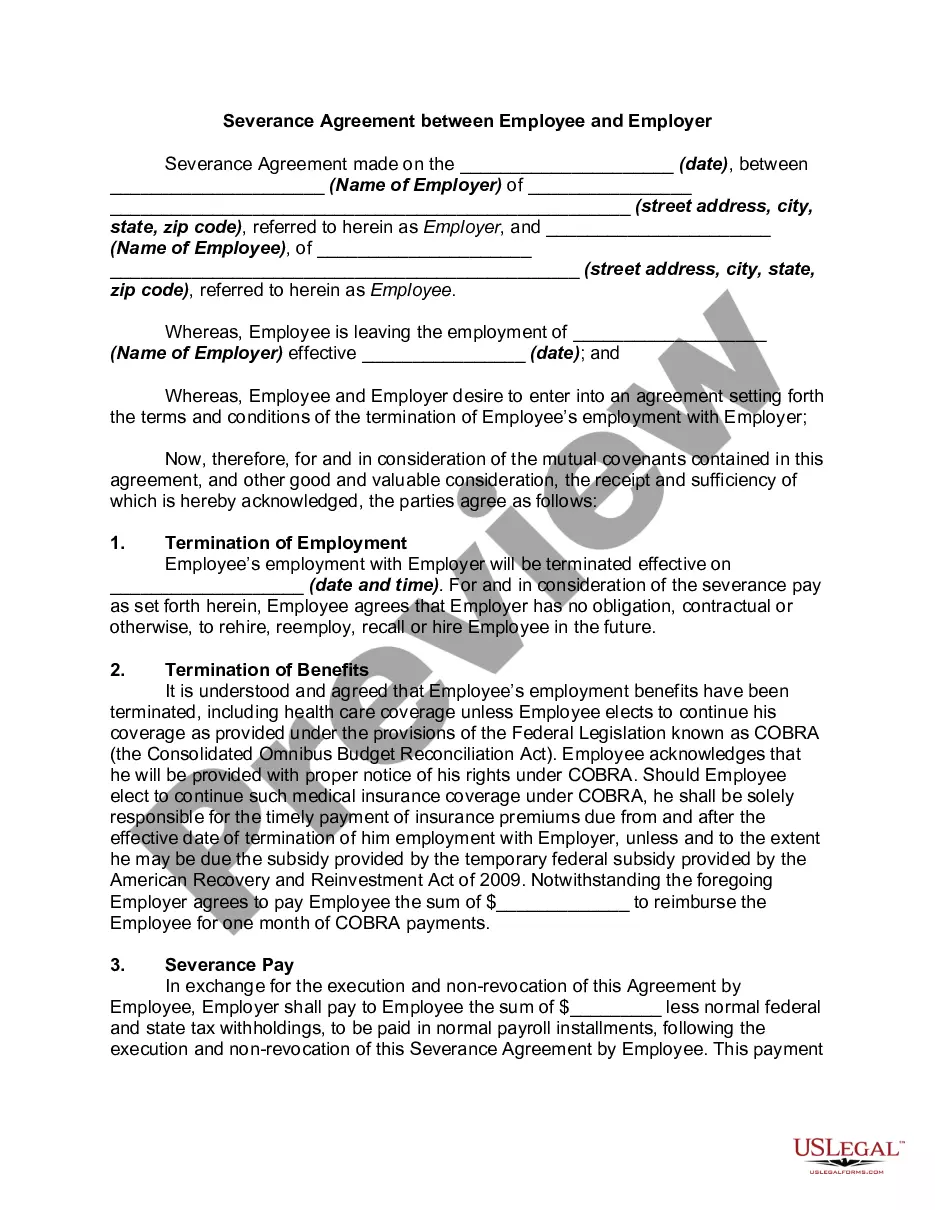
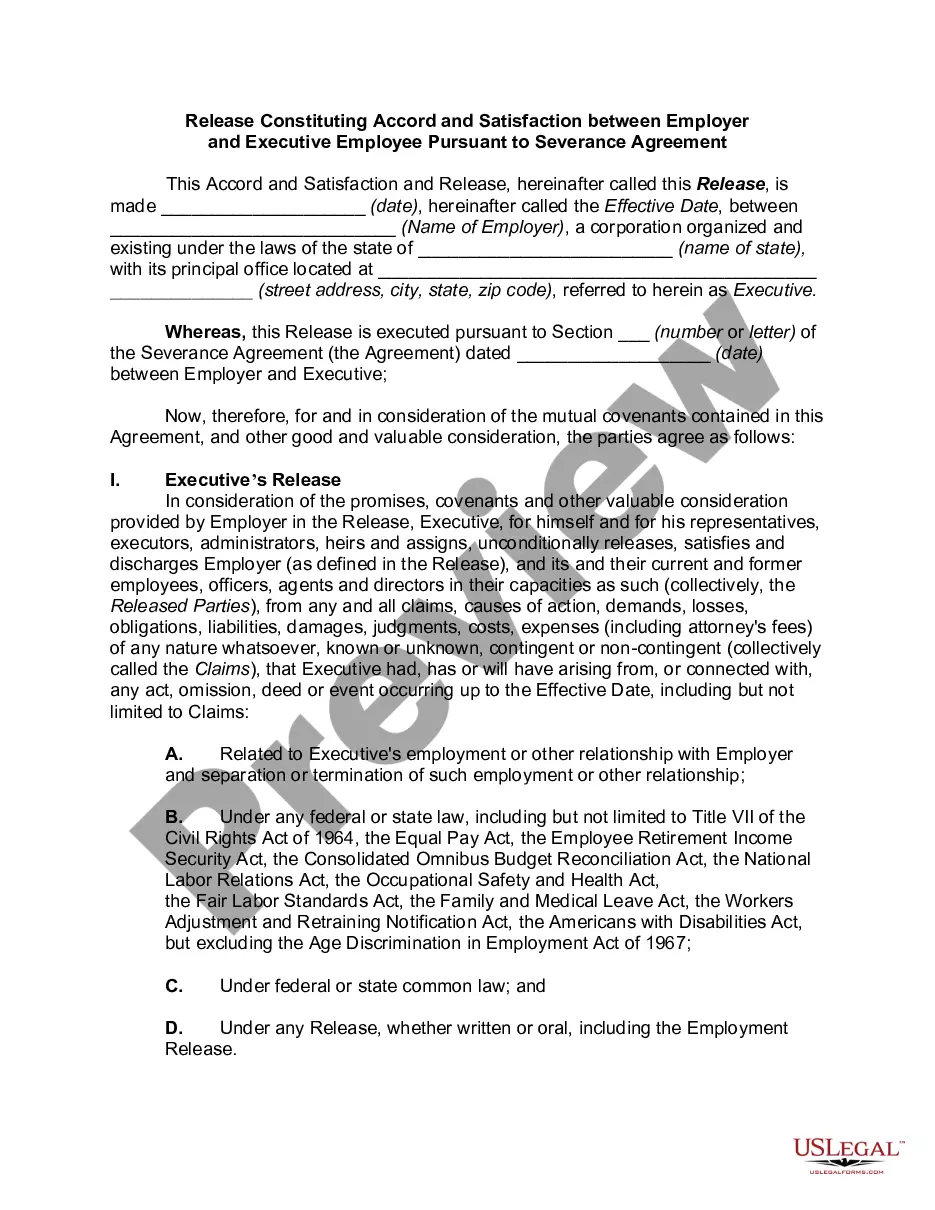
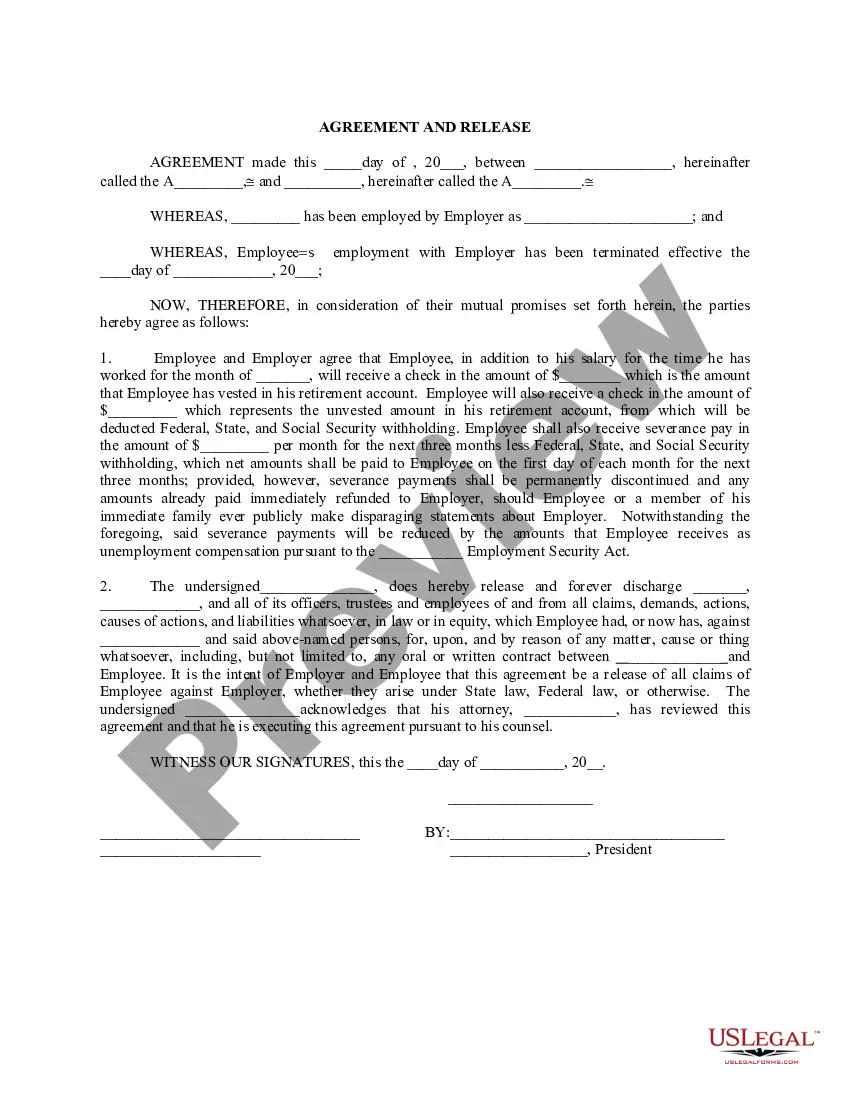
Get your form ready online
Our built-in tools help you complete, sign, share, and store your documents in one place.
Make edits, fill in missing information, and update formatting in US Legal Forms—just like you would in MS Word.
Download a copy, print it, send it by email, or mail it via USPS—whatever works best for your next step.
Sign and collect signatures with our SignNow integration. Send to multiple recipients, set reminders, and more. Go Premium to unlock E-Sign.
If this form requires notarization, complete it online through a secure video call—no need to meet a notary in person or wait for an appointment.
We protect your documents and personal data by following strict security and privacy standards.

Make edits, fill in missing information, and update formatting in US Legal Forms—just like you would in MS Word.

Download a copy, print it, send it by email, or mail it via USPS—whatever works best for your next step.

Sign and collect signatures with our SignNow integration. Send to multiple recipients, set reminders, and more. Go Premium to unlock E-Sign.

If this form requires notarization, complete it online through a secure video call—no need to meet a notary in person or wait for an appointment.

We protect your documents and personal data by following strict security and privacy standards.
Looking for another form?









Form popularity
FAQ
First you can simply ask. The offer of severance is not a legal obligation. It is an attempt by the employer to assure that you will never make any claims against it. Some times simply asking for more can trigger a discussion, but do not count on it. Especially in a RIF where many people are involved.
Most employers know that Texas is an “employment at-will” state, meaning that—unless there is an employment agreement guaranteeing employment for a specific amount of time—employees can be terminated for any lawful reason.
You and your employer must follow certain legal formalities for a severance agreement to be enforceable. You must ensure that the agreement is in writing and that your employer has signed it. Sometimes, you might also need a witness or have it notarized. Failing to adhere to these formalities can void the agreement.
There is no requirement to provide severance in the US and if you were terminated for cause a company generally would not provide it. In general severance is only provided when a company does something like lay you off because of financial conditions or restructuring (if even then).
Examples of misconduct that could make you ineligible include violation of company policy, violation of law, neglect or mismanagement of your position, or failure to perform your work adequately if you are capable of doing so.
The following is a list of some common reasons for denial: Voluntarily leaving work without good cause. Being discharged for misconduct connected with work. Not being able to work or available for work. Refusing an offer of suitable work. Knowingly making false statements to obtain benefit payments.
The agreement must be backed by consideration. The employer must give something of value to the employee in exchange for the agreement. Employees must have 21 days to consider the severance offer, or 45 days if more than one employee is laid off as part of a group lay off.