Installment Loan Contract With Low Interest In Queens
Description

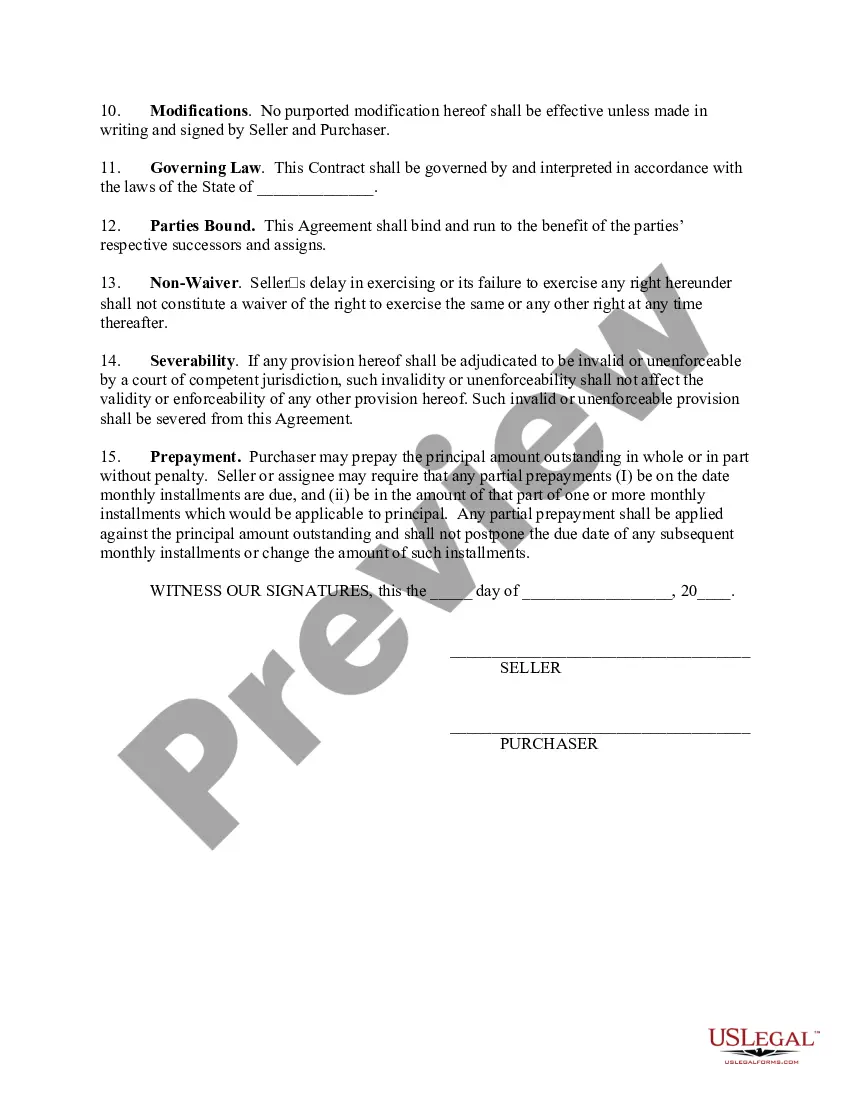
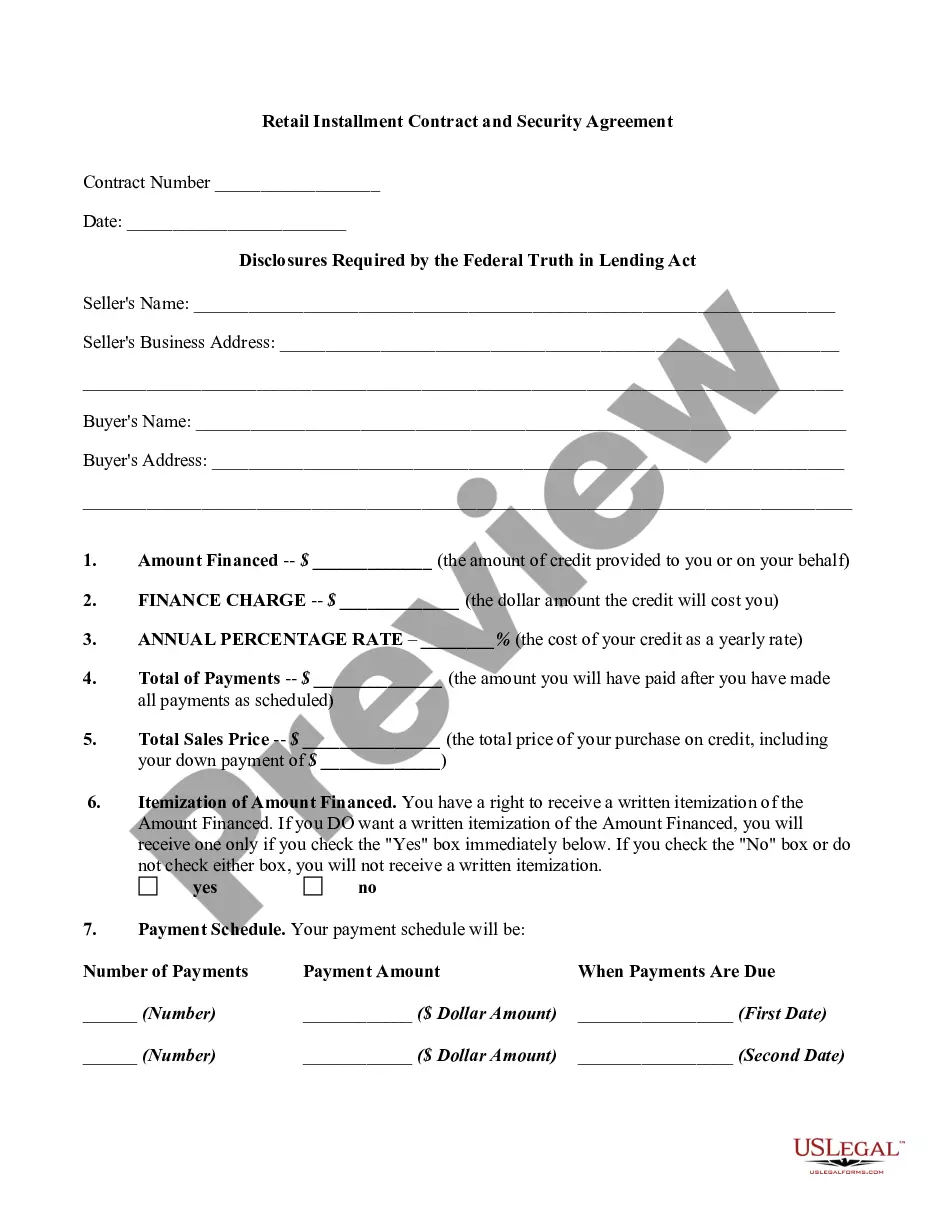
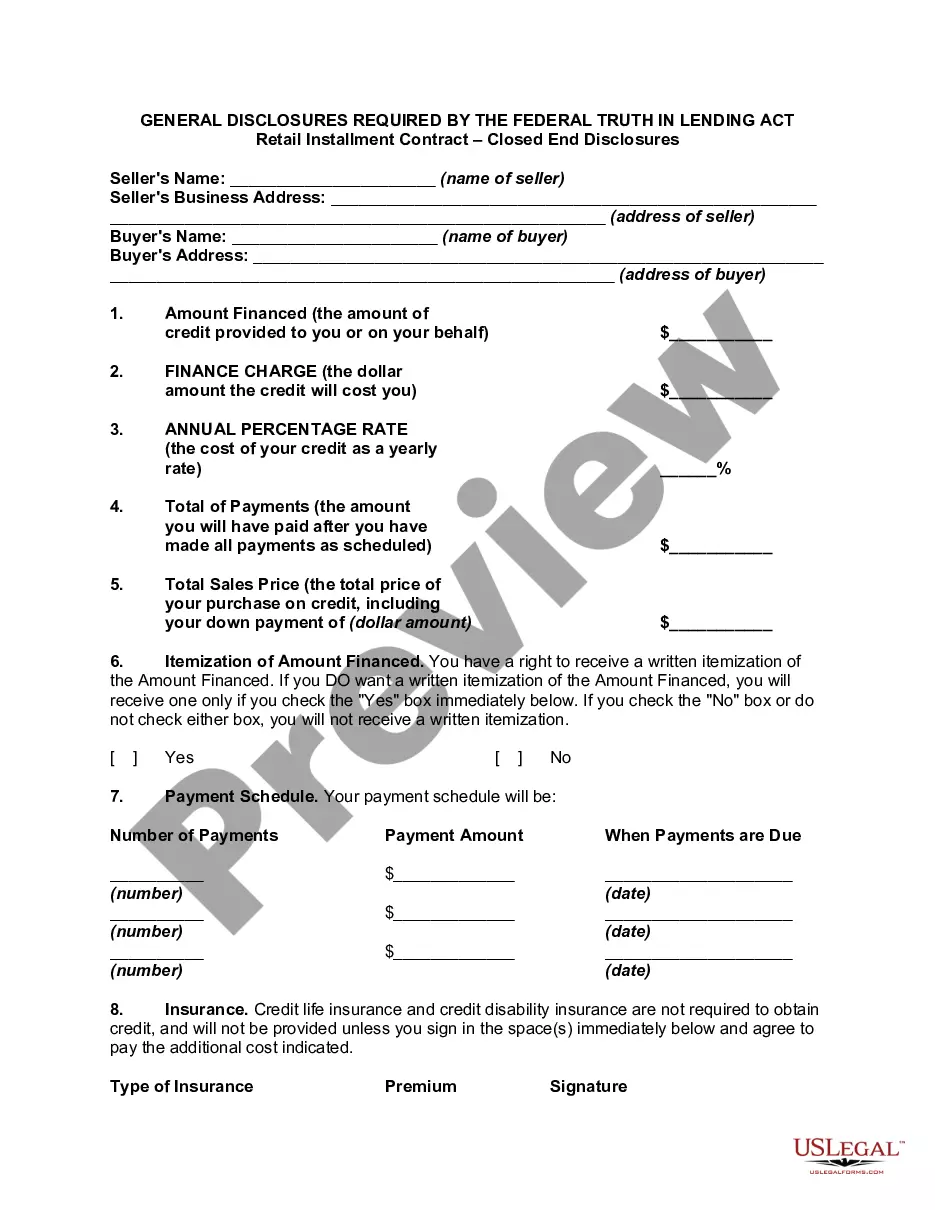
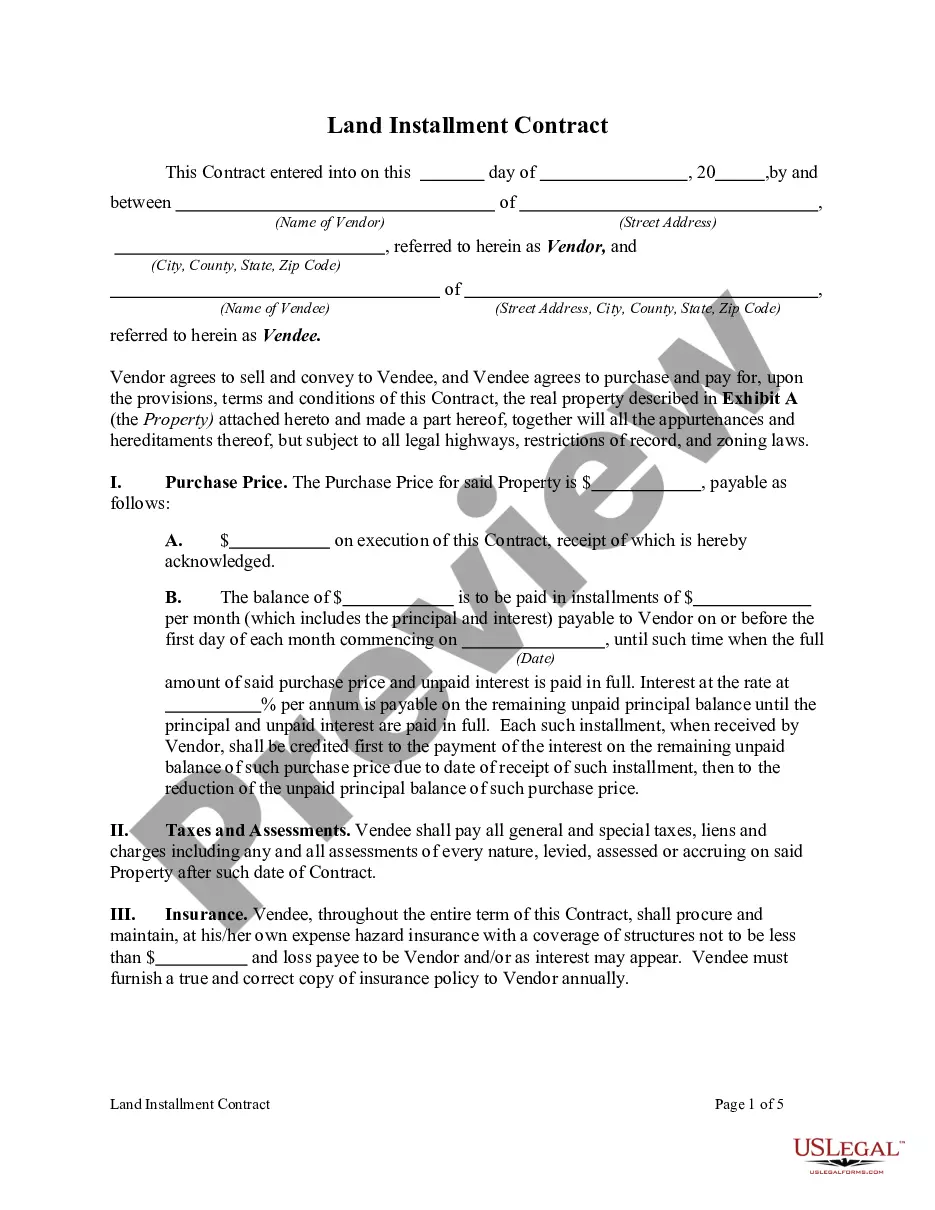
Get your form ready online
Our built-in tools help you complete, sign, share, and store your documents in one place.
Make edits, fill in missing information, and update formatting in US Legal Forms—just like you would in MS Word.
Download a copy, print it, send it by email, or mail it via USPS—whatever works best for your next step.
Sign and collect signatures with our SignNow integration. Send to multiple recipients, set reminders, and more. Go Premium to unlock E-Sign.
If this form requires notarization, complete it online through a secure video call—no need to meet a notary in person or wait for an appointment.
We protect your documents and personal data by following strict security and privacy standards.

Make edits, fill in missing information, and update formatting in US Legal Forms—just like you would in MS Word.

Download a copy, print it, send it by email, or mail it via USPS—whatever works best for your next step.

Sign and collect signatures with our SignNow integration. Send to multiple recipients, set reminders, and more. Go Premium to unlock E-Sign.

If this form requires notarization, complete it online through a secure video call—no need to meet a notary in person or wait for an appointment.

We protect your documents and personal data by following strict security and privacy standards.
Looking for another form?







Form popularity
FAQ
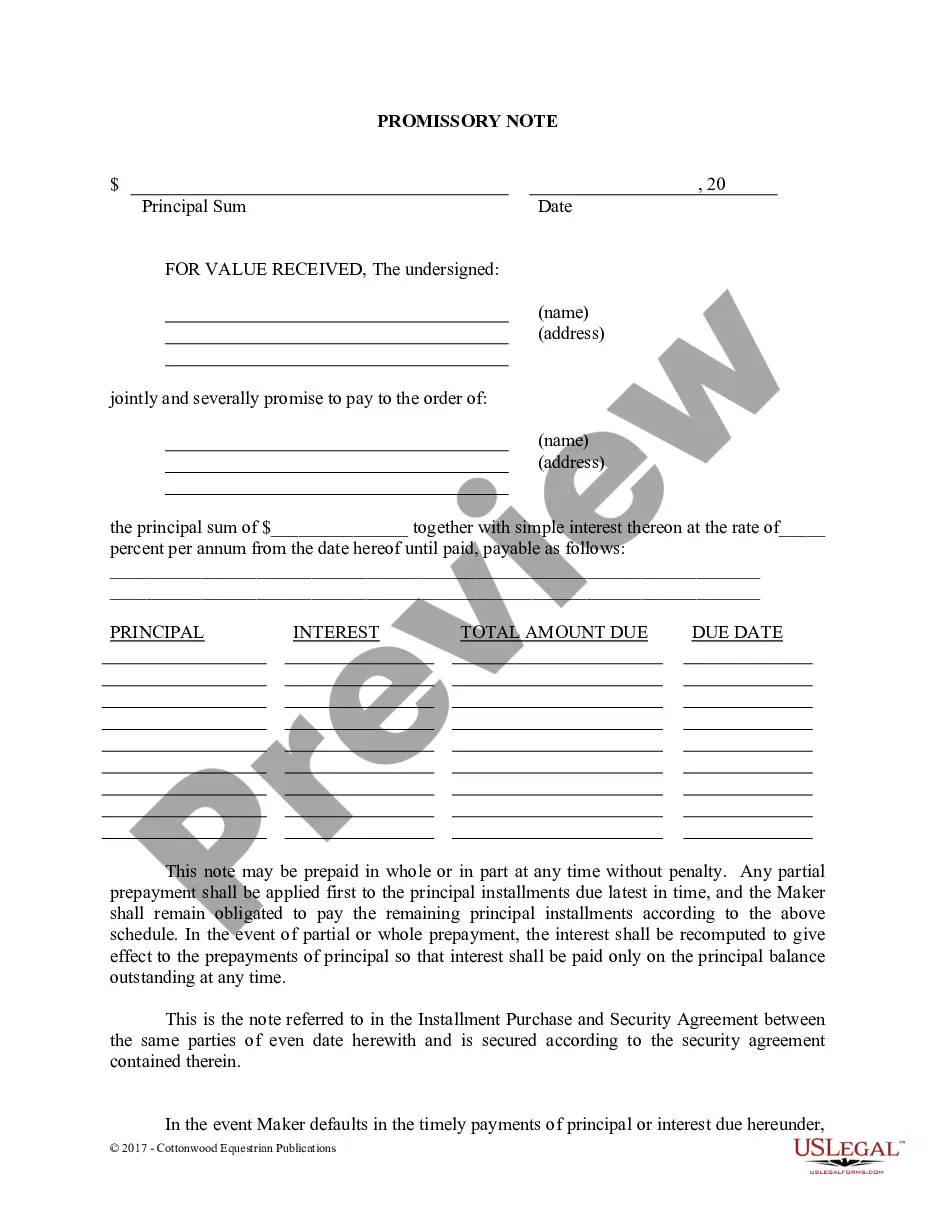
What does the principal debt mean? An instalment sale agreement between you and a credit provider allows you to buy a vehicle or asset using the principal debt, which you repay by means of regular instalments over an agreed period, with fees and interest.
A payment plan agreement, also known as an installment agreement, is a written legal document that allows one party to make smaller payments over time to payoff a larger debt.
Under the agreement, you'll make monthly payments toward your unpaid tax balance. The fastest and easiest way to request an IPA is through your Online Services account. Through your account, you can request an IPA for a balance of $20,000 or less, and with 36 or fewer scheduled monthly payments.
While the IRS typically doesn't allow taxpayers to have two separate installment agreements, adding a new tax debt to an existing installment plan is possible. However, taxpayers must act swiftly before the IRS assesses the new tax balance and potential default occurs, triggering enforcement actions.
The advantages of installment loans include flexible terms and lower interest rates. The disadvantages of installment loans include the risk of default and loss of collateral.
Examples of installment loans include auto loans, mortgage loans, personal loans, and student loans. The advantages of installment loans include flexible terms and lower interest rates. The disadvantages of installment loans include the risk of default and loss of collateral.
How to write an agreement letter Title your document. Provide your personal information and the date. Include the recipient's information. Address the recipient and write your introductory paragraph. Write a detailed body. Conclude your letter with a paragraph, closing remarks, and a signature. Sign your letter.
Contract financing uses open contracts you have as collateral to approve you for funding. Those contracts also then determine the amount of funding you're approved for. It's similar to invoice factoring in that the advance is based on your customer's creditworthiness, not yours.
