Retail Installment Contract Agreement Format In North Carolina
Description

Get your form ready online
Our built-in tools help you complete, sign, share, and store your documents in one place.
Make edits, fill in missing information, and update formatting in US Legal Forms—just like you would in MS Word.
Download a copy, print it, send it by email, or mail it via USPS—whatever works best for your next step.
Sign and collect signatures with our SignNow integration. Send to multiple recipients, set reminders, and more. Go Premium to unlock E-Sign.
If this form requires notarization, complete it online through a secure video call—no need to meet a notary in person or wait for an appointment.
We protect your documents and personal data by following strict security and privacy standards.

Make edits, fill in missing information, and update formatting in US Legal Forms—just like you would in MS Word.

Download a copy, print it, send it by email, or mail it via USPS—whatever works best for your next step.

Sign and collect signatures with our SignNow integration. Send to multiple recipients, set reminders, and more. Go Premium to unlock E-Sign.

If this form requires notarization, complete it online through a secure video call—no need to meet a notary in person or wait for an appointment.

We protect your documents and personal data by following strict security and privacy standards.
Looking for another form?









Form popularity
FAQ
In the case of an installment sale, the property passes to the user at the end of the installment payment period. Whereas in the case of lease financing, the tenant must transfer the asset to the lessor at the end of the lease term and the tenant has the option to buy or not to buy the asset.
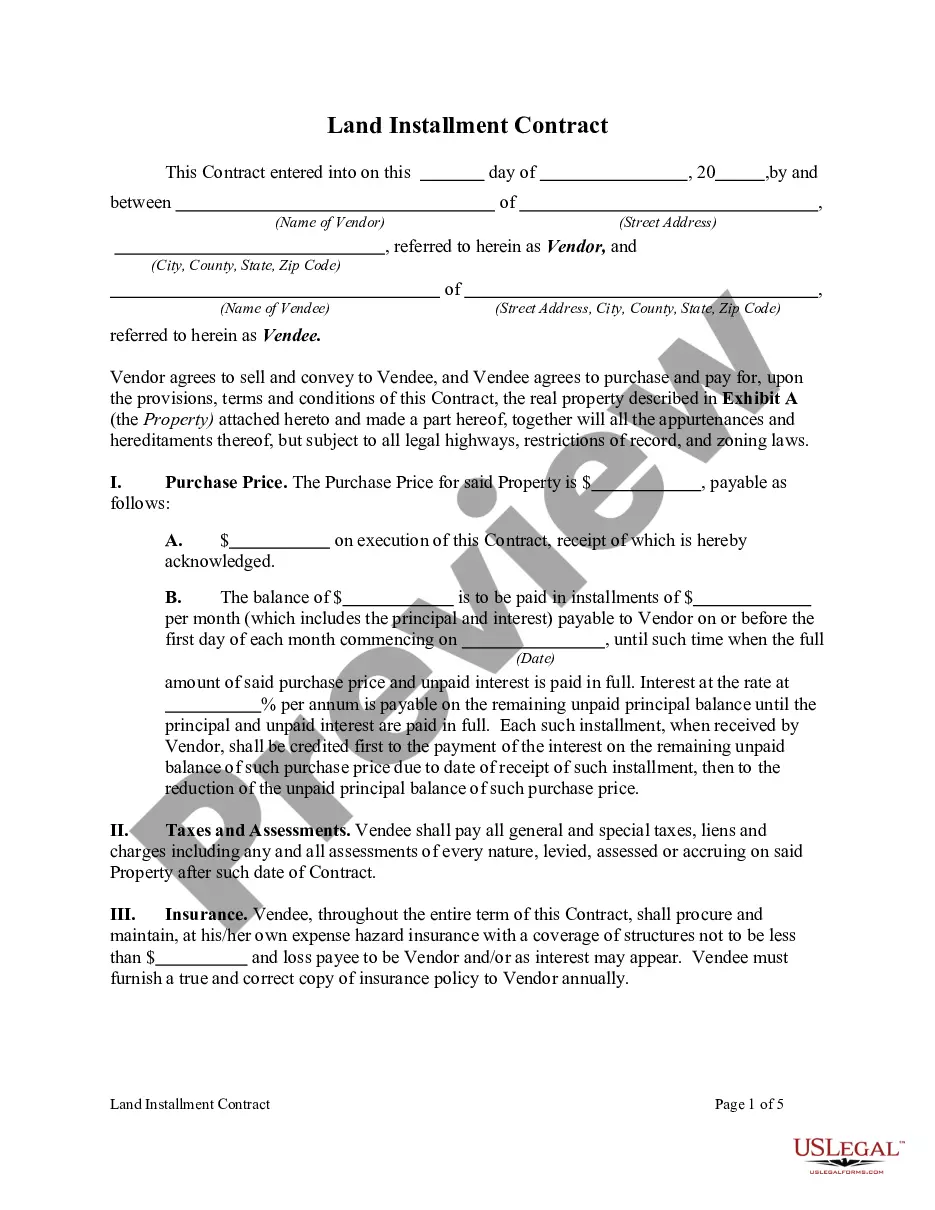
Common Examples of Installment Contracts Sale of land plots. Technology or computer services, which need regular updating. Agricultural goods or produce sales, which are subject to seasonal cycles. Retail installment contracts, where wholesalers sell “in season” or “in-style” clothes to a seller.
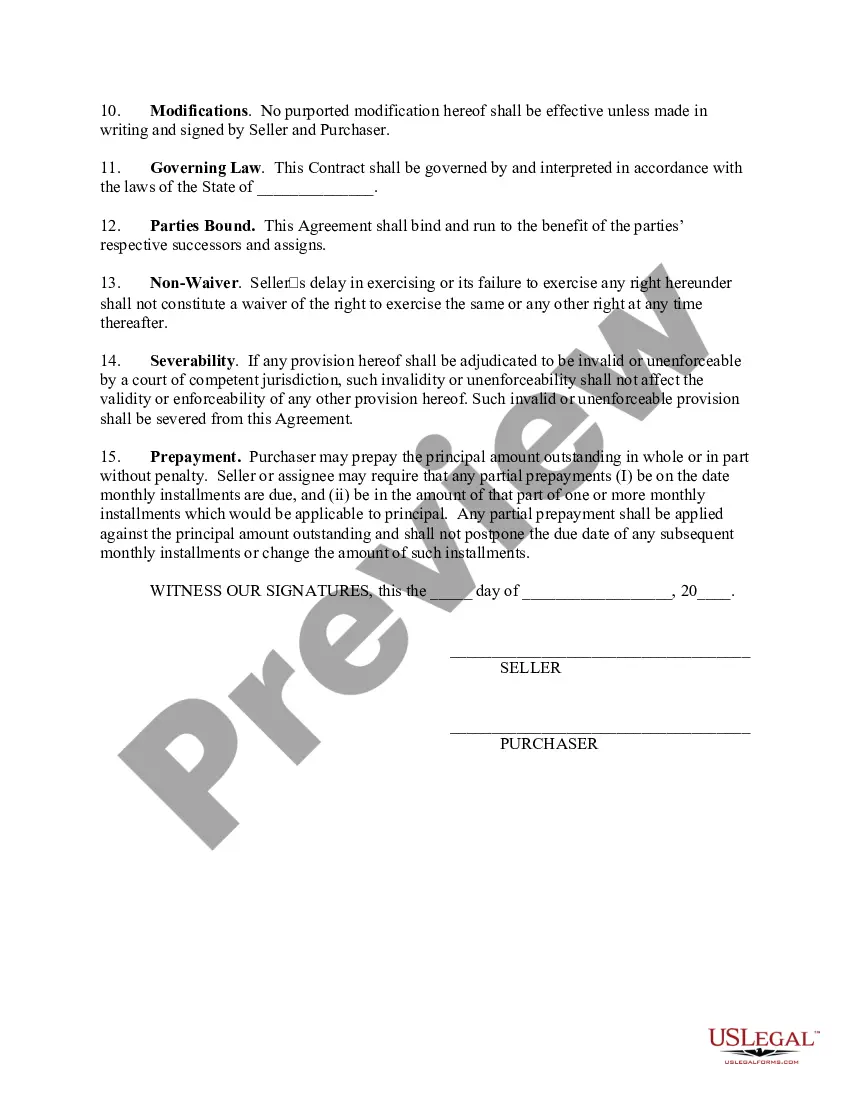
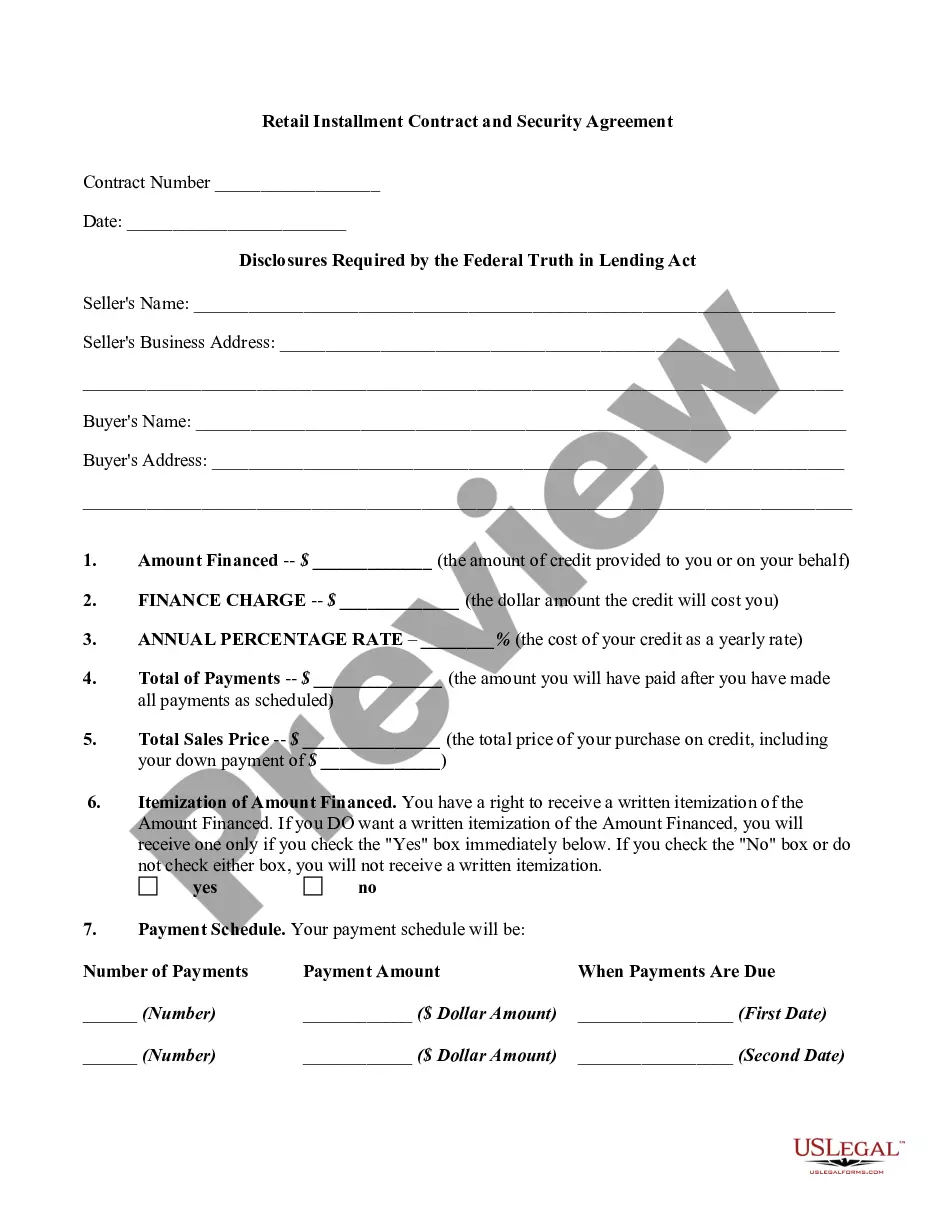
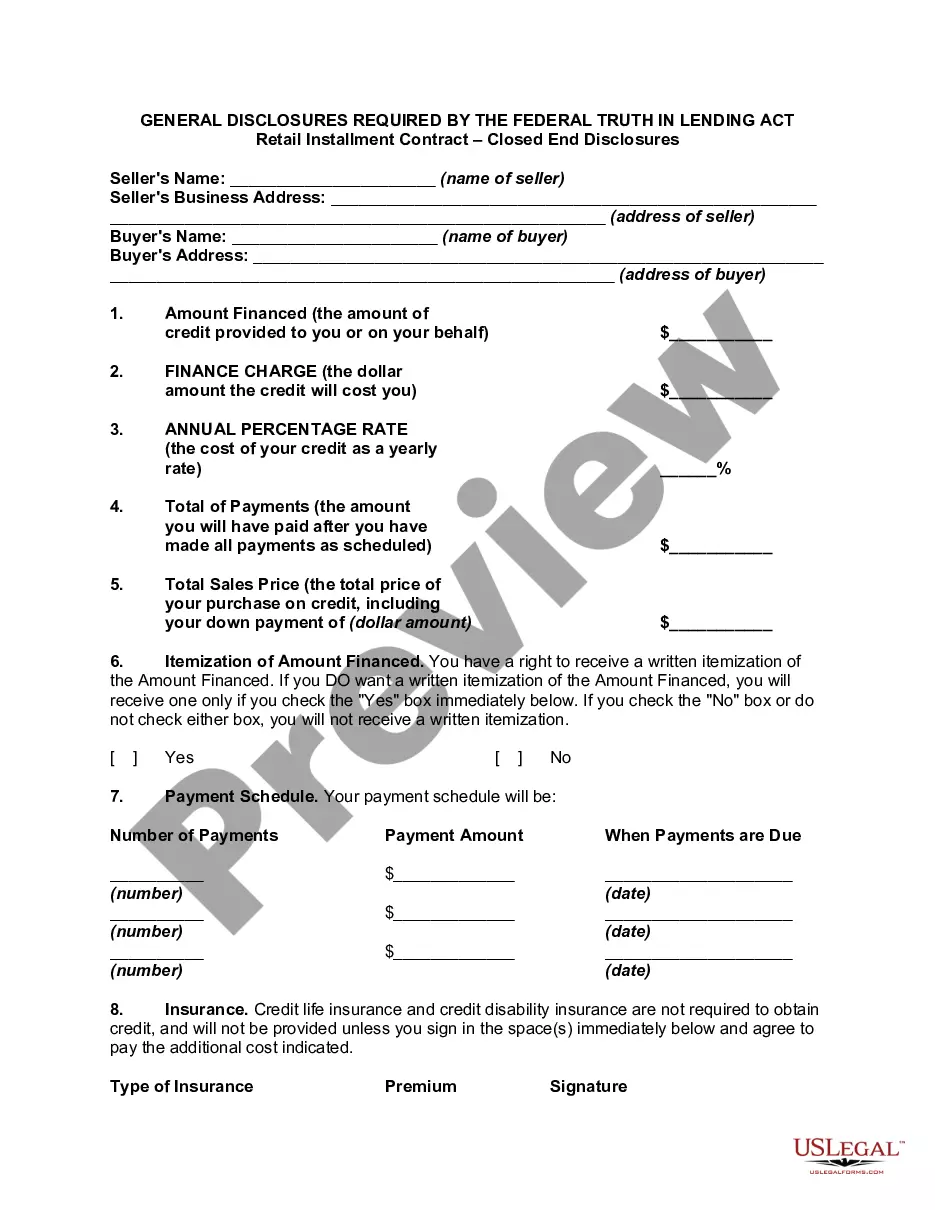
A retail installment contract and security agreement is a specific type of contract used in retail sales, where the buyer agrees to make payments over time and provides security for the seller in case of default.
What is the Statute of Limitations for Sales Tax Audits in North Carolina? North Carolina General Statute 105-241.8 defines their statute of limitations for sales tax assessment as 3 years from the later of the return due date or the return filing date.
The N.C. Department of Revenue (NCDOR) issues most refunds within approximately 3-6 weeks of e-filing. Up to 12 weeks if you paper filed.
The Department may collect a tax for a period of 10 years from the date it becomes collectible under G.S. 105-241.22. The 10-year period may be tolled for the same reasons the enforcement period for a certificate of tax liability may be tolled under G.S. 105-242(c).
The time frame for the state to collect back taxes is called the statute of limitations NN in NorthMoreThe time frame for the state to collect back taxes is called the statute of limitations NN in North Carolina. The statute of limitations for collecting back taxes is generally three years from the
It is 5 percent of the net tax due for each month, or part of a month, that your return is late (maximum 25 percent). If you do not file the application for extension by the original due date of the return, you are subject to both the late filing penalty and the late payment penalty on the net tax due.
You must send payment for taxes in North Carolina for the fiscal year 2022 by April 16, 2024. The Extension Deadline is October 15, 2024 to file your North Carolina income tax return. North Carolina automatically grants 6 months extensions on filing income taxes if a federal extension is filed.