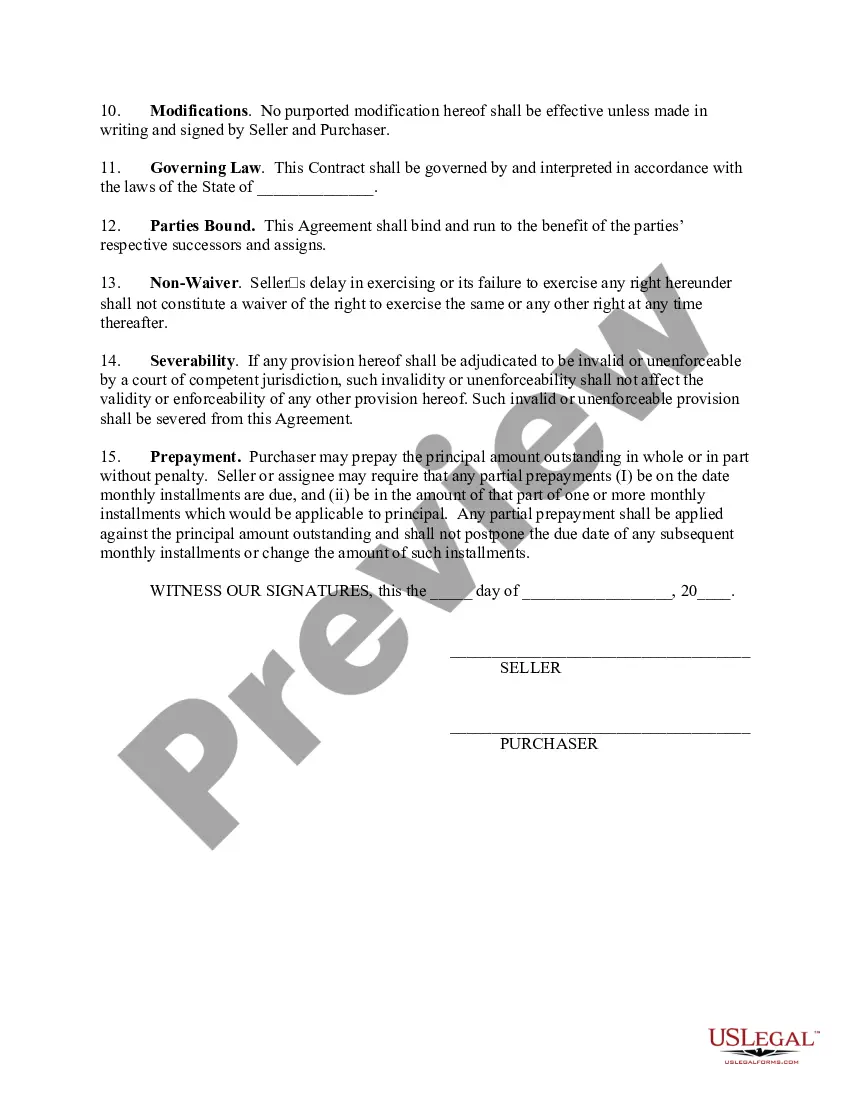
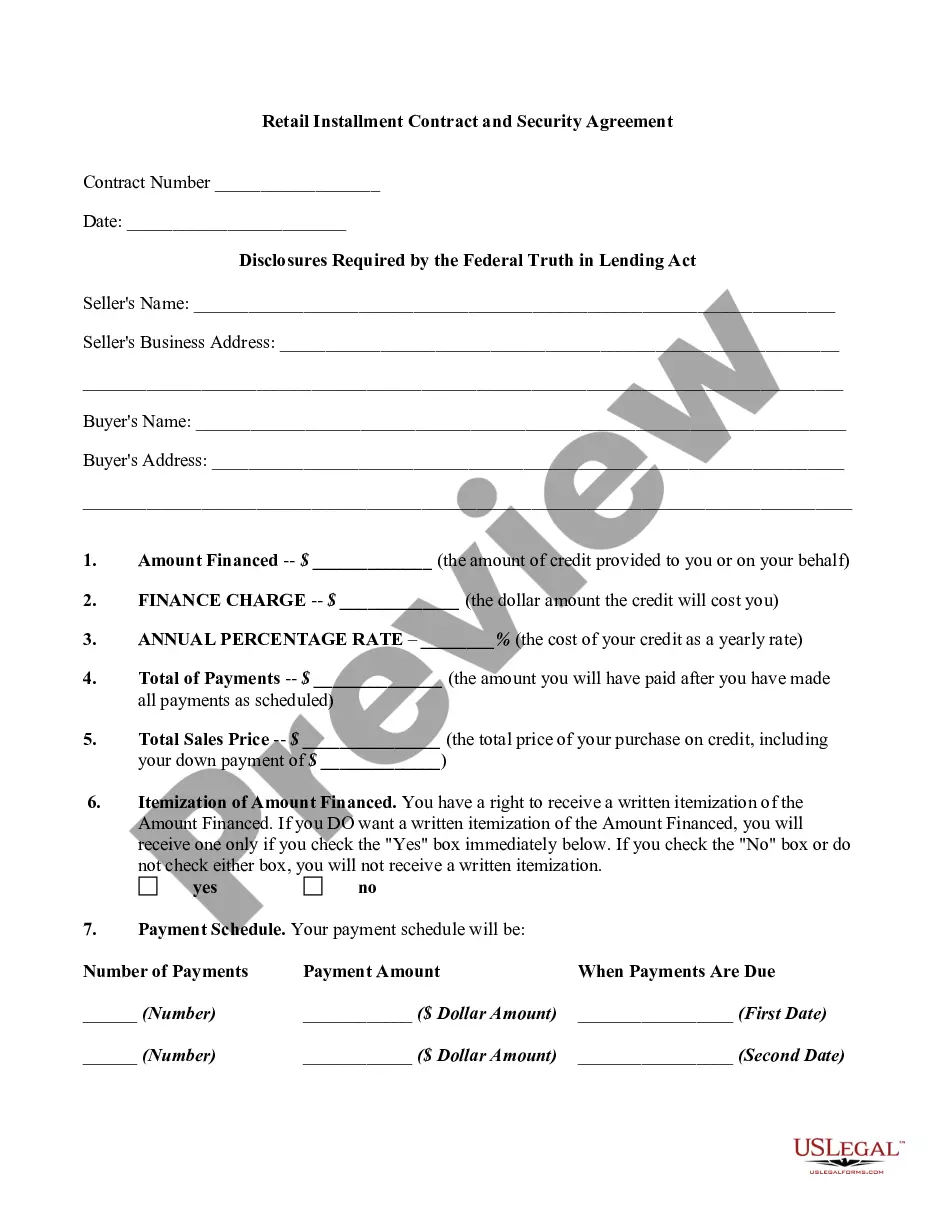
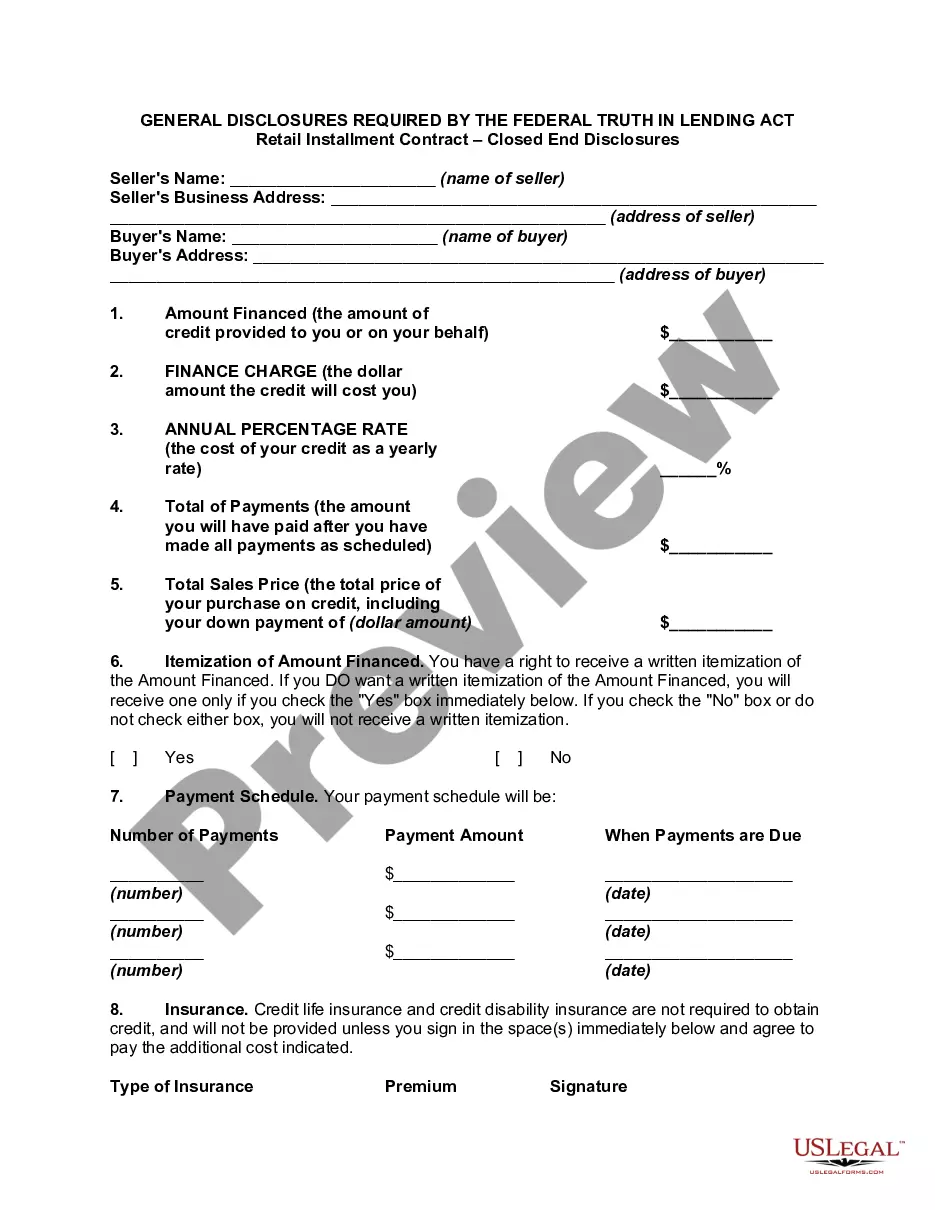
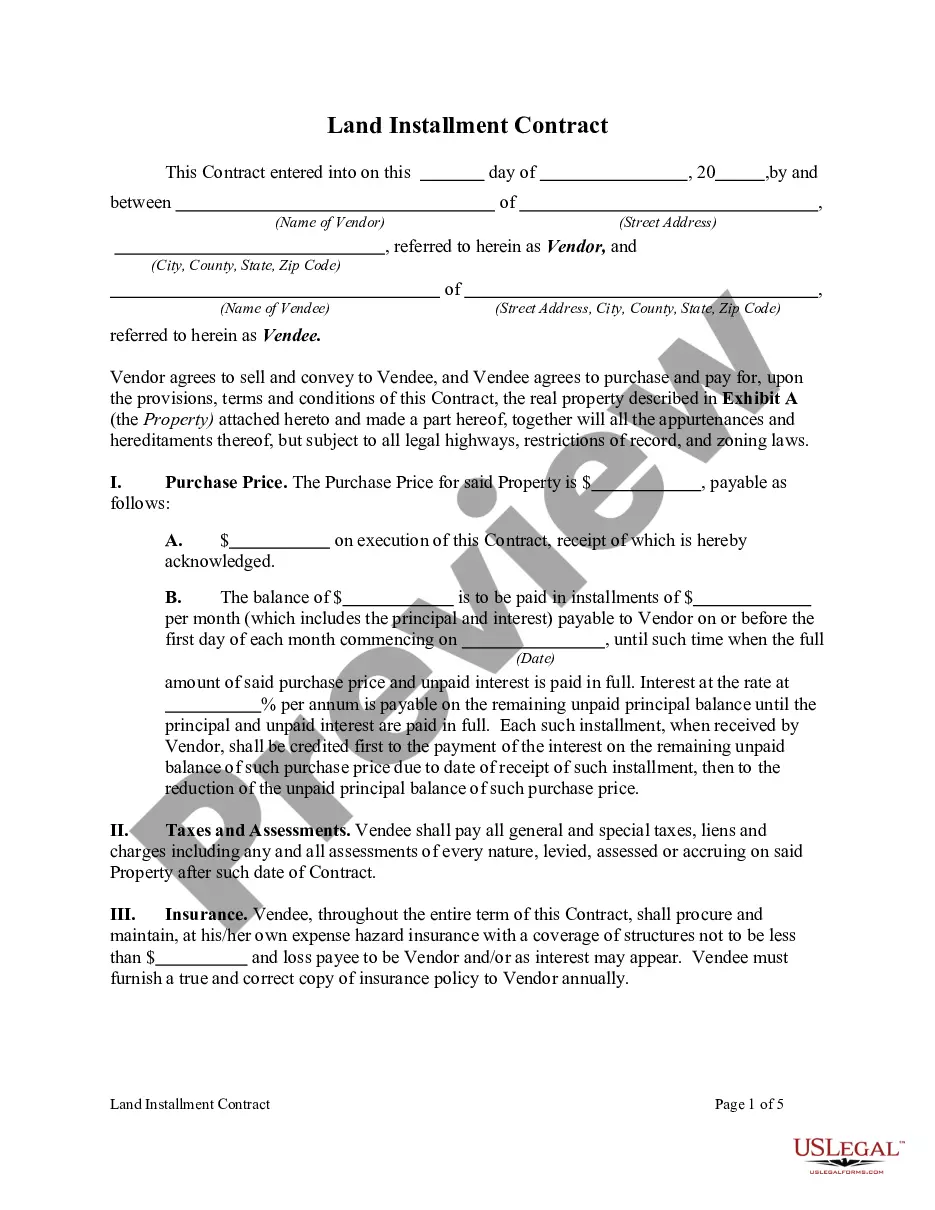
Installment Contract Agreement With Vehicle Owner In Nevada
Description

Get your form ready online
Our built-in tools help you complete, sign, share, and store your documents in one place.
Make edits, fill in missing information, and update formatting in US Legal Forms—just like you would in MS Word.
Download a copy, print it, send it by email, or mail it via USPS—whatever works best for your next step.
Sign and collect signatures with our SignNow integration. Send to multiple recipients, set reminders, and more. Go Premium to unlock E-Sign.
If this form requires notarization, complete it online through a secure video call—no need to meet a notary in person or wait for an appointment.
We protect your documents and personal data by following strict security and privacy standards.

Make edits, fill in missing information, and update formatting in US Legal Forms—just like you would in MS Word.

Download a copy, print it, send it by email, or mail it via USPS—whatever works best for your next step.

Sign and collect signatures with our SignNow integration. Send to multiple recipients, set reminders, and more. Go Premium to unlock E-Sign.

If this form requires notarization, complete it online through a secure video call—no need to meet a notary in person or wait for an appointment.

We protect your documents and personal data by following strict security and privacy standards.
Looking for another form?






Form popularity
FAQ
There are four essential elements of forming a contract: offer, acceptance, consideration, and intention to create legal relations. Beyond this, the terms of the contract must also be unambiguous, and the parties must have the mental capacity to agree.
A contract is an agreement between parties, creating mutual obligations that are enforceable by law. The basic elements required for the agreement to be a legally enforceable contract are: mutual assent, expressed by a valid offer and acceptance; adequate consideration; capacity; and legality.
1. What are the basic requirements for making a valid contract? (i) Intention to create legal relations. (ii) Offer. (iii) Acceptance. (iv) Consideration (benefit given to the other party) ... (v) Capacity (the authority or ability to make contracts) ... (vi) Certainty.
To be enforceable, the contract must be entered into voluntarily, have clearly agreed upon terms and conditions and demonstrate the exchange of “consideration”. Clearly agreed upon terms refers to the idea that everyone understands the nature of the deal being made.
The Nevada single document rule and mandatory contract forms require a buyer and seller to enter into a one-size-fits-all agreement. We recognize and support the concern for consumer protection, but the rigidity may in fact hinder rather than enhance protections.
Contact the Dealership: Reach out to the dealership as soon as possible. Explain your situation and express your desire to cancel the deal. If you haven't taken delivery of the vehicle, they may be more willing to accommodate your request.
If the seller withholds information from the buyer, or misrepresents the value of an item, this may render a bill of sale null and void.
Many states don't mandate notarization for bills of sale. States like California, Texas, Florida, Ohio, and New York allow transactions without a notarized document. In these states, a signed bill of sale is often sufficient for legal purposes, provided it includes all required information.
No. A vehicle bill of sale does not need to be notarized in Nevada.
Nevada doesn't require a bill of sale to be notarized. However, having it notarized can provide additional authenticity and may be required by certain entities. Are digital signatures accepted on a Nevada bill of sale? Yes, digital signatures are generally accepted and valid in Nevada.