Payment Plan Contract For Horse In Los Angeles
Description

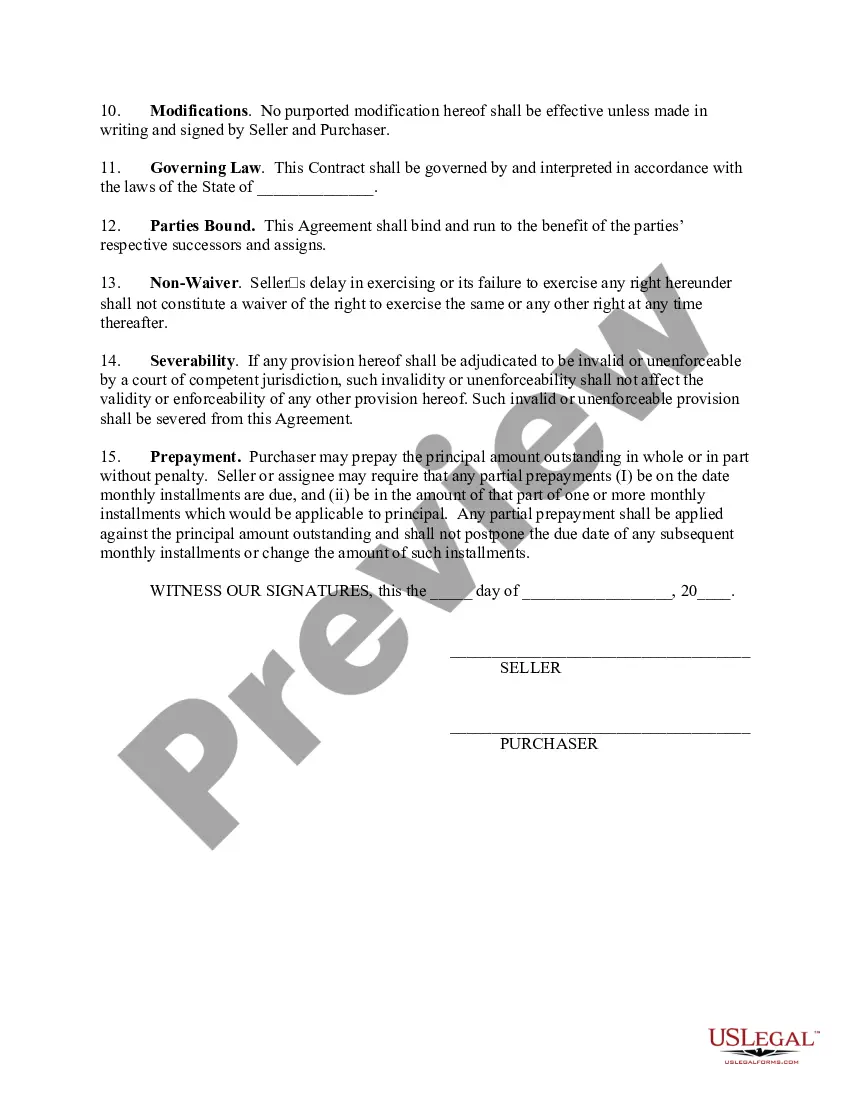
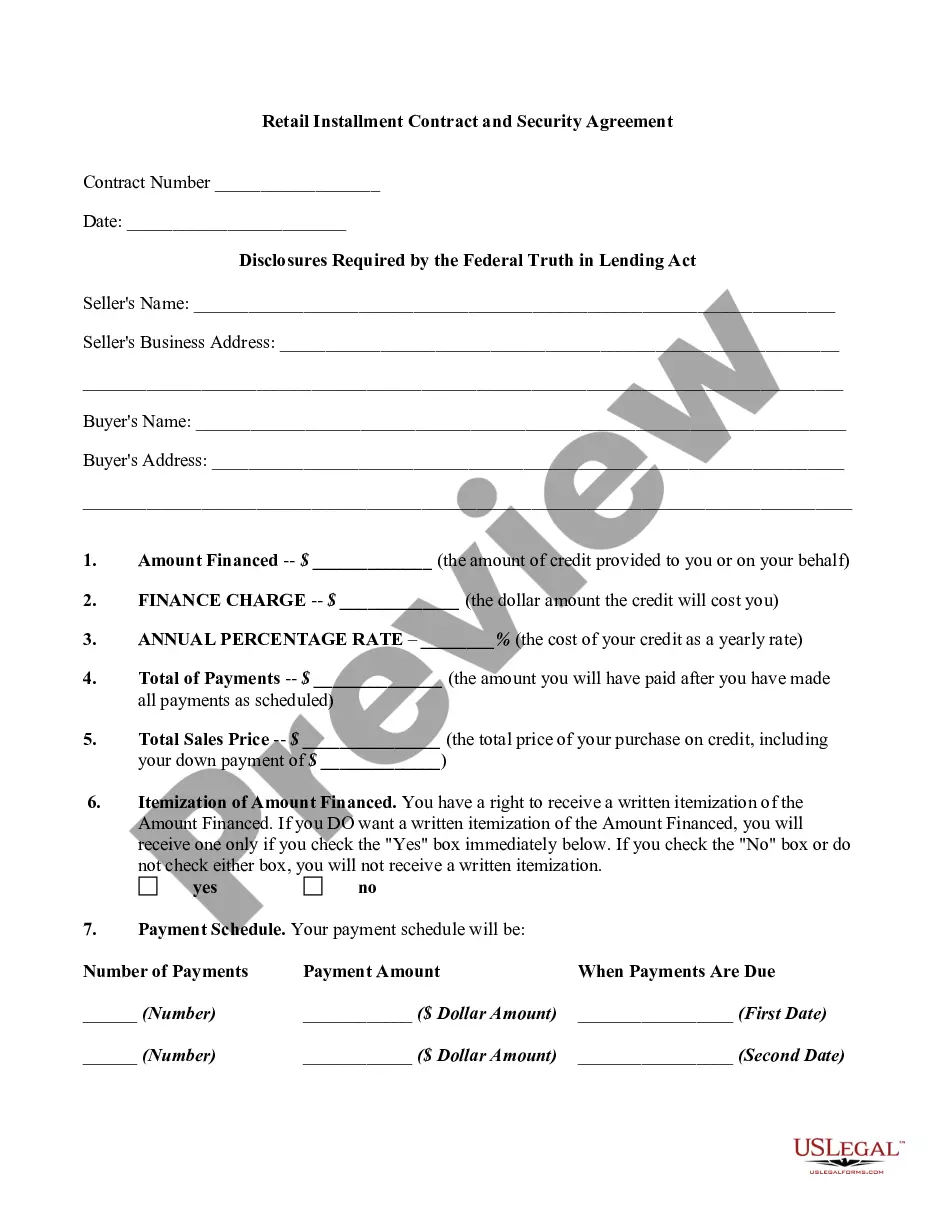
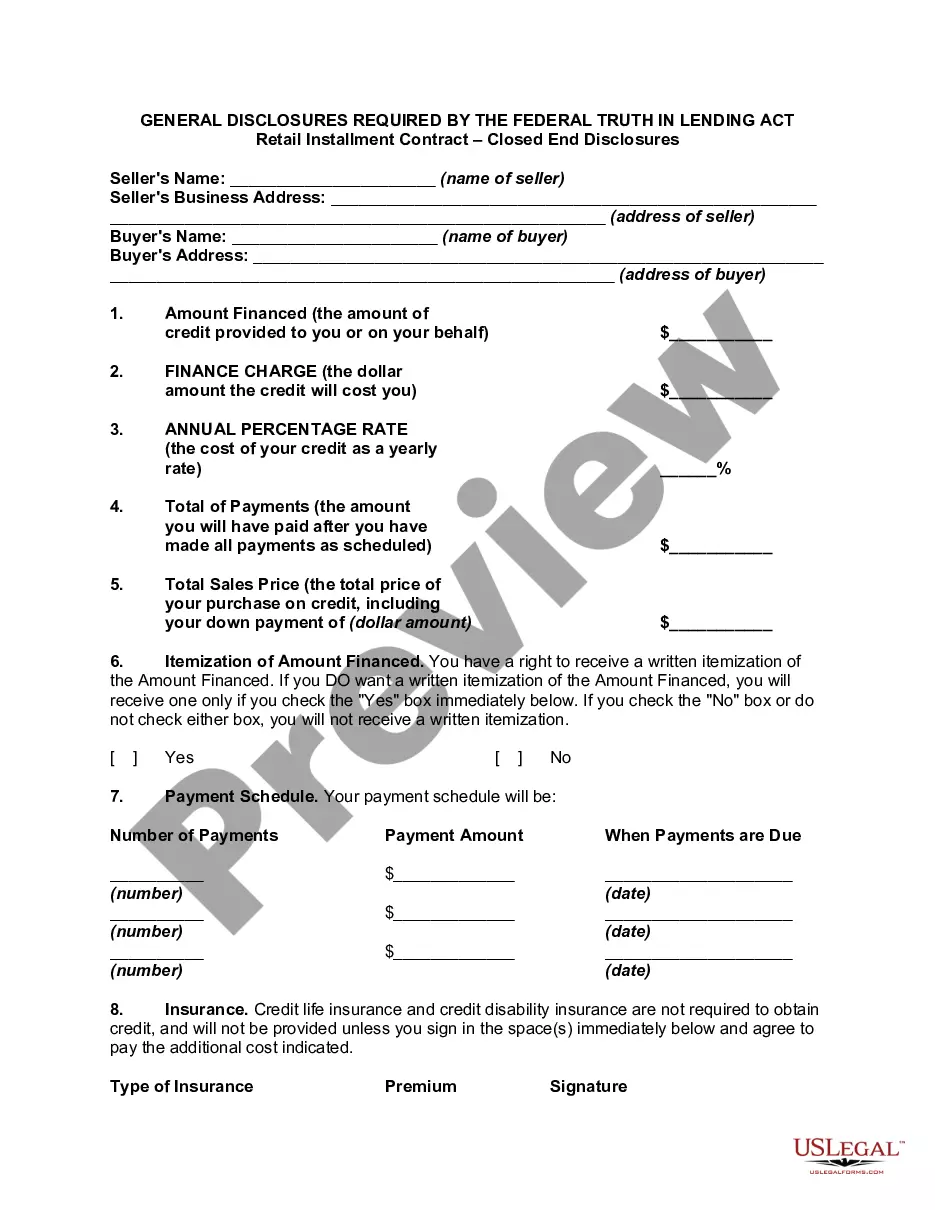
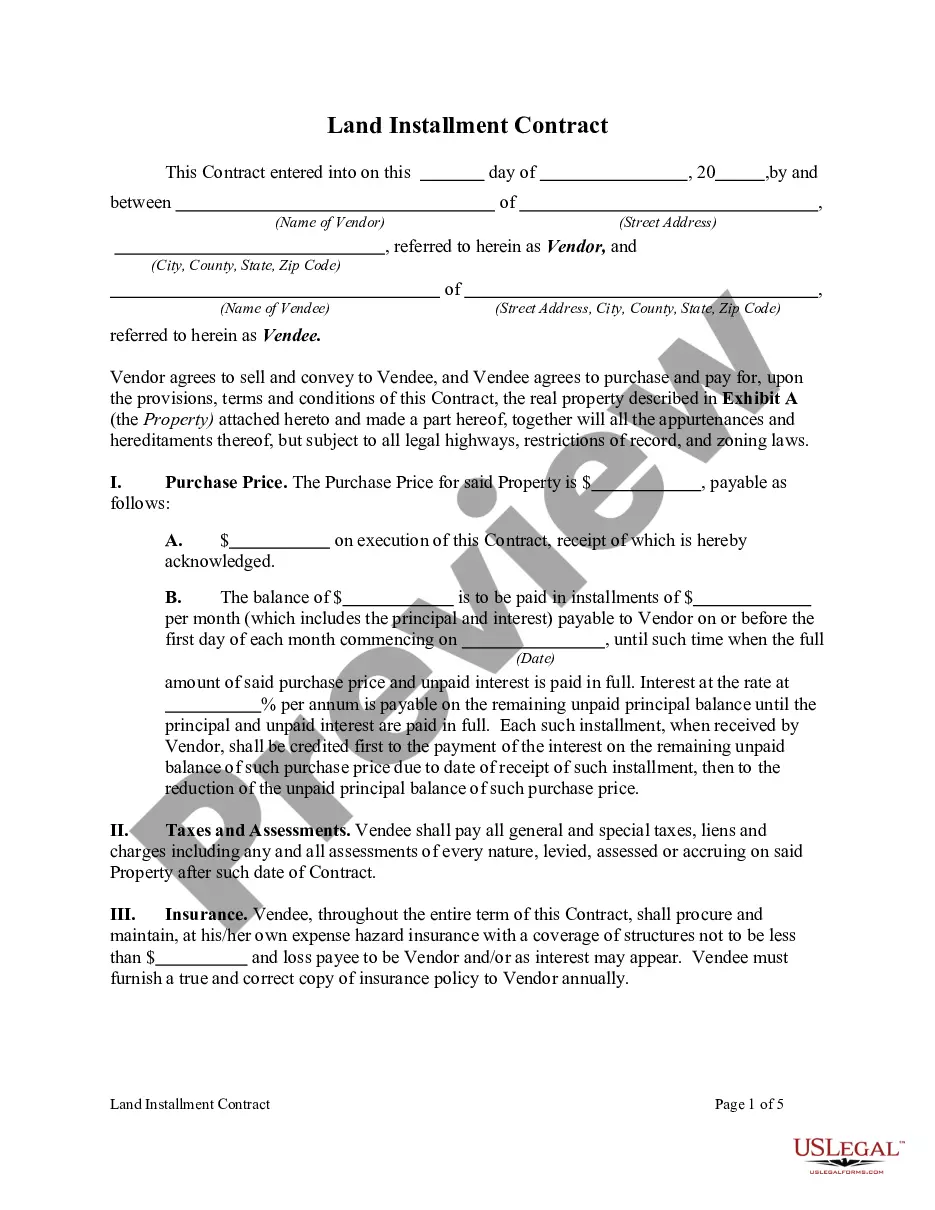
Get your form ready online
Our built-in tools help you complete, sign, share, and store your documents in one place.
Make edits, fill in missing information, and update formatting in US Legal Forms—just like you would in MS Word.
Download a copy, print it, send it by email, or mail it via USPS—whatever works best for your next step.
Sign and collect signatures with our SignNow integration. Send to multiple recipients, set reminders, and more. Go Premium to unlock E-Sign.
If this form requires notarization, complete it online through a secure video call—no need to meet a notary in person or wait for an appointment.
We protect your documents and personal data by following strict security and privacy standards.

Make edits, fill in missing information, and update formatting in US Legal Forms—just like you would in MS Word.

Download a copy, print it, send it by email, or mail it via USPS—whatever works best for your next step.

Sign and collect signatures with our SignNow integration. Send to multiple recipients, set reminders, and more. Go Premium to unlock E-Sign.

If this form requires notarization, complete it online through a secure video call—no need to meet a notary in person or wait for an appointment.

We protect your documents and personal data by following strict security and privacy standards.
Looking for another form?









Form popularity
FAQ
Equine-related contracts sometimes include a “right of first refusal” clause that restricts how a horse can be re-sold. Through these clauses, a horse buyer agrees to give the seller an opportunity to buy back the horse later under certain specified conditions.
Can you write your own tenancy agreement? Certainly. Unless you're an attorney, or have an attorney review it, you probably shouldn't, But you certainly can. If you fail to follow your state/local laws to-the-letter, the agreement may be invalid.
If you're selling a horse, you know that buyers may request installment payment plans. Being open to this option can increase the number of potential buyers for your horse. But if you want the transaction to go smoothly, you must make sure that you're informed and prepared.
If you're selling a horse, you know that buyers may request installment payment plans. Being open to this option can increase the number of potential buyers for your horse. But if you want the transaction to go smoothly, you must make sure that you're informed and prepared.
Setting up the payment plan Calculate the total amount due and the payment schedule. Determine the payment amounts, due dates and payment method. Write the agreement, detailing the payment plan. Include the date of the agreement and the parties involved. Get both parties to sign the agreement.
Paperwork on a horse can be Coggins results, bill of sale, health certificates, brand inspection, etc. Registered horses have a paper that gives registration number, foaling place and owner name and city/state. Unregistered horses can have papers. I bought a horse where 2 owners back hadn't sent in transfer paperwork.