Installment Loan Contract With Consumer Proposal In Los Angeles
Description

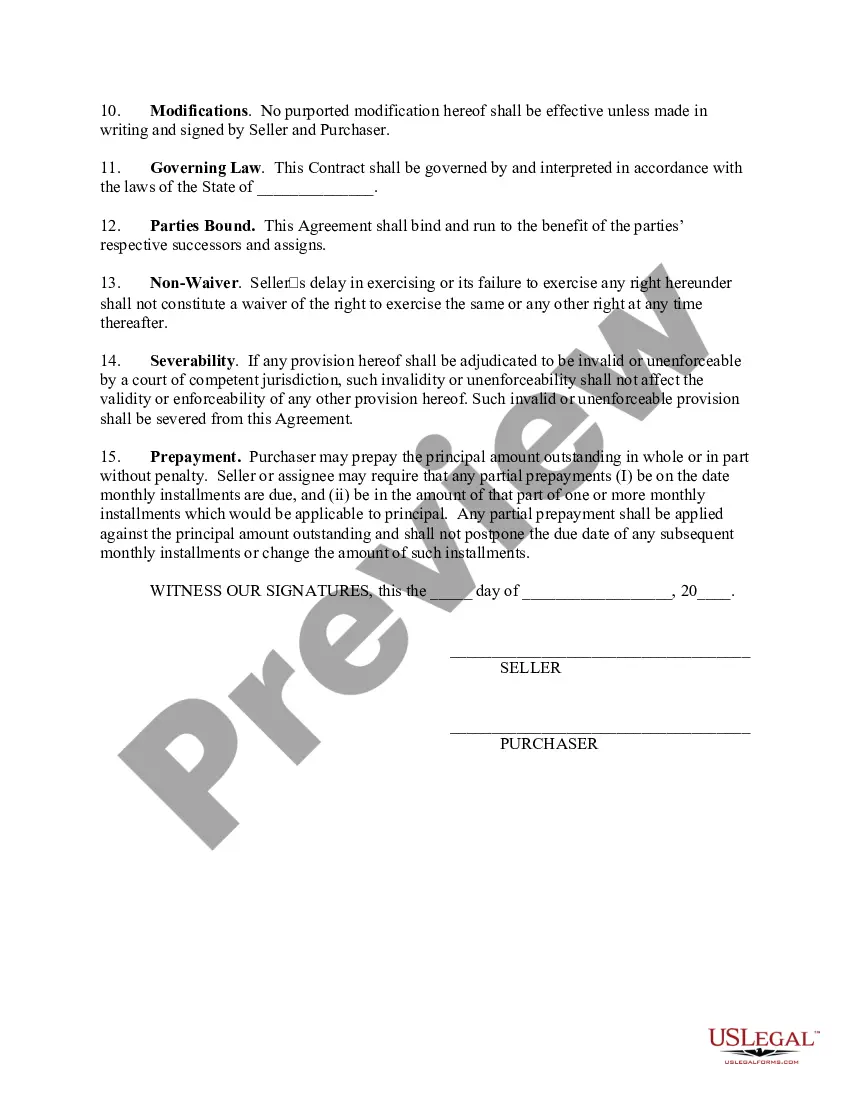
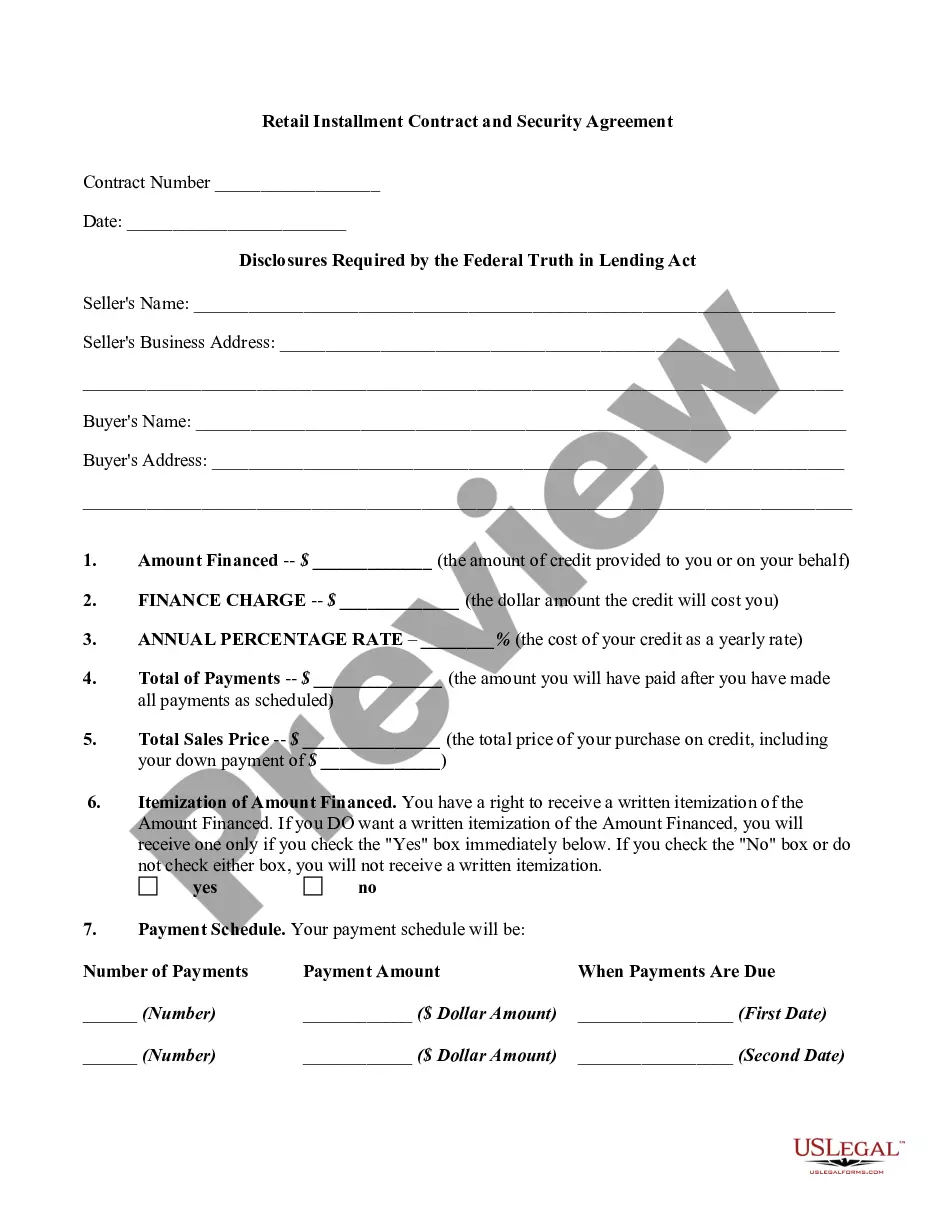
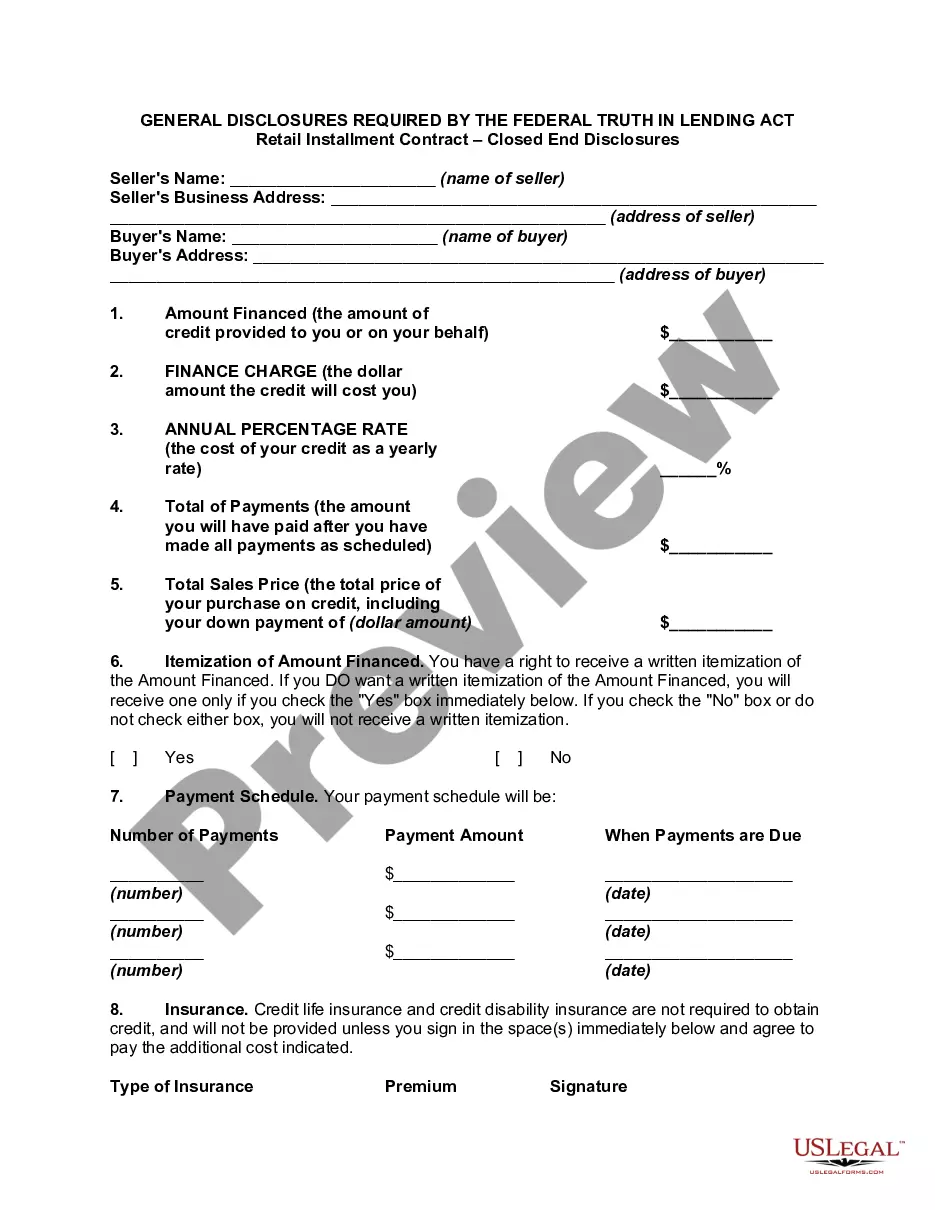
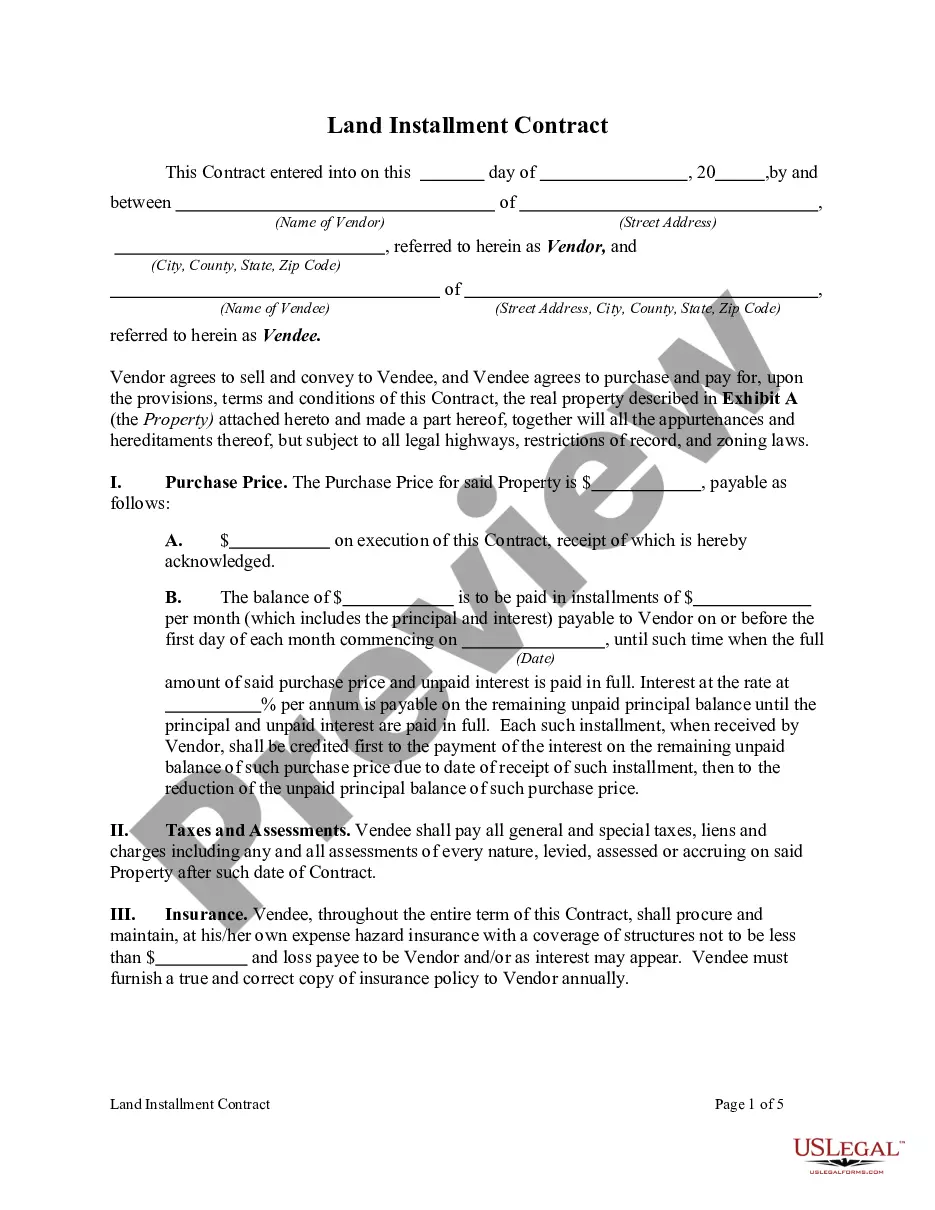
Get your form ready online
Our built-in tools help you complete, sign, share, and store your documents in one place.
Make edits, fill in missing information, and update formatting in US Legal Forms—just like you would in MS Word.
Download a copy, print it, send it by email, or mail it via USPS—whatever works best for your next step.
Sign and collect signatures with our SignNow integration. Send to multiple recipients, set reminders, and more. Go Premium to unlock E-Sign.
If this form requires notarization, complete it online through a secure video call—no need to meet a notary in person or wait for an appointment.
We protect your documents and personal data by following strict security and privacy standards.

Make edits, fill in missing information, and update formatting in US Legal Forms—just like you would in MS Word.

Download a copy, print it, send it by email, or mail it via USPS—whatever works best for your next step.

Sign and collect signatures with our SignNow integration. Send to multiple recipients, set reminders, and more. Go Premium to unlock E-Sign.

If this form requires notarization, complete it online through a secure video call—no need to meet a notary in person or wait for an appointment.

We protect your documents and personal data by following strict security and privacy standards.
Looking for another form?






Form popularity
FAQ
A consumer proposal can only be filed for non-mortgage debt up to $250,000. Bankruptcy has no limit to the amount of debt that can be included, only a minimum of $1000.
A consumer proposal does tend to have a negative effect on your credit score rating. However, the negative effect is less drastic compared to bankruptcy.
Make payments in full and on time Those who file a consumer proposal can keep a credit card with a zero balance at the date of filing. This will help re-establish credit during the consumer proposal. Many people worry that filing a consumer proposal will drop their credit card limit, this is not automatically the case.
Debts Not Eligible for Inclusion Secured Debts: Secured debts are backed by collateral, such as a home or car. Examples include mortgages and car loans. These debts typically are not included in a Consumer Proposal, which means you can keep the collateral asset as long as you continue to make the payments.
In most cases, you can qualify for a secured credit card and can begin rebuilding your credit score while in an active consumer proposal. Most people can see significant improvement within 2-3 years after completion and qualify for larger loans at better interest rates.
Secured credit cards A secured credit card is a great way to build credit after filing either a proposal or bankruptcy. After filing for bankruptcy, a secured credit card is really your only option.
Data source: Experian (2024), Federal Reserve (2024), Freddie Mac (2024). Mortgages make up 70% of American consumer debt. That number has risen consistently since mid-2013 and has recently accelerated as home prices hit record levels.
