Installment Agreement With Irs In Florida
Description

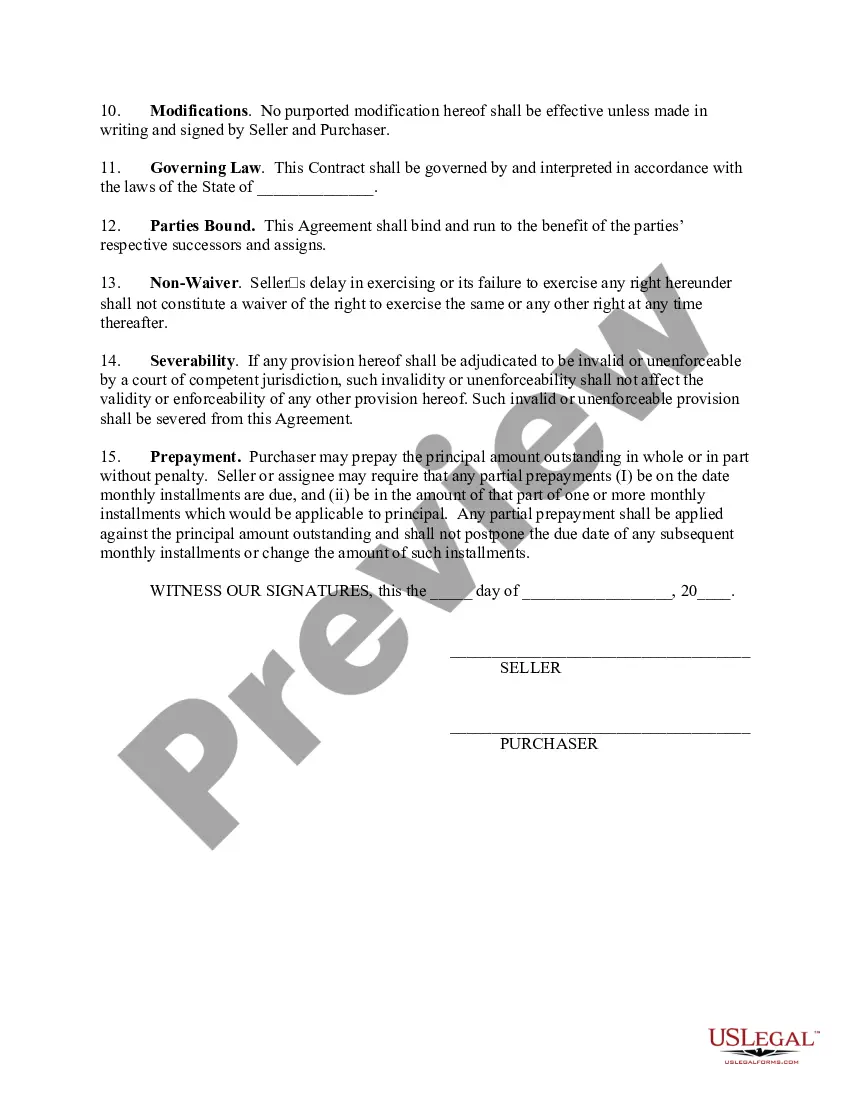
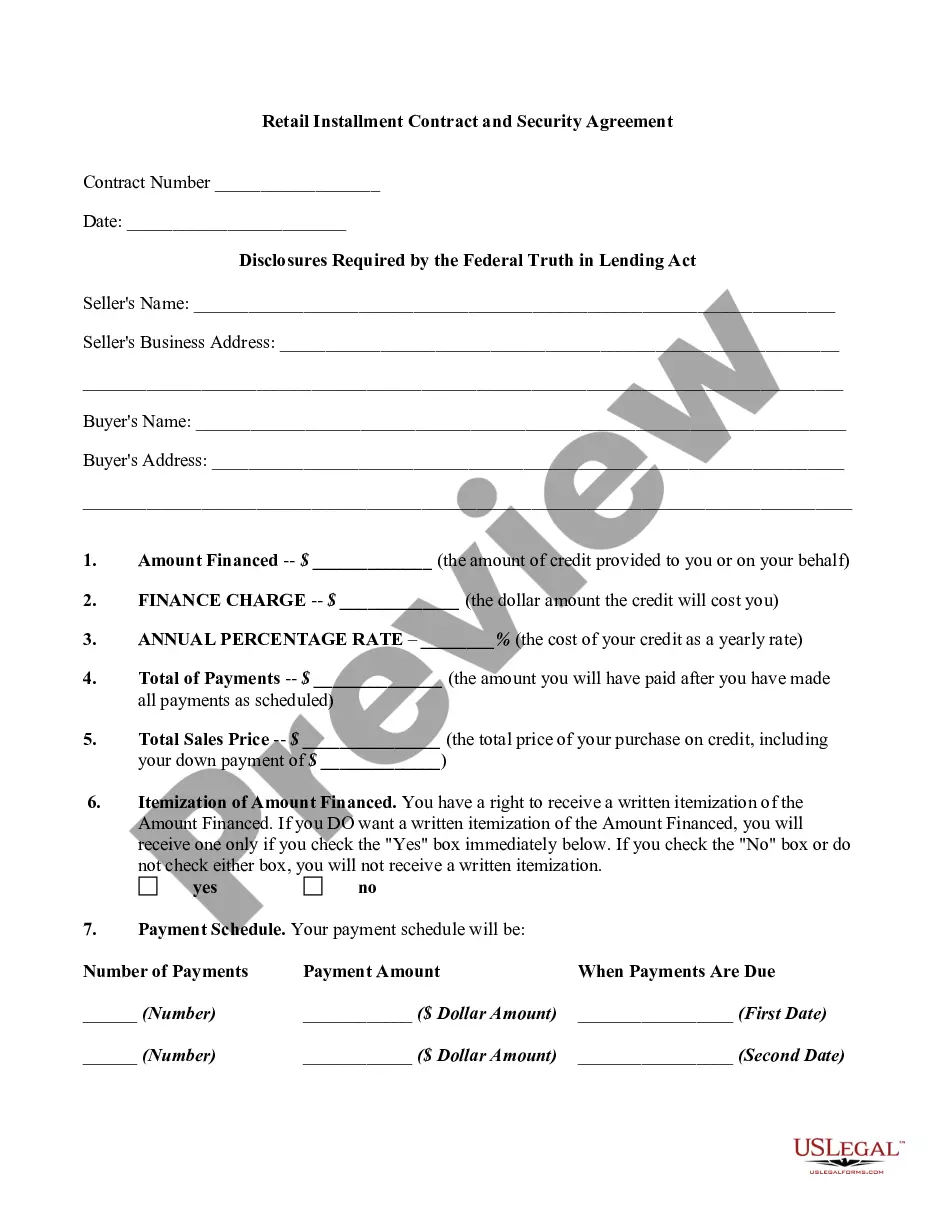
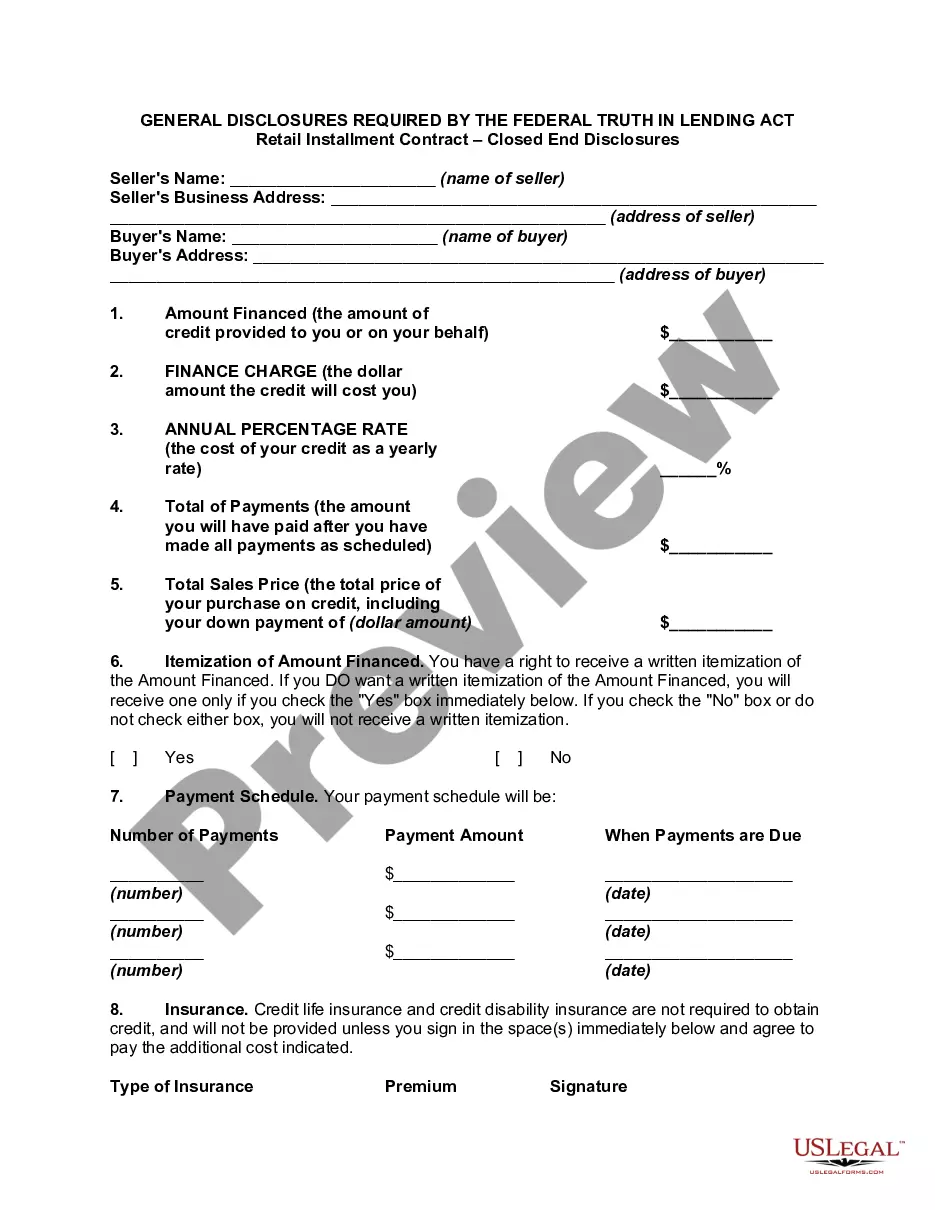
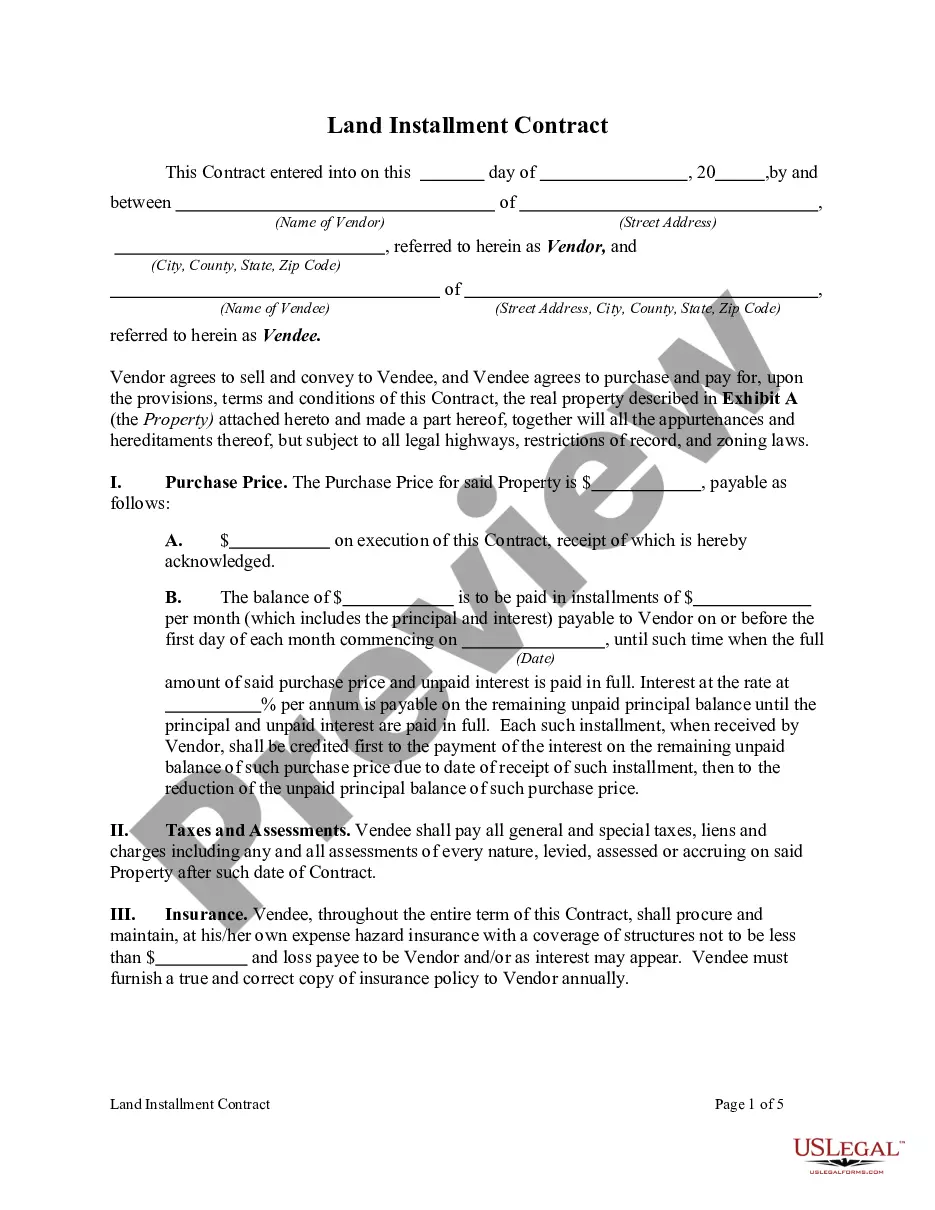
Get your form ready online
Our built-in tools help you complete, sign, share, and store your documents in one place.
Make edits, fill in missing information, and update formatting in US Legal Forms—just like you would in MS Word.
Download a copy, print it, send it by email, or mail it via USPS—whatever works best for your next step.
Sign and collect signatures with our SignNow integration. Send to multiple recipients, set reminders, and more. Go Premium to unlock E-Sign.
If this form requires notarization, complete it online through a secure video call—no need to meet a notary in person or wait for an appointment.
We protect your documents and personal data by following strict security and privacy standards.

Make edits, fill in missing information, and update formatting in US Legal Forms—just like you would in MS Word.

Download a copy, print it, send it by email, or mail it via USPS—whatever works best for your next step.

Sign and collect signatures with our SignNow integration. Send to multiple recipients, set reminders, and more. Go Premium to unlock E-Sign.

If this form requires notarization, complete it online through a secure video call—no need to meet a notary in person or wait for an appointment.

We protect your documents and personal data by following strict security and privacy standards.
Looking for another form?









Form popularity
FAQ
The taxpayer has a right to specify the particular tax liability to which the IRS will apply the 20 percent payment. Periodic payment offer – An offer is called a "periodic payment offer" under the tax law if it's payable in 6 or more monthly installments and within 24 months after the offer is accepted.
The IRS might deny a payment plan if you have incomplete tax filings, owe for multiple periods, or lack consistent compliance with tax laws.
The new option is offered online or when working with an IRS employee and is available for individuals. More than 90% of individual taxpayers with a balance due will qualify for a Simple Payment Plan. If you qualify, no collection information statement or lien determination is required.
Long-term payment plan (installment agreement): You owe $50,000 or less in combined tax, penalties and interest. You have filed all required returns.
You may qualify to apply online if: Long-term payment plan (installment agreement): You owe $50,000 or less in combined tax, penalties and interest. You have filed all required returns.
Long-term payment plan (also called an installment agreement) – For taxpayers who have a total balance less than $50,000 in combined tax, penalties and interest. They can make monthly payments for up to 72 months.
Generally, you use Form 9465 (Installment Agreement Request) to apply for an installment agreement. Then, if the IRS accepts your application, you will finalize the agreement with Form 433-D. However, in some cases, you can apply for an installment agreement using Form 433-D.
To request an installment agreement, the taxpayer must complete Form 9465. Form 9465 can be included electronically with an e-filed return or paper-filed.
What is IRS Form 433-D? It is a form taxpayers can submit to authorize a direct debit payment method for an IRS installment agreement. In other words, taxpayers leverage it to set up a direct debit installment agreement. Taxpayers generally use can initiate this direct debit method on this form or form 9465.
