Installment Contract For Deed In Fairfax
Description

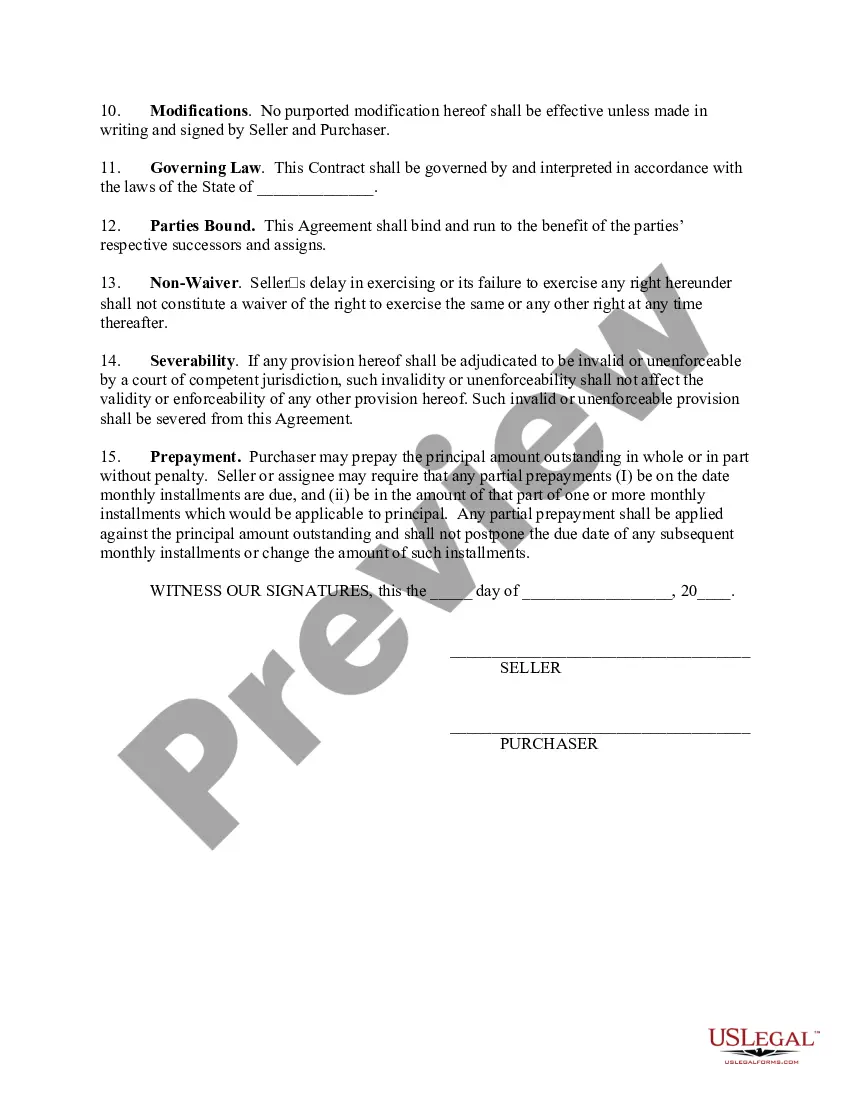
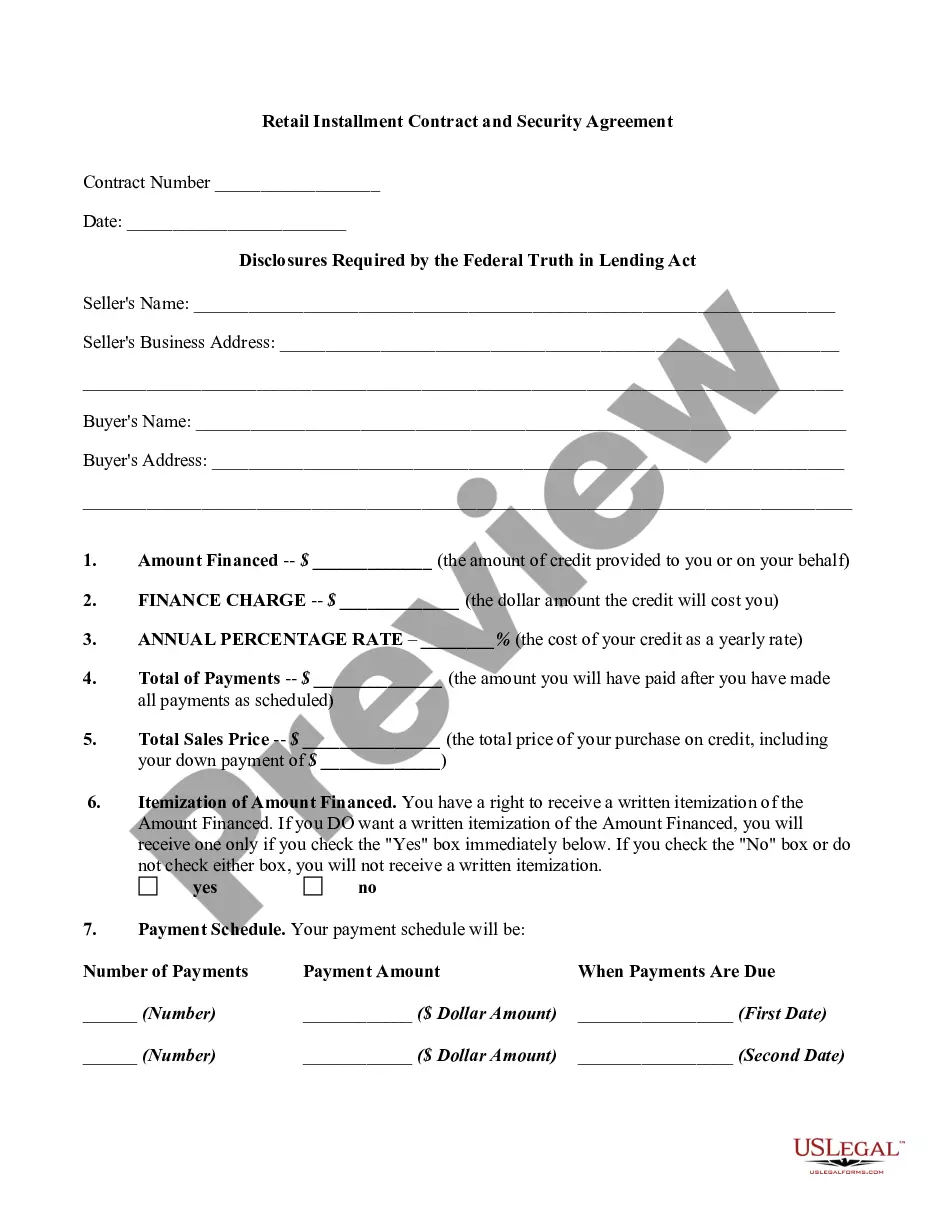
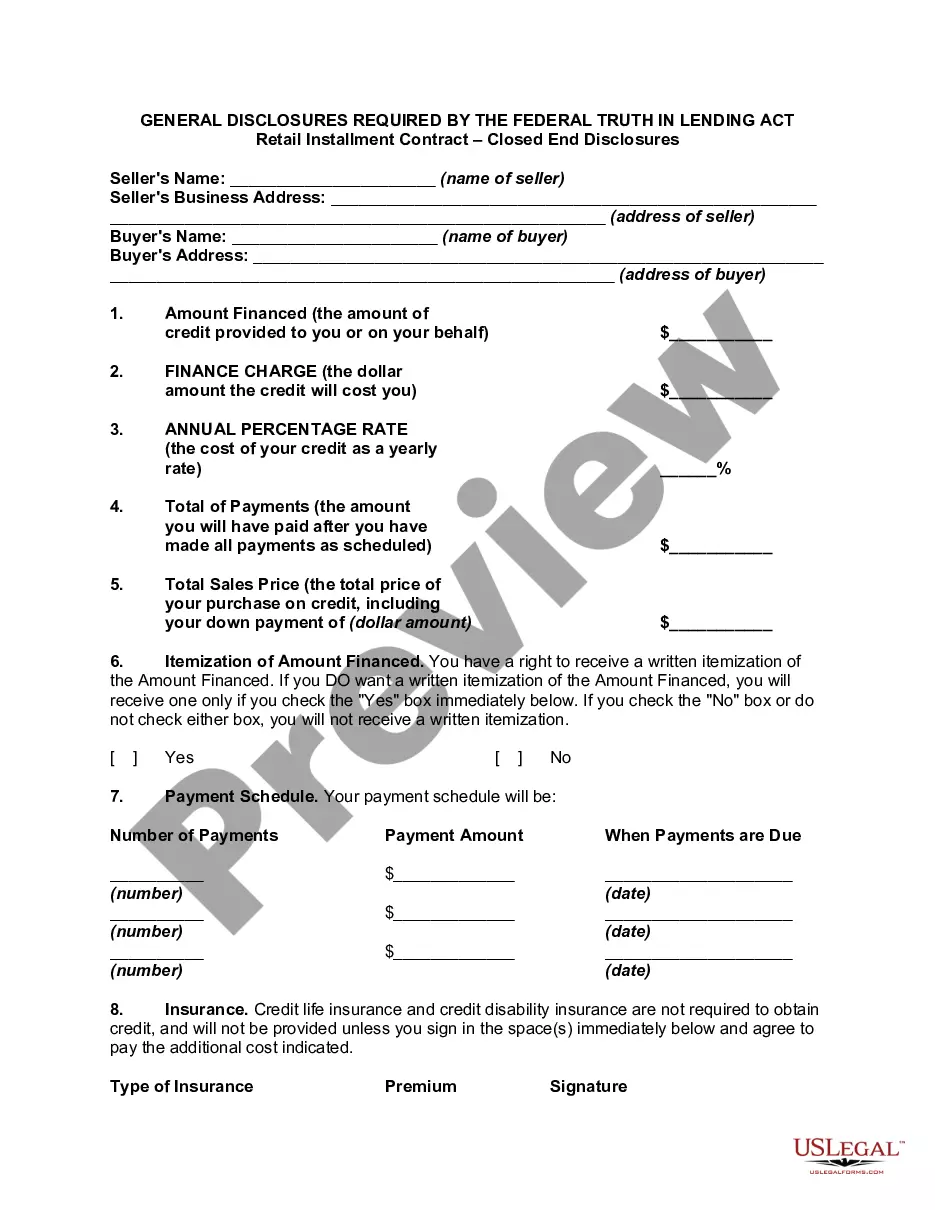
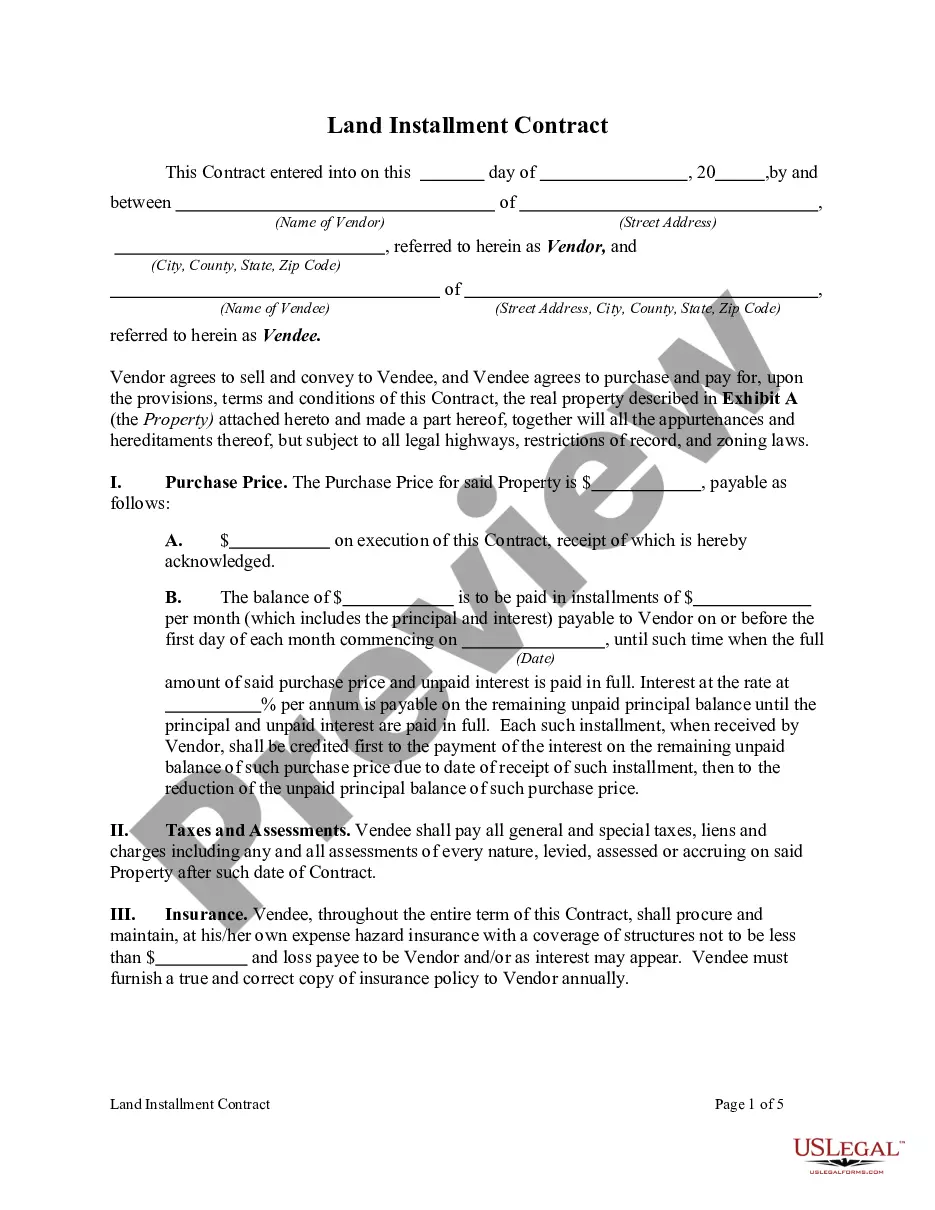
Get your form ready online
Our built-in tools help you complete, sign, share, and store your documents in one place.
Make edits, fill in missing information, and update formatting in US Legal Forms—just like you would in MS Word.
Download a copy, print it, send it by email, or mail it via USPS—whatever works best for your next step.
Sign and collect signatures with our SignNow integration. Send to multiple recipients, set reminders, and more. Go Premium to unlock E-Sign.
If this form requires notarization, complete it online through a secure video call—no need to meet a notary in person or wait for an appointment.
We protect your documents and personal data by following strict security and privacy standards.

Make edits, fill in missing information, and update formatting in US Legal Forms—just like you would in MS Word.

Download a copy, print it, send it by email, or mail it via USPS—whatever works best for your next step.

Sign and collect signatures with our SignNow integration. Send to multiple recipients, set reminders, and more. Go Premium to unlock E-Sign.

If this form requires notarization, complete it online through a secure video call—no need to meet a notary in person or wait for an appointment.

We protect your documents and personal data by following strict security and privacy standards.
Looking for another form?










Form popularity
FAQ
The biggest difference between a title and a deed is the physical component. A deed is an official written document declaring a person's legal ownership of a property, while a title is a legal concept that refers to ownership rights.
In Fairfax County and the City of Fairfax, homestead deeds are recorded in the Land Records Division of the Fairfax Circuit Court. The address of the Land Records Division is: Fairfax Circuit Court, 4110 Chain Bridge Road, Suite 317, Fairfax, VA 22030. The telephone number is 703/691-7320 (press 3, then 3).
When closing on a home, you should receive a copy of your house deed when the title is transferred to you. You can also request an additional copy at any time through your County Recorder's office or Register of Deeds office (the official name may vary by location).
So be sure to check with your county recorder's office for more. Information. Take a look at theMoreSo be sure to check with your county recorder's office for more. Information. Take a look at the links in the description below to learn more.
All deeds must be prepared by the owner of the property or by an attorney licensed to practice in Virginia.
All deeds must be prepared by the owner of the property or by an attorney licensed to practice in Virginia. The requirements are listed below in the code section. Click here to read about e-Recording.
Yes, you can make your own Grant Deed. A lawyer is not required to prepare a valid and enforceable deed.
May I make out my own deed? Yes you may, however, we always recommend consulting an attorney regarding property transfers and changes, because minor changes in the wording of the document can completely change the legal meaning of the document.
Several easy-to-follow steps are required to create a Virginia deed: Locate the most recent deed to the property. Create the new deed. Sign and notarize the new deed. Record the deed in the land records of the clerk's office of the circuit court in the jurisdiction where the property is located.