Installment Contract For Deed In Broward
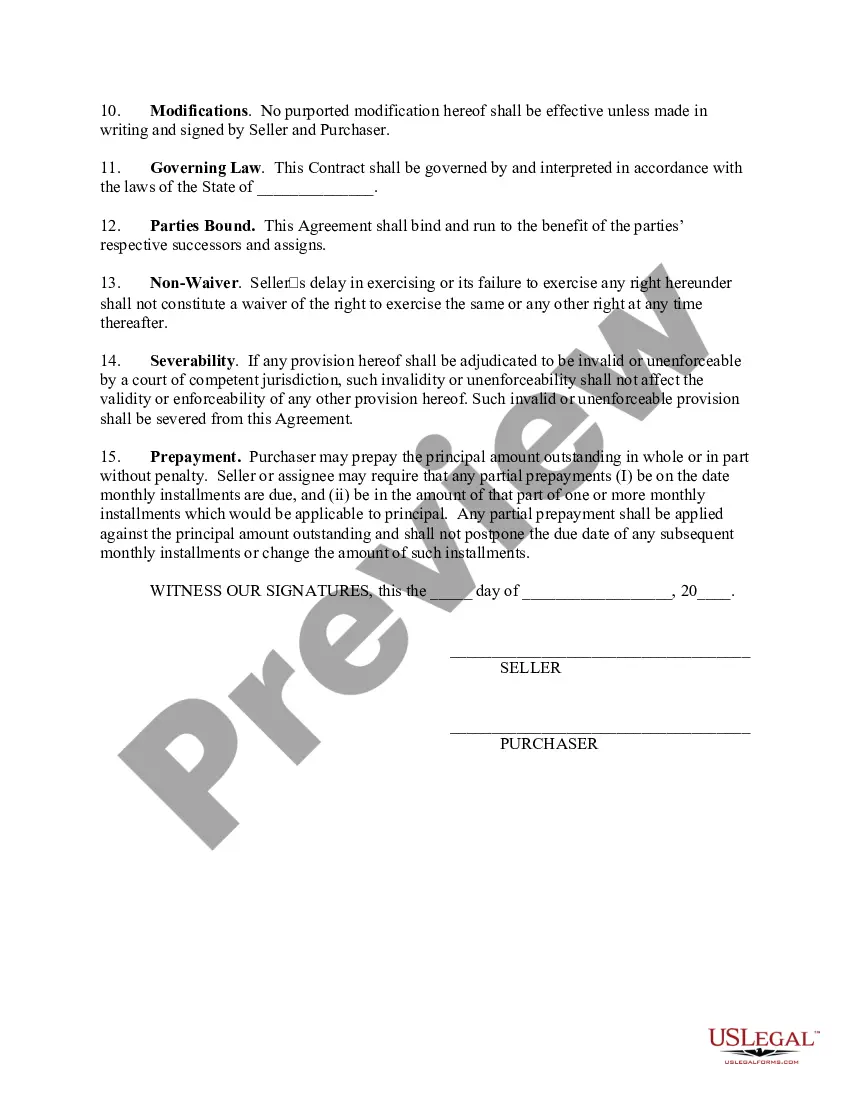
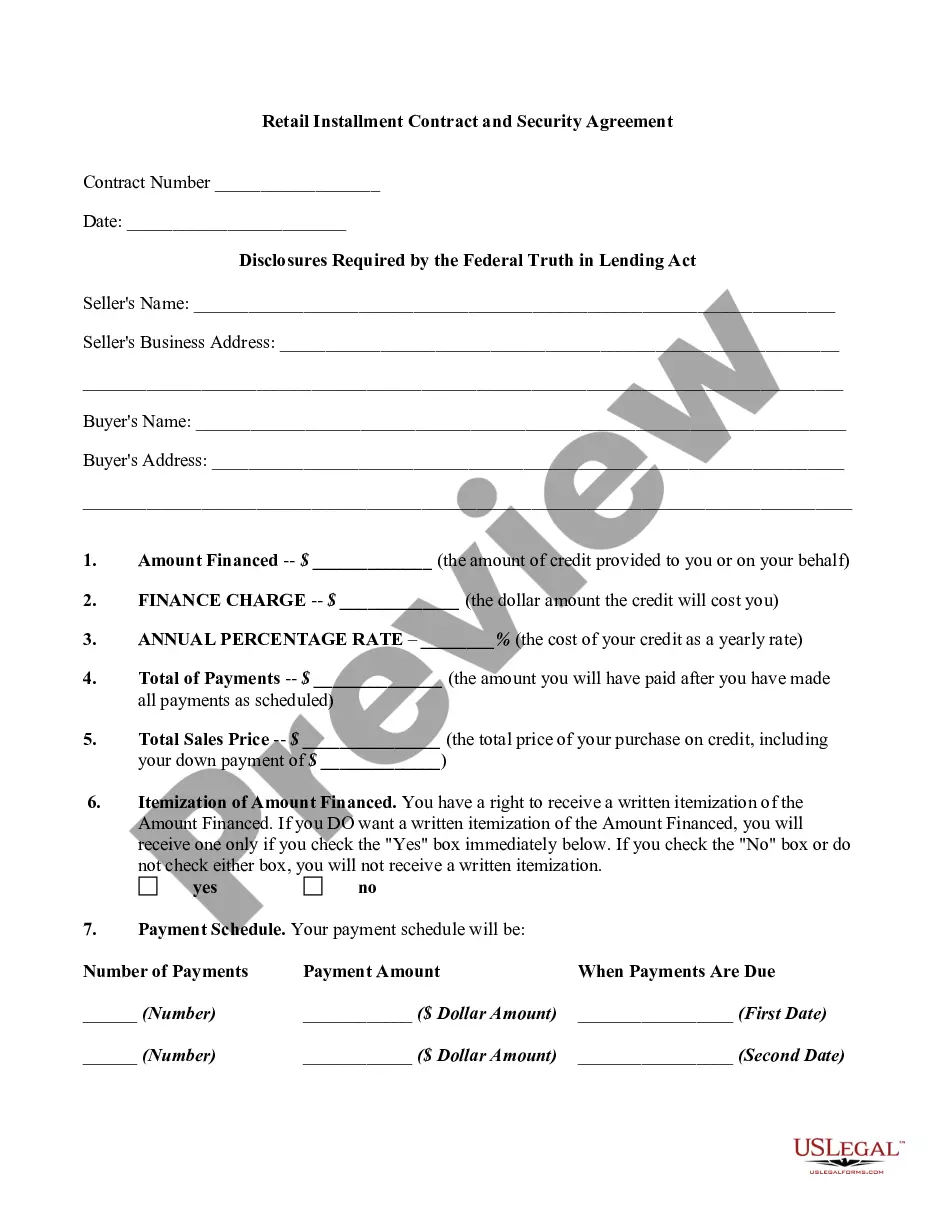
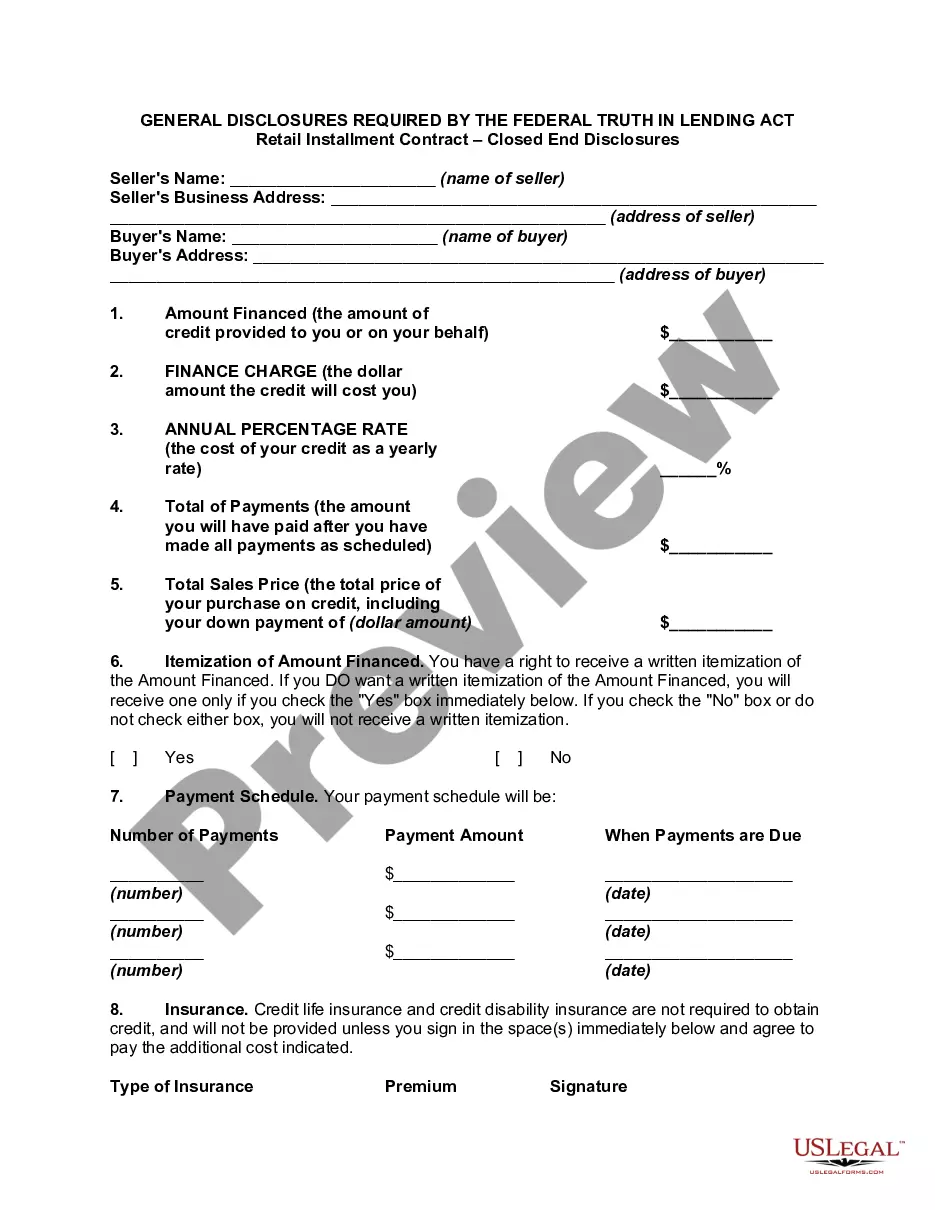
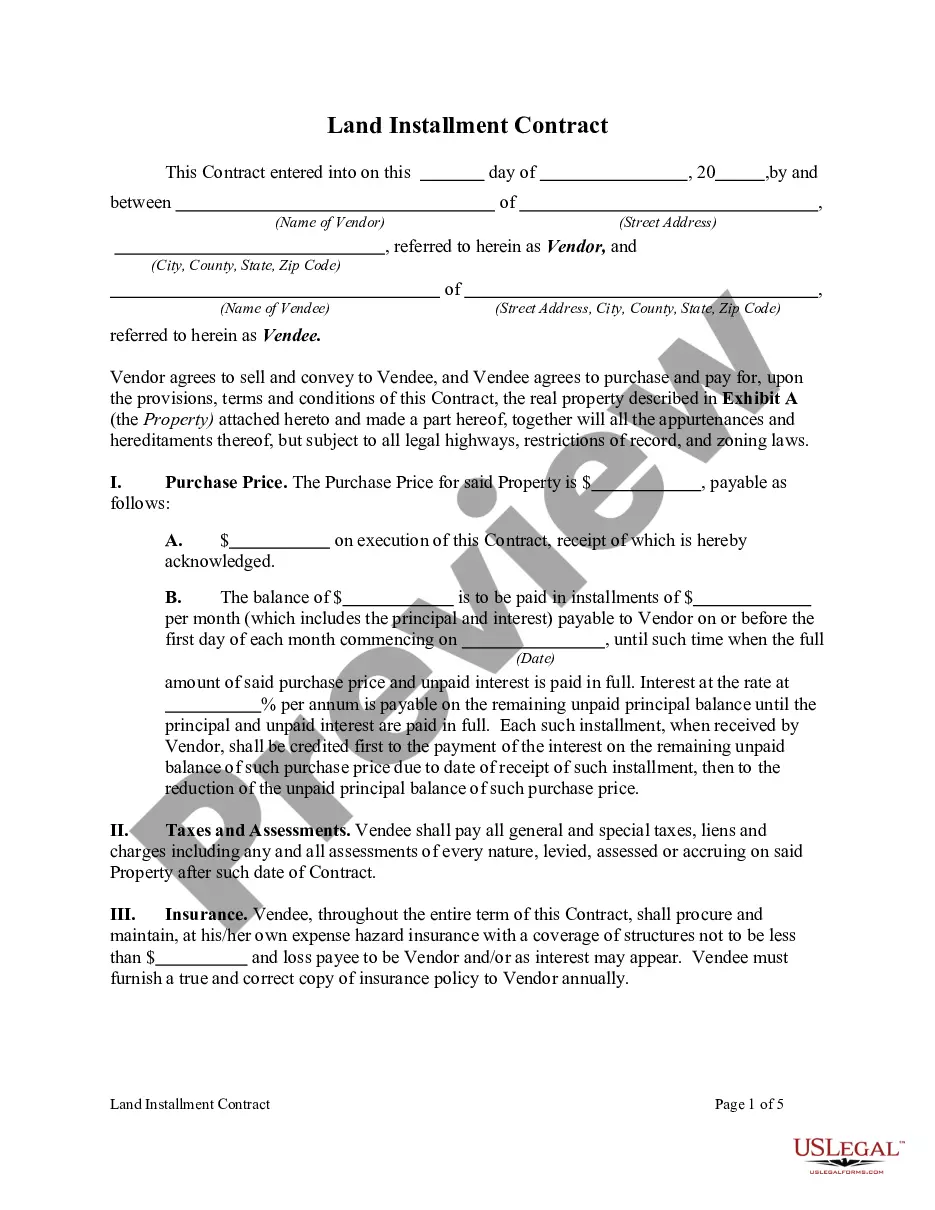
Description

Get your form ready online
Our built-in tools help you complete, sign, share, and store your documents in one place.
Make edits, fill in missing information, and update formatting in US Legal Forms—just like you would in MS Word.
Download a copy, print it, send it by email, or mail it via USPS—whatever works best for your next step.
Sign and collect signatures with our SignNow integration. Send to multiple recipients, set reminders, and more. Go Premium to unlock E-Sign.
If this form requires notarization, complete it online through a secure video call—no need to meet a notary in person or wait for an appointment.
We protect your documents and personal data by following strict security and privacy standards.

Make edits, fill in missing information, and update formatting in US Legal Forms—just like you would in MS Word.

Download a copy, print it, send it by email, or mail it via USPS—whatever works best for your next step.

Sign and collect signatures with our SignNow integration. Send to multiple recipients, set reminders, and more. Go Premium to unlock E-Sign.

If this form requires notarization, complete it online through a secure video call—no need to meet a notary in person or wait for an appointment.

We protect your documents and personal data by following strict security and privacy standards.
Looking for another form?






Form popularity
FAQ
Conclusion. The Florida contract for deed presents a viable alternative for real estate transactions, offering unique opportunities and challenges for buyers and sellers. By understanding the legal framework, benefits, and risks associated with this method, parties can navigate the process more effectively.
These laws mandate that all Contracts for Deed must be in writing, include the signatures of all parties involved, and be recorded in the county where the property is located. This ensures the agreement is legally binding and provides public notice of the buyer's equitable interest in the property.
The main advantage of this type of transaction involves avoiding the usual costs associated with obtaining financing from a bank or other lender, such as closing costs and fees. However, it is easy for a contract for deed to go poorly and end up hurting the homebuyer financially.