Work Labor Law With Example In New York
Description
















Get your form ready online
Our built-in tools help you complete, sign, share, and store your documents in one place.
Make edits, fill in missing information, and update formatting in US Legal Forms—just like you would in MS Word.
Download a copy, print it, send it by email, or mail it via USPS—whatever works best for your next step.
Sign and collect signatures with our SignNow integration. Send to multiple recipients, set reminders, and more. Go Premium to unlock E-Sign.
If this form requires notarization, complete it online through a secure video call—no need to meet a notary in person or wait for an appointment.
We protect your documents and personal data by following strict security and privacy standards.

Make edits, fill in missing information, and update formatting in US Legal Forms—just like you would in MS Word.

Download a copy, print it, send it by email, or mail it via USPS—whatever works best for your next step.

Sign and collect signatures with our SignNow integration. Send to multiple recipients, set reminders, and more. Go Premium to unlock E-Sign.

If this form requires notarization, complete it online through a secure video call—no need to meet a notary in person or wait for an appointment.

We protect your documents and personal data by following strict security and privacy standards.
Looking for another form?

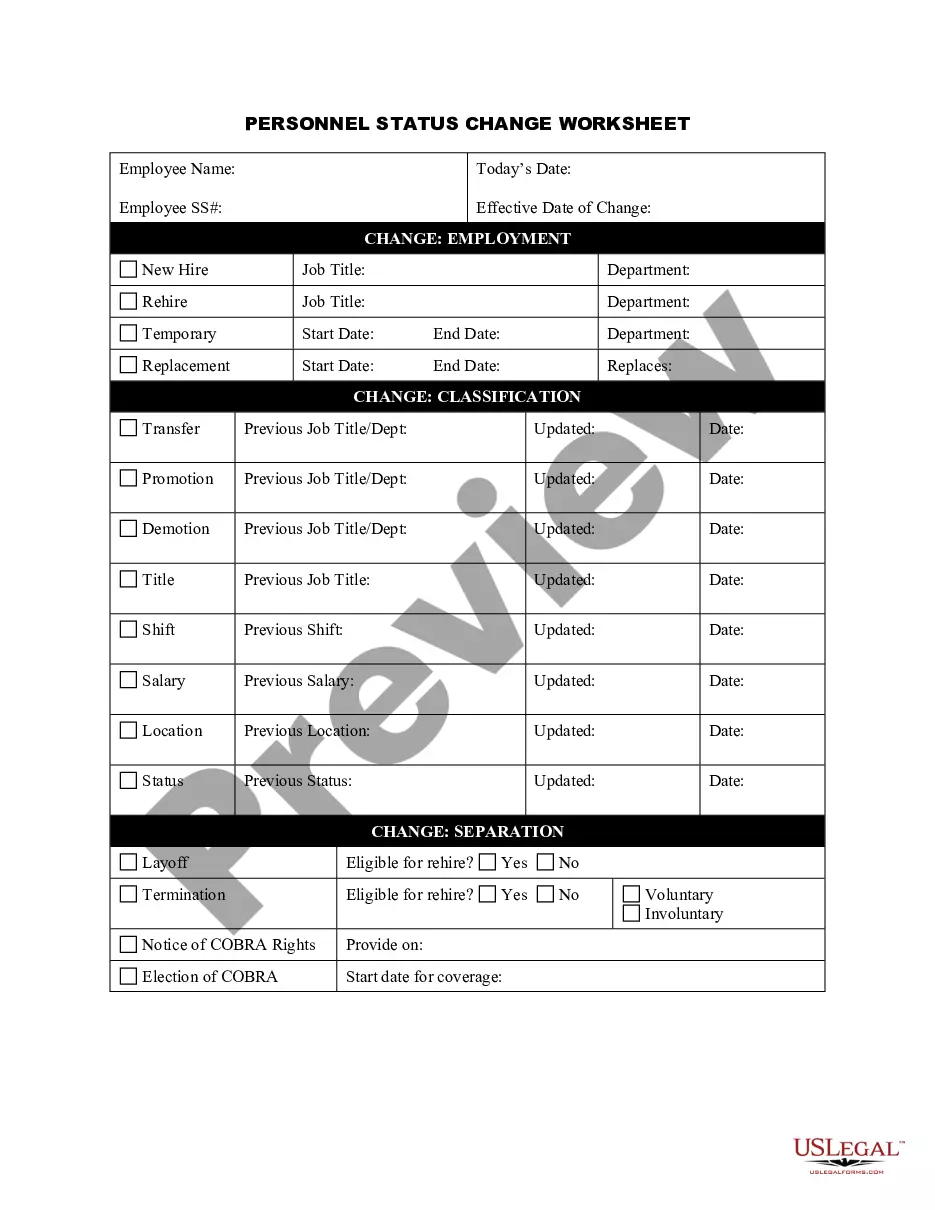


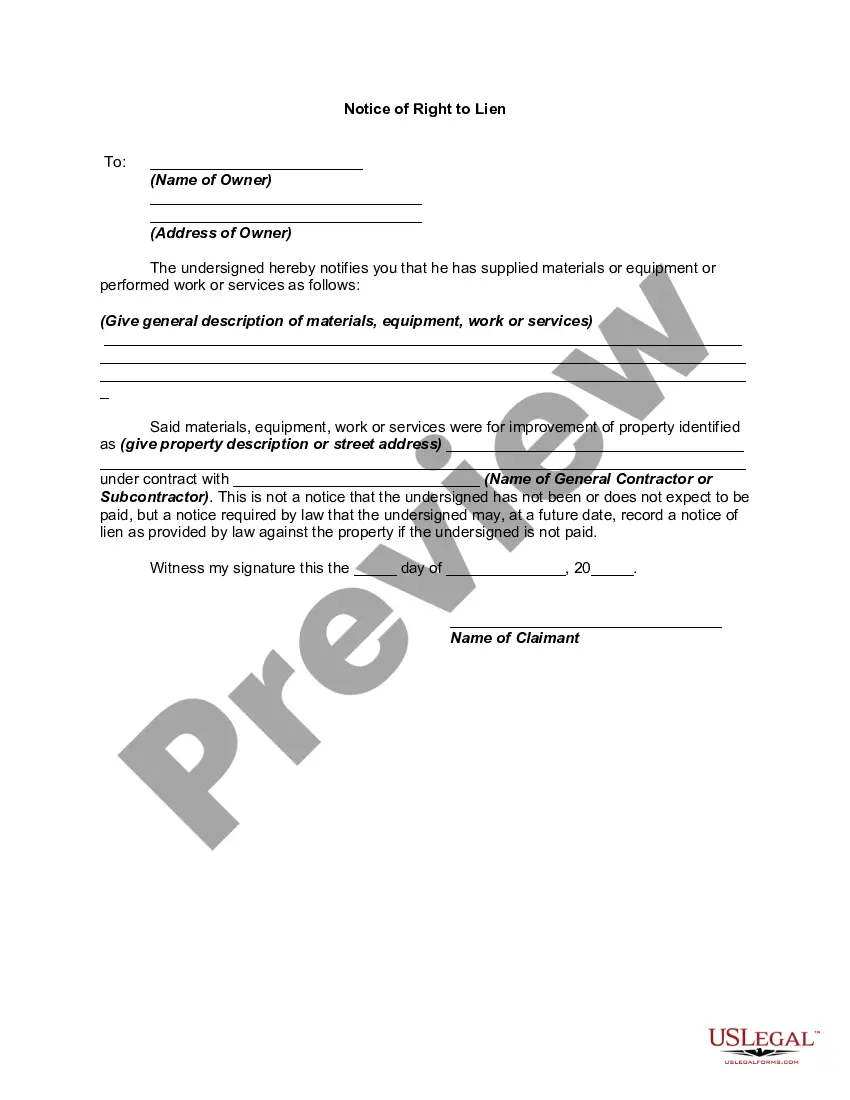


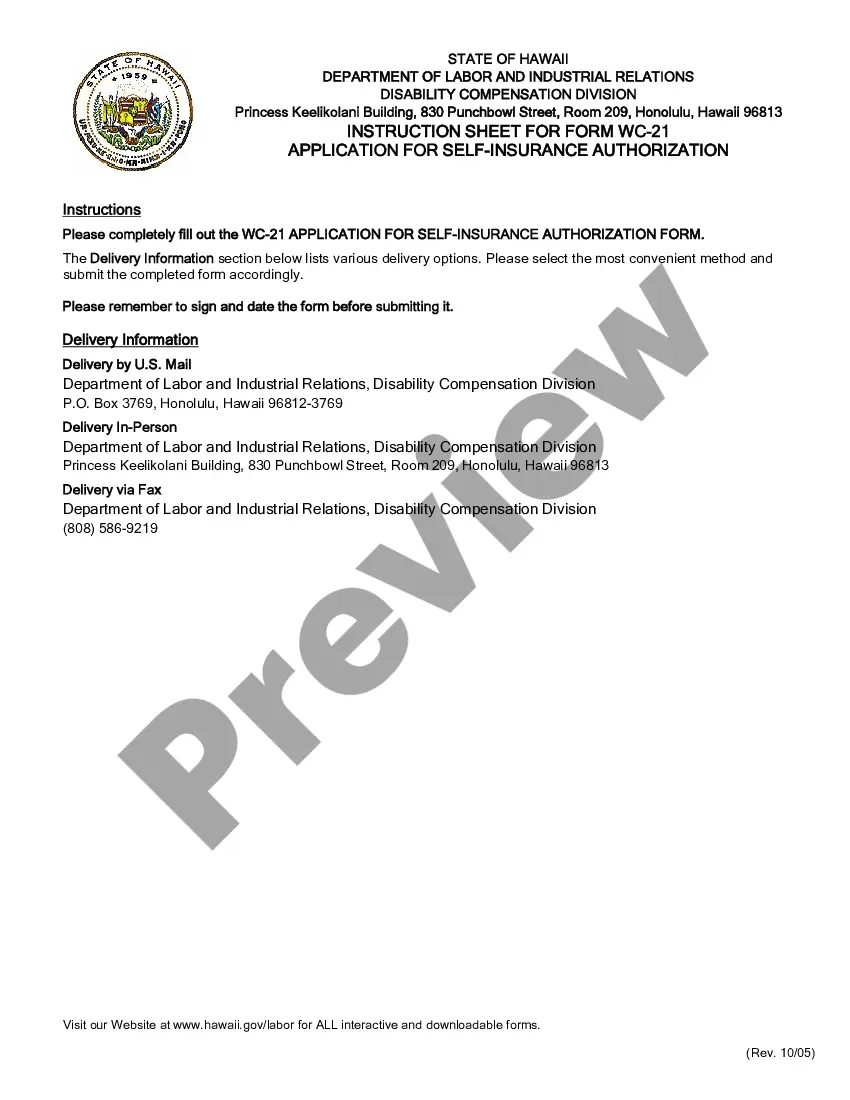


Form popularity
FAQ
Graduate with a very good to great GPA; (3) apply to an ABA-accredited law school, and complete the 3-year program (4 years if evening) with a great understanding of the law. Focus on electives that touch labor law topics; (4) take the bar exam as many times as necessary to pass it.
The Department of Labor helps collect wages owed to workers who have not received the minimum wage, once they file a claim with us. Labor Standards investigates and endeavors to collect on claims for: Unpaid wages. Withheld wages. Illegal deductions.
Labor Law Coverage falls under a contractor's General Liability Coverage. This coverage helps protect and defend employers if an accident occurs. Lower risk industries will usually have labor law coverage included in its general liability policy but higher risk industries like roofers, will not.
The 7-minute rule in New York State refers to how employers round time when calculating work hours. Employers may round an employee's time to the nearest 15-minute interval.
In New York, the new hire paperwork collection looks similar to that of other states: I-9 employment eligibility verification form (not required for volunteers, independent contractors, or unpaid interns) W-4 federal tax collection form. IT-2104 New York state tax withholding form.
The Department of Labor helps collect wages owed to workers who have not received the minimum wage, once they file a claim with us. Labor Standards investigates and endeavors to collect on claims for: Unpaid wages. Withheld wages.
The Department of Labor helps collect wages owed to workers who have not received the minimum wage, once they file a claim with us. Labor Standards investigates and endeavors to collect on claims for: Unpaid wages. Withheld wages. Illegal deductions.
New York City's Labor Law 200, applying to laborers such as construction workers, describes the duty of employers and construction site owners “to protect the health and safety of employees” by assuring them of “reasonable and adequate protection” for any type of work they have been hired to perform.
"Employee" means any person employed for hire by an employer in any employment. 3. "Employer" includes any person, corporation, limited liability company, or association employing any individual in any occupation, industry, trade, business or service. The term "employer" shall not include a governmental agency.
