Labor Code In California In Michigan
Description
















Get your form ready online
Our built-in tools help you complete, sign, share, and store your documents in one place.
Make edits, fill in missing information, and update formatting in US Legal Forms—just like you would in MS Word.
Download a copy, print it, send it by email, or mail it via USPS—whatever works best for your next step.
Sign and collect signatures with our SignNow integration. Send to multiple recipients, set reminders, and more. Go Premium to unlock E-Sign.
If this form requires notarization, complete it online through a secure video call—no need to meet a notary in person or wait for an appointment.
We protect your documents and personal data by following strict security and privacy standards.

Make edits, fill in missing information, and update formatting in US Legal Forms—just like you would in MS Word.

Download a copy, print it, send it by email, or mail it via USPS—whatever works best for your next step.

Sign and collect signatures with our SignNow integration. Send to multiple recipients, set reminders, and more. Go Premium to unlock E-Sign.

If this form requires notarization, complete it online through a secure video call—no need to meet a notary in person or wait for an appointment.

We protect your documents and personal data by following strict security and privacy standards.
Looking for another form?

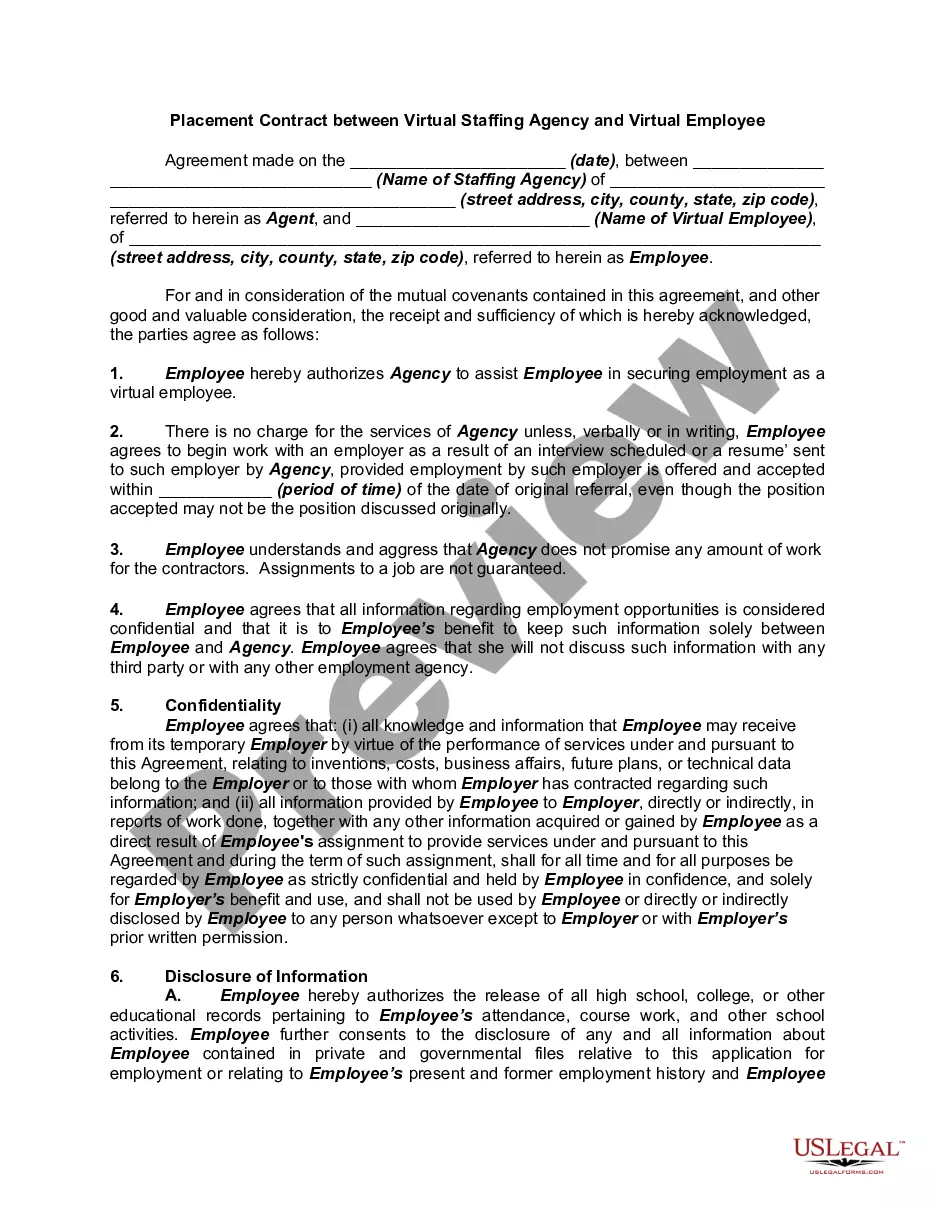

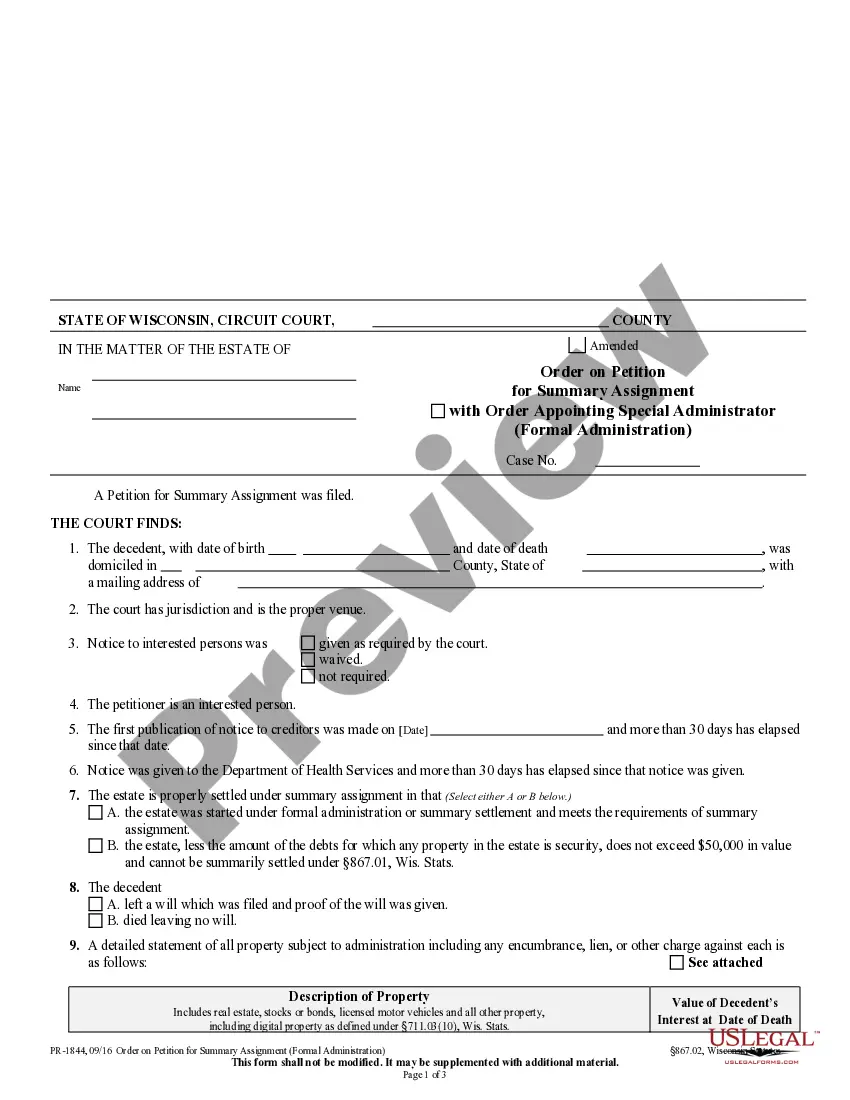






Form popularity
FAQ
Contrary to Oracle's assertions, the California Labor Code is clearly intended to apply to work done in California by nonresidents. The California Supreme Court has concluded that California's employment laws govern all work performed within the state, regardless of the residence or domicile of the worker.
The most common types of employment forms to complete are: W-4 form (or W-9 for contractors) I-9 Employment Eligibility Verification form. State Tax Withholding form.
Forms to obtain information from payees: Form I-9, Employment Eligibility Verification PDF. Form W-4, Employee's Withholding Certificate. Form W-4P, Withholding Certificate for Pension or Annuity Payments. Form W-9, Request for Taxpayer Identification Number and Certification.
All workers have rights on the job. In California, workers are protected by labor laws. It does not matter where you were born or what your legal status is. Once you are hired, you have rights.
Yes. However, many provisions of the Labor Code and most sections of the IWC Wage Orders do not apply to public employees. (See, e.g., Johnson v. Arvin-Edison Water Storage District (2009) 174 Cal.
The Professional Exemption sets out eight specific professions (law, medicine, dentistry, optometry, architecture, engineering, teaching, and accounting) that are exempt from the first 12 sections of the Wage Orders. It also addresses certain other professions, including nurses, pharmacists and software coders.
Michigan Right to Work Repeal In April 2024, the Michigan Legislature's repeal of the state's 2013 right-to-work bill went into effect. For private employees, this means that employment can be conditioned on whether the employee pays union dues or service fees. The repeal does not affect public employees.
