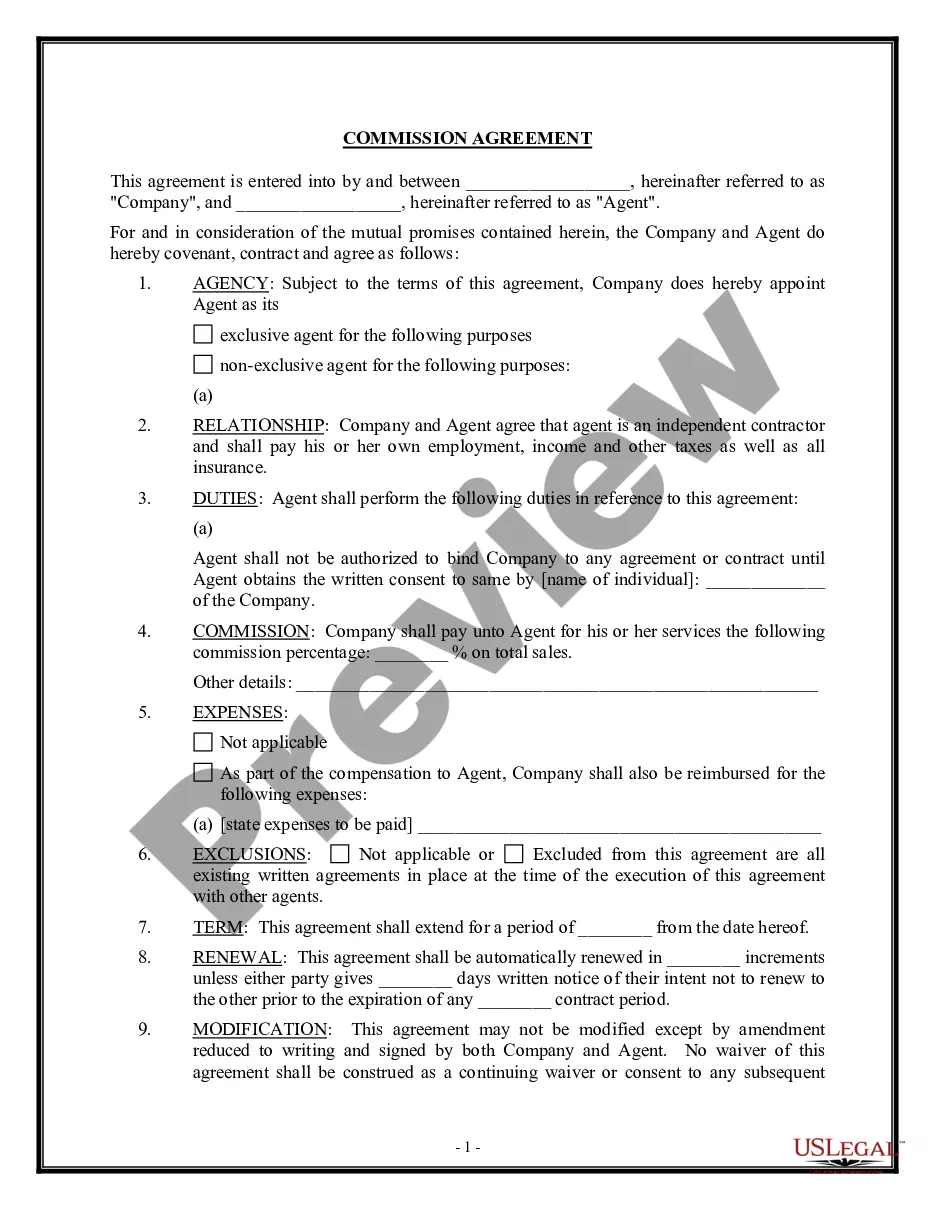
Work Labor Law For Overtime In Los Angeles
Description
















Get your form ready online
Our built-in tools help you complete, sign, share, and store your documents in one place.
Make edits, fill in missing information, and update formatting in US Legal Forms—just like you would in MS Word.
Download a copy, print it, send it by email, or mail it via USPS—whatever works best for your next step.
Sign and collect signatures with our SignNow integration. Send to multiple recipients, set reminders, and more. Go Premium to unlock E-Sign.
If this form requires notarization, complete it online through a secure video call—no need to meet a notary in person or wait for an appointment.
We protect your documents and personal data by following strict security and privacy standards.

Make edits, fill in missing information, and update formatting in US Legal Forms—just like you would in MS Word.

Download a copy, print it, send it by email, or mail it via USPS—whatever works best for your next step.

Sign and collect signatures with our SignNow integration. Send to multiple recipients, set reminders, and more. Go Premium to unlock E-Sign.

If this form requires notarization, complete it online through a secure video call—no need to meet a notary in person or wait for an appointment.

We protect your documents and personal data by following strict security and privacy standards.
Looking for another form?
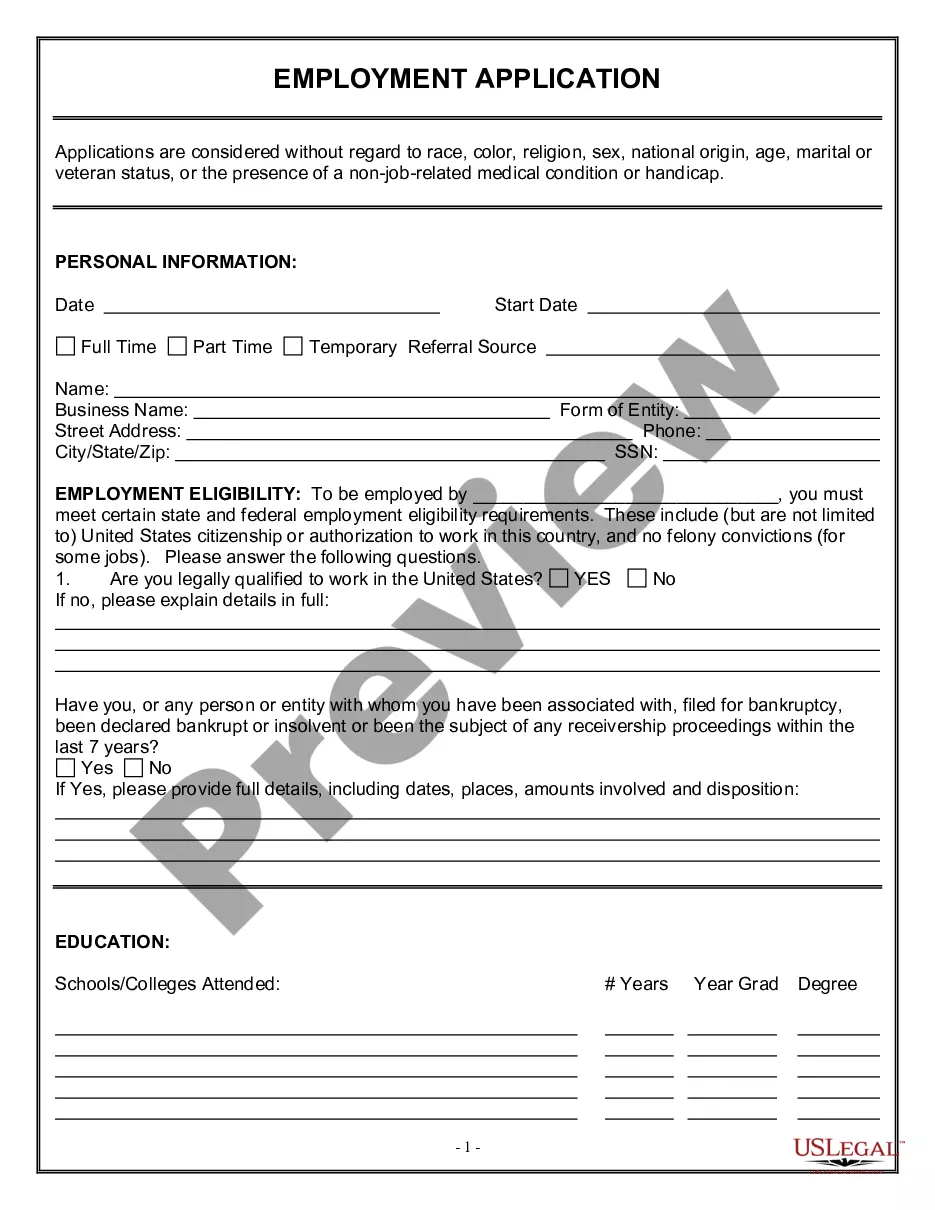








Form popularity
FAQ
Special Overtime Rules Under the IWC Wage Orders No overtime required for a regular schedule of not more than 10 hours per workday within a 40-hour workweek.
Alternative Work-Week Schedule. Regular, non-health care employees, are permitted, in California, to work four 10-hour shifts as a regular schedule. These employees will not earn daily overtime for those first 10 hours. This means that employees and employers can come to an agreement to create an alternative workweek.
A look at overtime laws by state StateDaily OT thresholdWeekly OT threshold California 8 hours (1.5x) / 12 hours (2x) 40 hours (1.5x) Colorado 12 hours (1.5x) 40 hours (1.5x) Connecticut – 40 hours (1.5x) Delaware – 40 hours (1.5x)46 more rows •
Regular, non-health care employees, are permitted, in California, to work four 10-hour shifts as a regular schedule. These employees will not earn daily overtime for those first 10 hours. This means that employees and employers can come to an agreement to create an alternative workweek.
Common examples of alternative workweek schedules are the 4/10 (employees work four 10-hour days in a workweek) or the 9/80 (employees work 80 hours in nine days over two workweeks). The impetus for proposing an alternative workweek schedule may be based on business needs or on requests from employees.
Briefly explain the reason for the overtime request so they understand the context. Acknowledge that it may require flexibility on your part and express willingness to discuss scheduling. Close politely and offer to discuss further if needed. The tone should be respectful, appreciative, and flexible.
If the employee worked more than 40 hours in the workweek, weekly overtime hours are calculated as total hours minus 40. For example, 44 total hours - 40 = 4 hours of weekly overtime due.
California has regulations for OT over 8 hours in a day, and then additional for the 7th consecutive day. ( ).
If you wish to report a widespread violation of labor law by your employer or a violation affecting multiple employees, please contact LETF via phone, online lead referral form or email: Call the LETF Public hotline anytime: 855 297 5322. Complete the Online Form / Spanish Form. Email us at letf@dir.ca.
If you need help with this, give us a call at (213) 992-3299. We can ensure your complaints are filed with the correct DLSE office. After your complaint is filed, you will receive a notice of conference from the labor board, typically in 3 to 12 months.