Labor Law For Employment In Clark
Description
















Get your form ready online
Our built-in tools help you complete, sign, share, and store your documents in one place.
Make edits, fill in missing information, and update formatting in US Legal Forms—just like you would in MS Word.
Download a copy, print it, send it by email, or mail it via USPS—whatever works best for your next step.
Sign and collect signatures with our SignNow integration. Send to multiple recipients, set reminders, and more. Go Premium to unlock E-Sign.
If this form requires notarization, complete it online through a secure video call—no need to meet a notary in person or wait for an appointment.
We protect your documents and personal data by following strict security and privacy standards.

Make edits, fill in missing information, and update formatting in US Legal Forms—just like you would in MS Word.

Download a copy, print it, send it by email, or mail it via USPS—whatever works best for your next step.

Sign and collect signatures with our SignNow integration. Send to multiple recipients, set reminders, and more. Go Premium to unlock E-Sign.

If this form requires notarization, complete it online through a secure video call—no need to meet a notary in person or wait for an appointment.

We protect your documents and personal data by following strict security and privacy standards.
Looking for another form?


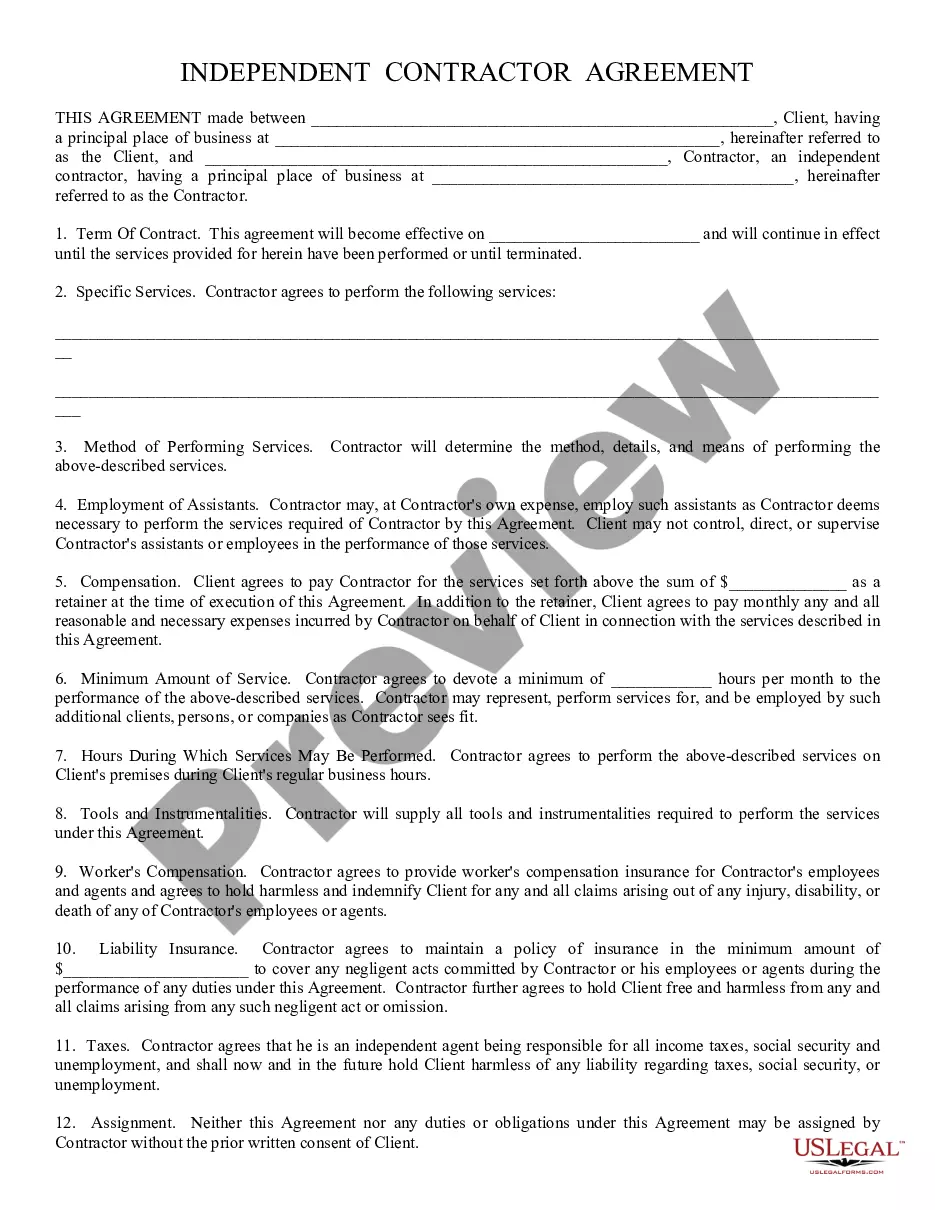





Form popularity
FAQ
Presently, no OSHA standard to regulate extended and unusual shifts in the workplace exists. A work period of eight consecutive hours over five days with at least eight hours of rest in between shifts defines a standard shift. Any shift that goes beyond this standard is considered to be extended or unusual.
Labor law primarily deals with the relationship between employers and unions . The goal of labor laws is to equalize the bargaining power, or influence negotiations between employers and employees.
Many people become employment lawyers or join the employment law field to help people. Those in this area often have the power to solve issues, help clients overcome challenges, support employee well-being and protect the rights of team members in various industries.
The law says you are protected when you: Speak up about wages that are owed to you • Report an injury or a health and safety hazard • File a claim or complaint with a state agency • Join together with other workers to ask for changes.
Labor law topics include union membership, union dues, and collective bargaining agreements. Employment law covers a broader set of employment issues beyond labor union relations and collective bargaining. Employment law topics include hours, wages, overtime, hiring practices, workplace discrimination, and retaliation.
Many investigations are initiated by complaints, which are confidential. The name of the complainant, the nature of the complaint, and whether a complaint exists may not be disclosed.
An employee may file a complaint with the Office of the Labor Commissioner if they believe that a Nevada Revised Statute or Administrative Code is being violated by an employer. The difference between a Complaint and a Wage Claim is that usually when a Complaint is filed, there are no wages due.
An investigation consists of the following steps: Examination of records to determine which laws or exemptions apply. These records include, for example, those showing the employer's annual dollar volume of business transactions, involvement in interstate commerce, and work on government contracts.
DOL audits can be triggered by negligence or mistakes on your part, or because your plan falls within one of the areas in which the DOL is focusing its investigative efforts. projects, which focus investigative resources on certain issues.
Employers should keep in mind that the U.S. Department of Labor (DOL) can audit employers at any time, although the most common reason for an audit is a complaint from an employee.
