Employment Law Examples In Clark
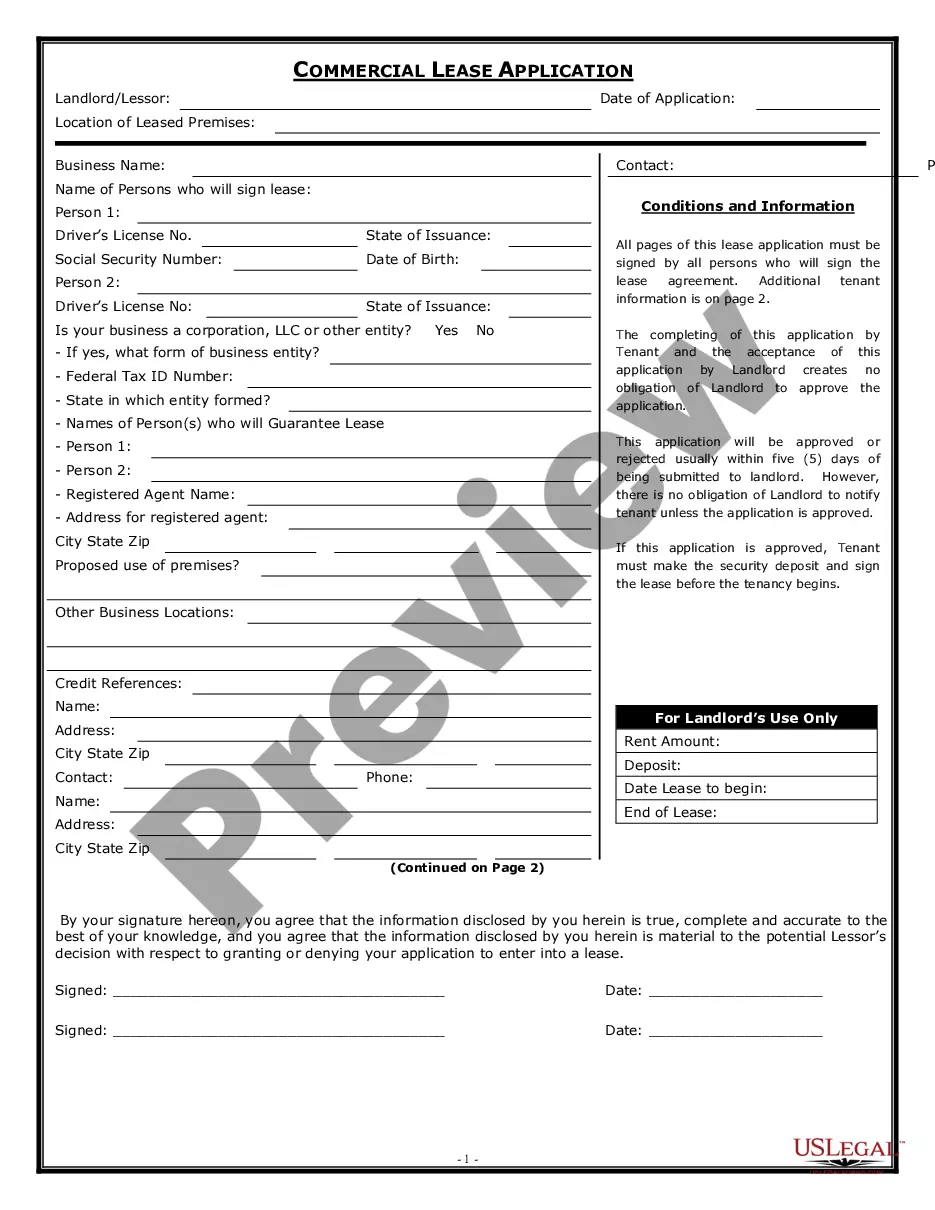
Description
















Get your form ready online
Our built-in tools help you complete, sign, share, and store your documents in one place.
Make edits, fill in missing information, and update formatting in US Legal Forms—just like you would in MS Word.
Download a copy, print it, send it by email, or mail it via USPS—whatever works best for your next step.
Sign and collect signatures with our SignNow integration. Send to multiple recipients, set reminders, and more. Go Premium to unlock E-Sign.
If this form requires notarization, complete it online through a secure video call—no need to meet a notary in person or wait for an appointment.
We protect your documents and personal data by following strict security and privacy standards.

Make edits, fill in missing information, and update formatting in US Legal Forms—just like you would in MS Word.

Download a copy, print it, send it by email, or mail it via USPS—whatever works best for your next step.

Sign and collect signatures with our SignNow integration. Send to multiple recipients, set reminders, and more. Go Premium to unlock E-Sign.

If this form requires notarization, complete it online through a secure video call—no need to meet a notary in person or wait for an appointment.

We protect your documents and personal data by following strict security and privacy standards.
Looking for another form?





Form popularity
FAQ
Employment law provides protections against discrimination, harassment, unsafe working conditions, and ensures fair compensation. Employees are entitled to a safe workplace, protection from unjust dismissal, and the right to report violations without fear of retaliation.
Employment law governs every detail of the relationship between employee and employer. It is designed to protect employees and their employers through regulations that guarantee workplace safety, protect against child labor, ensure a fair and equitable hiring process, and address family and medical leave.
There are many major labor laws in the United States. The Fair Labor Standards Act, Occupational Safety and Health Act, Family and Medical Leave Act, and part of the Civil Rights act are all important standards of labor law.
Can California Employees be held Personally Liable for Violations of Employment Laws? Generally, employees can be held personally liable for conduct that is outside the scope of their employment.
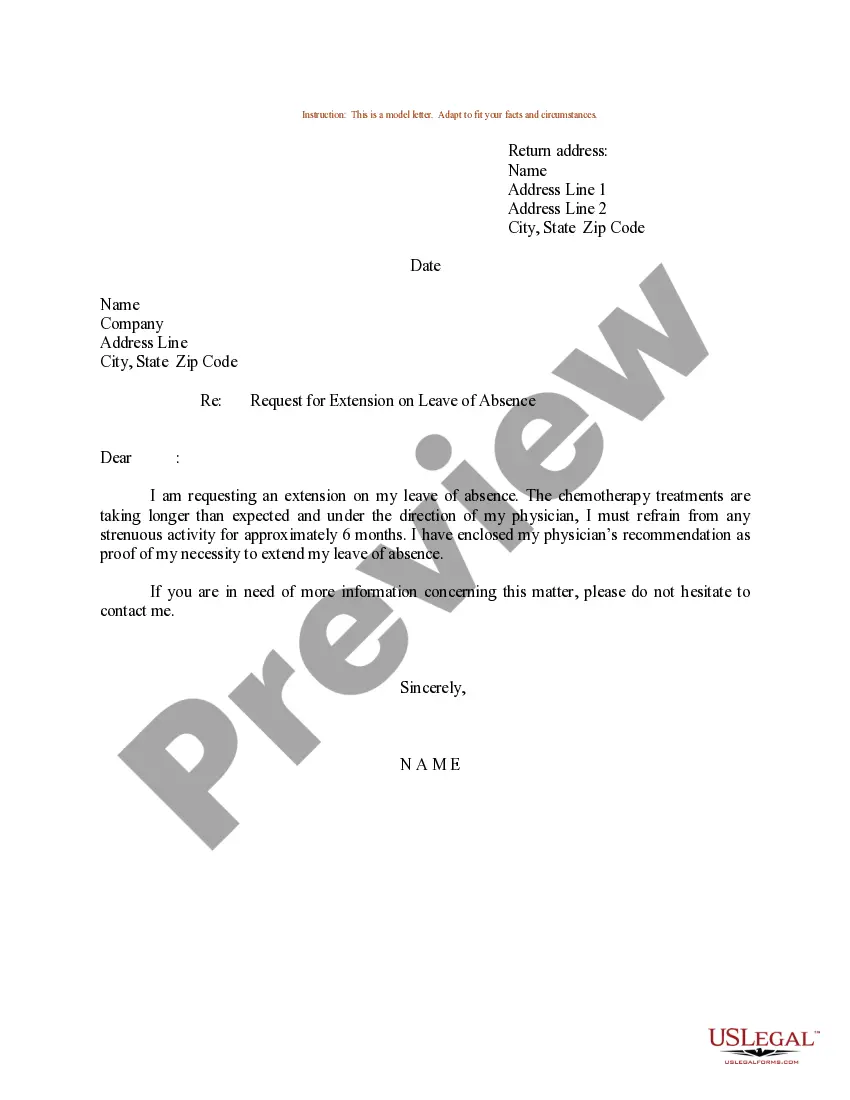
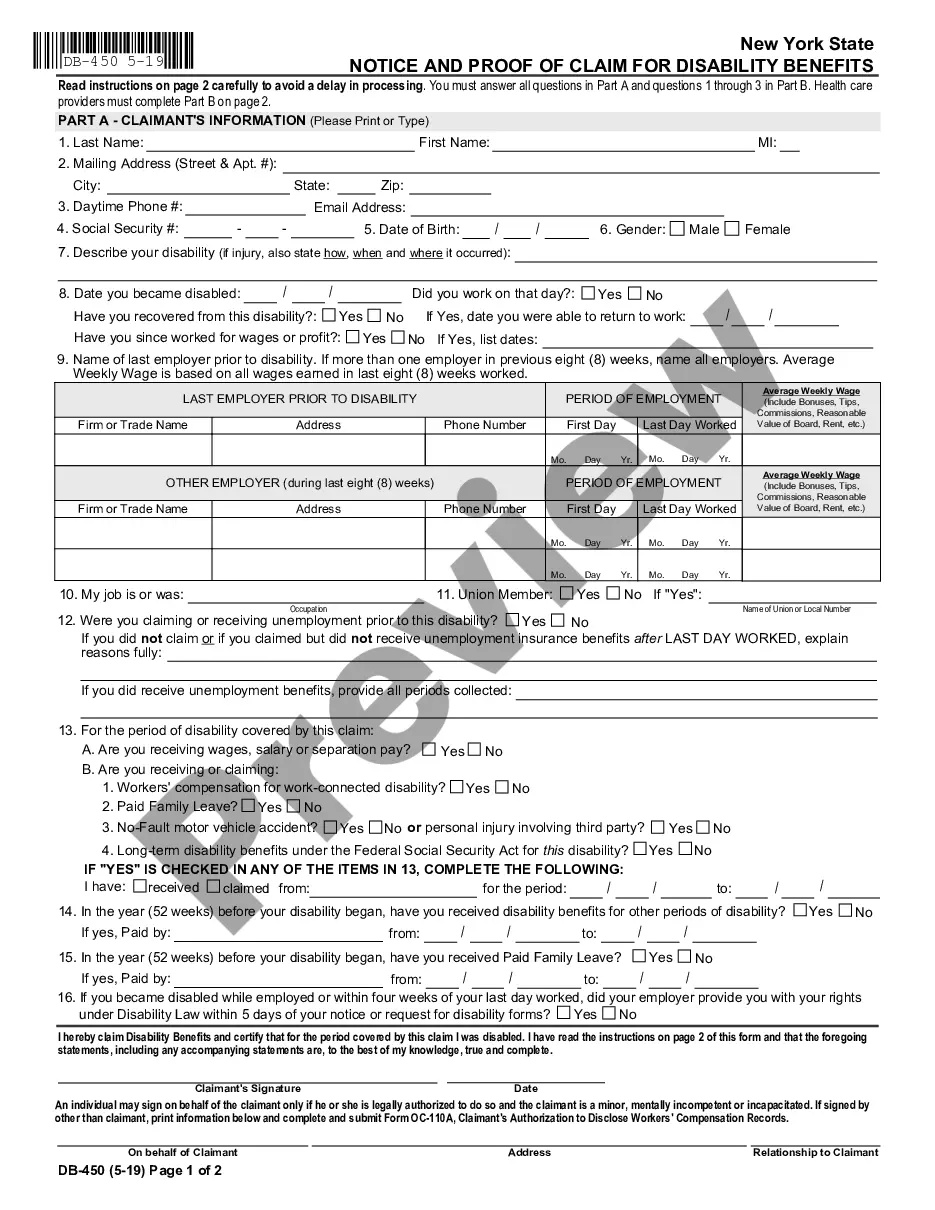
There can be cases for unpaid wages, wrongful termination (being fired against the law), discrimination, sexual harassment, failing to keep you safe at work, injuries on the job (worker's comp issues), and more. Some of these can overlap. Employment cases, no matter what type, can be very complex.
United States labor law sets the rights and duties for employees, labor unions, and employers in the US. Labor law's basic aim is to remedy the "inequality of bargaining power" between employees and employers, especially employers "organized in the corporate or other forms of ownership association".
