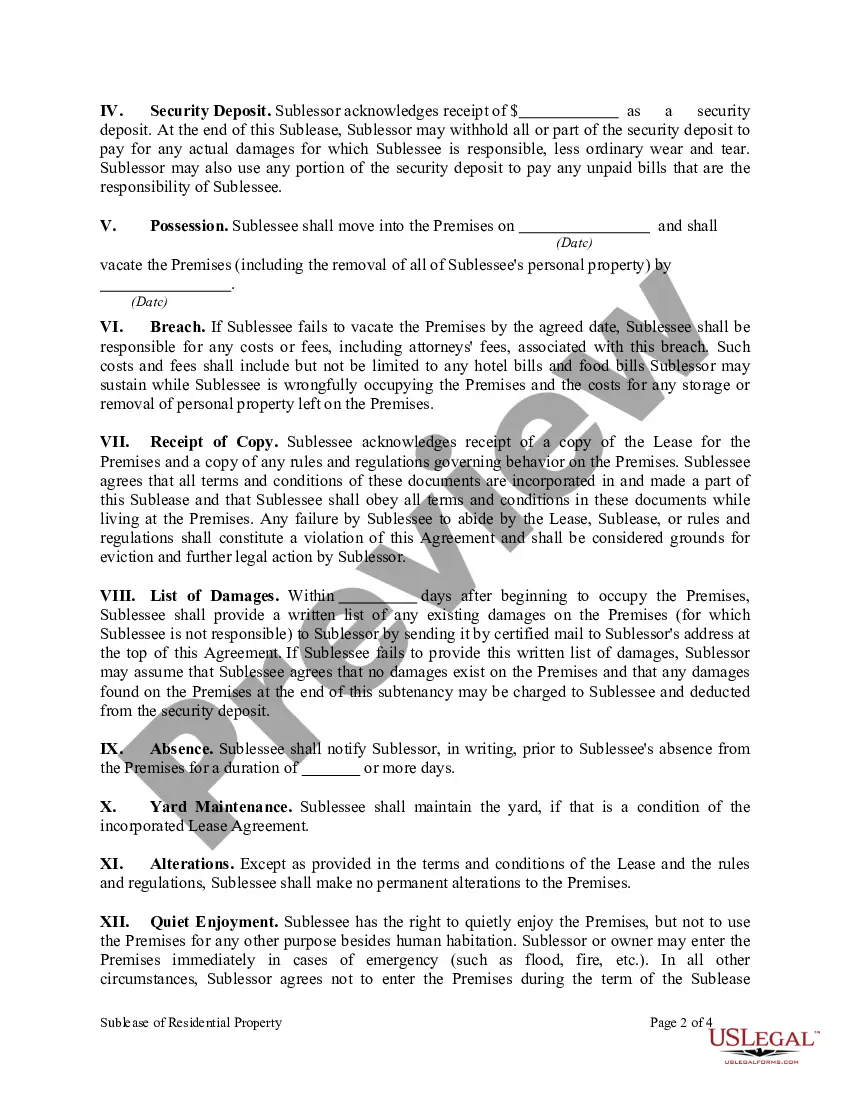
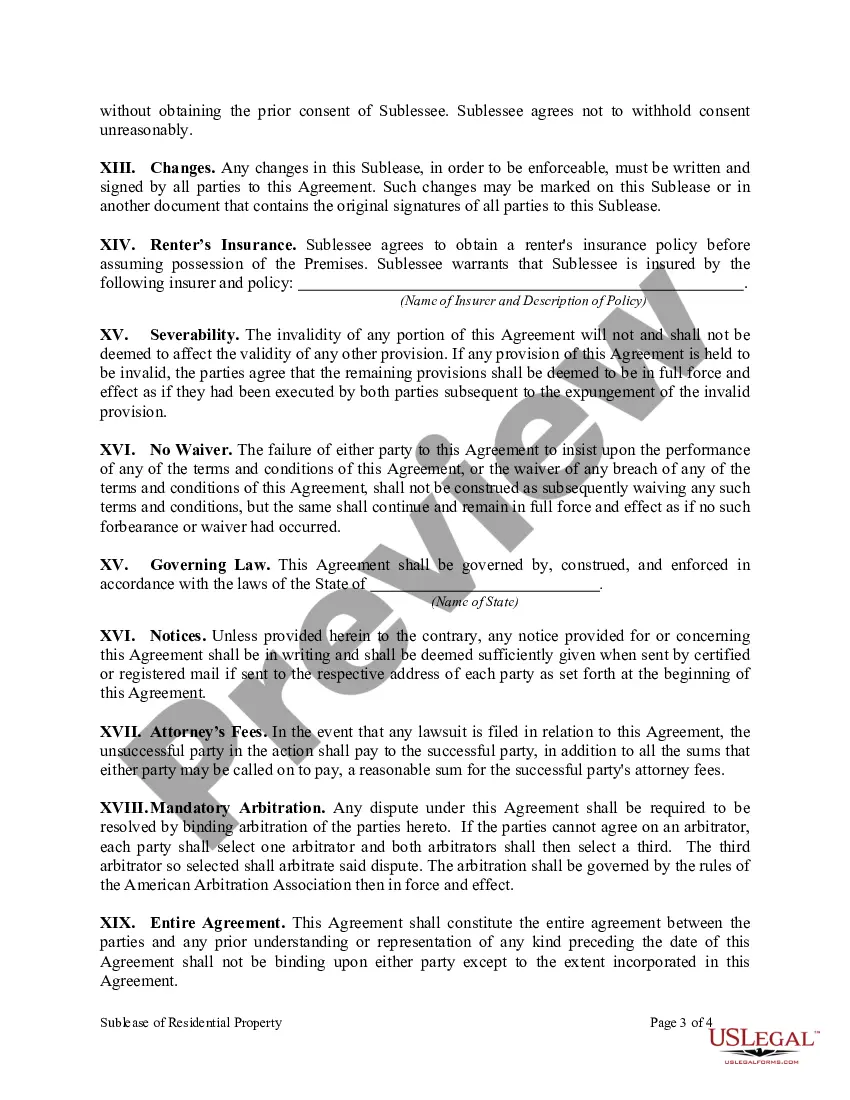
Sublease Agreement With In Suffolk
Description


Get your form ready online
Our built-in tools help you complete, sign, share, and store your documents in one place.
Make edits, fill in missing information, and update formatting in US Legal Forms—just like you would in MS Word.
Download a copy, print it, send it by email, or mail it via USPS—whatever works best for your next step.
Sign and collect signatures with our SignNow integration. Send to multiple recipients, set reminders, and more. Go Premium to unlock E-Sign.
If this form requires notarization, complete it online through a secure video call—no need to meet a notary in person or wait for an appointment.
We protect your documents and personal data by following strict security and privacy standards.

Make edits, fill in missing information, and update formatting in US Legal Forms—just like you would in MS Word.

Download a copy, print it, send it by email, or mail it via USPS—whatever works best for your next step.

Sign and collect signatures with our SignNow integration. Send to multiple recipients, set reminders, and more. Go Premium to unlock E-Sign.

If this form requires notarization, complete it online through a secure video call—no need to meet a notary in person or wait for an appointment.

We protect your documents and personal data by following strict security and privacy standards.
Looking for another form?





Form popularity
FAQ
In Suffolk County, the notice period is generally 30 days, but it may be longer or shorter depending on the specific circumstances of the case. If the tenant fails to vacate the property after receiving the notice to vacate, the landlord must file a holdover petition in the Suffolk County District Court.
Fixed-Term Leases and Notice Periods In certain states like California, a 60-day notice is required if the resident has lived in the unit for at least a year. Delaware requires at least a 60-day notice for month-to-month lease agreements. However, in most states, 30 days is the accepted minimum.
tomonth tenancy may be terminated by either party. If the landlord plans to terminate, they must give notice on the same timeline as terminating nonregulated leases (as described on the previous page). Outside of New York City, the tenant must give one month's notice to terminate the tenancy.
In New York State, an eviction of a tenant is lawful only if an owner has brought a court proceeding and obtained a judgment of possession from the court. A sheriff, marshal or constable can carry out a court ordered eviction. An owner may not evict a tenant by use of force or unlawful means.
In the Case of Subletting the Apartment When a current tenant opts for subletting, a notarized letter becomes essential. It serves as a legal document that cements the relationship between the original tenant and the subtenant.
The landlord must provide such notice at least: 30 days in advance of renewal if a tenant has lived in the apartment less than one year and has less than a 12-month lease. 60 days in advance for a tenant who has lived in the apartment for one to two years or for a tenant with a lease term of between one and two years.
Your landlord must give you at least 30 days notice if they are not planning to renew your lease or will raise your rent by more than 5%. If you have been living in your home for over a year, your landlord must give at least 60 days notice.
How to Write One Identify all parties to the contract. Define the lease term. Identify the terms and rent amount. Address any other financial responsibilities. Discuss the terms of the security deposit. List any other restrictions. Date and sign the agreement. Attach a copy of the original lease.
Tenant Rights When Renting Without a Lease Agreement Right to Habitable Living Conditions. Right to Privacy. Right to Reasonable Notice Before Landlord Entry. Right to Security Deposit Refund. Right to Notice Before Eviction. Right to Defend Against Unlawful Eviction. The Importance of a Safe Living Environment.
If you do not have a written lease, or your lease expired and you don't live in rent regulated housing, the landlord/owner may be able to go to court to evict you even if you did not do anything wrong. It is the landlord/owner's right to evict you without a reason.
