Louisiana Motion and Order for Appeal
What is this form?
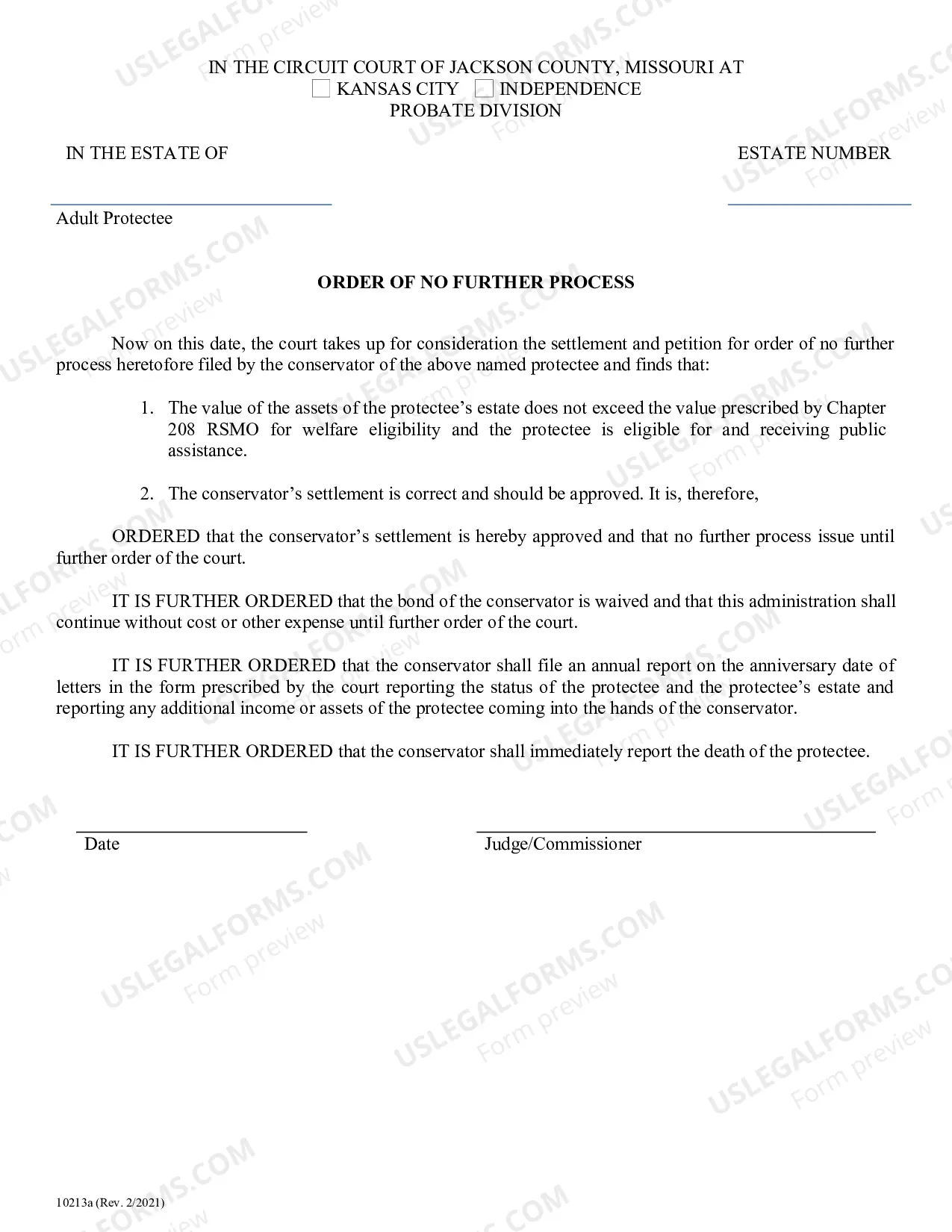
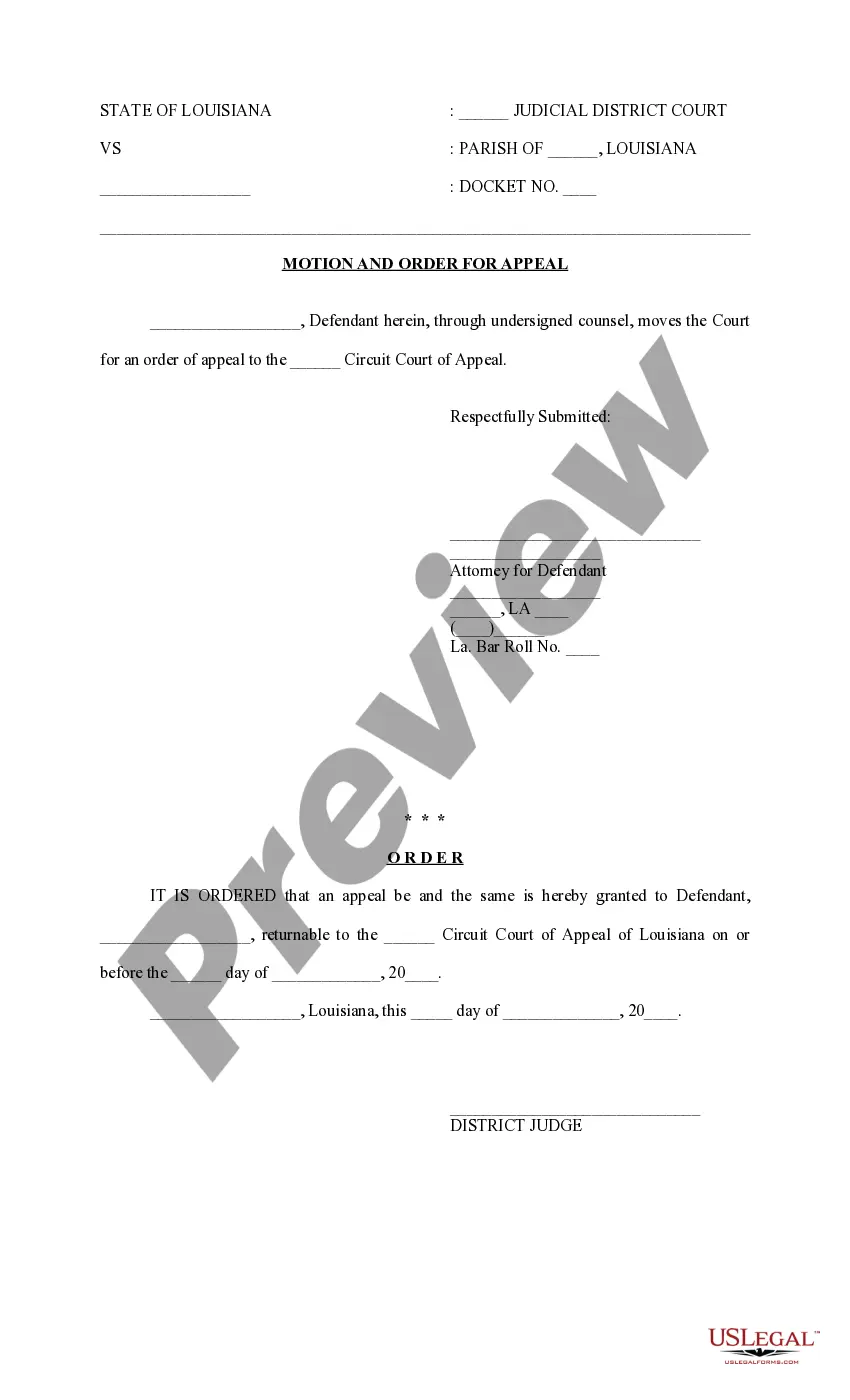
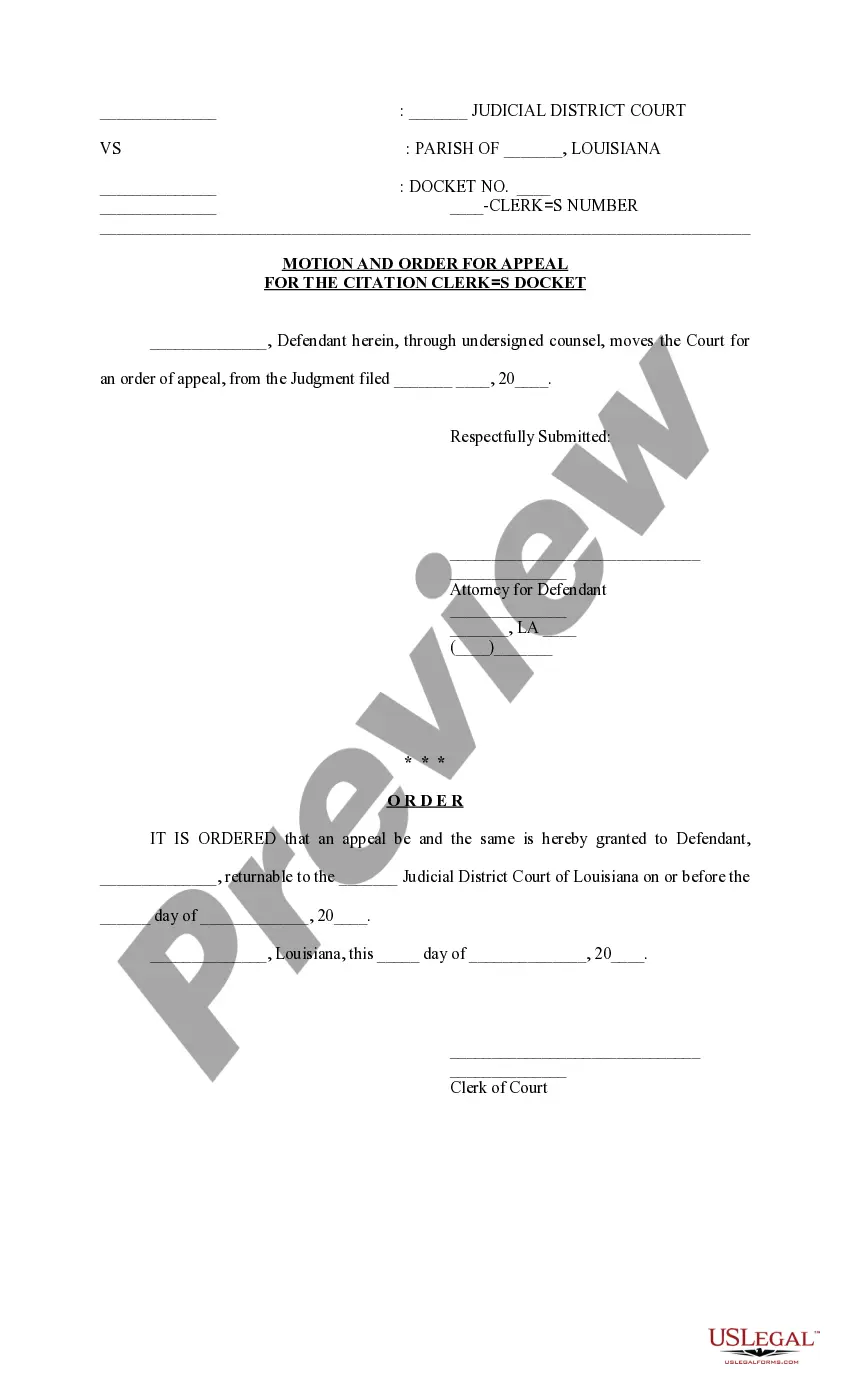
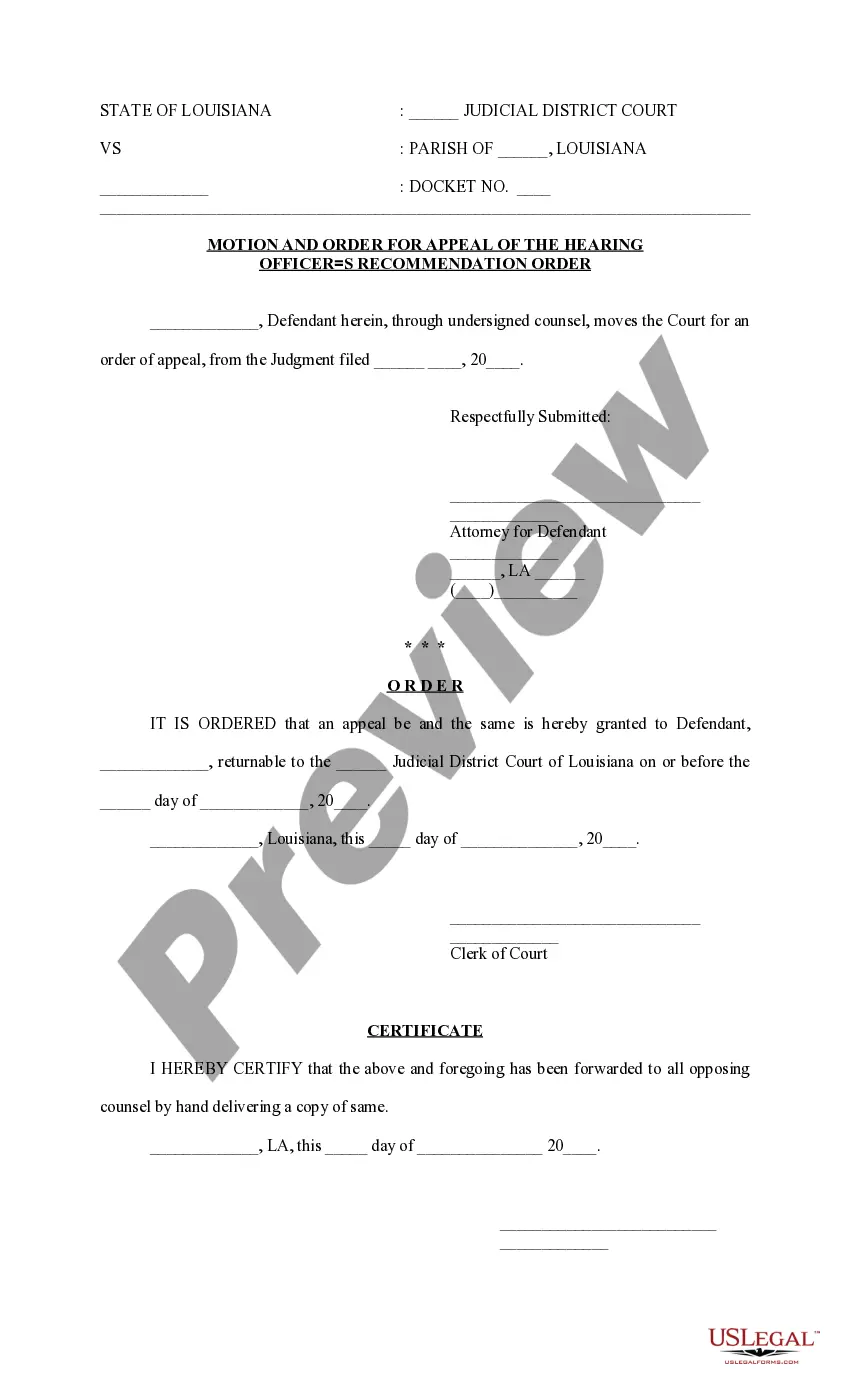
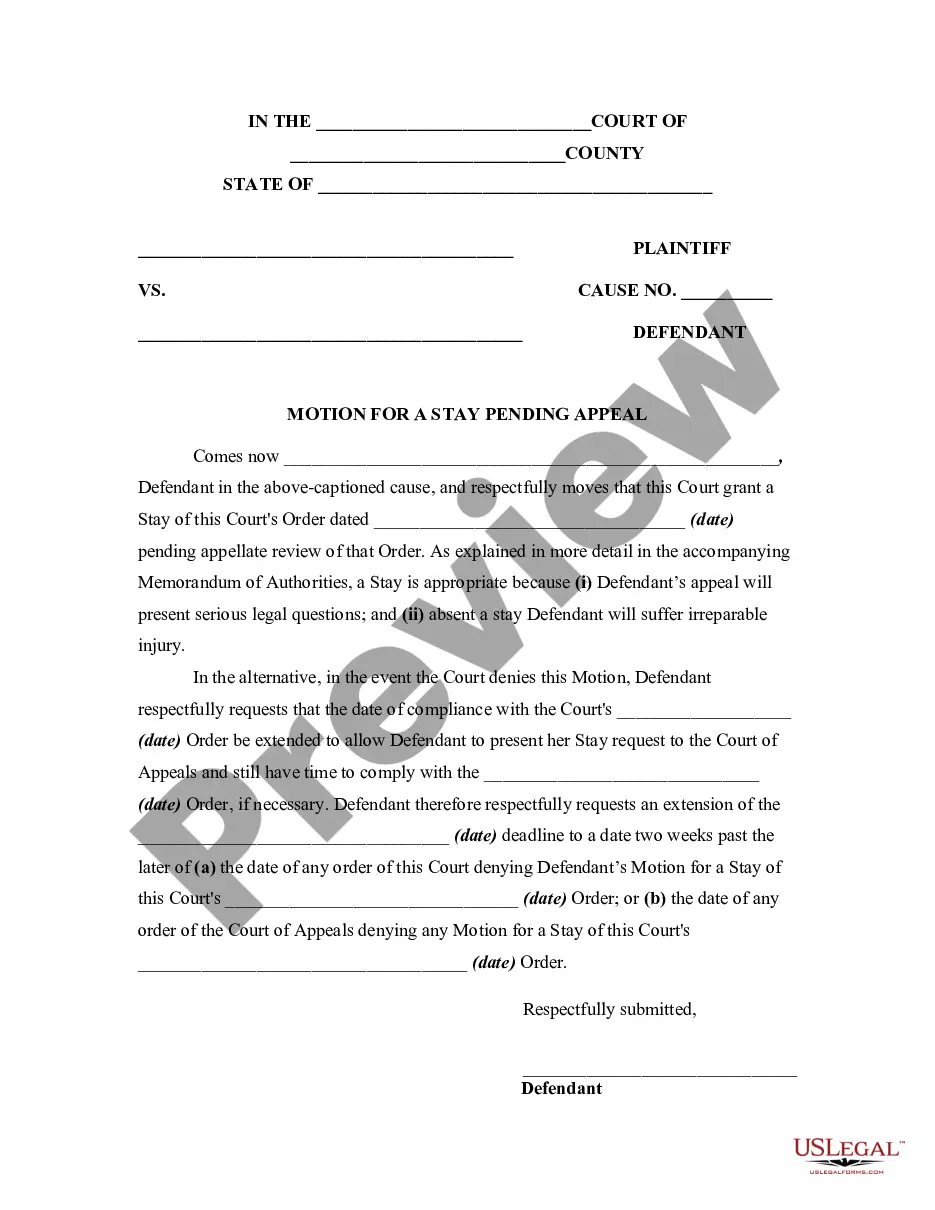
The Motion and Order for Appeal is a legal document used by the attorney for a defendant in a criminal case. It formally requests an order for appeal to a higher court, allowing the defendant to contest a decision made in a lower court. This form includes a motion made by the defense and an accompanying order that grants the appeal. It is crucial for defendants who believe that there was an error in the judgment rendered by the lower court.
What’s included in this form
- Case Information: Includes the parish, defendant's name, and docket number.
- Motion Statement: A formal request for the court to grant an order of appeal.
- Attorney Information: Details about the attorney representing the defendant, including their name and Louisiana Bar Roll number.
- Order Section: The section where the judge grants the appeal, specifying the return date to the higher circuit court.
- Signature Line: Space for the district judge's signature and date of the order.
Common use cases
This form should be used when a defendant wants to appeal a criminal conviction or sentence issued by a lower court. It is typically filed after a trial or hearing in which the defendant believes the court erred in its decision. Situations may include wrongful convictions, improper jury instructions, or excessive sentencing.
Who can use this document
- Defendants in criminal cases who wish to appeal their convictions or sentences.
- Attorneys representing defendants in criminal matters.
- Individuals seeking to challenge legal decisions made in lower courts.
Steps to complete this form
- Provide case information including the parish, defendant's name, and docket number at the top.
- Clearly state the motion for an order of appeal, referencing the specific Circuit Court of Appeal.
- Enter the attorney's name and Louisiana Bar Roll number in the designated area.
- The judge must sign and date the order portion of the document, granting the appeal.
- Ensure that all fields are filled out accurately before submission to the court.
Notarization guidance
This form does not typically require notarization unless specified by local law. However, it must be filed in accordance with court procedures to ensure it is legally recognized.
Get your form ready online
Our built-in tools help you complete, sign, share, and store your documents in one place.
Make edits, fill in missing information, and update formatting in US Legal Forms—just like you would in MS Word.
Download a copy, print it, send it by email, or mail it via USPS—whatever works best for your next step.
Sign and collect signatures with our SignNow integration. Send to multiple recipients, set reminders, and more. Go Premium to unlock E-Sign.
If this form requires notarization, complete it online through a secure video call—no need to meet a notary in person or wait for an appointment.
We protect your documents and personal data by following strict security and privacy standards.

Make edits, fill in missing information, and update formatting in US Legal Forms—just like you would in MS Word.

Download a copy, print it, send it by email, or mail it via USPS—whatever works best for your next step.

Sign and collect signatures with our SignNow integration. Send to multiple recipients, set reminders, and more. Go Premium to unlock E-Sign.

If this form requires notarization, complete it online through a secure video call—no need to meet a notary in person or wait for an appointment.

We protect your documents and personal data by following strict security and privacy standards.
Mistakes to watch out for
- Failing to include complete case information such as parish or docket number.
- Not providing the attorney's Louisiana Bar Roll number.
- Submitting the motion without the judgeâs signature on the order.
- Missing the deadline for filing the appeal, which can result in forfeiture of rights.
Advantages of online completion
- Immediate access to the form allows for quicker preparation and submission.
- Easily editable templates ensure that all necessary information can be included.
- Guidance from licensed attorneys helps in accurately completing the form.
- No need to visit a physical location for forms, saving time and effort.
What to keep in mind
- The Motion and Order for Appeal is vital for defendants wishing to contest a trial court's decision.
- Completing the form accurately ensures that the appeal process initiates smoothly.
- This form is specific to Louisiana and must adhere to its legal standards.
Looking for another form?

Form popularity
FAQ
An appeal is a review of the trial court's application of the law. There is no jury in an appeal, nor do the lawyers present witnesses or, typically, other forms of evidence. The court will accept the facts as they were revealed in the trial court, unless a factual finding is clearly against the weight of the evidence.
Step 1: Hiring an Appellate Attorney (Before Your Appeal) One of the biggest mistakes litigants make is filing their appeal before hiring an appellate attorney. Step 2: Filing the Notice of Appeal. Step 3: Preparing the Record on Appeal. Step 4: Researching and Writing Your Appeal. Step 5: Oral Argument.
Check Company Policy. Know Where to Send Your Letter. Use Business Letter Format. Use a Polite Tone. Admit Any Mistakes. State What You Would Like to Happen. Stick to the Facts. Keep it Brief.
Filing the Notice of Appeal. Abandonment or Settlement. Waiver of Fees. Designating the Record. Civil Case Information Sheet. Briefs. Oral Argument. The Court's Decision.
Log in to your UI Online account. Click View and maintain in the left pane. Click Monetary and issue summary. Select the issue ID and then click Appeal.
Your appeal begins when you file a notice of appeal or a petition for review from a final decision of a district court or agency. It will be assigned a court of appeals docket number by the Court of Appeals Clerk's Office. Any correspondence from you should indicate this number.
All pleadings/motions/requests may be filed with the Appeals Division by mail, fax or email. The Appeals Division fax number is (225) 342-8058, and its email address is dscs.appeals@la.gov.