Sublease Property Agreement Without Landlord's Permission In Orange
Description

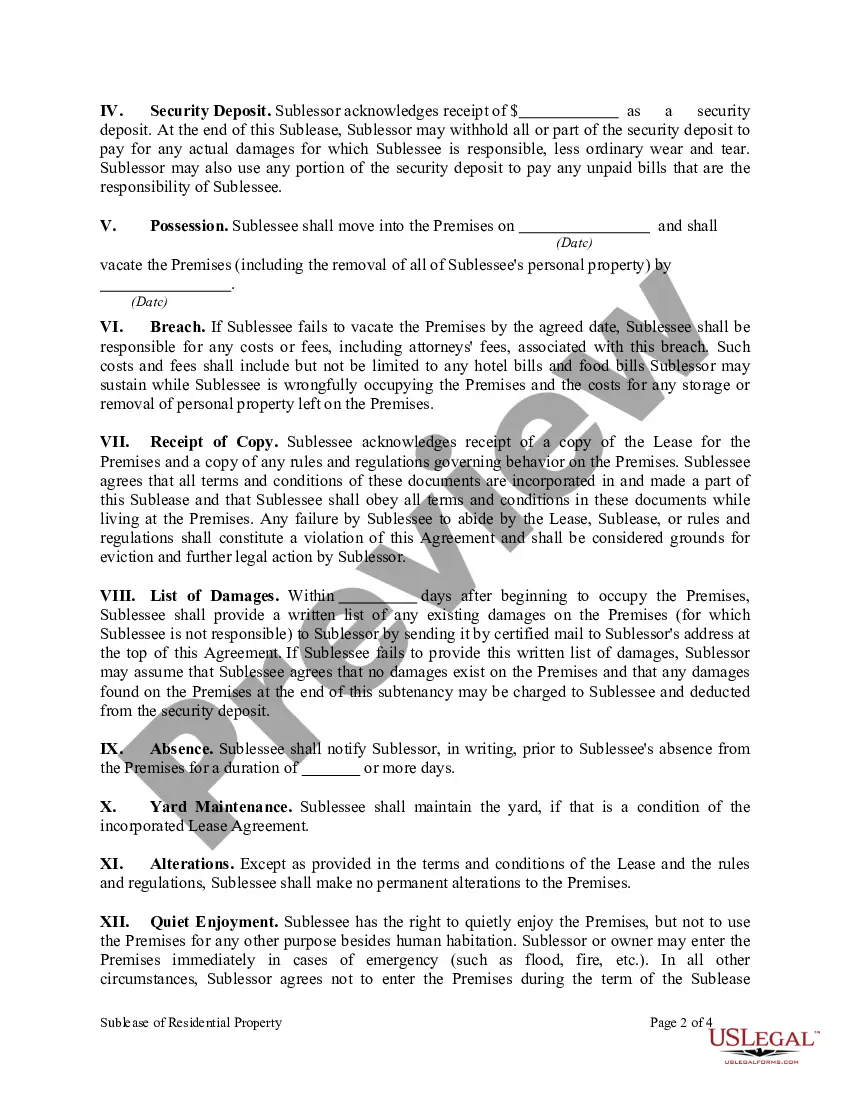
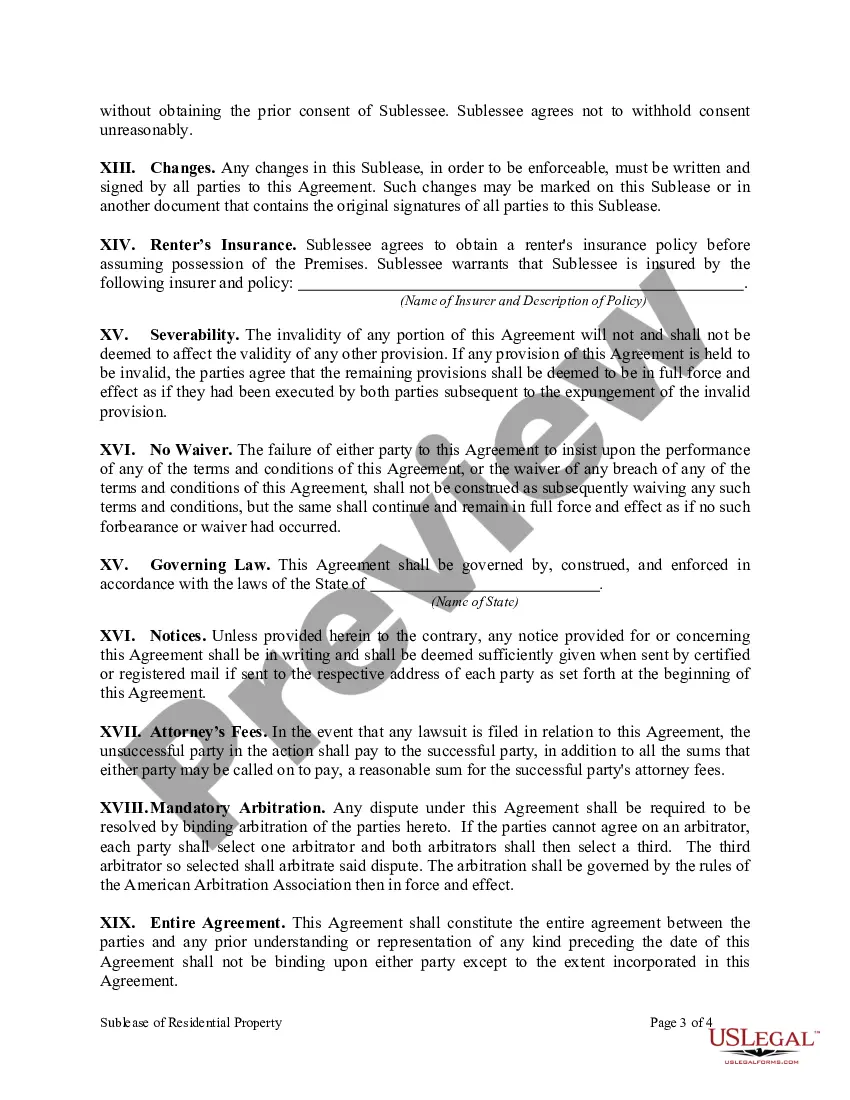
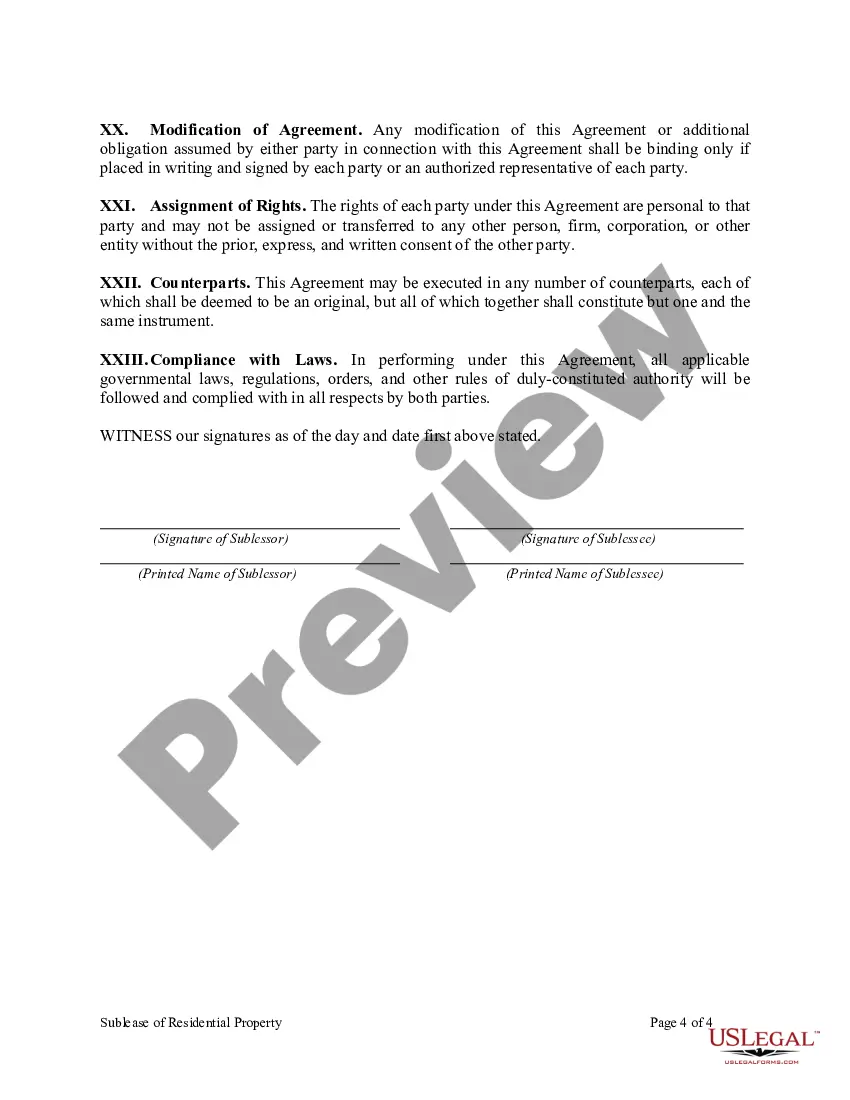

Get your form ready online
Our built-in tools help you complete, sign, share, and store your documents in one place.
Make edits, fill in missing information, and update formatting in US Legal Forms—just like you would in MS Word.
Download a copy, print it, send it by email, or mail it via USPS—whatever works best for your next step.
Sign and collect signatures with our SignNow integration. Send to multiple recipients, set reminders, and more. Go Premium to unlock E-Sign.
If this form requires notarization, complete it online through a secure video call—no need to meet a notary in person or wait for an appointment.
We protect your documents and personal data by following strict security and privacy standards.

Make edits, fill in missing information, and update formatting in US Legal Forms—just like you would in MS Word.

Download a copy, print it, send it by email, or mail it via USPS—whatever works best for your next step.

Sign and collect signatures with our SignNow integration. Send to multiple recipients, set reminders, and more. Go Premium to unlock E-Sign.

If this form requires notarization, complete it online through a secure video call—no need to meet a notary in person or wait for an appointment.

We protect your documents and personal data by following strict security and privacy standards.
Looking for another form?





Form popularity
FAQ
If the subtenant doesn't adhere to the lease rules or causes disruptions in the building, it could lead to complaints from neighbors or even legal action from the landlord. Eviction Risk: If a tenant sublets without permission or violates the terms of the lease, the landlord may issue an eviction notice.
If you sublet your home when you're not allowed to, your landlord is likely to take action to evict you. If you're a social housing tenant, the consequences are more serious because you might also be committing a criminal offence.
If you sublet your home when you're not allowed to, your landlord is likely to take action to evict you.
Many Landlords believe that the proper way to remove a Sub-Tenant is to evict them. This is not accurate. Since they are not in a lease with the Sub-Tenant, they must file an Unlawful Detainer to remove them from the property.
If your agreement doesn't say anything about subletting You don't need your landlord's permission but it's usually best to let them know. If they don't want you to sublet your home, your landlord can get a court order to end your tenancy, evict your subtenant and stop you from moving back in.
The tenant may sue the subletter based on their Sublease Agreement, if they have one, to recover what the landlord recovers from the tenant. In some situations, the landlord may also sue the subletter based on state or local law, or the Sublease Agreement.
Landlords restrict subletting because they want control of who's in their properties. You wanna sublet so you can get out of a lease, so your standards are somewhat reduced. You might not care about security of the place, you might not care about the subletters background, he has a lease with you not the landlord.
Subletting is risky. It comes with the same risks as taking on a roommate, except both people won't be there to deal with problems as they arise. If a tenant's subletter skips town or damages the apartment, the tenant is jointly and severally liable with them and could get stuck with the bill.
Subletting is when the original renter (the “sublessor”) remains responsible for a lease, and either lives with a sublessee (the new tenant), or has a sublessee take their place living in the home.
You might be committing a criminal offence if you sublet your home when you're not allowed to. You can check if you're allowed to sublet your home. Local authorities can get information to help them investigate and prosecute unlawful subletting offences - even if they aren't your landlord.
