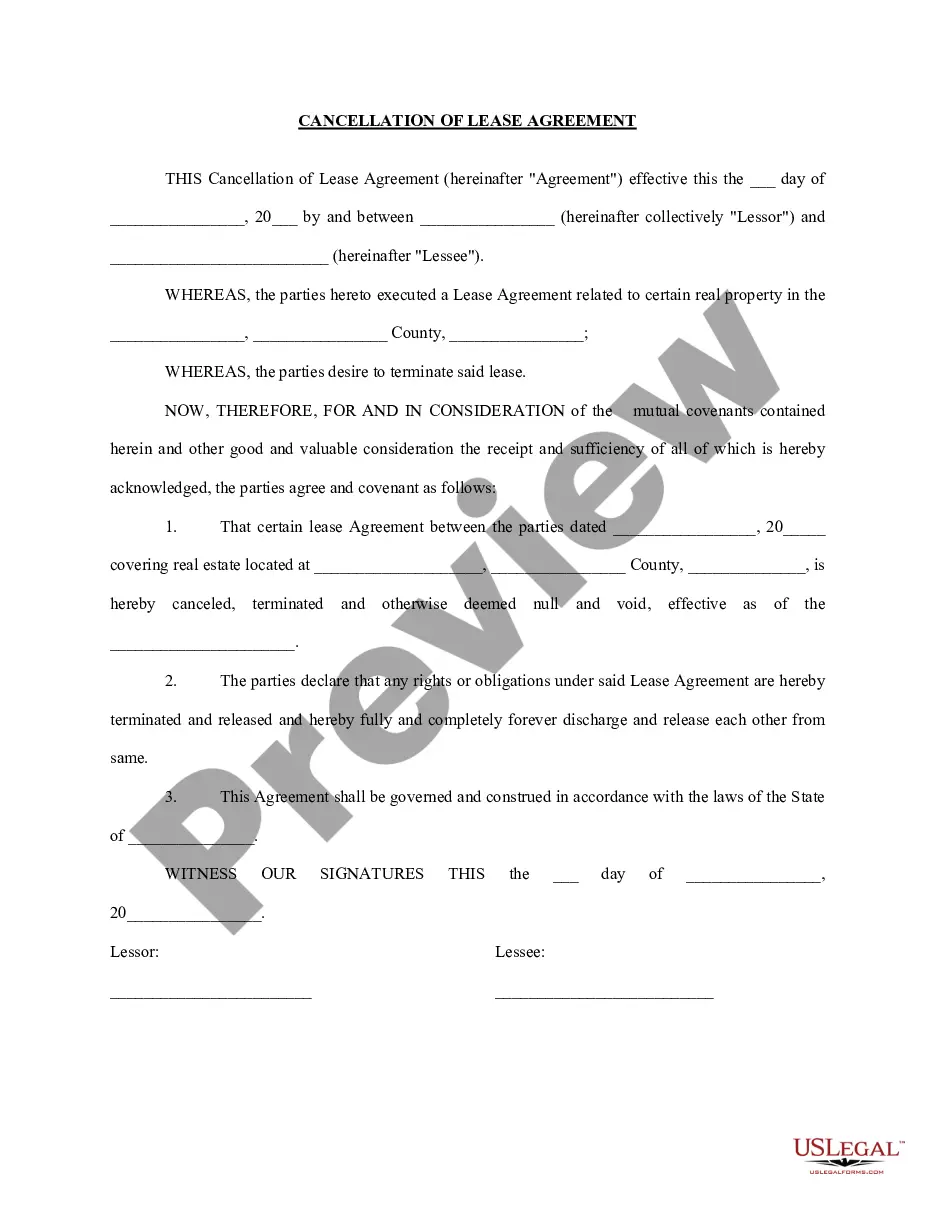
Residential Property Lease With Guarantor In Orange
Description


Get your form ready online
Our built-in tools help you complete, sign, share, and store your documents in one place.
Make edits, fill in missing information, and update formatting in US Legal Forms—just like you would in MS Word.
Download a copy, print it, send it by email, or mail it via USPS—whatever works best for your next step.
Sign and collect signatures with our SignNow integration. Send to multiple recipients, set reminders, and more. Go Premium to unlock E-Sign.
If this form requires notarization, complete it online through a secure video call—no need to meet a notary in person or wait for an appointment.
We protect your documents and personal data by following strict security and privacy standards.

Make edits, fill in missing information, and update formatting in US Legal Forms—just like you would in MS Word.

Download a copy, print it, send it by email, or mail it via USPS—whatever works best for your next step.

Sign and collect signatures with our SignNow integration. Send to multiple recipients, set reminders, and more. Go Premium to unlock E-Sign.

If this form requires notarization, complete it online through a secure video call—no need to meet a notary in person or wait for an appointment.

We protect your documents and personal data by following strict security and privacy standards.
Looking for another form?






Form popularity
FAQ
Landlords and property management companies often require guarantors for several reasons: Risk mitigation: Renting property involves risks, particularly if the tenant has a low credit score, unstable income, or is a student with limited financial history. A guarantor reduces this risk by guaranteeing rent payment.
A guarantor letter plays a vital role in confirming the financial responsibility of an individual in case they fail to fulfill their obligations. Typically required by landlords and lenders, it helps minimize risk.
In this situation, as a guarantor, you are likely to be responsible for whatever any of the joint tenants owe the landlord, not just what the tenant you are helping may owe. You may also be responsible for any damage caused by other tenants, not just the one you're wanting to help.
Simply becoming a guarantor for someone shouldn't have an effect on your credit rating, as long as the main borrower manages to successfully make all the required repayments on time and in full. However, if they fail to keep up with repayments and you have to step in, this can put your credit score at risk.
As with a co-signer, the risks lie primarily with the guarantor. If you're a guarantor, you might have to shoulder a financial burden on behalf of the borrower, which can be a challenge even for someone with high credit scores. Still, you'll have the satisfaction of enabling a loved one's access to important credit.
A guarantor's form should include a space to fill in the home address, work address, phone number, and email address. The contact details are what will be used to contact the guarantor in the future if the principal fails to meet agreement terms. This is a very important feature of the guarantor's form.
Disadvantages of guarantors Strained relationships: If the borrower struggles to repay, it can cause tension and arguments between the guarantor and the borrower. Limited options: Once you become a guarantor, you might be restricted from using your credit for other purposes until the guaranteed debt is settled.
How to fill out the Guarantor Form for Rental Agreement Guarantee? Begin by filling in the tenant's name and property address. Complete the guarantor's name and provide any required identification. Sign the document to affirm your responsibilities. Have the form notarized if required.
Typically, rent guarantors are parents, relatives or close friends of the tenant. To qualify as a guarantor, you will need to provide the landlord with proof of income (such as paystubs), bank statements, and your Social Security number for a credit and background check.
Typically, rent guarantors are parents, relatives or close friends of the tenant. To qualify as a guarantor, you will need to provide the landlord with proof of income (such as paystubs), bank statements, and your Social Security number for a credit and background check.