Sublease Agreement Form Ontario In Massachusetts
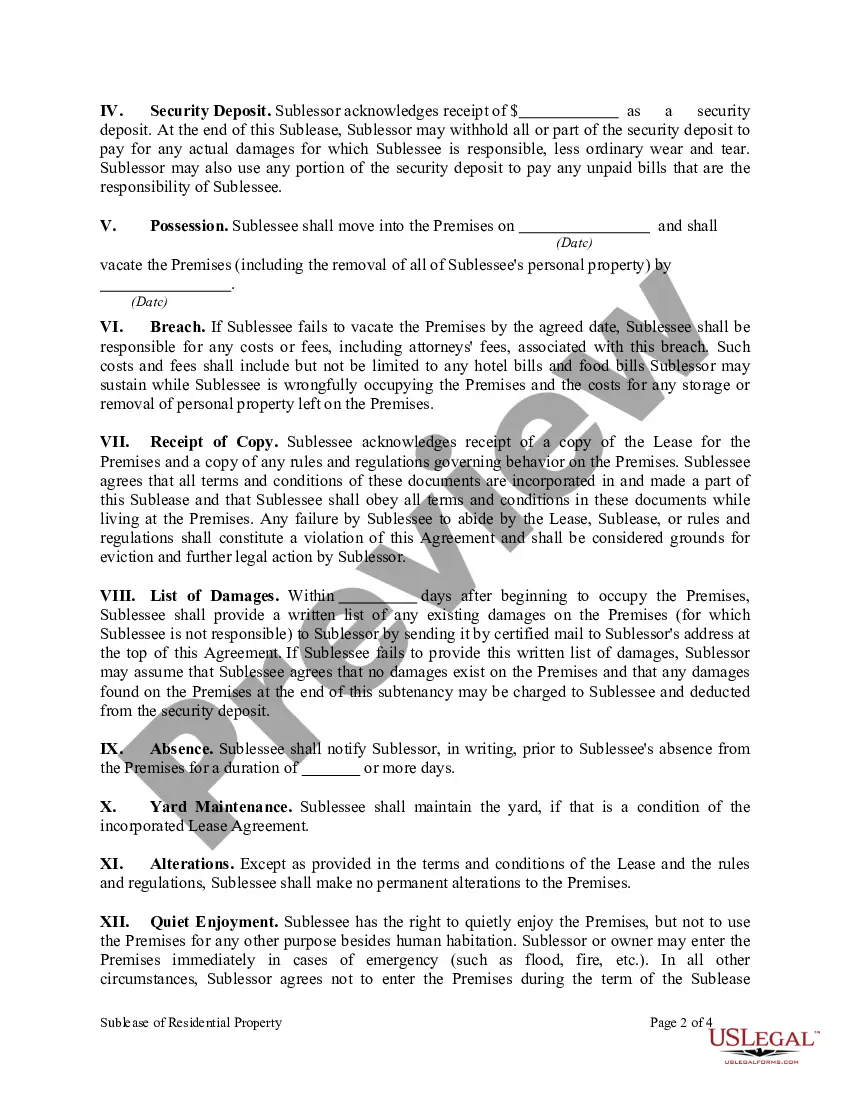
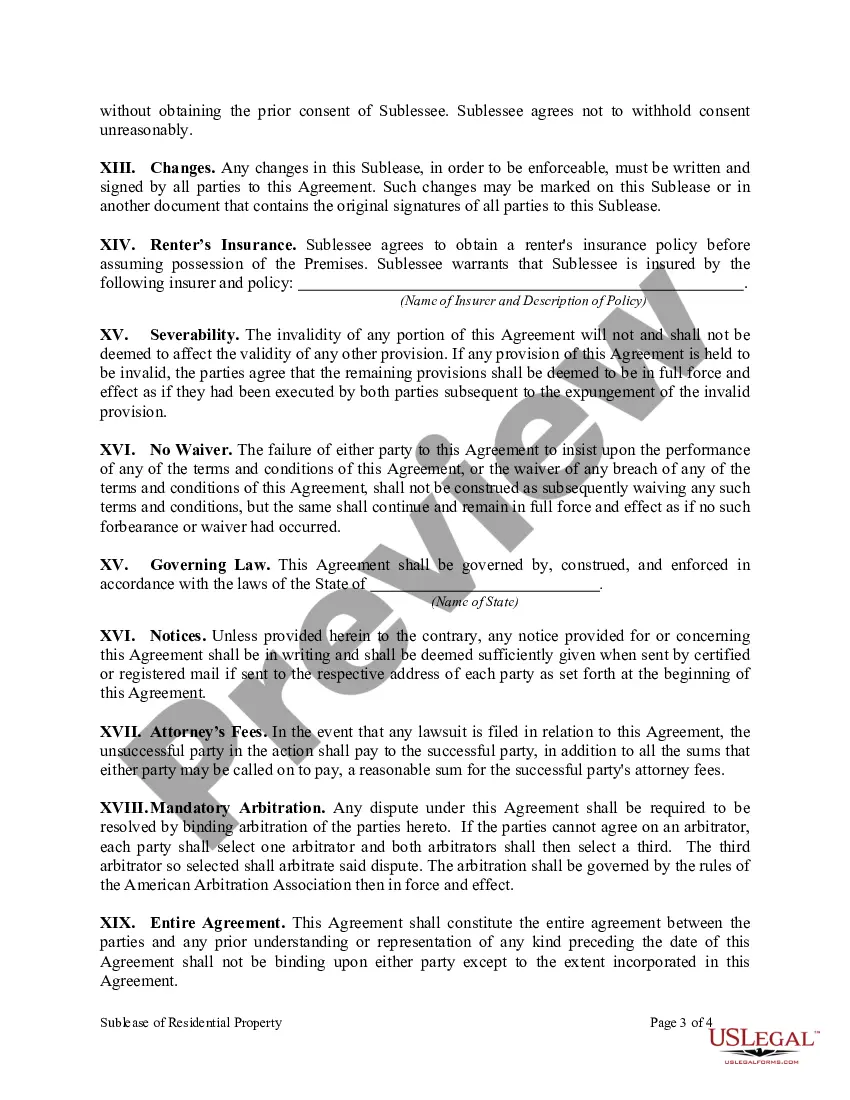
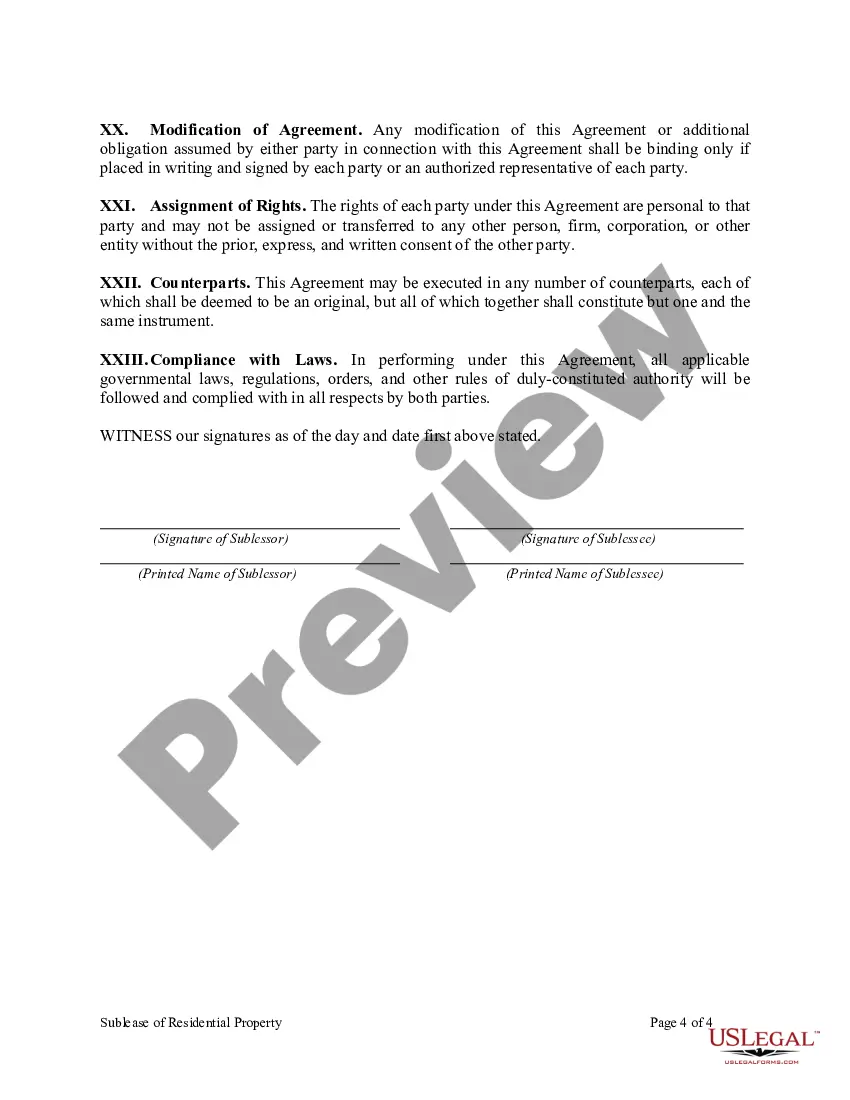
Description







Form popularity
FAQ
If you sublet the rental unit for a period of time which has now ended and the subtenant has not moved out, you may apply to evict them. You must apply no later than 60 days after the date the subtenancy ended.
The terms sublet and sublease are often used synonymously, but they have very different meanings. The gist is that a sublet occurs when you find a new renter for the property who will sign a new lease with the landlord, while a sublease occupies the space without signing a lease directly with the landlord.
Tenant's Right to Sublet: In Ontario, tenants have the right to sublet their rental unit; however, they must get written approval from their landlord.
Ontario website says Subletting is subject to the consent of the landlord, which cannot be unreasonably or arbitrarily withheld. The sublet must end on a date specified before the end of the tenant's term or period. It also states a tenant in ontario can legally have a roommate.
Ontario has specific laws governing sublease agreements, outlined in the Residential Tenancies Act (RTA). Key points include: Landlord's Consent: Generally, a landlord must consent to a sublease. However, exceptions exist, such as when the landlord unreasonably withholds consent.
In the Case of Subletting the Apartment When a current tenant opts for subletting, a notarized letter becomes essential. It serves as a legal document that cements the relationship between the original tenant and the subtenant.
While the original lessee is legally allowed to create a sublease agreement in Massachusetts, they must first get permission or approval from their landlord. Typically, the original tenant will request a sublease when they want to lease a particular part of the property to someone else.
How to Write One Identify all parties to the contract. Define the lease term. Identify the terms and rent amount. Address any other financial responsibilities. Discuss the terms of the security deposit. List any other restrictions. Date and sign the agreement. Attach a copy of the original lease.
