Types Of Leases Residential In Maricopa
Description

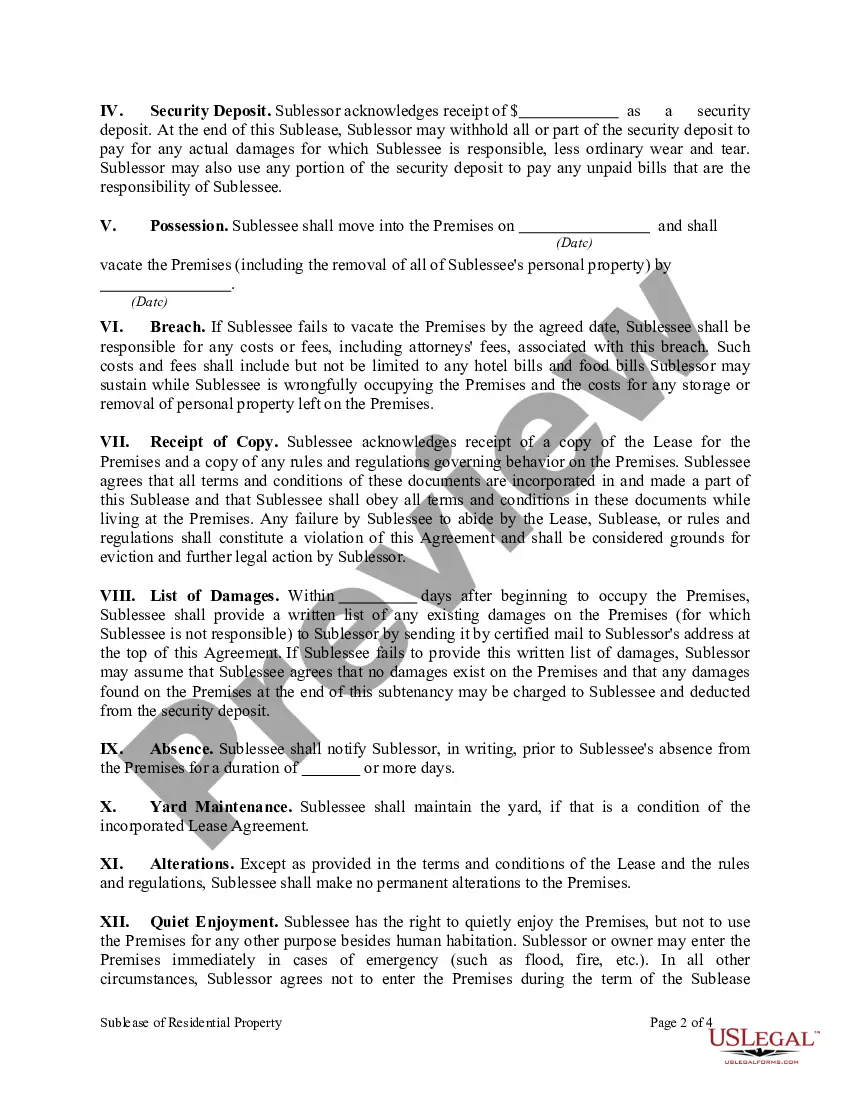
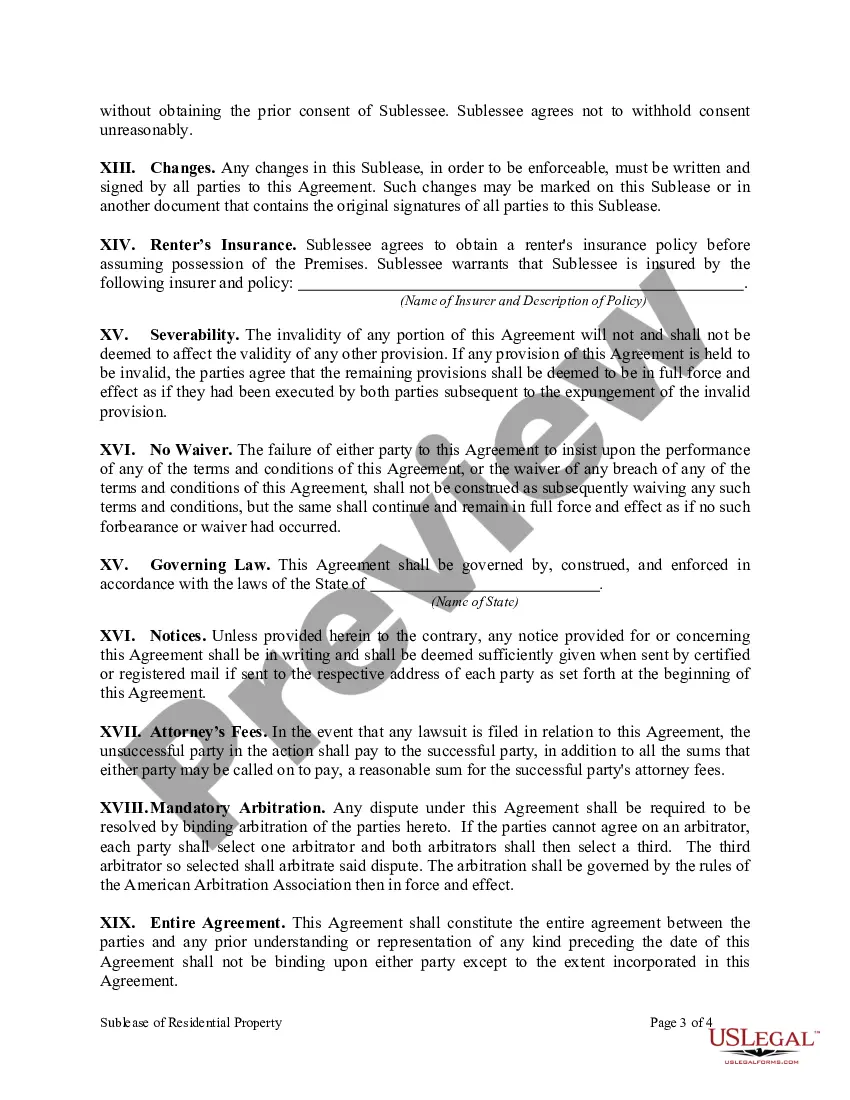
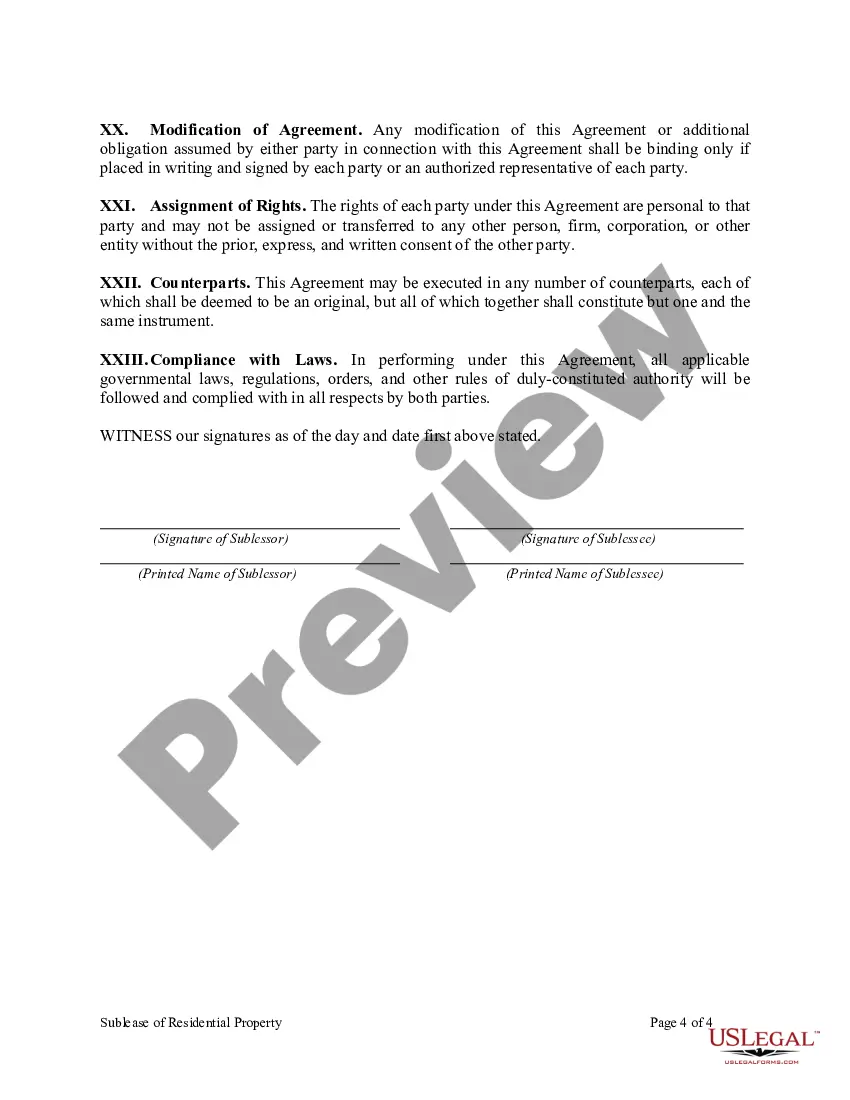

Get your form ready online
Our built-in tools help you complete, sign, share, and store your documents in one place.
Make edits, fill in missing information, and update formatting in US Legal Forms—just like you would in MS Word.
Download a copy, print it, send it by email, or mail it via USPS—whatever works best for your next step.
Sign and collect signatures with our SignNow integration. Send to multiple recipients, set reminders, and more. Go Premium to unlock E-Sign.
If this form requires notarization, complete it online through a secure video call—no need to meet a notary in person or wait for an appointment.
We protect your documents and personal data by following strict security and privacy standards.

Make edits, fill in missing information, and update formatting in US Legal Forms—just like you would in MS Word.

Download a copy, print it, send it by email, or mail it via USPS—whatever works best for your next step.

Sign and collect signatures with our SignNow integration. Send to multiple recipients, set reminders, and more. Go Premium to unlock E-Sign.

If this form requires notarization, complete it online through a secure video call—no need to meet a notary in person or wait for an appointment.

We protect your documents and personal data by following strict security and privacy standards.
Looking for another form?

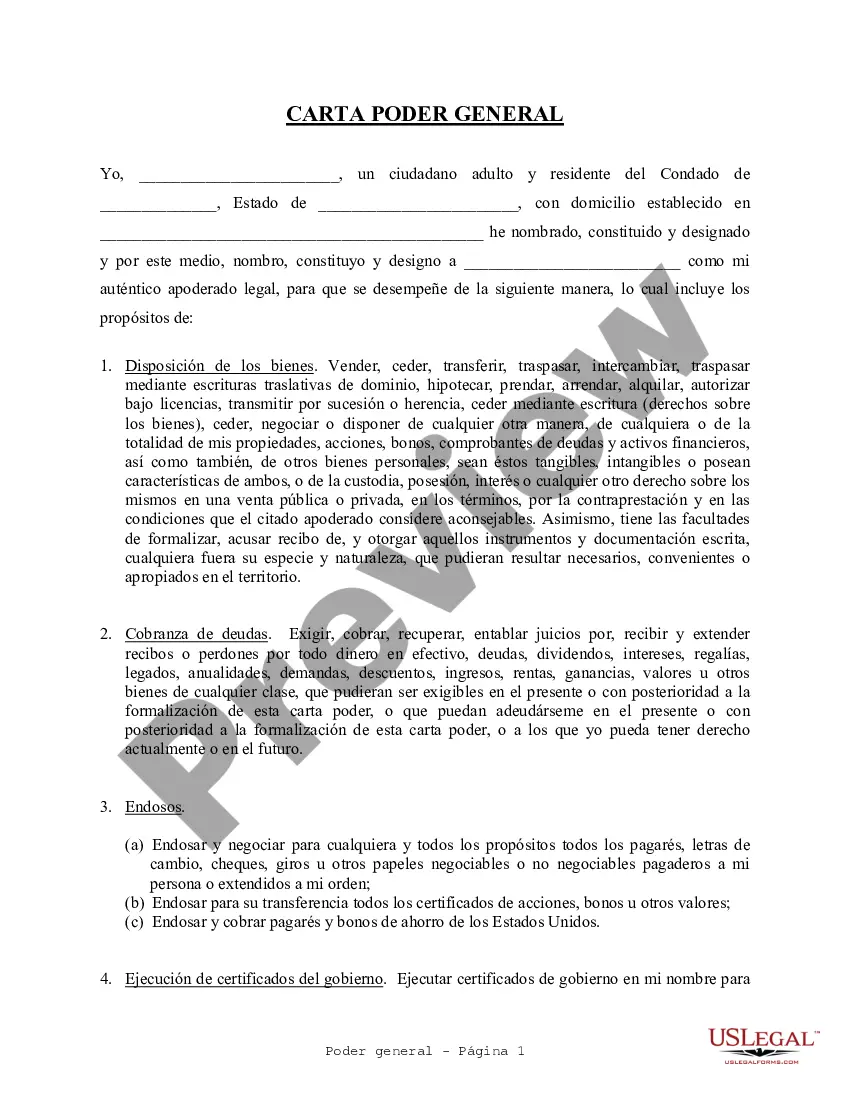


Form popularity
FAQ
The most common periodic tenancy is the month-to-month tenancy.
Gross lease - A gross lease, the most common, has a predetermined rent coverage in which the landlord maintains the property. A net lease has a set rent amount covering the occupancy but may not include maintenance work and even property taxes or insurance.
Explanation: The most common type of lease contract in residential real estate is Gross Lease. In a gross lease, the tenant pays a fixed amount of rent, and the landlord is responsible for paying all the expenses associated with the property, including property taxes, insurance, and maintenance costs.
Individual owners of taxable rental properties are required by law to obtain a TPT license with ADOR regardless if the owners rent the property themselves or employ a property management company (PMC).
33-1321 - Security deposits. A. A landlord shall not demand or receive security, however denominated, including prepaid rent in an amount or value of more than one and one-half month's rent. This subsection does not prohibit a tenant from voluntarily paying more than one and one-half month's rent in advance.
In Arizona, there are certain legal requirements for a lease agreement to be valid. These include the legal capacity of all parties involved, a written agreement, and a security deposit.
Class 3 property means Assessed Property that is or is intended to be developed as multifamily rental units under common management (e.g., apartments), including any ancillary uses thereto.
In addition, Class 2 buildings usually have combustible floors and roofs. Class 3 (Noncombustible)—Class 3 buildings will have exterior walls, floors and roofs made of and supported by noncombustible or slow-burning materials. This can include materials like metal, asbestos or gypsum.
In order to be a landlord in Arizona, there are certain licenses and permits that you need to obtain. This includes a business license and a residential rental license from the City of Phoenix. These licenses are essential to ensure compliance with local regulations and to legally operate your rental property.
