Residential Property Leases Within 30 Days In Chicago
Description

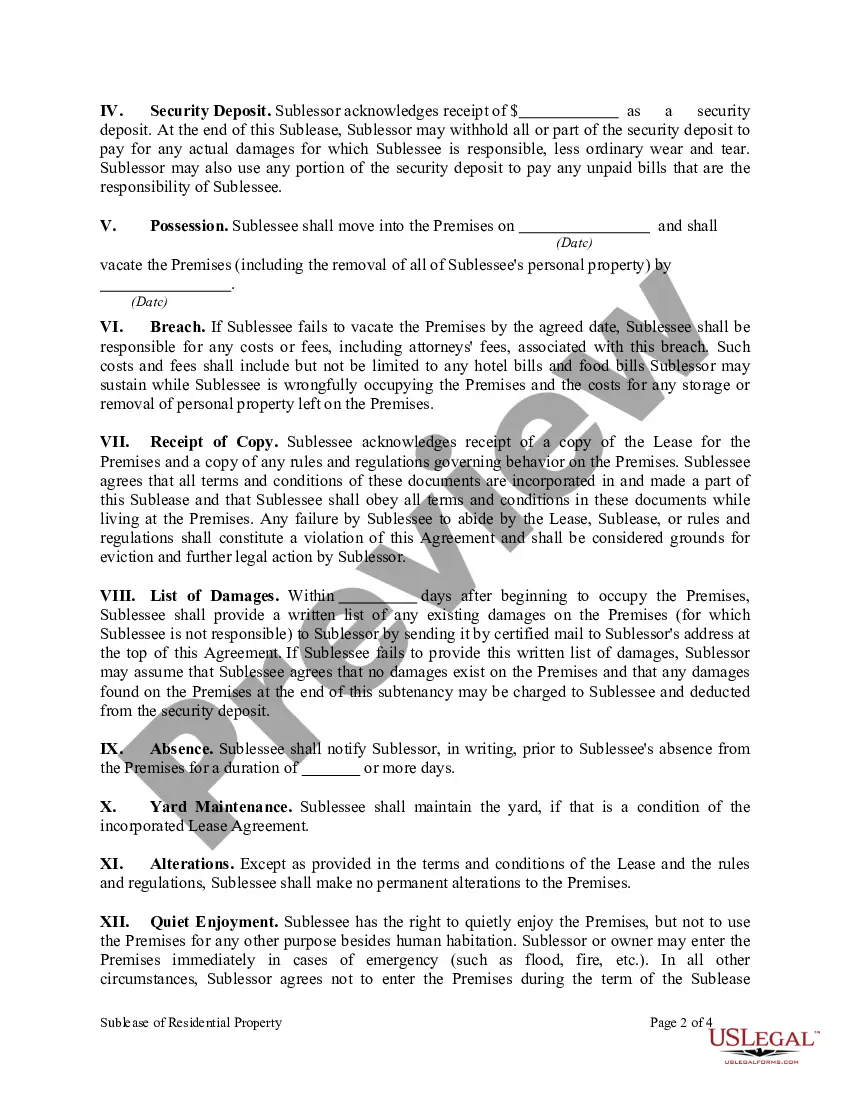
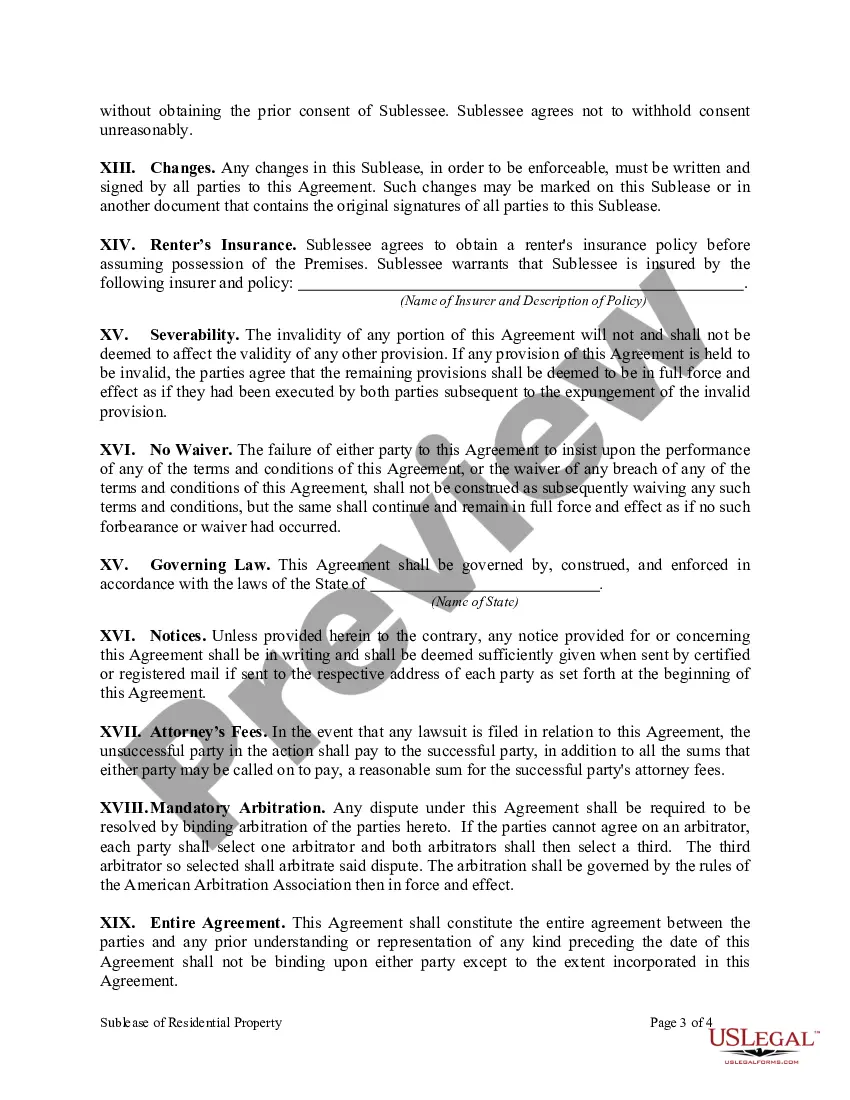
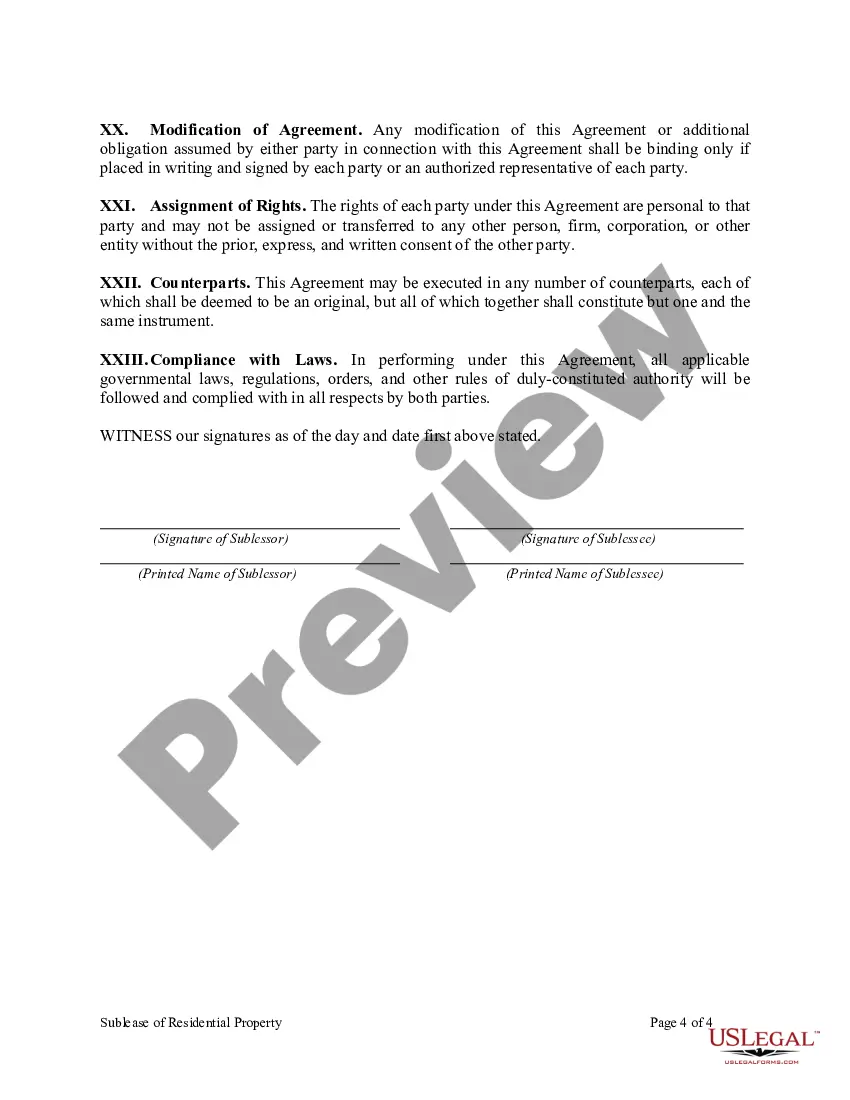

Get your form ready online
Our built-in tools help you complete, sign, share, and store your documents in one place.
Make edits, fill in missing information, and update formatting in US Legal Forms—just like you would in MS Word.
Download a copy, print it, send it by email, or mail it via USPS—whatever works best for your next step.
Sign and collect signatures with our SignNow integration. Send to multiple recipients, set reminders, and more. Go Premium to unlock E-Sign.
If this form requires notarization, complete it online through a secure video call—no need to meet a notary in person or wait for an appointment.
We protect your documents and personal data by following strict security and privacy standards.

Make edits, fill in missing information, and update formatting in US Legal Forms—just like you would in MS Word.

Download a copy, print it, send it by email, or mail it via USPS—whatever works best for your next step.

Sign and collect signatures with our SignNow integration. Send to multiple recipients, set reminders, and more. Go Premium to unlock E-Sign.

If this form requires notarization, complete it online through a secure video call—no need to meet a notary in person or wait for an appointment.

We protect your documents and personal data by following strict security and privacy standards.
Looking for another form?




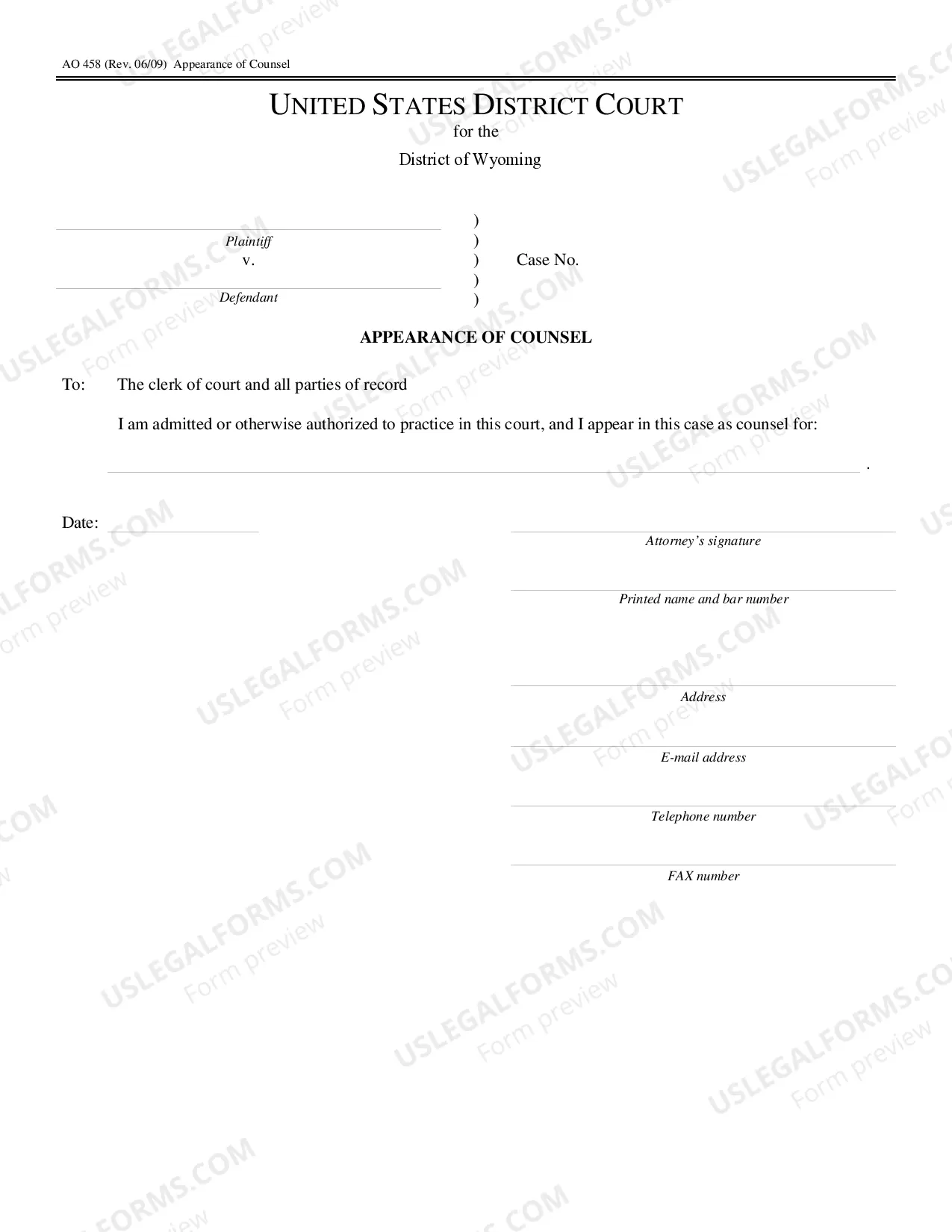



Form popularity
FAQ
The tenant cannot simply move out with no notice – doing so will often result in loss of a security deposit or even a lawsuit for unpaid rent. Terminating a month-to-month lease requires at least 30 days written notice and a termination date that falls at the end of a rental period (usually the end of the month).
Under the 2020 revisions of the RLTO (“Fair Notice Ordinance”), Landlords must provide a tenant that is not in the eviction process: 30 days of notice to terminate a month-to-month tenancy, decline to renew your lease or raise your rent if you have lived in your apartment for less than six months.
Under the Illinois Forcible Entry and Detainer Act, the required notice period for terminating a month-to-month tenancy is 30 days. Therefore, unless your acquaintance has been living there for over 12 months and has established different terms, you should only be required to provide 30 days' notice to vacate.
What Happens If You Don't Give 30-days' Notice To Vacate? If you do not provide your tenant with adequate notice, you will not have the legal grounds to end the tenancy. Likewise, if a tenant does not give you enough notice they could be subject to penalties (such as the landlord withholding their security deposit).
30 days of notice to terminate a month-to-month tenancy, decline to renew your lease or raise your rent if you have lived in your apartment for less than six months. 60 days of notice for the same if you have lived in your apartment for more than six months but less than three years.
In a week-to-week or month-to-month tenancy, the landlord can raise your rent by any amount if he/she gives you seven days' notice for a week-to-week lease or 30 days' notice for a month-to-month lease. Your landlord cannot raise your rent if you have a fixed-term lease.
A temporary lease agreement is a legal agreement between the landlord of a property and a tenant that intends to use or occupy it. The difference between a temporary lease agreement and a traditional lease agreement is the occupancy of the property is on a shorter-term or seasonal basis.
term lease agreement lasts anywhere from three to six months, or can go monthtomonth until the tenant decides to move out.
In most states, 30 days is the minimum time required for a landlord to end or modify a month-to-month lease. It is not required for fixed-term leases, as the end date has already been previously established.
