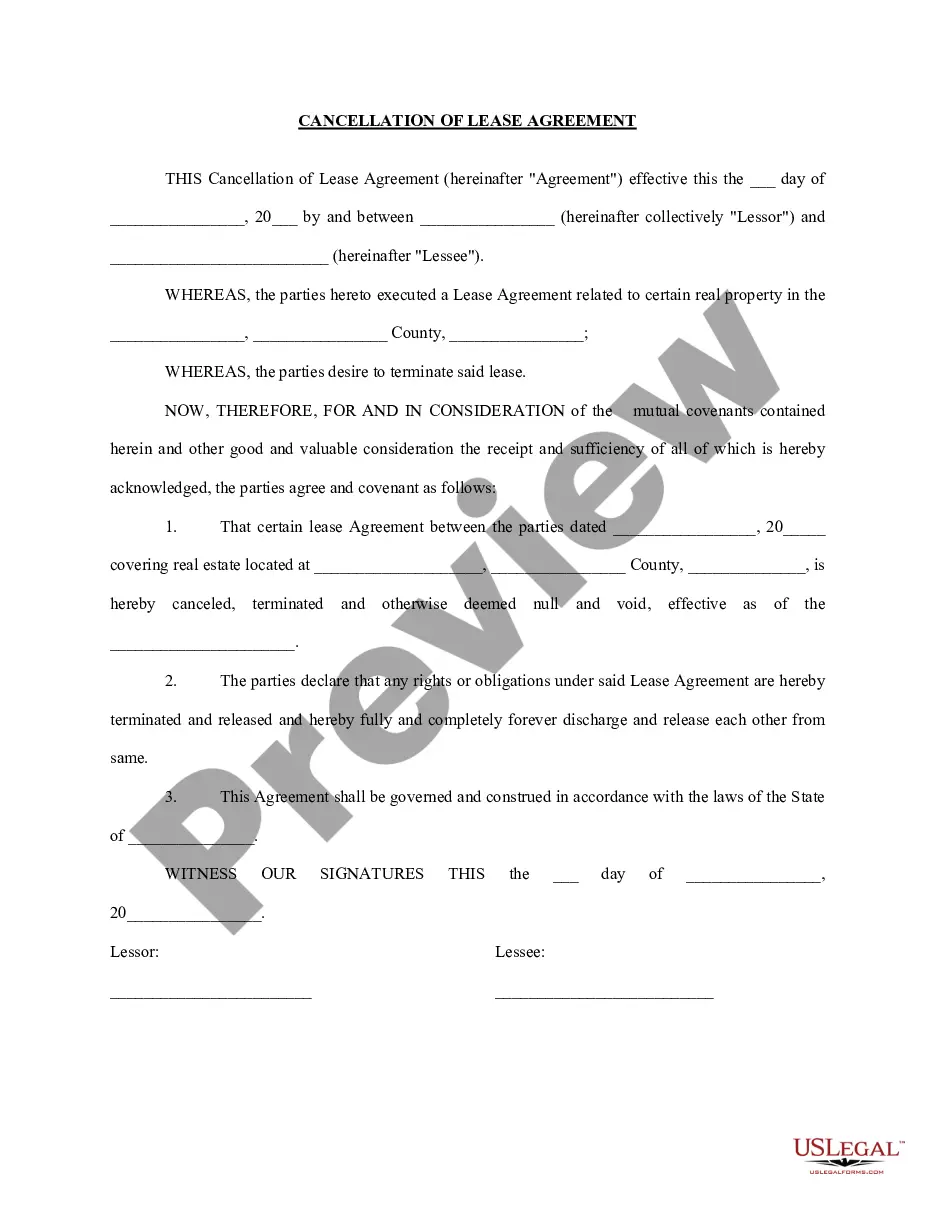
Residential Property Lease With Guarantor In Broward
Description

Get your form ready online
Our built-in tools help you complete, sign, share, and store your documents in one place.
Make edits, fill in missing information, and update formatting in US Legal Forms—just like you would in MS Word.
Download a copy, print it, send it by email, or mail it via USPS—whatever works best for your next step.
Sign and collect signatures with our SignNow integration. Send to multiple recipients, set reminders, and more. Go Premium to unlock E-Sign.
If this form requires notarization, complete it online through a secure video call—no need to meet a notary in person or wait for an appointment.
We protect your documents and personal data by following strict security and privacy standards.

Make edits, fill in missing information, and update formatting in US Legal Forms—just like you would in MS Word.

Download a copy, print it, send it by email, or mail it via USPS—whatever works best for your next step.

Sign and collect signatures with our SignNow integration. Send to multiple recipients, set reminders, and more. Go Premium to unlock E-Sign.

If this form requires notarization, complete it online through a secure video call—no need to meet a notary in person or wait for an appointment.

We protect your documents and personal data by following strict security and privacy standards.
Looking for another form?










Form popularity
FAQ
A guarantor on a lease is someone who agrees to cover any financial duties if the tenant fails to meet them. The guarantor will sign a legal agreement with the property owner, binding them to these duties. Guarantors do not have the right to live in the rental property.
Navigating the apartment rental market can be a challenging task, especially if your credit score or income isn't up to par. For many renters, securing an apartment lease often requires the support of a guarantor, also known as a co-signer.
In urban rental markets, landlords often prefer guarantors for young or first-time renters who lack a solid credit history. Co-signers, however, are more common when multiple tenants, such as roommates, jointly take on lease responsibilities.
House but to rent your own. House no uh you do not need to be licensed. This is why by the way thatMoreHouse but to rent your own. House no uh you do not need to be licensed. This is why by the way that for sale by owner. And for rent by owner.
House but to rent your own. House no uh you do not need to be licensed. This is why by the way thatMoreHouse but to rent your own. House no uh you do not need to be licensed. This is why by the way that for sale by owner. And for rent by owner.
BREAKING! Starting July 1st Landlords Cannot Ask The Tenant For Three Times The Rent Anymore. Starting July 1st, landlords can no longer require tenants to prove they earn three times the monthly rent. This new regulation aims to make housing more accessible, especially for those with non-traditional incomes.
Your Liability as a Guarantor A common misconception is that guarantors can easily walk away if the primary borrower defaults. However, as a guarantor, your financial liability is identical to that of the borrower or tenant. If they fail to meet their obligations, creditors can pursue you directly for the debt.
In this situation, as a guarantor, you are likely to be responsible for whatever any of the joint tenants owe the landlord, not just what the tenant you are helping may owe. You may also be responsible for any damage caused by other tenants, not just the one you're wanting to help.
If the tenant damages the property in an amount beyond the security deposit, the landlord may pursue the guarantor to cover the remainder. If there is more than one tenant in the home, the guarantor could be responsible for rent arrears and damages by the other tenants.
Employment / Income Verification To qualify your monthly income should be at least 3x the monthly rental rate. Example: If the rent is $1000 per month your combined income should be no less than $3000 per month.