Offer To Sell Sample Formula In Wayne
Description
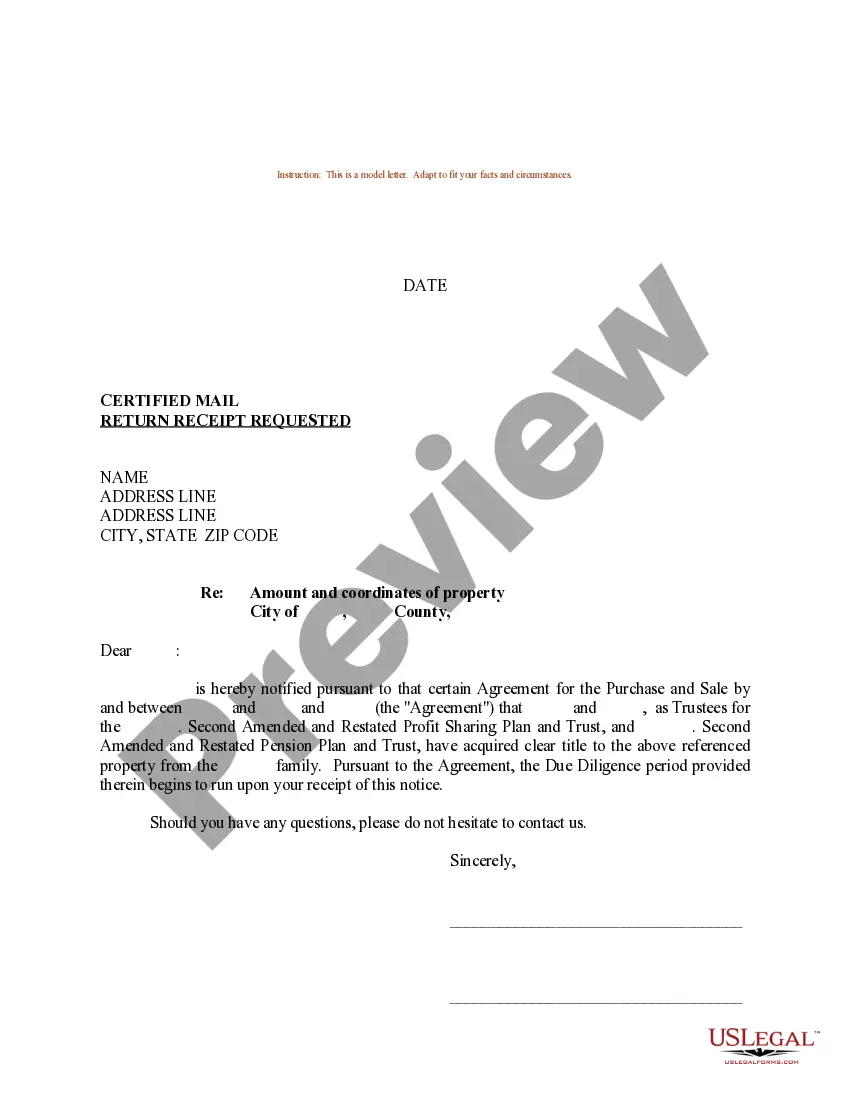
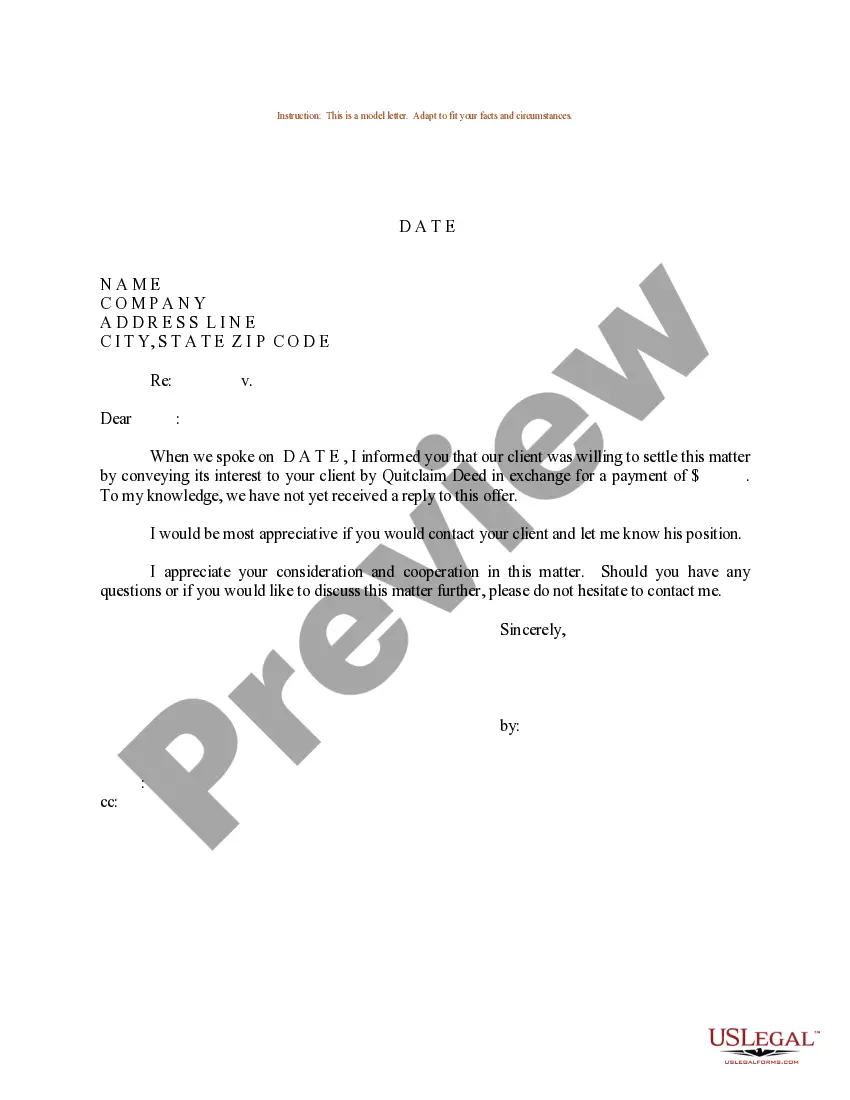
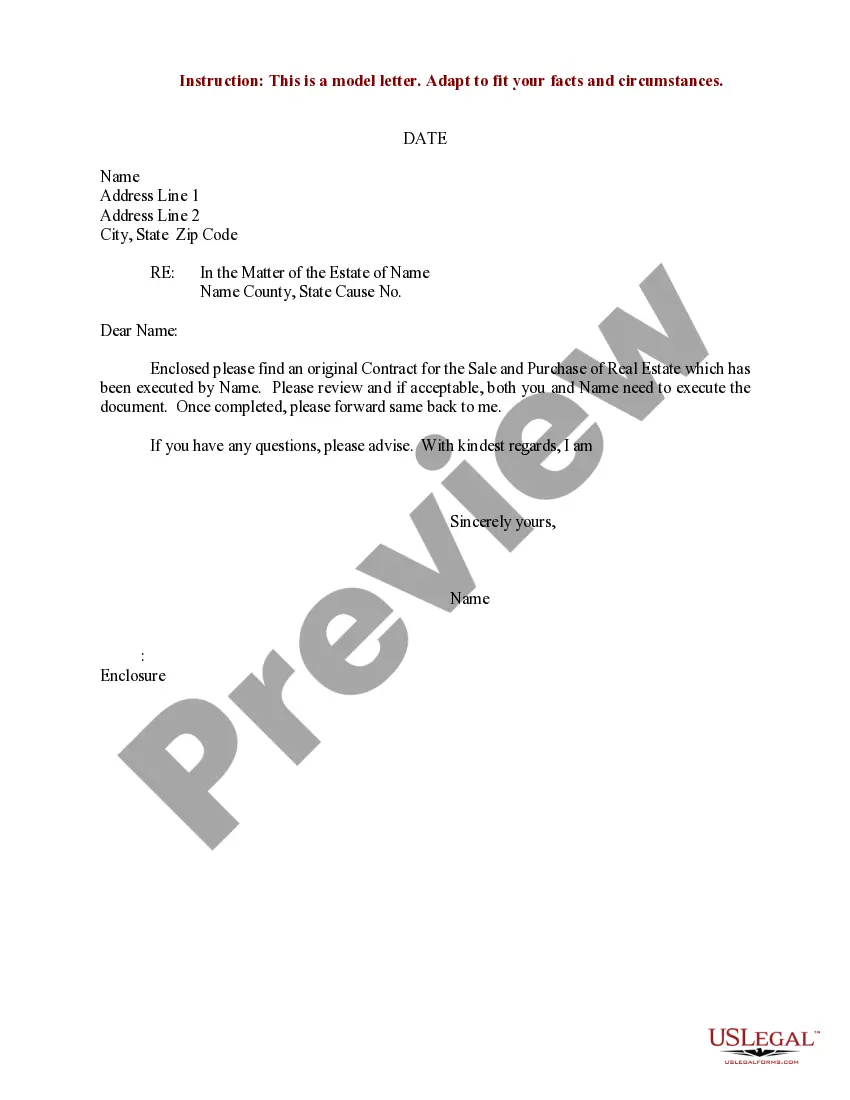
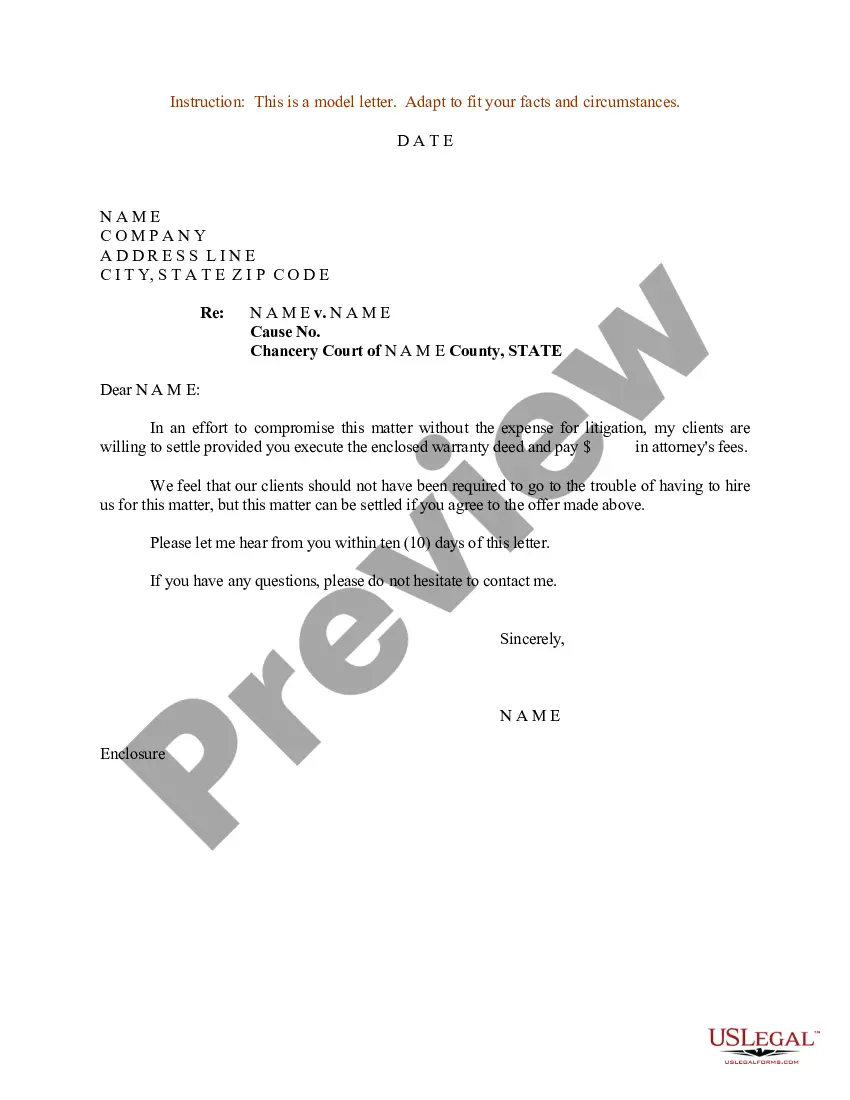
Get your form ready online
Our built-in tools help you complete, sign, share, and store your documents in one place.
Make edits, fill in missing information, and update formatting in US Legal Forms—just like you would in MS Word.
Download a copy, print it, send it by email, or mail it via USPS—whatever works best for your next step.
Sign and collect signatures with our SignNow integration. Send to multiple recipients, set reminders, and more. Go Premium to unlock E-Sign.
If this form requires notarization, complete it online through a secure video call—no need to meet a notary in person or wait for an appointment.
We protect your documents and personal data by following strict security and privacy standards.

Make edits, fill in missing information, and update formatting in US Legal Forms—just like you would in MS Word.

Download a copy, print it, send it by email, or mail it via USPS—whatever works best for your next step.

Sign and collect signatures with our SignNow integration. Send to multiple recipients, set reminders, and more. Go Premium to unlock E-Sign.

If this form requires notarization, complete it online through a secure video call—no need to meet a notary in person or wait for an appointment.

We protect your documents and personal data by following strict security and privacy standards.
Looking for another form?





Form popularity
FAQ
Homeowners Property Exemption (HOPE) Homeowners may be granted a full (100%) or partial (50%) exemption from their property taxes. Each applicant must own and occupy the property as his/her primary homestead as of December 31, 2021, and meet specific income requirements.
Real Property Tax Forfeiture and Foreclosures Parcels are forfeited to the county treasurers when the real property taxes are in the second year of delinquency. Real property taxes which remain unpaid as of March 31 in the third year of delinquency are foreclosed upon by the Foreclosing Governmental Unit (FGU).
Tax information can be obtained from the Treasurer's Office either by parcel number, address, or owner name. Taxpayers can access tax amounts and taxable values to be used in preparing federal and state tax returns by viewing the information online, visiting the Treasurer's Office, or by phoning 734-722-2000.
The general sample mean formula for calculating the sample mean is expressed as x̄ = ( Σ xi ) ÷ n. Here, x̄ denotes the average value of the samples or sample mean, xi refers all X sample values and 'n' stands for the number of sample terms in the given data.
Formulas are equations that perform calculations on values in your sheet. All formulas begin with an equal sign (=). You can create a simple formula by using constant and calculation operator. For example, the formula =5+23, multiplies two numbers and then adds a number to the result.
Sample Size Formula n = NX / (X + N – 1), Where, X = Zα/22 p(1-p) / MOE2, Zα/2 is the critical value of the Normal distribution at α/2 (for a confidence level of 95%, α is 0.05, and the critical value is 1.96).
The rand() function is the key tool needed to take a random sample. If you enter the function =rand() in a cell, Excel is equally likely to return any number between 0 and 1. For example, there is a 10% chance you will see a number between 0 and 0.1 and a 20% chance you will see a number between 0.8 and 1.
There are 4 key steps to select a simple random sample. Step 1: Define the population. Start by deciding on the population that you want to study. Step 2: Decide on the sample size. Next, you need to decide how large your sample size will be. Step 3: Randomly select your sample. Step 4: Collect data from your sample.
