Offer To Sell Sample Formula In Pennsylvania
Description
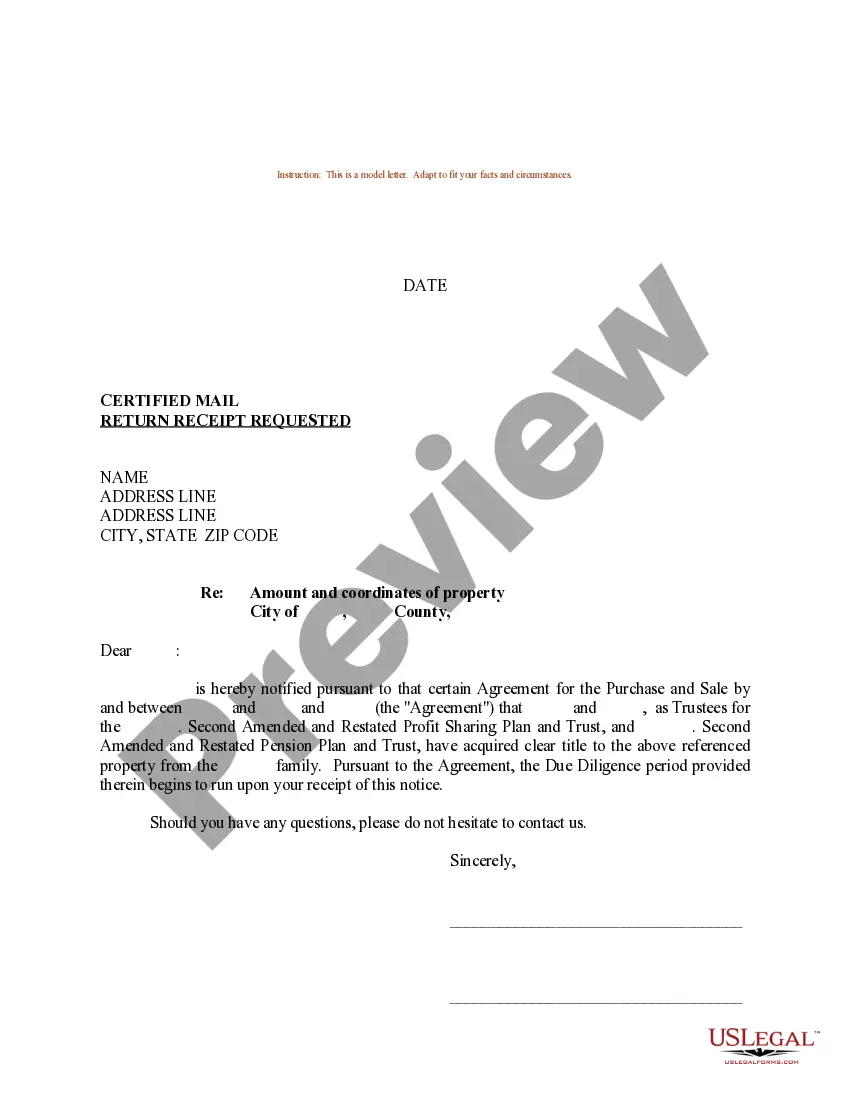
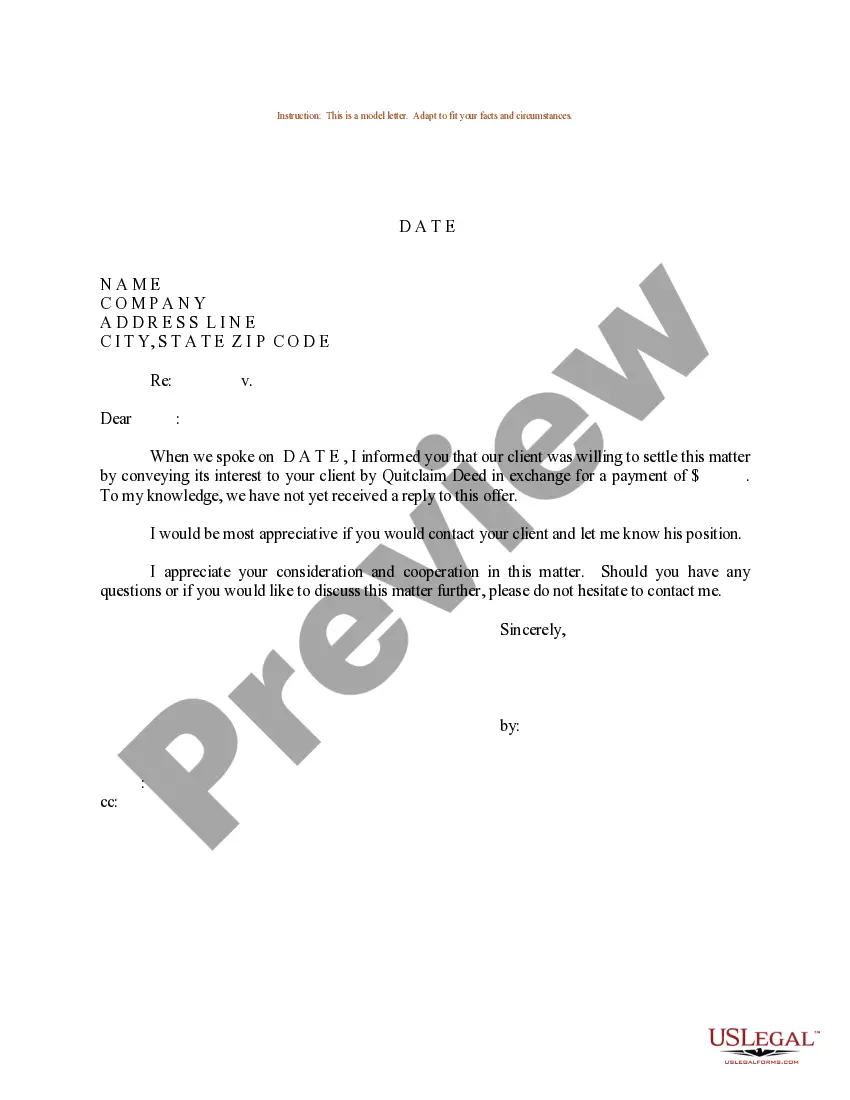
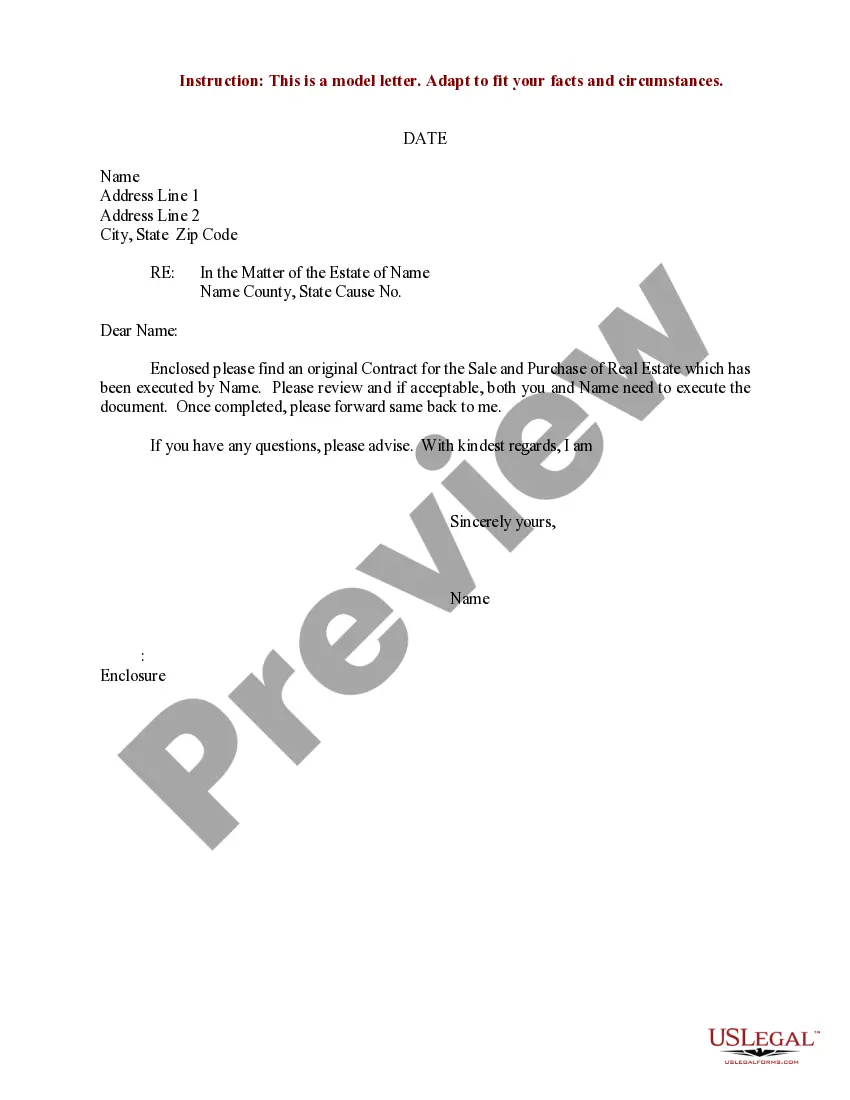

Get your form ready online
Our built-in tools help you complete, sign, share, and store your documents in one place.
Make edits, fill in missing information, and update formatting in US Legal Forms—just like you would in MS Word.
Download a copy, print it, send it by email, or mail it via USPS—whatever works best for your next step.
Sign and collect signatures with our SignNow integration. Send to multiple recipients, set reminders, and more. Go Premium to unlock E-Sign.
If this form requires notarization, complete it online through a secure video call—no need to meet a notary in person or wait for an appointment.
We protect your documents and personal data by following strict security and privacy standards.

Make edits, fill in missing information, and update formatting in US Legal Forms—just like you would in MS Word.

Download a copy, print it, send it by email, or mail it via USPS—whatever works best for your next step.

Sign and collect signatures with our SignNow integration. Send to multiple recipients, set reminders, and more. Go Premium to unlock E-Sign.

If this form requires notarization, complete it online through a secure video call—no need to meet a notary in person or wait for an appointment.

We protect your documents and personal data by following strict security and privacy standards.
Looking for another form?
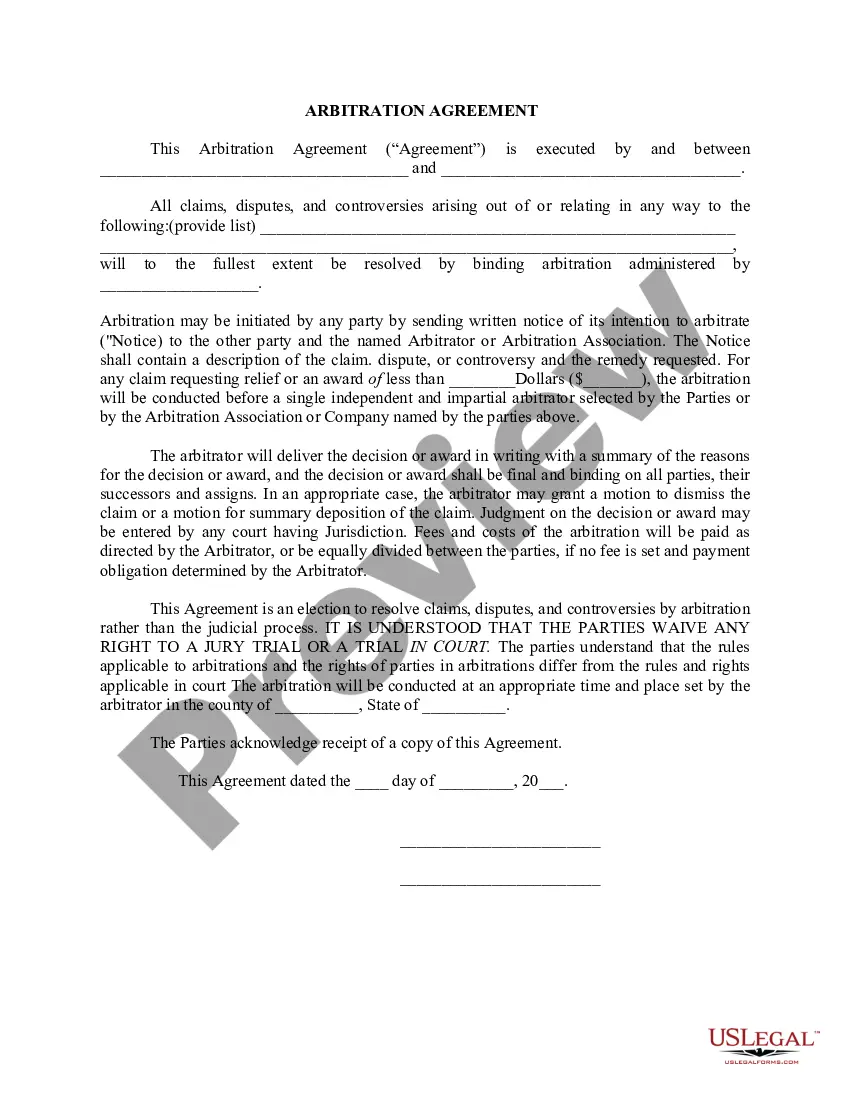







Form popularity
FAQ
(4) In the case of an exclusive right-to-sell agreement, a statement in bold face type that the broker earns a commission on the sale of the property during the listing period by whomever made, including the owner.
Federal Exclusion of Long-Term Capital Gains Ownership test: You have owned the home for at least two years before the sale. Use test: You must show proof of occupancy, meaning you have lived in the home and used it as your primary residence for at least two years before the sale.
CGT 6-Year Rule Allows temporary renting of PPOR for up to 6 years while still claiming main residence exemption. – Each 6-year absence period is treated individually. - No limit on number of times you can use this exemption. - Property must have been your main residence before renting out.
There is no exemption for capital gains taxes in Pennsylvania because the state treats it as income. However, the Pennsylvania Department of Revenue exempts specific types of real estate transfers from the state-level Realty Transfer Tax (RTT).
Who qualifies for 0% capital gains in 2025. Starting in 2025, single filers can qualify for the 0% long-term capital gains rate with taxable income of $48,350 or less, and married couples filing jointly are eligible with $96,700 or less. However, taxable income is significantly lower than your gross earnings.
Selling your house without a real estate agent in Pennsylvania is possible, but it can be a challenging process. While the state does not require you to have a real estate attorney, it's smart to hire one for a for-sale-by-owner transaction anyway.
How do you write a contract for sale? Title the document appropriately. List all parties involved in the agreement. Detail the product or service, including all rights, warranties, and limitations. Specify the duration of the contract and any important deadlines.
Ing to Boundy (2012), typically, a written contract will include: Date of agreement. Names of parties to the agreement. Preliminary clauses. Defined terms. Main contract clauses. Schedules/appendices and signature provisions (para. 5).
A comprehensive guide on how to draft a contract Know your parties. Agree on the terms. Set clear boundaries. Spell out the consequences. Specify how you will resolve disputes. Cover confidentiality. Check the legality of the contract. Open it up to negotiation.

