Offer For Property Letter Template In Maryland
Description
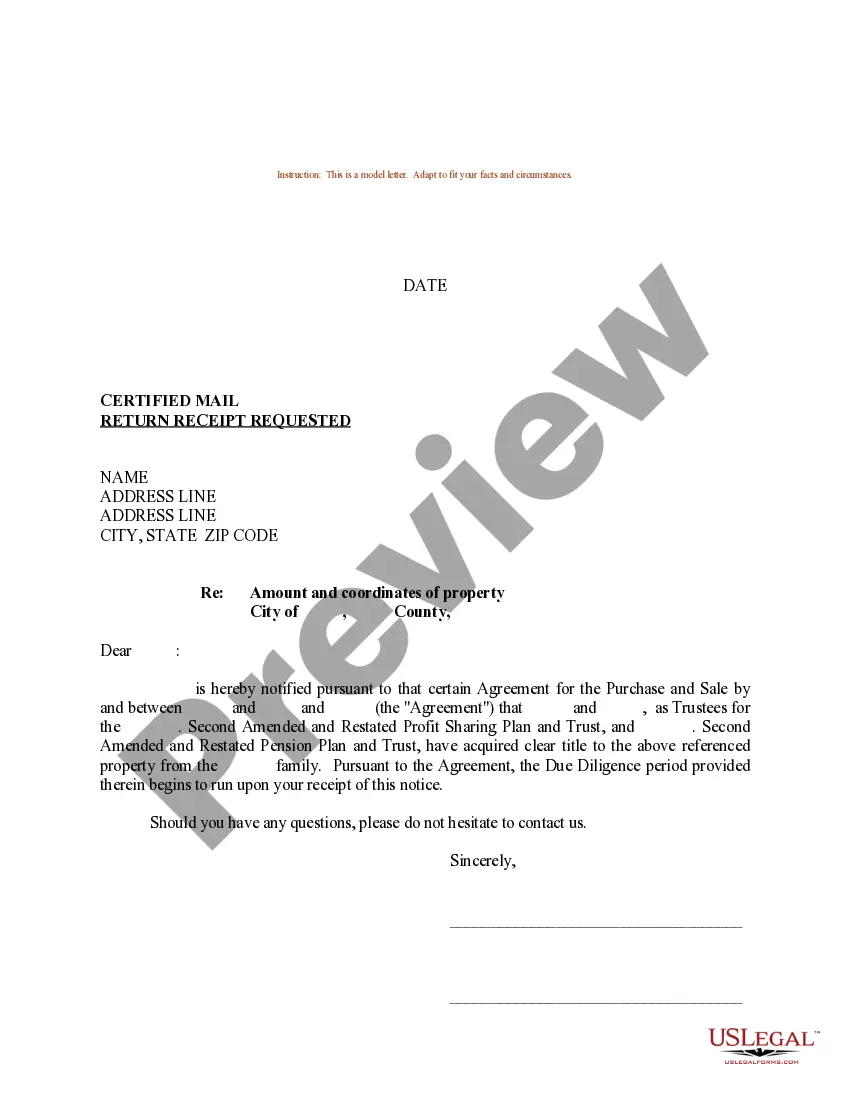
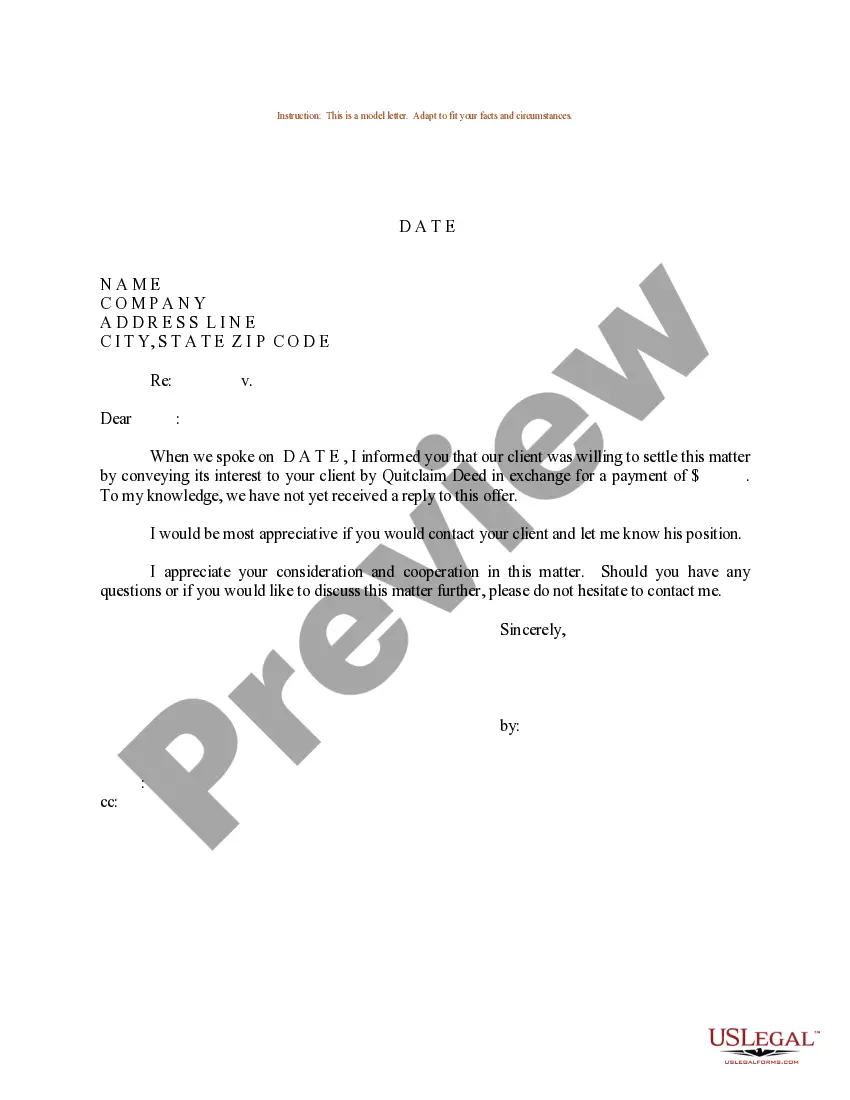
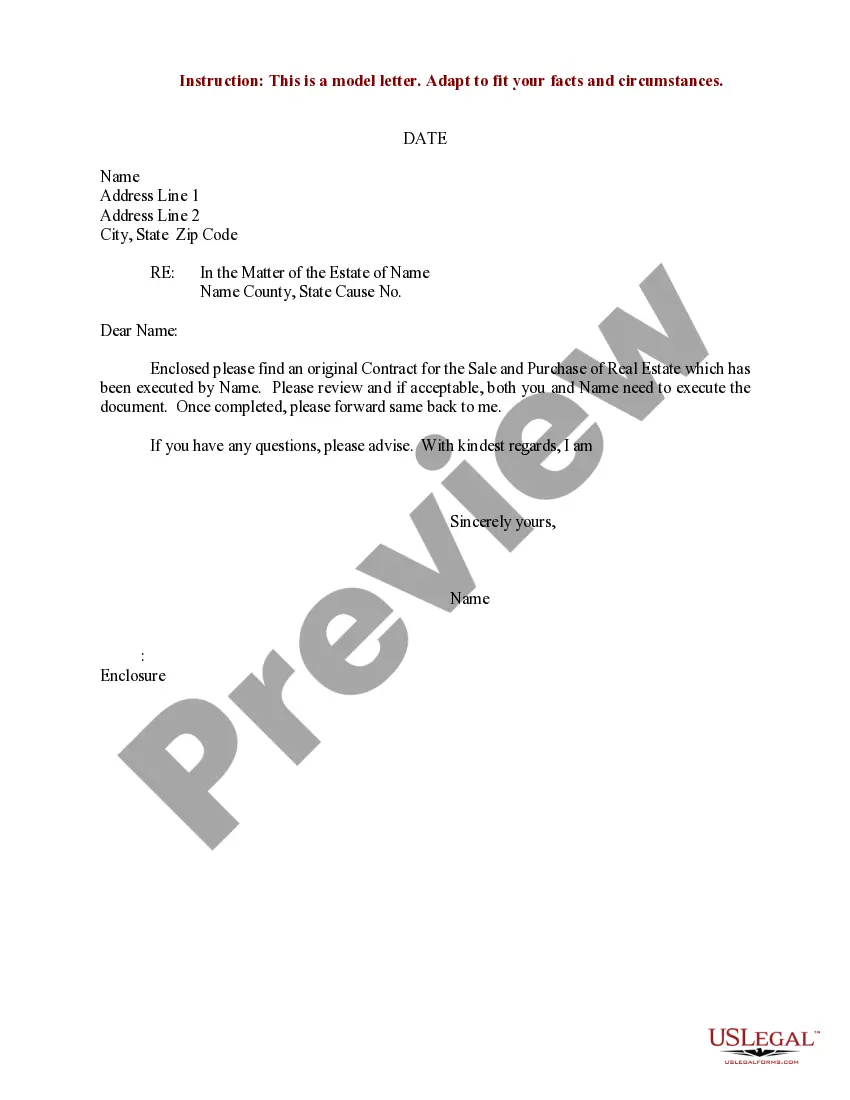
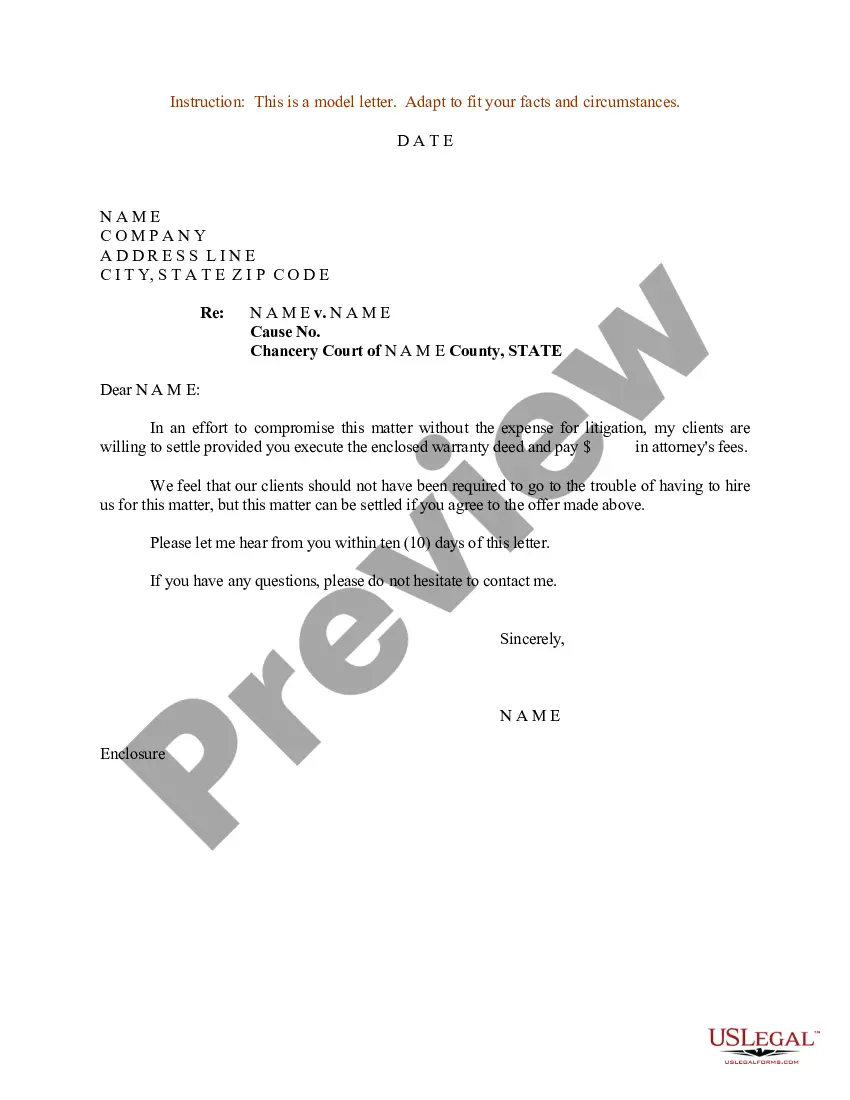
Get your form ready online
Our built-in tools help you complete, sign, share, and store your documents in one place.
Make edits, fill in missing information, and update formatting in US Legal Forms—just like you would in MS Word.
Download a copy, print it, send it by email, or mail it via USPS—whatever works best for your next step.
Sign and collect signatures with our SignNow integration. Send to multiple recipients, set reminders, and more. Go Premium to unlock E-Sign.
If this form requires notarization, complete it online through a secure video call—no need to meet a notary in person or wait for an appointment.
We protect your documents and personal data by following strict security and privacy standards.

Make edits, fill in missing information, and update formatting in US Legal Forms—just like you would in MS Word.

Download a copy, print it, send it by email, or mail it via USPS—whatever works best for your next step.

Sign and collect signatures with our SignNow integration. Send to multiple recipients, set reminders, and more. Go Premium to unlock E-Sign.

If this form requires notarization, complete it online through a secure video call—no need to meet a notary in person or wait for an appointment.

We protect your documents and personal data by following strict security and privacy standards.
Looking for another form?





Form popularity
FAQ
If the buyer is not working with a real estate agent and does not have representation, the offer would come directly from the buyer. Represented buyers can also write their own offer letter and have their agent submit it for them.
While letters of intent may be used in both commercial and residential real estate, letters of intent are typically used in commercial real estate leases and purchases and not in residential transactions.
How to Write an LOI in Commercial Real Estate Structure it like a letter. Write the opening paragraph. State the parties involved. Draft a property description. Outline the terms of the offer. Include disclaimers. Conclude with a closing statement.
Components of a LOI Opening Paragraph: Your summary statement. Statement of Need: The "why" of the project. ( ... Project Activity: The "what" and "how" of the project. ( ... Outcomes (1–2 paragraphs; before or after the Project Activity) ... Credentials (1–2 paragraphs) ... Budget (1–2 paragraphs) ... Closing (1 paragraph) ... Signature.
Tips For Writing An Offer Letter For a House Confirm You Can Submit A Letter. Address The Seller(s) By Name And Introduce Yourself. Highlight What You Like Best About The House. Keep It Short. Avoid Talking About Planned Changes To The House. Don't Talk About Financials. End With A Thank You. Proofread Your Letter.
While a letter of intent is not a legal document and need not be notarized, it is wise to discuss what it should include with a well-informed estate planning attorney before you begin.
Your letter should explain why you're interested in buying the house and include details regarding your mortgage financing and expected closing date. Often, the key to writing the best offer letter is finding a way to connect with the seller on a personal level.
Write a polite letter showing your interest in the apartment and explaining why you're a good tenant. What should be written in an offer letter? An offer letter should include your details, the rent amount you're offering, your move-in date, and why you'd make a great tenant.
“In a buyer's market, I would not hesitate to submit an offer that's around 10% below asking,” advises Chris Cloud of Exit Heritage Realty in Haymarket, VA. “Most sellers will at least see that as worthy of a counteroffer.”

