Offer To Sell Sample Format In Georgia
Description
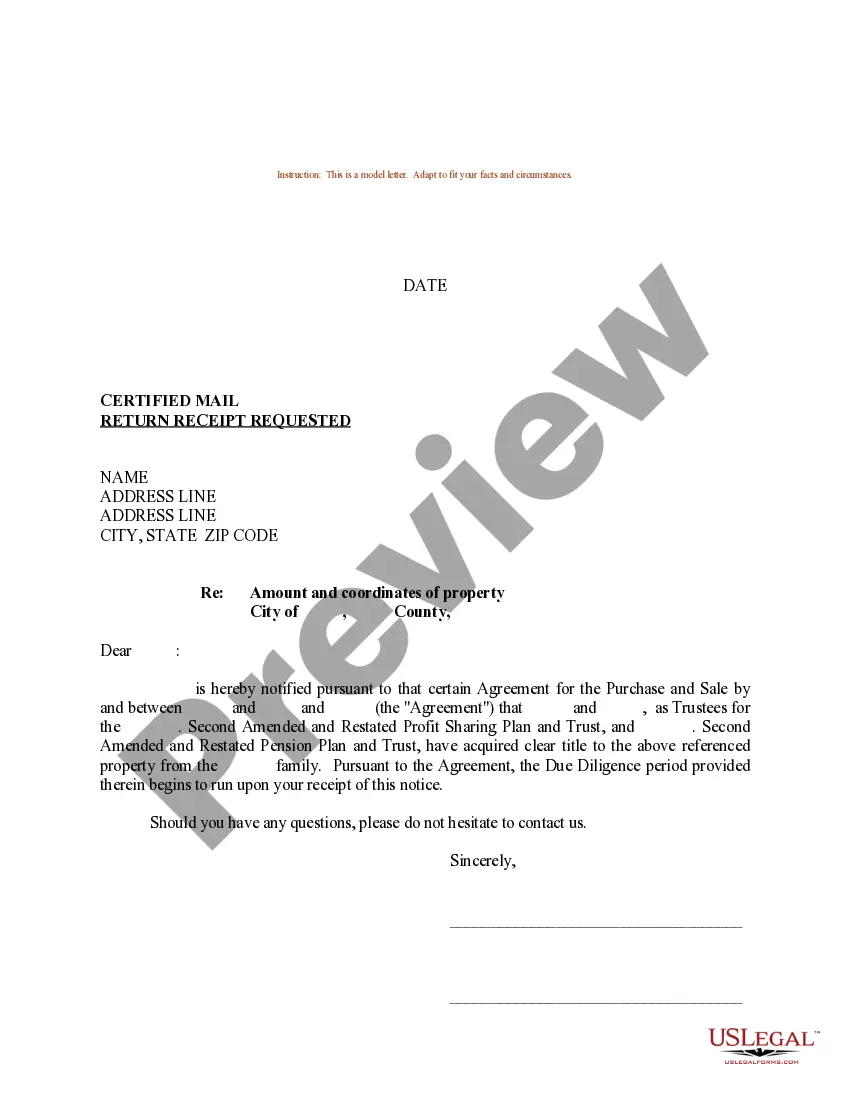
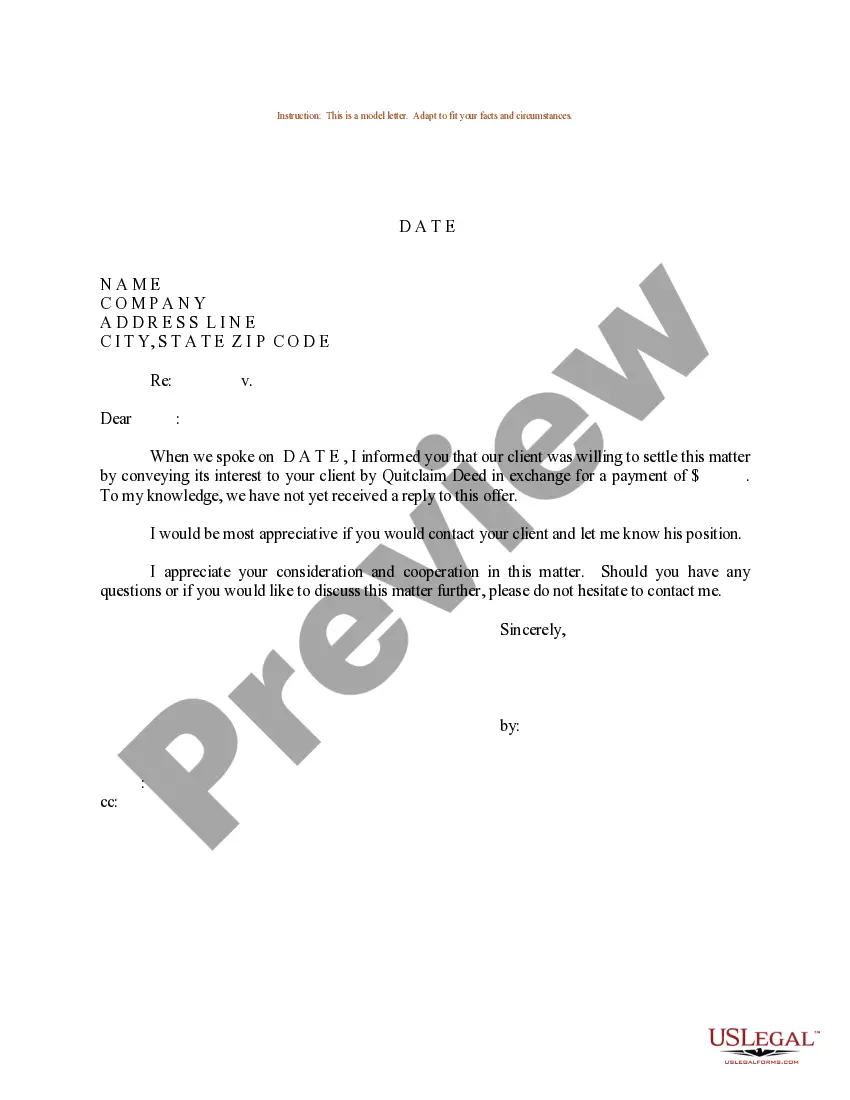
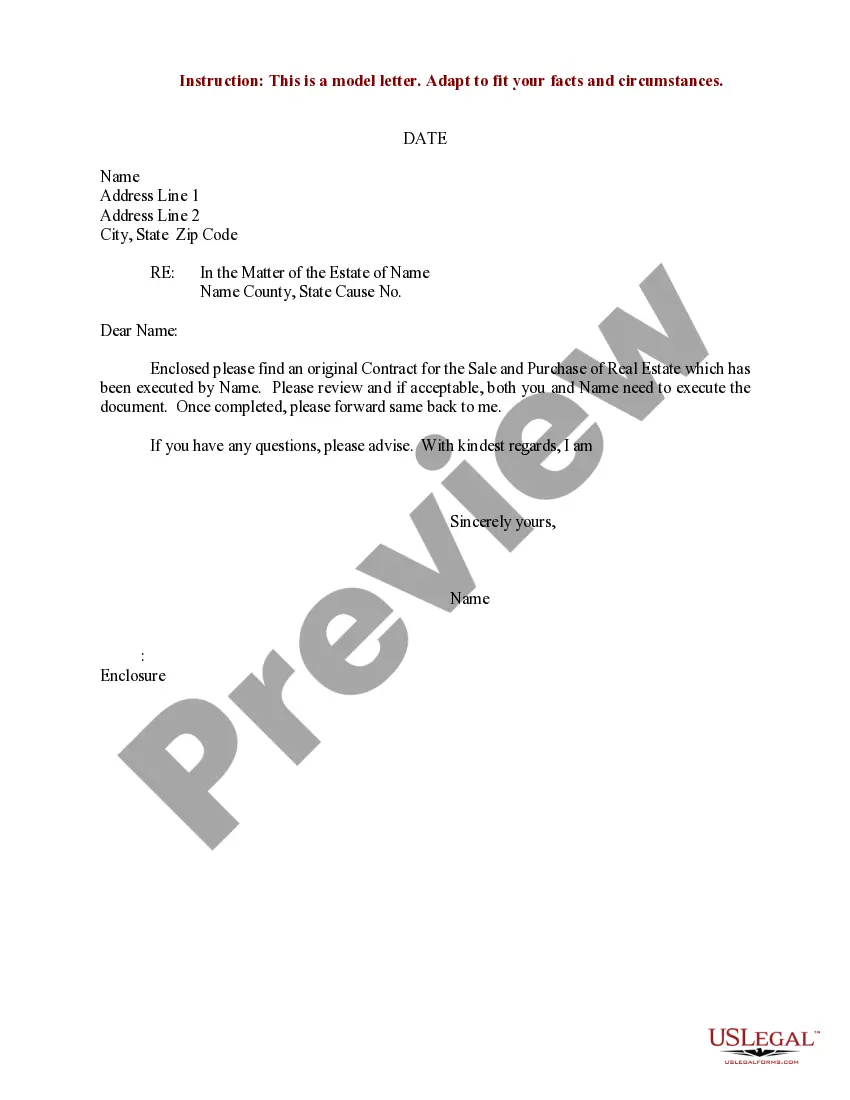
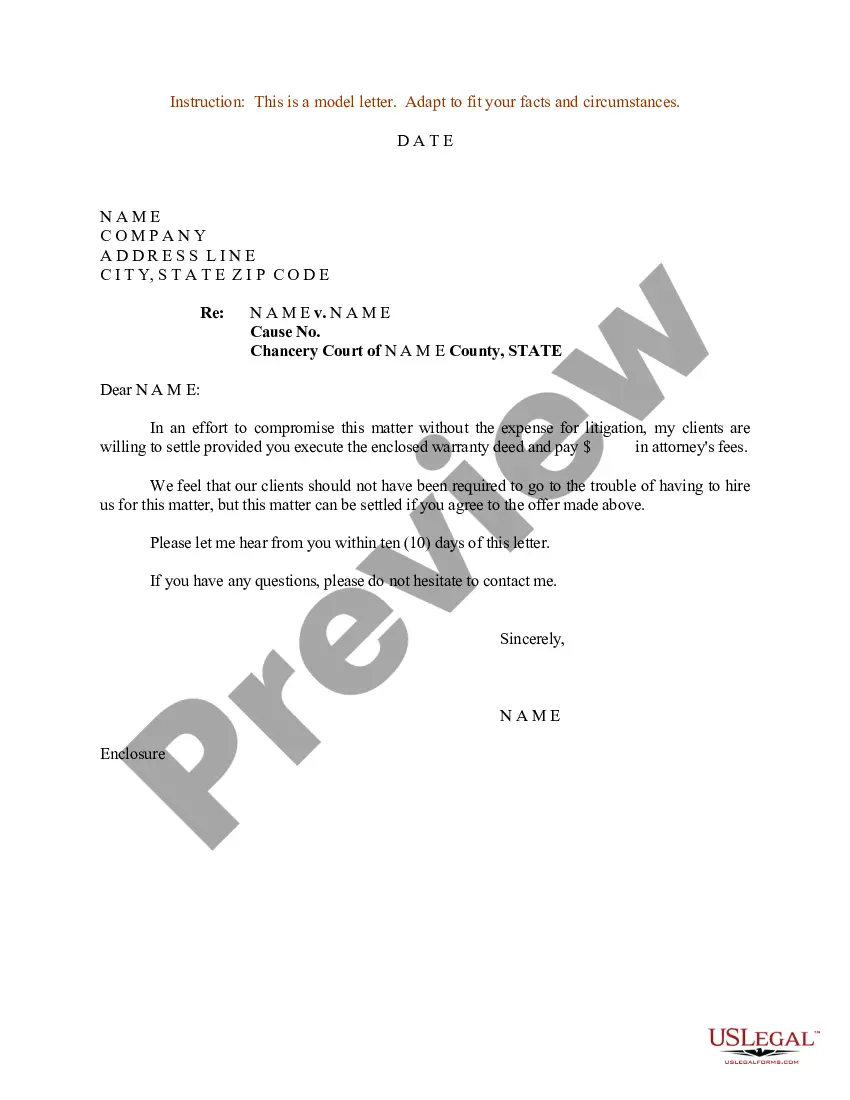
Get your form ready online
Our built-in tools help you complete, sign, share, and store your documents in one place.
Make edits, fill in missing information, and update formatting in US Legal Forms—just like you would in MS Word.
Download a copy, print it, send it by email, or mail it via USPS—whatever works best for your next step.
Sign and collect signatures with our SignNow integration. Send to multiple recipients, set reminders, and more. Go Premium to unlock E-Sign.
If this form requires notarization, complete it online through a secure video call—no need to meet a notary in person or wait for an appointment.
We protect your documents and personal data by following strict security and privacy standards.

Make edits, fill in missing information, and update formatting in US Legal Forms—just like you would in MS Word.

Download a copy, print it, send it by email, or mail it via USPS—whatever works best for your next step.

Sign and collect signatures with our SignNow integration. Send to multiple recipients, set reminders, and more. Go Premium to unlock E-Sign.

If this form requires notarization, complete it online through a secure video call—no need to meet a notary in person or wait for an appointment.

We protect your documents and personal data by following strict security and privacy standards.
Looking for another form?






Form popularity
FAQ
Yes. It is now a Georgia law that requires a buyer to have a written contract with a buyer's agent. If not, you are considered a customer and not a client. This is all part of the big effort for agency disclosure.
Agents have expert negotiating skills. Without one, you must negotiate the terms of the contract on your own. “I've heard stories where buyers worked out terms for a contract and found multiple, serious problems after they moved into the home,” Blank says.
Georgia's real estate laws have unique elements that sellers must be aware of. Familiarizing yourself with these laws can help avoid legal pitfalls. For instance, Georgia law requires sellers to have a real estate attorney present at closing, which is not a universal requirement in the United States.
A bill of sale is required in Georgia for all vehicle and vessel transfers. The document needs to include detailed information about the seller, the buyer, the item being transferred, and the transaction itself.
Step 5: Complete a Bill of Sale This form can be used as the official document to protect both parties in the case of miscommunication and must be signed by both the buyer and seller. While not legally required, it may be a good idea to have the Bill of Sale notarized.
For a vehicle, the bill of sale needs to include: The seller's name, contact information, and signature. The buyer's name, contact information, and signature. The year, make, and model of the vehicle, plus the VIN.
Is a handwritten bill of sale legal in Georgia? In Georgia, a bill of sale for a car does not need to be notarized. Like the state form provided, any hand-drafted bill of sale will have to contain the following information: The names, contact information, and signatures of the seller and the buyer.
9. Signatures: The bill of sale is a legally binding document, so both the seller and the buyer must sign it. Additionally, in some cases, a witness's signature may be required by local regulations. These signatures confirm that both parties agree to the terms of the sale and the information in the document.
Can you hand write a bill of sale in Georgia? In Georgia, a bill of sale for a car does not need to be notarized. Like the state form provided, any hand-drafted bill of sale will have to contain the following information: The names, contact information, and signatures of the seller and the buyer.
For instance, Georgia law requires sellers to have a real estate attorney present at closing, which is not a universal requirement in the United States. In Georgia, real estate attorneys play a crucial role in the home selling process. They conduct the title search, prepare the deed, and oversee the closing process.

