Offer For Property In Contra Costa
Description
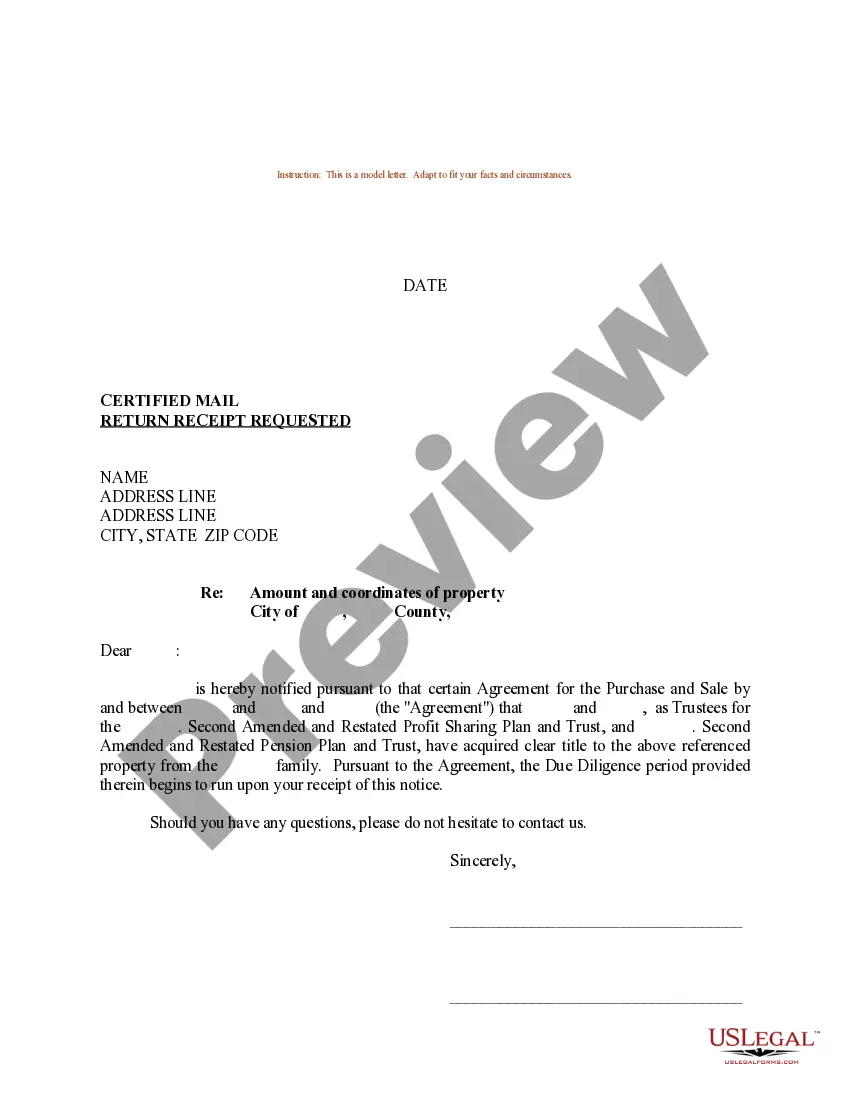
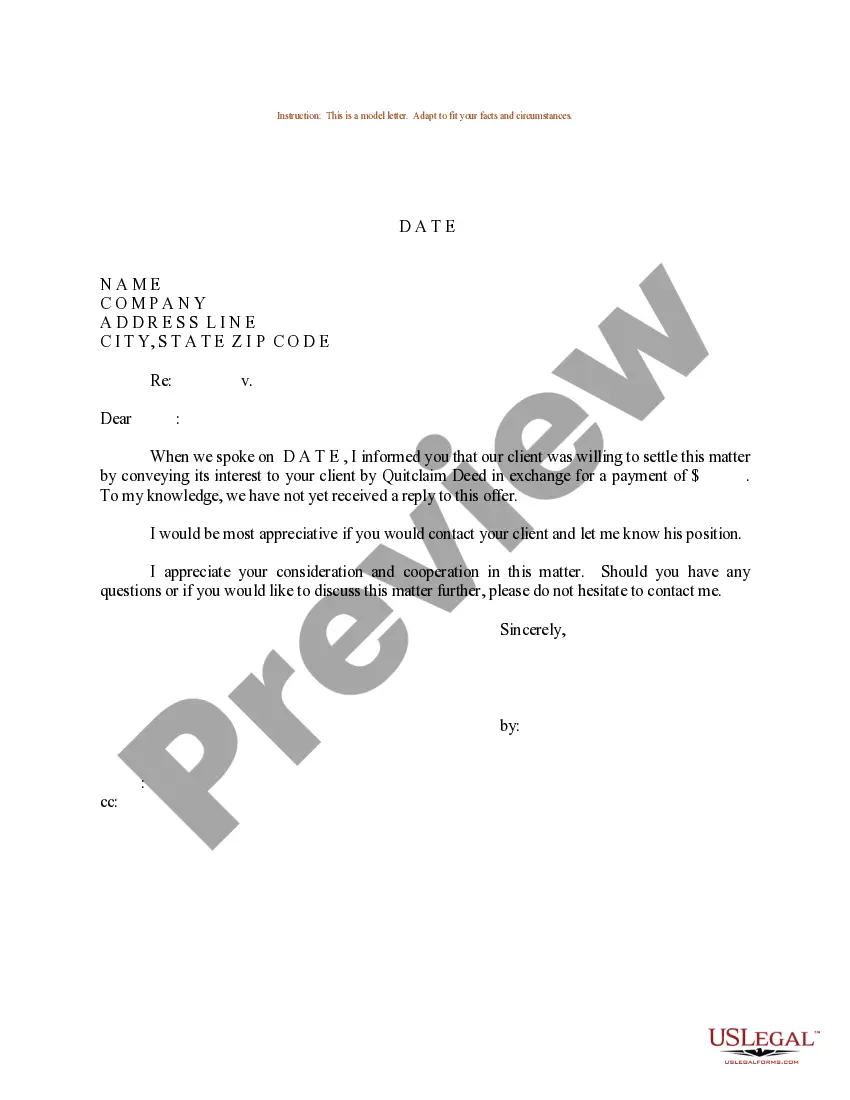
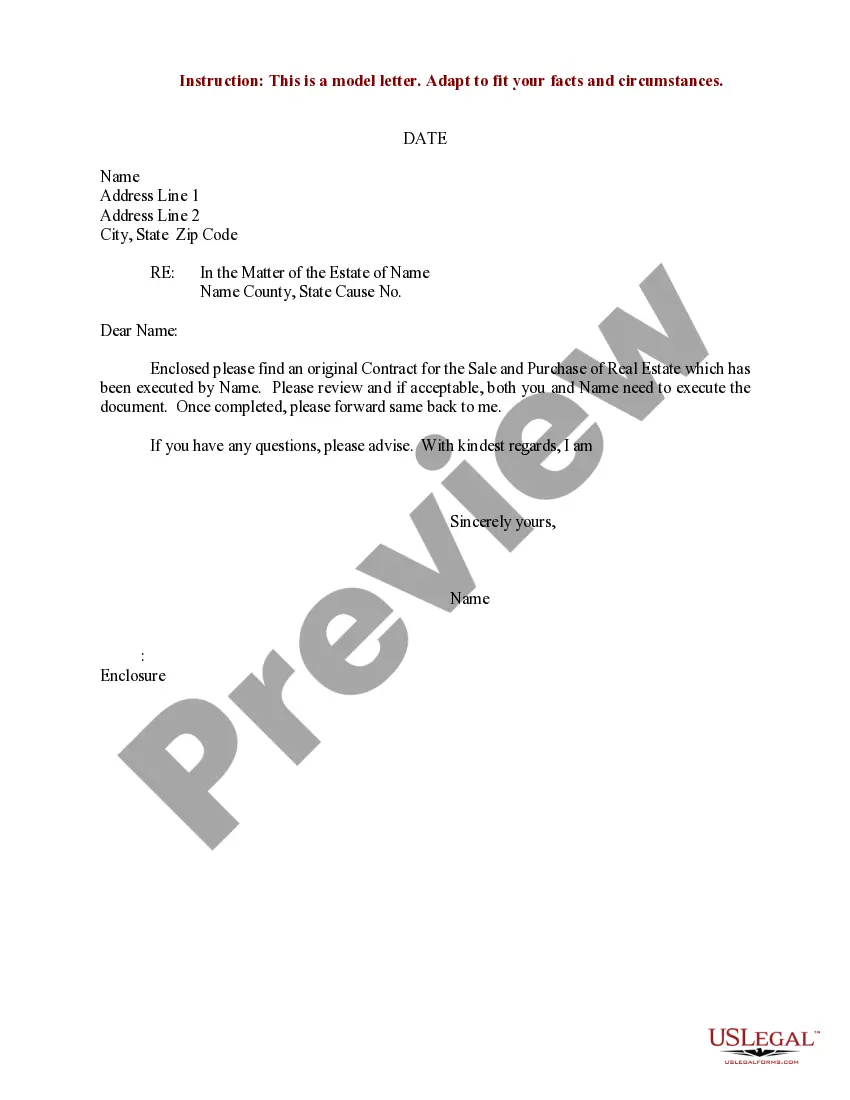
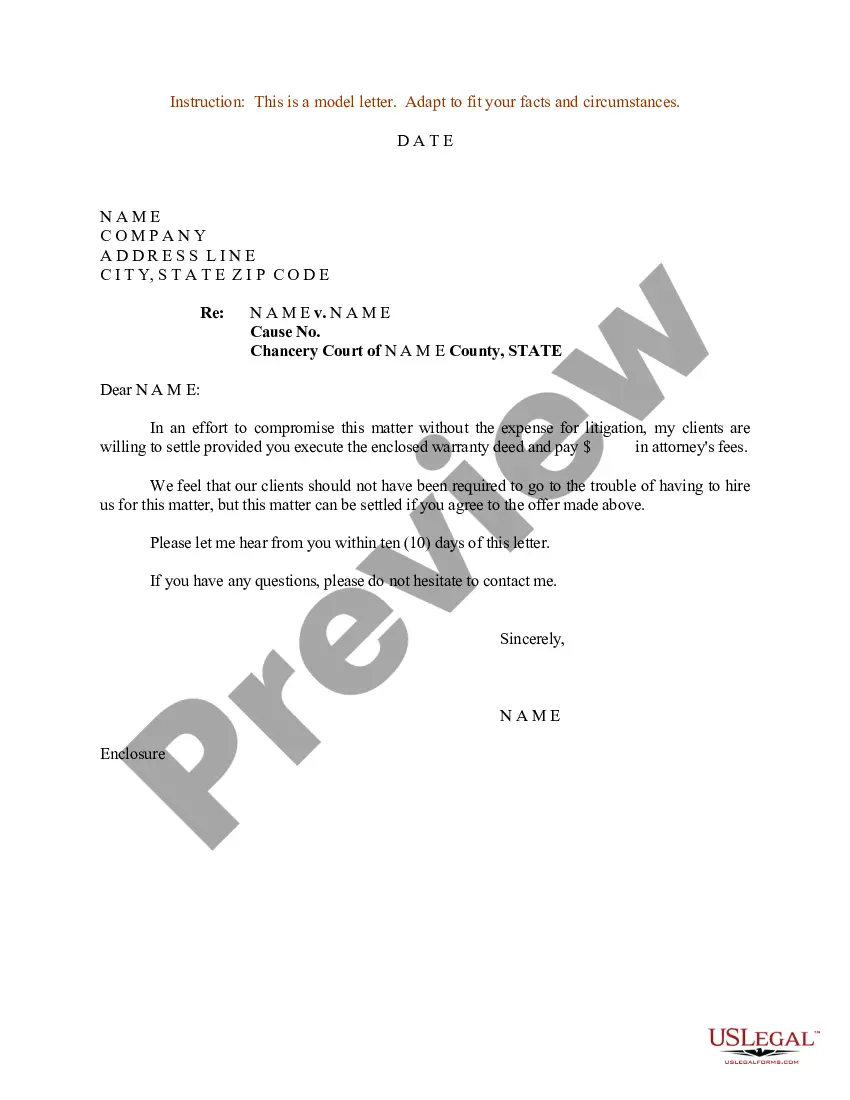
Get your form ready online
Our built-in tools help you complete, sign, share, and store your documents in one place.
Make edits, fill in missing information, and update formatting in US Legal Forms—just like you would in MS Word.
Download a copy, print it, send it by email, or mail it via USPS—whatever works best for your next step.
Sign and collect signatures with our SignNow integration. Send to multiple recipients, set reminders, and more. Go Premium to unlock E-Sign.
If this form requires notarization, complete it online through a secure video call—no need to meet a notary in person or wait for an appointment.
We protect your documents and personal data by following strict security and privacy standards.

Make edits, fill in missing information, and update formatting in US Legal Forms—just like you would in MS Word.

Download a copy, print it, send it by email, or mail it via USPS—whatever works best for your next step.

Sign and collect signatures with our SignNow integration. Send to multiple recipients, set reminders, and more. Go Premium to unlock E-Sign.

If this form requires notarization, complete it online through a secure video call—no need to meet a notary in person or wait for an appointment.

We protect your documents and personal data by following strict security and privacy standards.
Looking for another form?
Form popularity
FAQ
The median property tax rate in Contra Costa is 1.36%, which is significantly higher than both the national median of 0.99% and the California state median of 1.21%.
In Contra Costa County, the median income for a family of four is $147,900/year (as of June 2023). Here are examples of who needs affordable housing: ➢ A single person earning $24/hour ($50,000/year) would be considered Very Low-Income at 50% of the area median income or AMI.
After seven years of discussions -- and to cheers in the council chamber -- the Concord City Council passed a rent stabilization ordinance Tuesday night, joining other Contra Costa County cities like Richmond and Antioch in controlling how much landlords can raise rents annually.
Rents must be “rolled back” to April 4, 2023 rates, but may be increased by 2.52% for calendar year 2023 (2.52% is 60% of the April 2023 CPI). Landlord “fair return” petitions are allowed via a hearing officer process. Tenant rent petitions are allowed via a hearing officer process.
Rent Increase Amount ing to AB-1482, the Tenant Protection Act of 2019, landlords in California are only permitted to increase rent by 5% plus 10% or the annual inflation rate, whichever is lower.
Ways to Invest in Tax Lien Properties in California Online tax lien auctions: Counties across the state frequently hold these auctions to sell liens on properties with unpaid taxes. Investors can register online, review the list of available properties, and place bids.
Property Tax Rates Across Contra Costa County, California The median tax rate in Contra Costa is 1.36%, which is higher than the U.S. national median of 0.99%. Local government entities within Contra Costa set these rates annually, and they can vary significantly between different areas within the county.
2026 REQUEST FOR VALUE REVIEW (PROP 8) California State Revenue and Taxation Code, Section 51 authorizes the Assessor to temporarily lower the assessed value of any real property when it is greater than the market value as of January 1, lien date.
At its core, homestead exemption reduces the taxable value of a homeowner's primary residence, meaning a portion of the home value will not be taxed. This reduction results in lower property tax bills.

