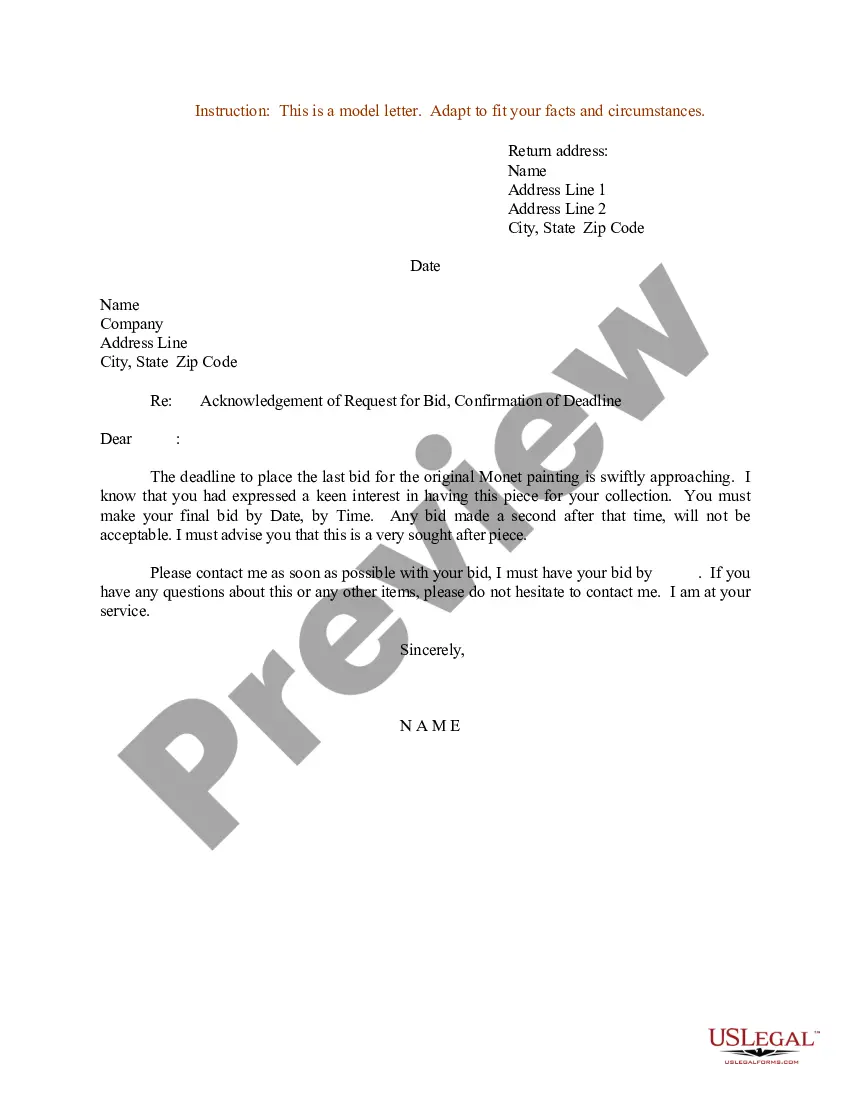
Request For Bid Sample In Philadelphia
Description


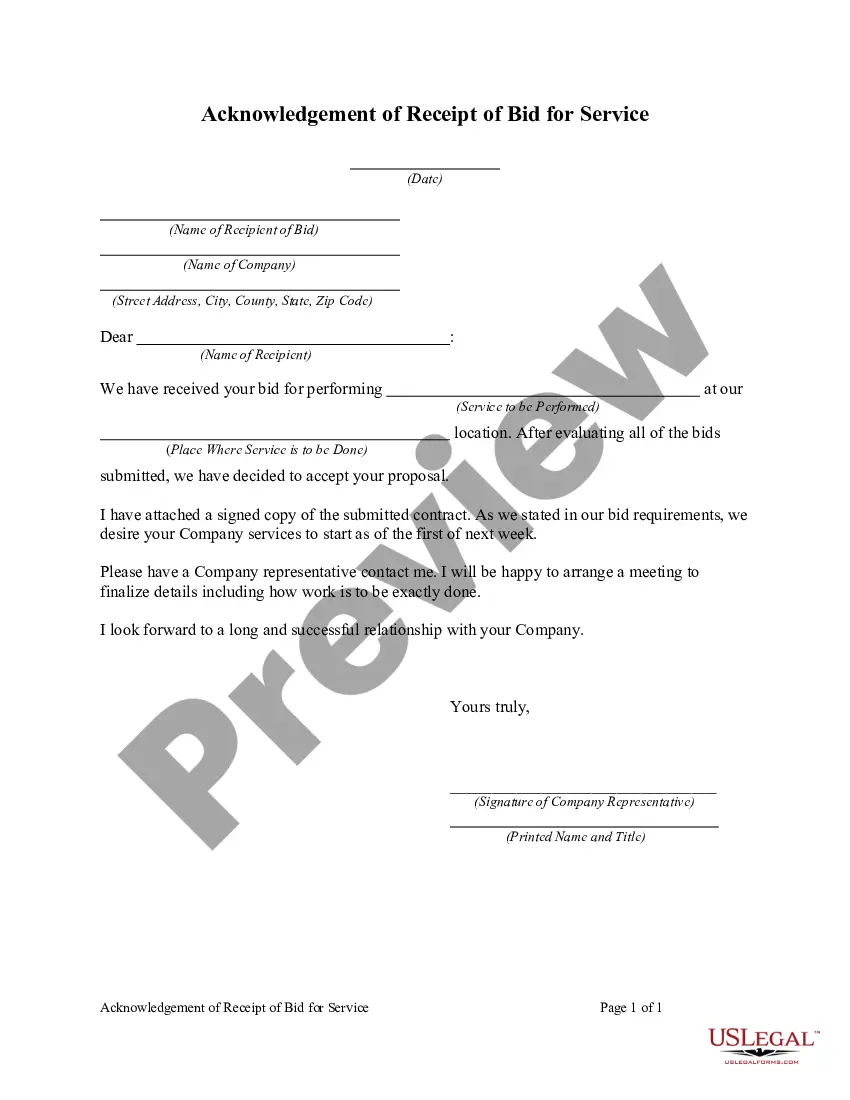
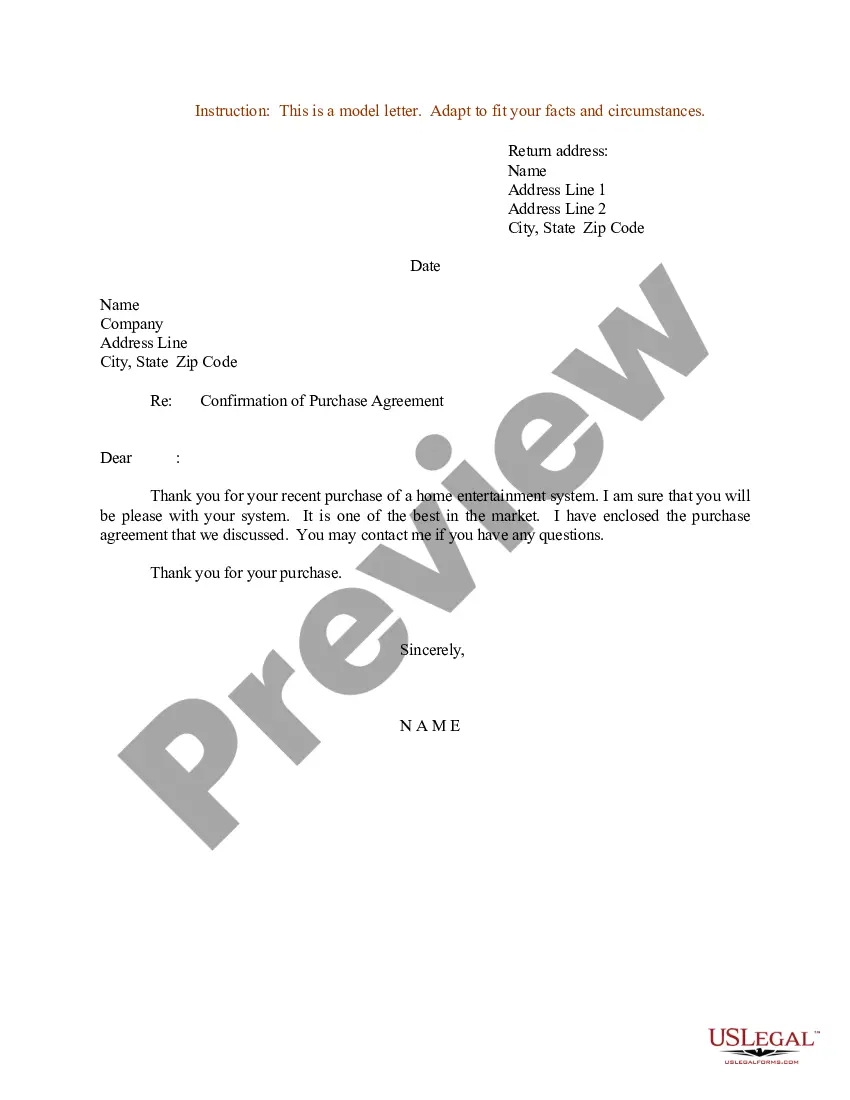
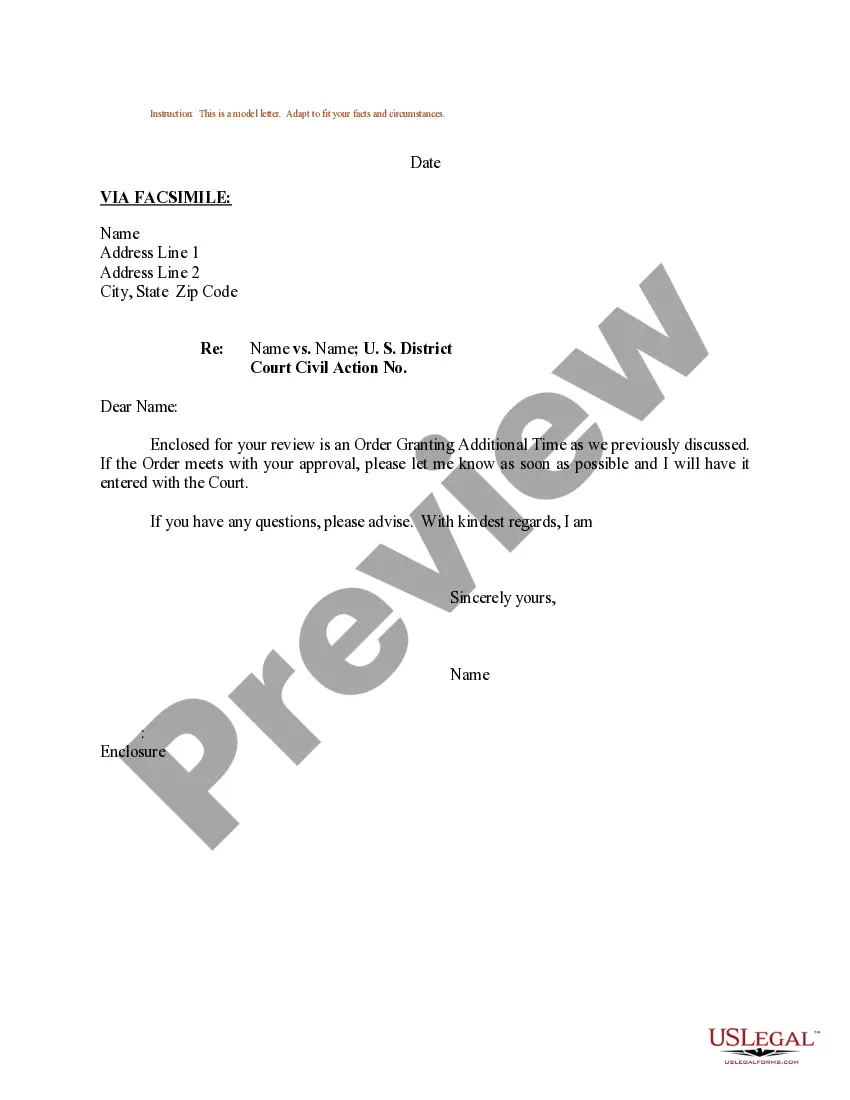
Get your form ready online
Our built-in tools help you complete, sign, share, and store your documents in one place.
Make edits, fill in missing information, and update formatting in US Legal Forms—just like you would in MS Word.
Download a copy, print it, send it by email, or mail it via USPS—whatever works best for your next step.
Sign and collect signatures with our SignNow integration. Send to multiple recipients, set reminders, and more. Go Premium to unlock E-Sign.
If this form requires notarization, complete it online through a secure video call—no need to meet a notary in person or wait for an appointment.
We protect your documents and personal data by following strict security and privacy standards.

Make edits, fill in missing information, and update formatting in US Legal Forms—just like you would in MS Word.

Download a copy, print it, send it by email, or mail it via USPS—whatever works best for your next step.

Sign and collect signatures with our SignNow integration. Send to multiple recipients, set reminders, and more. Go Premium to unlock E-Sign.

If this form requires notarization, complete it online through a secure video call—no need to meet a notary in person or wait for an appointment.

We protect your documents and personal data by following strict security and privacy standards.
Looking for another form?



Form popularity
FAQ
It's not unusual. If you are not comfortable tell them you are willing to do 50% upon delivery of materials, balance upon completion.
Be as Specific as Possible. A key factor in getting accurate bids is to start off by being as specific as possible. It's crucial that the owner and the design team first work out the details of the project, specifying the materials and methods they'd like to be utilized on their project.
LinkedIn is the most popular social network for finding RFPs, but you will also see some on Twitter. Luckily, the search functionality on these networks makes RFPs easy to find. Simply search your industry and 'RFP' to browse through the results and find the latest open opportunities.
The purpose of a bid is to win a contract by offering a solution that meets the client's needs and requirements. On the other hand, a proposal is a document that outlines a solution to a problem or an opportunity.
Companies that need certain jobs performed may solicit vendors for them using two types of requests: a request for qualifications (or RFQ), which determines the best fit for a job based on the qualifications of the applying vendor, and a request for proposal (or RFP), which is a much more detailed document that may be ...
How do you write a good bid? A good bid is clear, detailed, and well-researched. Start with a thorough understanding of the project, provide a competitive and accurate estimate, highlight your qualifications, and ensure your proposal is professional and easy to read.
The world of procurement is brimming with terms and abbreviations. Among them, 'Invitation To Tender' is a common phrase, most often abbreviated as ITT. It can also be known as 'Invitation To Bid' (ITB), a term used similarly but more prevalent in the US, while ITT is widely used in Europe.
The RFP process allows more flexibility than the sealed bid process in the evaluation process. The evaluation committee first evaluates proposals for compliance to the specifications and requirements in the RFP and creates a list of those firms whose proposals meet mandatory requirements.
An invitation to bid (ITB) is an official document issued by a project owner that targets contractors to solicit bids for a construction project. The ITB provides all bidders with information about the project including scope, duration, submission guidelines and minimum qualifications.
A request for proposal (RFP) is a business document that announces a project, describes it, and solicits bids from qualified contractors to complete it.