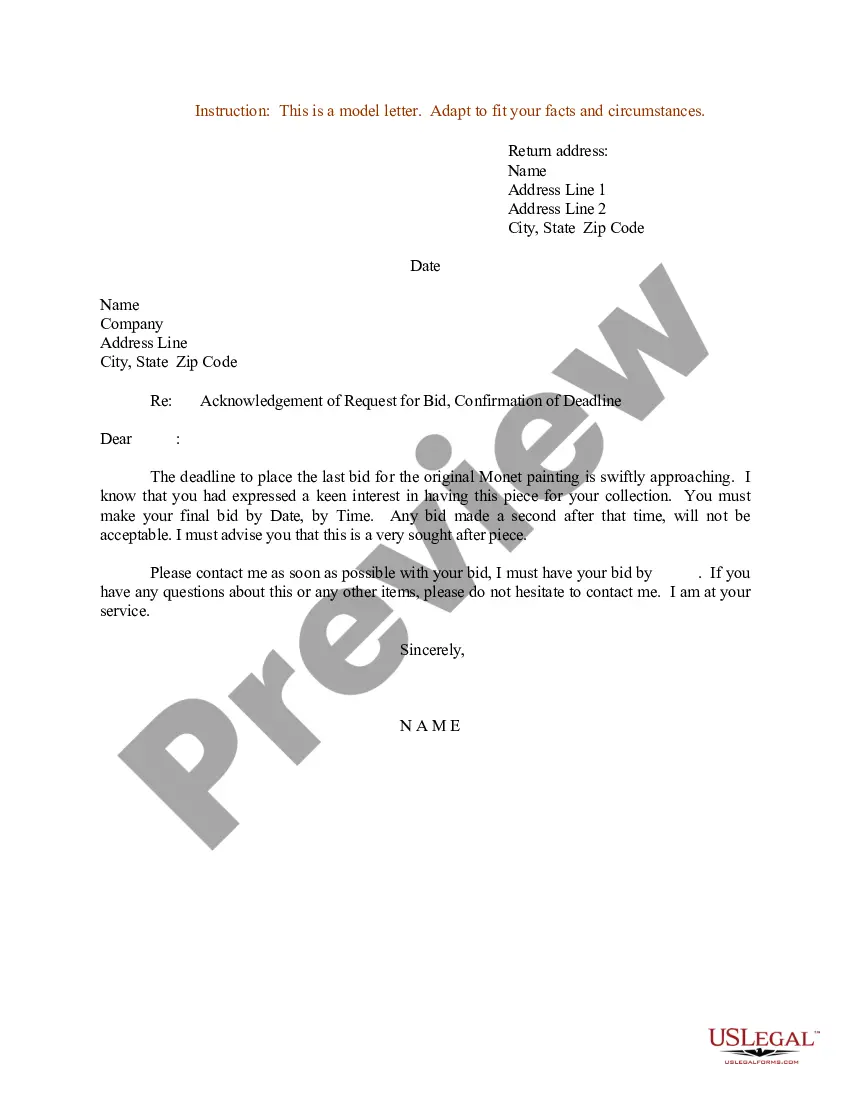
Request For Bid Email In Palm Beach
Description


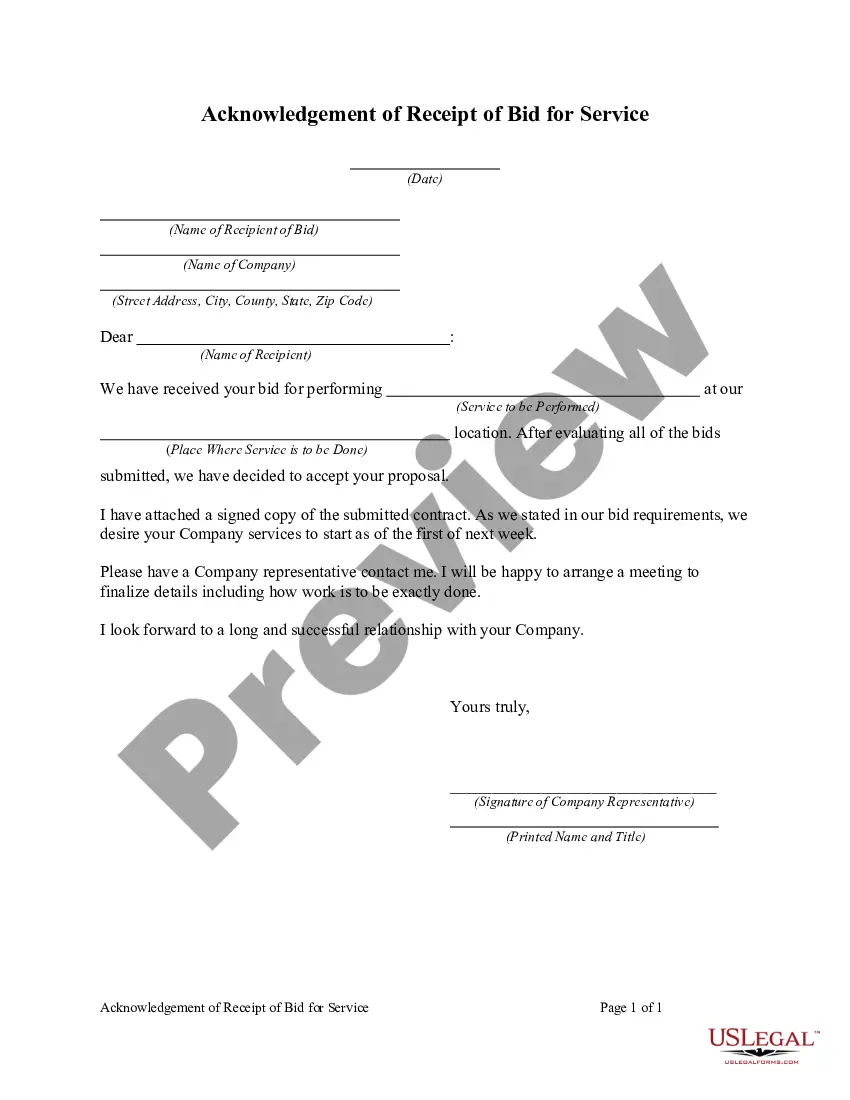
Get your form ready online
Our built-in tools help you complete, sign, share, and store your documents in one place.
Make edits, fill in missing information, and update formatting in US Legal Forms—just like you would in MS Word.
Download a copy, print it, send it by email, or mail it via USPS—whatever works best for your next step.
Sign and collect signatures with our SignNow integration. Send to multiple recipients, set reminders, and more. Go Premium to unlock E-Sign.
If this form requires notarization, complete it online through a secure video call—no need to meet a notary in person or wait for an appointment.
We protect your documents and personal data by following strict security and privacy standards.

Make edits, fill in missing information, and update formatting in US Legal Forms—just like you would in MS Word.

Download a copy, print it, send it by email, or mail it via USPS—whatever works best for your next step.

Sign and collect signatures with our SignNow integration. Send to multiple recipients, set reminders, and more. Go Premium to unlock E-Sign.

If this form requires notarization, complete it online through a secure video call—no need to meet a notary in person or wait for an appointment.

We protect your documents and personal data by following strict security and privacy standards.
Looking for another form?




Form popularity
FAQ
The name and address of the bidder must be shown in the upper left corner of the bid envelope, and the invitation number, the daqte and hour of bid opening and the phrase “Bid for Real Property” must be shown in the lower left corner of the envelope.
It's best to address the letter to the procurement manager or company contact specified in the RFP. Try to avoid a generic greeting like, “To whom it may concern.” Begin the letter by clearly stating your intention to bid and basic company information.
Begin the letter by clearly stating your intention to bid and basic company information. Include contact information for the person who will manage the proposal process. This is the person the buyer should contact if they have questions, need more information or want to begin negotiations.
A letter agreement is typically printed on the letter head of the sender and will have the following elements: the sender's address; the place and date; a subject line (but not a title); the addressee's address; a salutation (generic – Dear Madam, Sirs – or to the individual representing the other party);