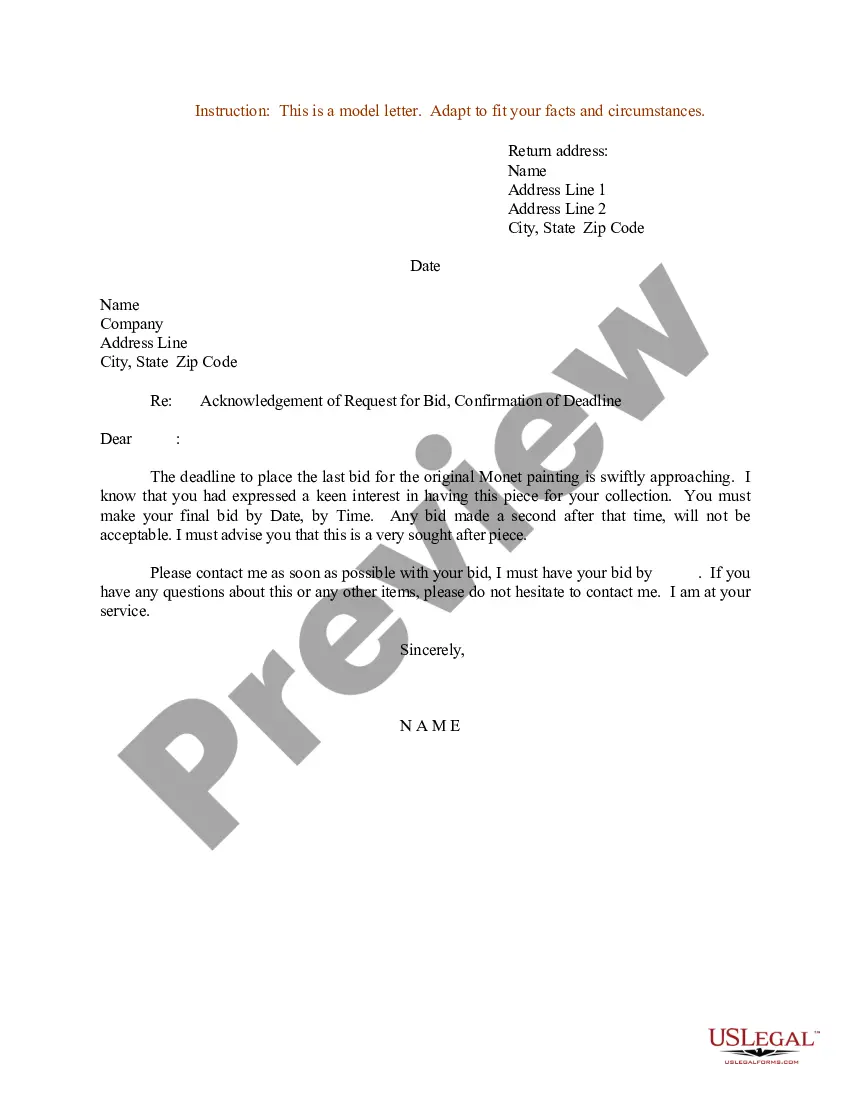
Request With Proposal In Orange
Description


Get your form ready online
Our built-in tools help you complete, sign, share, and store your documents in one place.
Make edits, fill in missing information, and update formatting in US Legal Forms—just like you would in MS Word.
Download a copy, print it, send it by email, or mail it via USPS—whatever works best for your next step.
Sign and collect signatures with our SignNow integration. Send to multiple recipients, set reminders, and more. Go Premium to unlock E-Sign.
If this form requires notarization, complete it online through a secure video call—no need to meet a notary in person or wait for an appointment.
We protect your documents and personal data by following strict security and privacy standards.

Make edits, fill in missing information, and update formatting in US Legal Forms—just like you would in MS Word.

Download a copy, print it, send it by email, or mail it via USPS—whatever works best for your next step.

Sign and collect signatures with our SignNow integration. Send to multiple recipients, set reminders, and more. Go Premium to unlock E-Sign.

If this form requires notarization, complete it online through a secure video call—no need to meet a notary in person or wait for an appointment.

We protect your documents and personal data by following strict security and privacy standards.
Looking for another form?





Form popularity
FAQ
LinkedIn is the most popular social network for finding RFPs, but you will also see some on Twitter. Luckily, the search functionality on these networks makes RFPs easy to find. Simply search your industry and 'RFP' to browse through the results and find the latest open opportunities.
Subject to Contract While a vendor may not always be in a position to negotiate terms of the RFP response, the vendor could attempt to make the RFP response subject to a final contract, if one is reached between the parties.
A request for proposal (RFP) is an open request for bids to complete a new project proposed by the company or other organization that issues it. It is meant to open up competition and encourage a variety of alternative proposals that might be considered by the project's planners.
How to create an RFP. Creating an RFP can be a valuable way to gain market insight and identify potential clients. However, not all RFPs are legally binding agreements. An RFP is legally binding if it meets certain requirements set forth in the contract law.
RFPs involve many uncertainties and variables that can affect the project's success. These may include technical, financial, legal, regulatory, or reputational risks. To mitigate these risks, you should conduct a risk assessment and identify the potential threats and opportunities that may arise during the project.
An RFP is legally binding if it meets certain requirements set forth in the contract law.
A request for proposal (RFP) is an official document that announces and outlines plans for a specific project that any hospital or other healthcare facility plans to undertake.
What are the 7 Steps in the RFP Process? Discovery: Defining the Business Case. Requirements Gathering: Understanding Business Needs. Create and Issue RFP. Vendor Comparison. Shortlisting Best-fit Solution Vendors. Demos and Decision-making. Selecting the Right Software Vendor.
A request for proposal (RFP) is a business document that announces a project, describes it, and solicits bids from qualified contractors to complete it.
How to write an RFP that will get a response Define your project and needs. Write an introduction. Explain your company's and project's history. Describe your project's requirements. Explain how vendors should respond. Outline your selection criteria. Note your timelines. Proofread and revise your RFP.