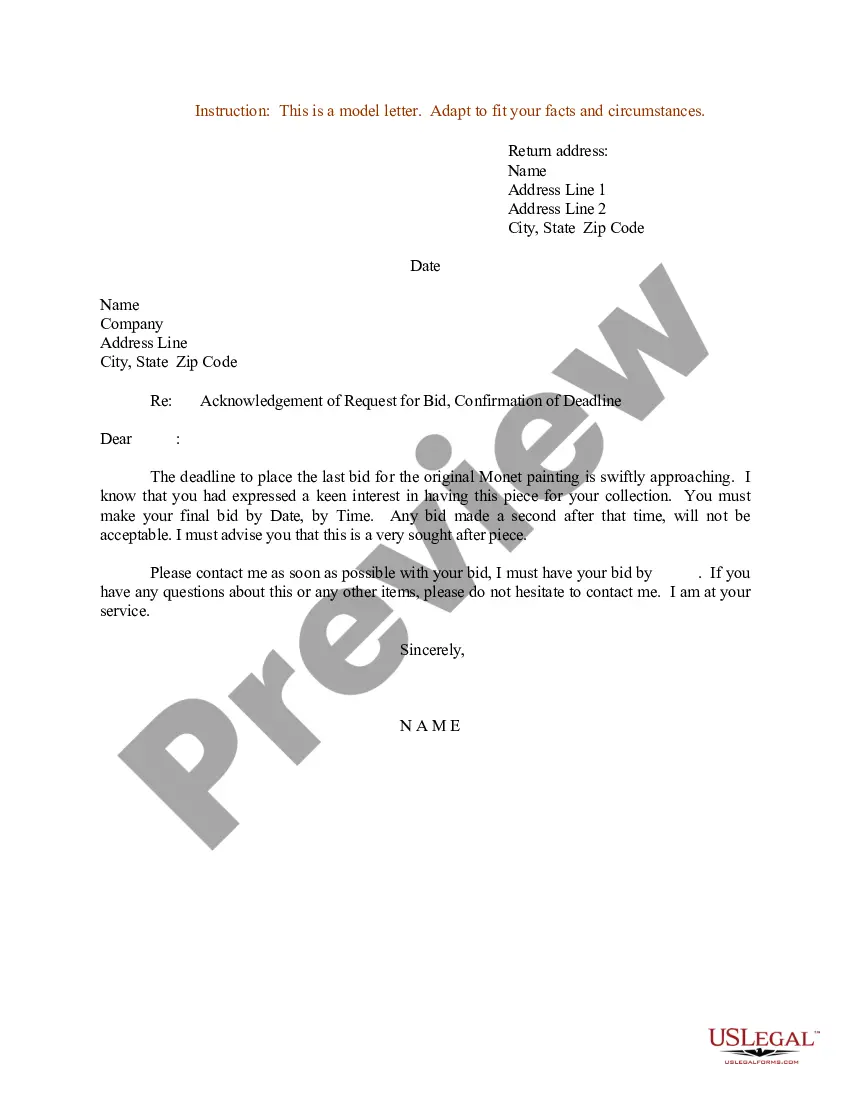
Request For Bid Email In Bronx
Description


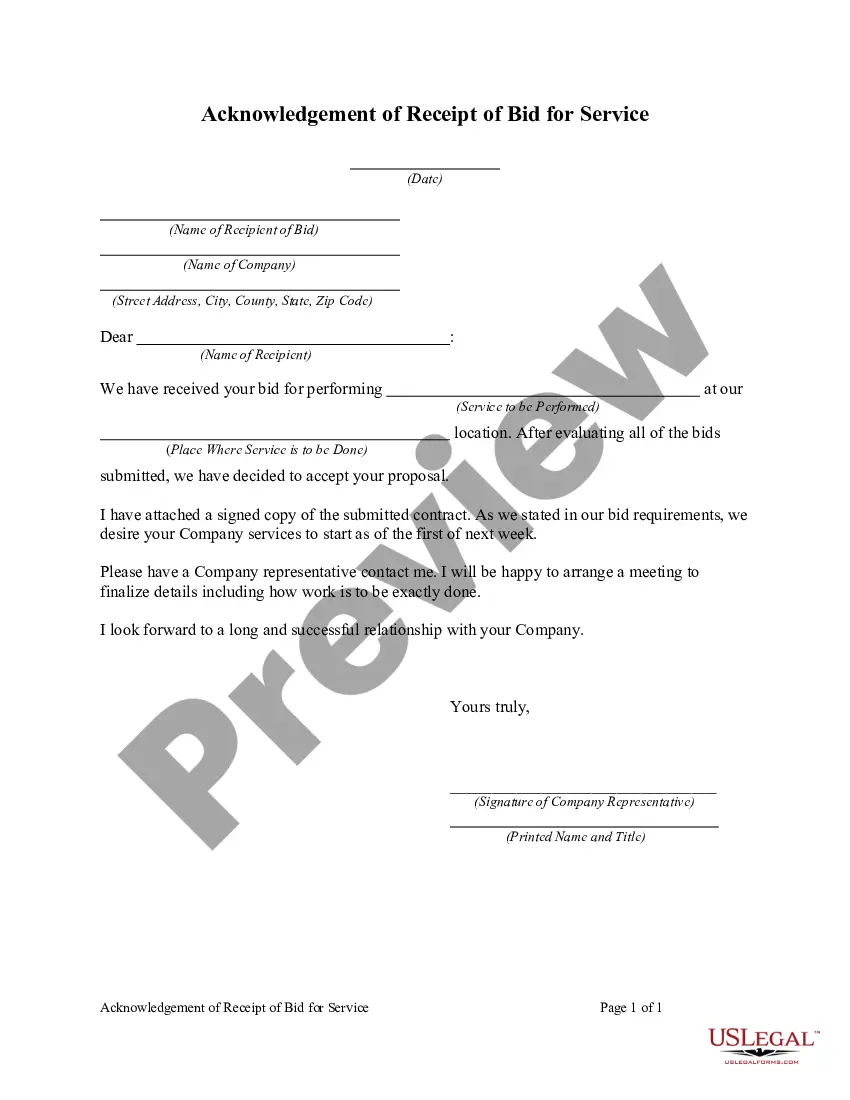
Get your form ready online
Our built-in tools help you complete, sign, share, and store your documents in one place.
Make edits, fill in missing information, and update formatting in US Legal Forms—just like you would in MS Word.
Download a copy, print it, send it by email, or mail it via USPS—whatever works best for your next step.
Sign and collect signatures with our SignNow integration. Send to multiple recipients, set reminders, and more. Go Premium to unlock E-Sign.
If this form requires notarization, complete it online through a secure video call—no need to meet a notary in person or wait for an appointment.
We protect your documents and personal data by following strict security and privacy standards.

Make edits, fill in missing information, and update formatting in US Legal Forms—just like you would in MS Word.

Download a copy, print it, send it by email, or mail it via USPS—whatever works best for your next step.

Sign and collect signatures with our SignNow integration. Send to multiple recipients, set reminders, and more. Go Premium to unlock E-Sign.

If this form requires notarization, complete it online through a secure video call—no need to meet a notary in person or wait for an appointment.

We protect your documents and personal data by following strict security and privacy standards.
Looking for another form?





Form popularity
FAQ
Steps to Writing an RFP Invitation Email to Vendors Step 1: Start with a Formal Greeting. Step 2: Express Interest. Step 3: Provide a Brief Introduction. Step 4: Define Your Project's Purpose and Goals. Step 5: Highlight the Requirements of the Project. Step 6: Include Submission Guidelines. Step 7: Include Selection Criteria.
Your letter of intent to bid should include: The name of your company. Name of the proposal contact. The name or reference number of the RFP you're responding to. A clear statement of your intention to submit a proposal. Your sign off and signature.
The bid invitation should start with the project name and the bidders' email addresses. It also includes the bid number, opening, and closing date. The next step is to list the purpose of the project and the critical components. One should also write how the invitation is to be delivered.
LinkedIn is the most popular social network for finding RFPs, but you will also see some on Twitter. Luckily, the search functionality on these networks makes RFPs easy to find. Simply search your industry and 'RFP' to browse through the results and find the latest open opportunities.
Write a no-bid letter Be as brief as possible. Offer insight about your decision, but stay positive. Provide your contact information for future opportunities. If you have an existing relationship with the customer, follow up with a phone call as well.
A comprehensive invitation for bid (IFB) solicitation will describe the planned project in detail, lay out submission requirements (including deadlines, project scope, and duration), minimum qualifications, mandatory service standards, and required warranties.
The bid invitation should outline the client's expectations and clarify key project details such as scope and deliverables. The bid invitation should start with the project name and the bidders' email addresses. It also includes the bid number, opening, and closing date.
Your meeting invitation email should include: Professional subject line. Purpose of meeting. Time and duration of meeting. Location of meeting or virtual meeting link. Meeting agenda (if applicable) To-dos for the recipient (if applicable) Request for RSVP. Professional email signature with contact information.
A tender invitation letter could be something as simple as a straightforward, formal letter. This might detail the buyer, their address, a brief overview of their requirements, short instructions, a few points of note, and an expression of thanks for your interest.
The world of procurement is brimming with terms and abbreviations. Among them, 'Invitation To Tender' is a common phrase, most often abbreviated as ITT. It can also be known as 'Invitation To Bid' (ITB), a term used similarly but more prevalent in the US, while ITT is widely used in Europe.