International Agreement Template Without Surveyor In Utah
Description





Get your form ready online
Our built-in tools help you complete, sign, share, and store your documents in one place.
Make edits, fill in missing information, and update formatting in US Legal Forms—just like you would in MS Word.
Download a copy, print it, send it by email, or mail it via USPS—whatever works best for your next step.
Sign and collect signatures with our SignNow integration. Send to multiple recipients, set reminders, and more. Go Premium to unlock E-Sign.
If this form requires notarization, complete it online through a secure video call—no need to meet a notary in person or wait for an appointment.
We protect your documents and personal data by following strict security and privacy standards.

Make edits, fill in missing information, and update formatting in US Legal Forms—just like you would in MS Word.

Download a copy, print it, send it by email, or mail it via USPS—whatever works best for your next step.

Sign and collect signatures with our SignNow integration. Send to multiple recipients, set reminders, and more. Go Premium to unlock E-Sign.

If this form requires notarization, complete it online through a secure video call—no need to meet a notary in person or wait for an appointment.

We protect your documents and personal data by following strict security and privacy standards.
Looking for another form?

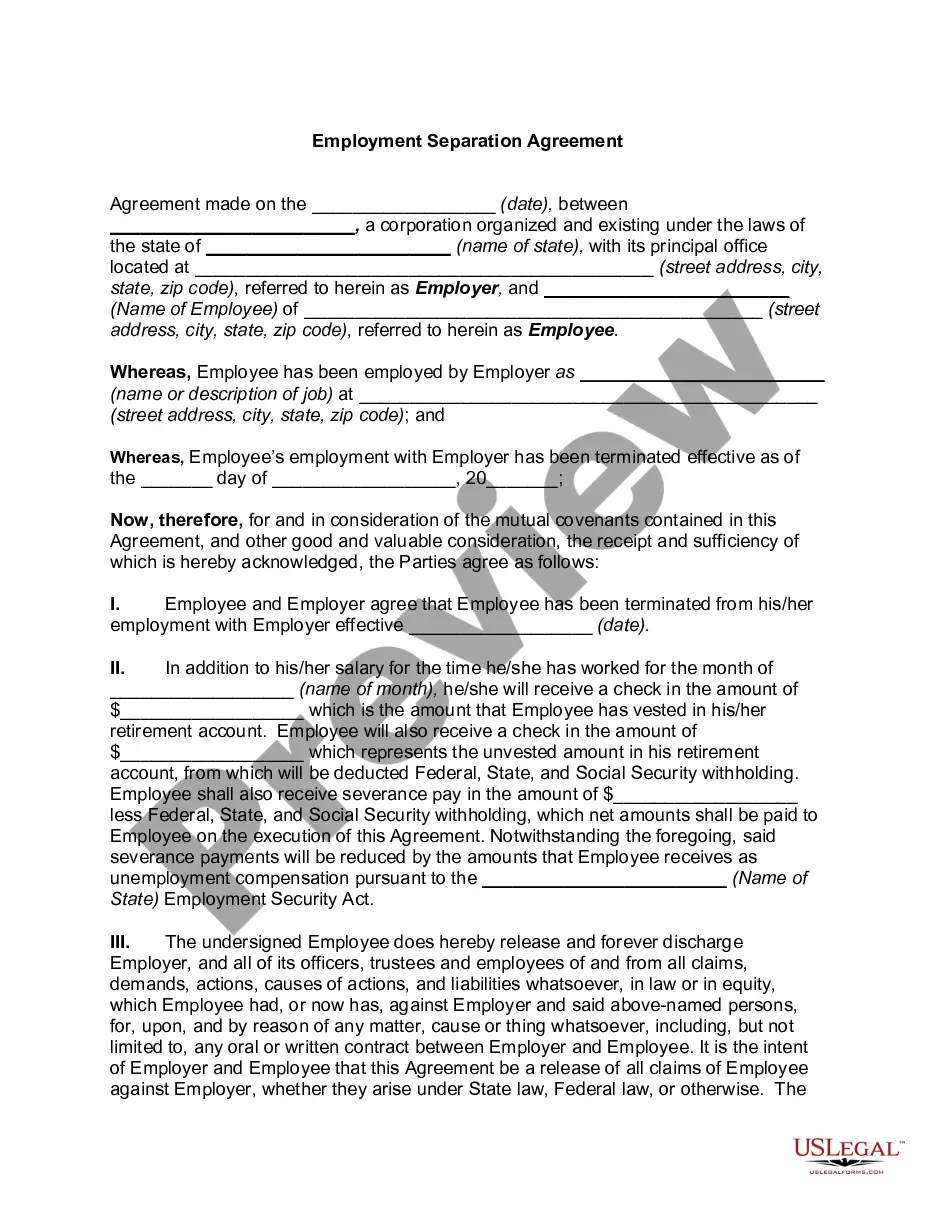

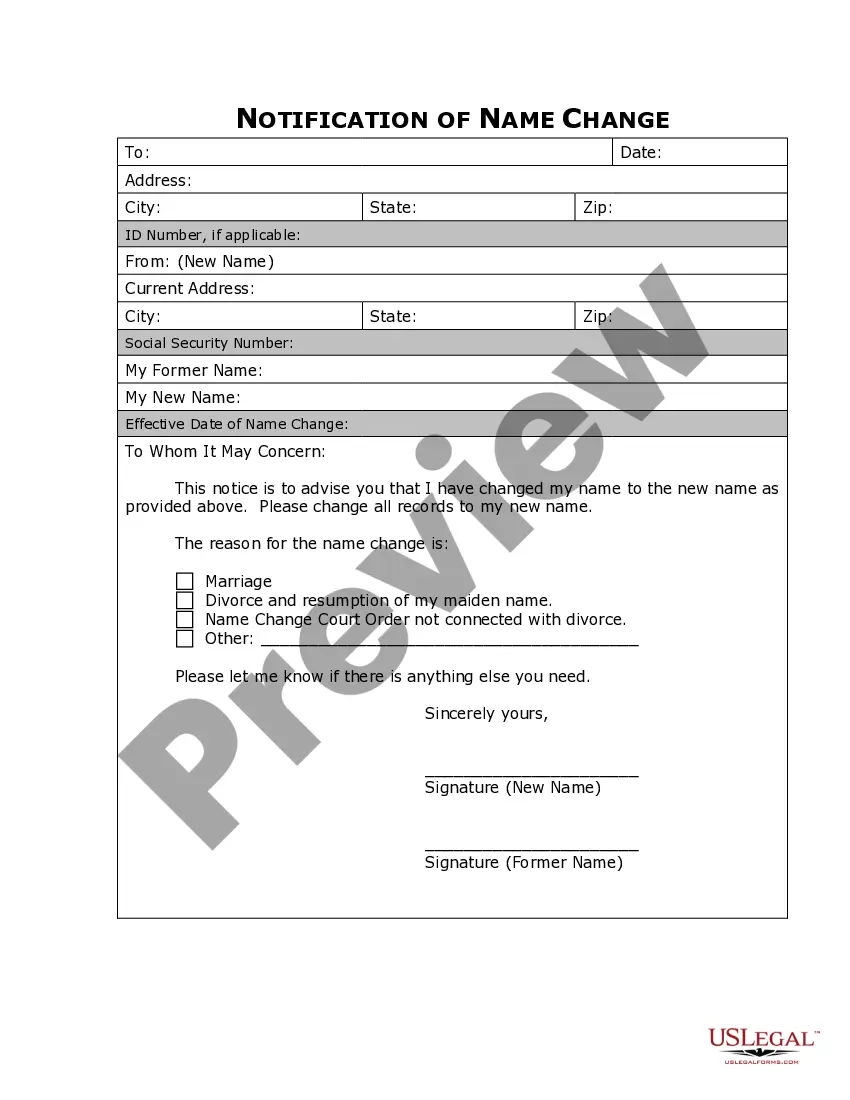

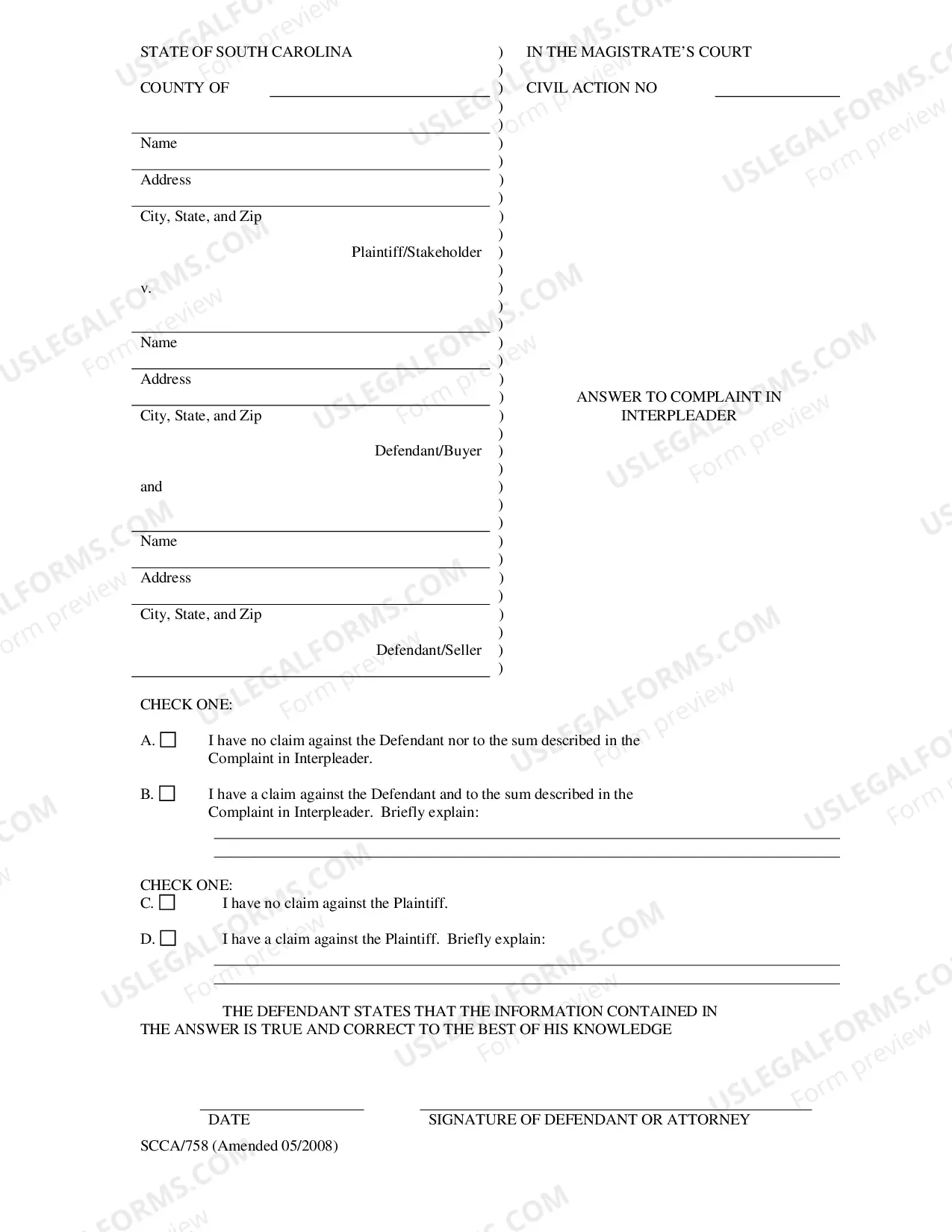




Form popularity
FAQ
While it may be possible to conduct a land survey yourself, it's generally a good idea to turn to the professionals, especially if you're surveying land for a legal purpose. Most states have their own association of licensed land surveyors with websites to help you find a qualified surveyor in your area.
Licensed Land Surveyor Salary in North Carolina Annual SalaryHourly Wage Top Earners $120,416 $57 75th Percentile $99,500 $48 Average $88,076 $42 25th Percentile $72,700 $35
Becoming a Professional Land Surveyor by Examination. Kentucky requires a four-year college degree. Below are the three options: Option 1 – Graduation from a board-approved program of four (4) years or more in land surveying from a college or university.
The Surveying Degree is offered online and/or on campus.
Essential Qualifications for a Professional Land Surveyor A Bachelor's degree in Surveying, Civil Engineering, or a related field is typically required, along with a Professional Land Surveyor (PLS) license specific to North Carolina.
Upon passing the Fundamentals of Surveying (FS) and Principles and Practice of Surveying (PS) exams, and meeting the education and experience requirements, the applicant will then apply to the North Carolina Board to be seated for the North Carolina State Specific Exam.
Complete a traineeship. A traineeship working under a licensed surveyor will give you the experience you need to obtain your full surveying license. Your traineeship should last for at least four years, depending on your state's requirements.
During the property survey, a land surveyor will compare historical records and data with any existing markers to accurately define your property lines – and their findings are legally binding.
Utah State Code 17-23-17 requires a record of survey be filed with the county surveyor or designated office when a land surveyor establishes or re-establishes a boundary line or obtains data for constructing a map or plat showing a boundary line within 90 days of the establishment or reestablishment of the boundary ...
In conclusion, land surveyors can get sued for various reasons, ranging from boundary disputes and inaccuracies in surveys to negligence, violation of professional standards, and failures to properly communicate or document their work.
