International Agreement For Ozone Depletion In Minnesota
Description





Get your form ready online
Our built-in tools help you complete, sign, share, and store your documents in one place.
Make edits, fill in missing information, and update formatting in US Legal Forms—just like you would in MS Word.
Download a copy, print it, send it by email, or mail it via USPS—whatever works best for your next step.
Sign and collect signatures with our SignNow integration. Send to multiple recipients, set reminders, and more. Go Premium to unlock E-Sign.
If this form requires notarization, complete it online through a secure video call—no need to meet a notary in person or wait for an appointment.
We protect your documents and personal data by following strict security and privacy standards.

Make edits, fill in missing information, and update formatting in US Legal Forms—just like you would in MS Word.

Download a copy, print it, send it by email, or mail it via USPS—whatever works best for your next step.

Sign and collect signatures with our SignNow integration. Send to multiple recipients, set reminders, and more. Go Premium to unlock E-Sign.

If this form requires notarization, complete it online through a secure video call—no need to meet a notary in person or wait for an appointment.

We protect your documents and personal data by following strict security and privacy standards.
Looking for another form?
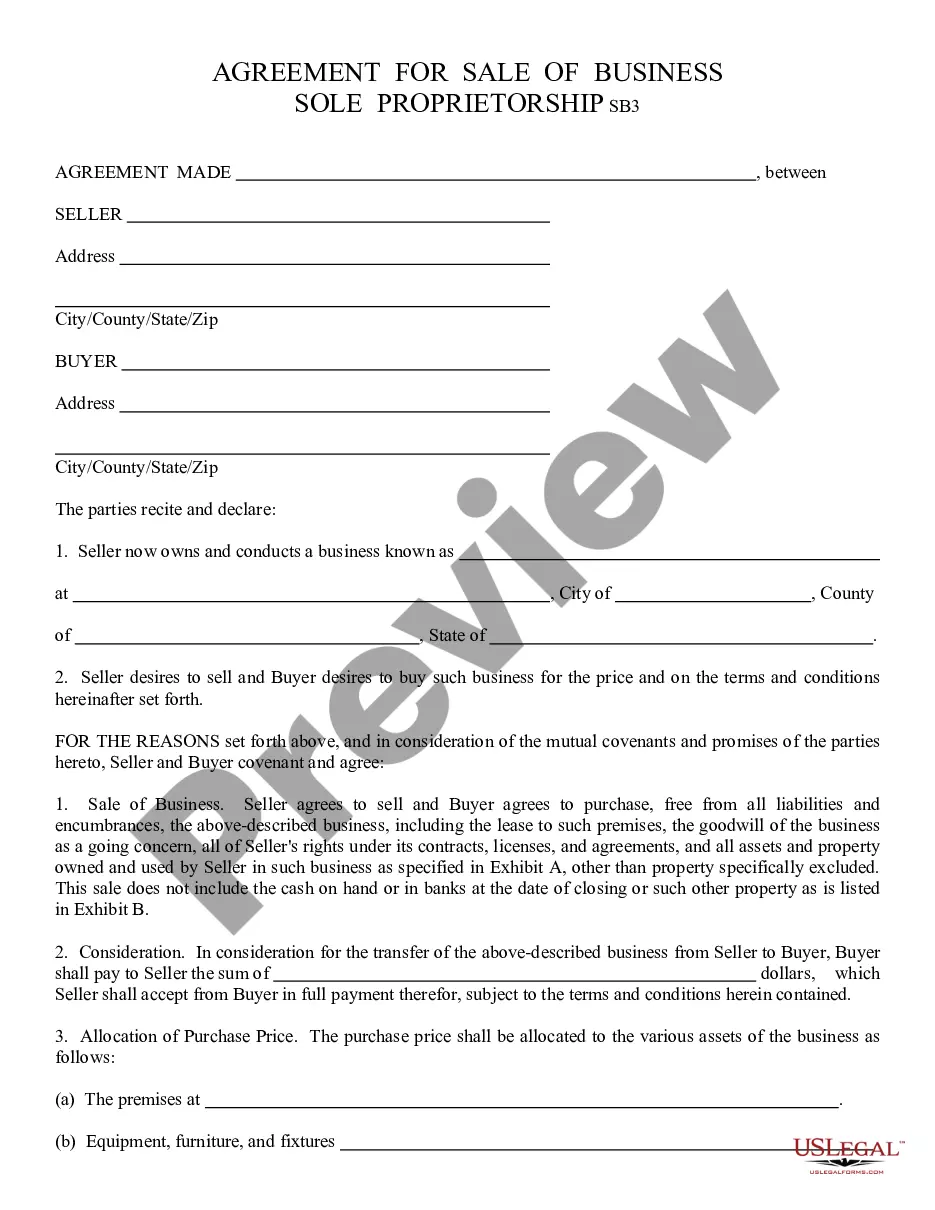


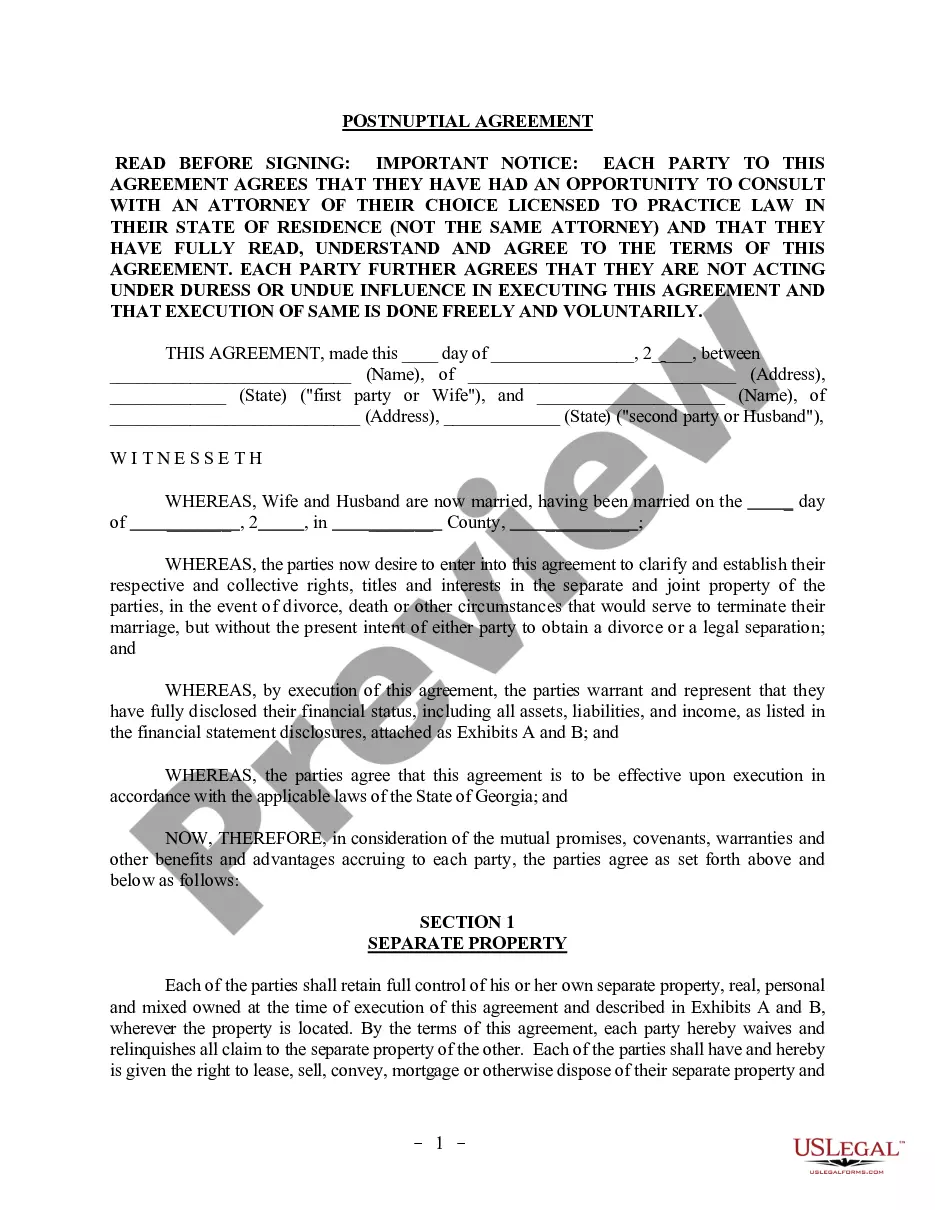


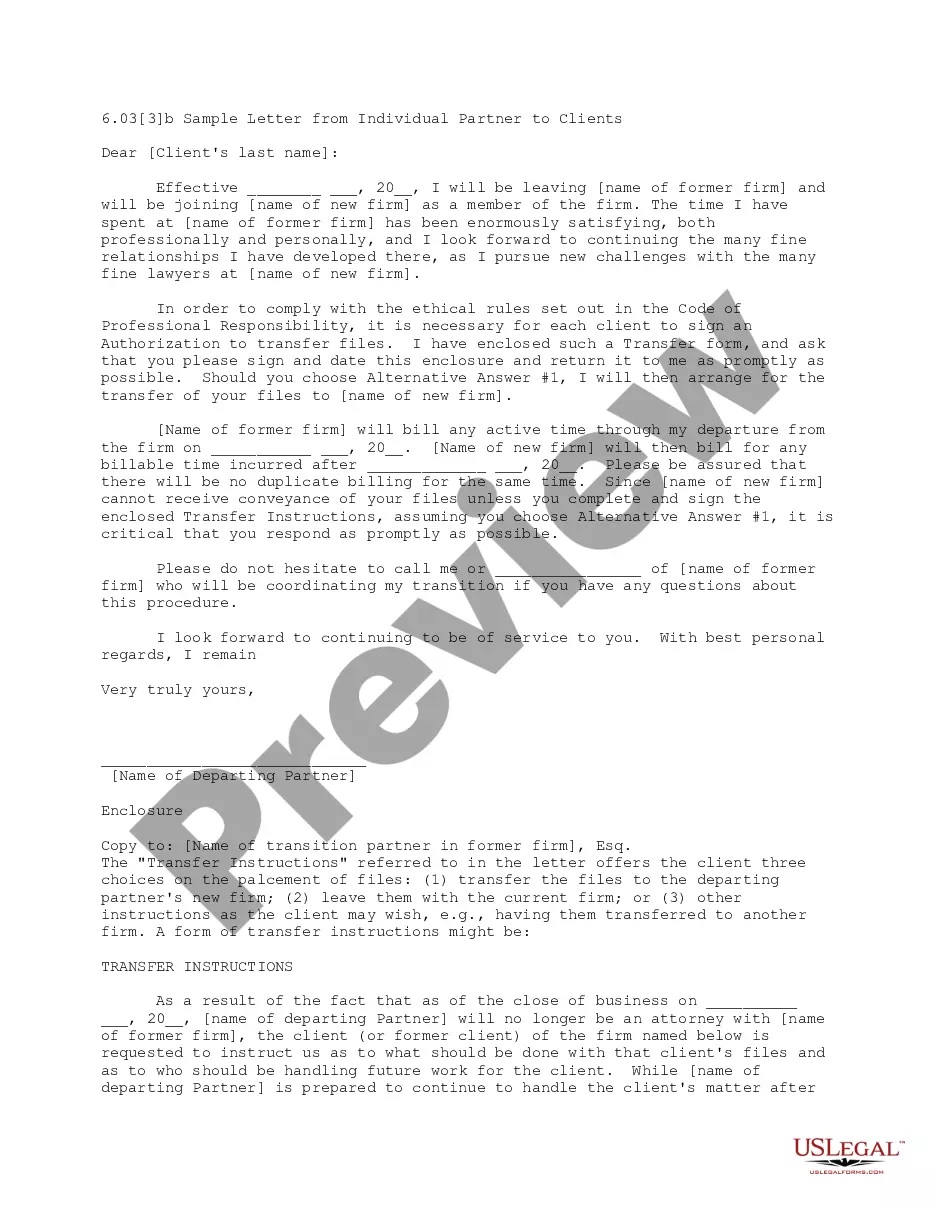
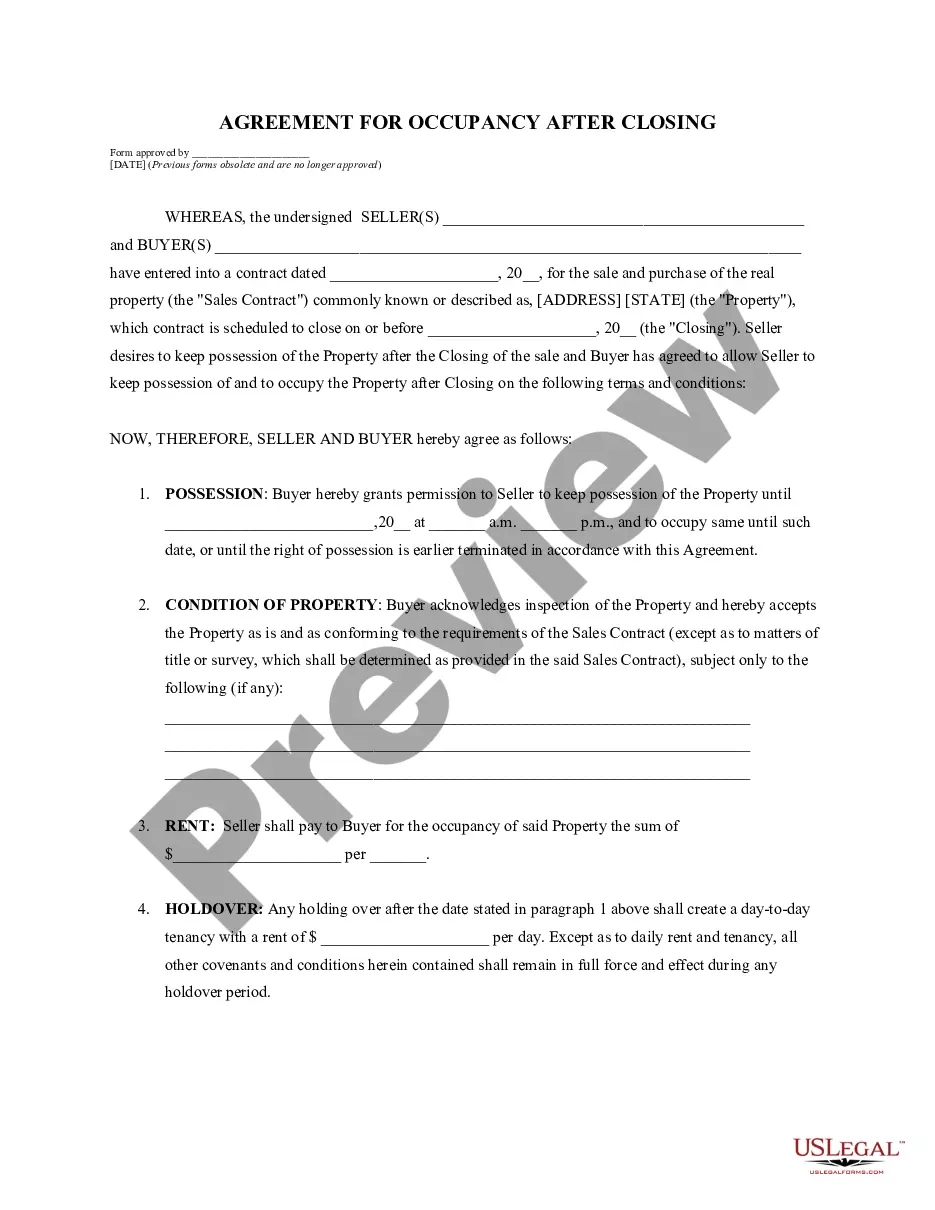

Form popularity
FAQ
The latest amendment to the Montreal Protocol is known as the Kigali Amendment. It was adopted in 2016 during a meeting held in Kigali, Rwanda.
The parties to the Protocol meet once a year to make decisions aimed at ensuring the successful implementation of the agreement. These include adjusting or amending the Protocol, which has been done six times since its creation.
All countries have ratified the Montreal Protocol and all its Amendments related to ozone depleting substances. In relation to importing and exporting HFCs, the trade provisions of the Kigali Amendment will come into force in 2033.
The Kigali Amendment to the Montreal Protocol is an international agreement to gradually reduce the consumption and production of hydrofluorocarbons (HFCs). It is a legally binding agreement designed to create rights and obligations in international law.
The Vienna Convention for the Protection of the Ozone Layer and the Montreal Protocol on Substances that Deplete the Ozone Layer are major milestones in international environmental law, striving together to protect the environment from any harmful effects of the ozone layer depletion through control, reduction and ...
Governments are not legally bound until they ratify the Protocol as well as the Amendments. Unfortunately, while most governments have ratified the Protocol, ratification of the amendments and their stronger control measures lag behind. As of today, the Ozone Agreements had been signed by 193 nations.
The Montreal Protocol, finalized in 1987, is a global agreement to protect the stratospheric ozone layer by phasing out the production and consumption of ozone-depleting substances (ODS). ODS are substances that were commonly used in products such as refrigerators, air conditioners, fire extinguishers, and aerosols.
The international treaty called The Montreal Protocol on Substances that Deplete the Ozone Layer (Montreal Protocol ) is gradually eliminating the production and consumption of ozone-depleting substances to limit their damage to the earth's ozone layer.
The international treaty called The Montreal Protocol on Substances that Deplete the Ozone Layer (Montreal Protocol ) is gradually eliminating the production and consumption of ozone-depleting substances to limit their damage to the earth's ozone layer.
