Here Denied Claim With Nexus Letter In Illinois
Description
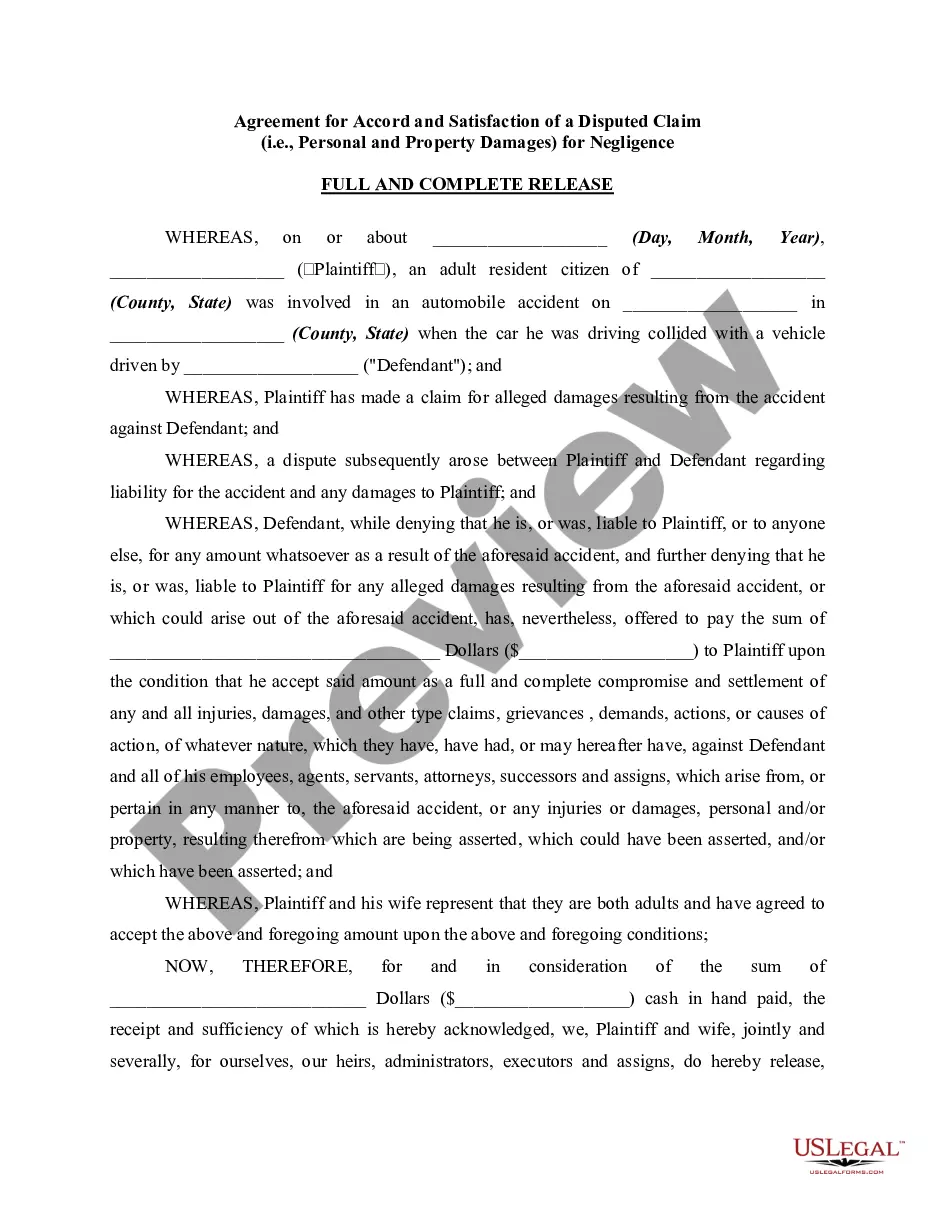
Get your form ready online
Our built-in tools help you complete, sign, share, and store your documents in one place.
Make edits, fill in missing information, and update formatting in US Legal Forms—just like you would in MS Word.
Download a copy, print it, send it by email, or mail it via USPS—whatever works best for your next step.
Sign and collect signatures with our SignNow integration. Send to multiple recipients, set reminders, and more. Go Premium to unlock E-Sign.
If this form requires notarization, complete it online through a secure video call—no need to meet a notary in person or wait for an appointment.
We protect your documents and personal data by following strict security and privacy standards.

Make edits, fill in missing information, and update formatting in US Legal Forms—just like you would in MS Word.

Download a copy, print it, send it by email, or mail it via USPS—whatever works best for your next step.

Sign and collect signatures with our SignNow integration. Send to multiple recipients, set reminders, and more. Go Premium to unlock E-Sign.

If this form requires notarization, complete it online through a secure video call—no need to meet a notary in person or wait for an appointment.

We protect your documents and personal data by following strict security and privacy standards.
Looking for another form?
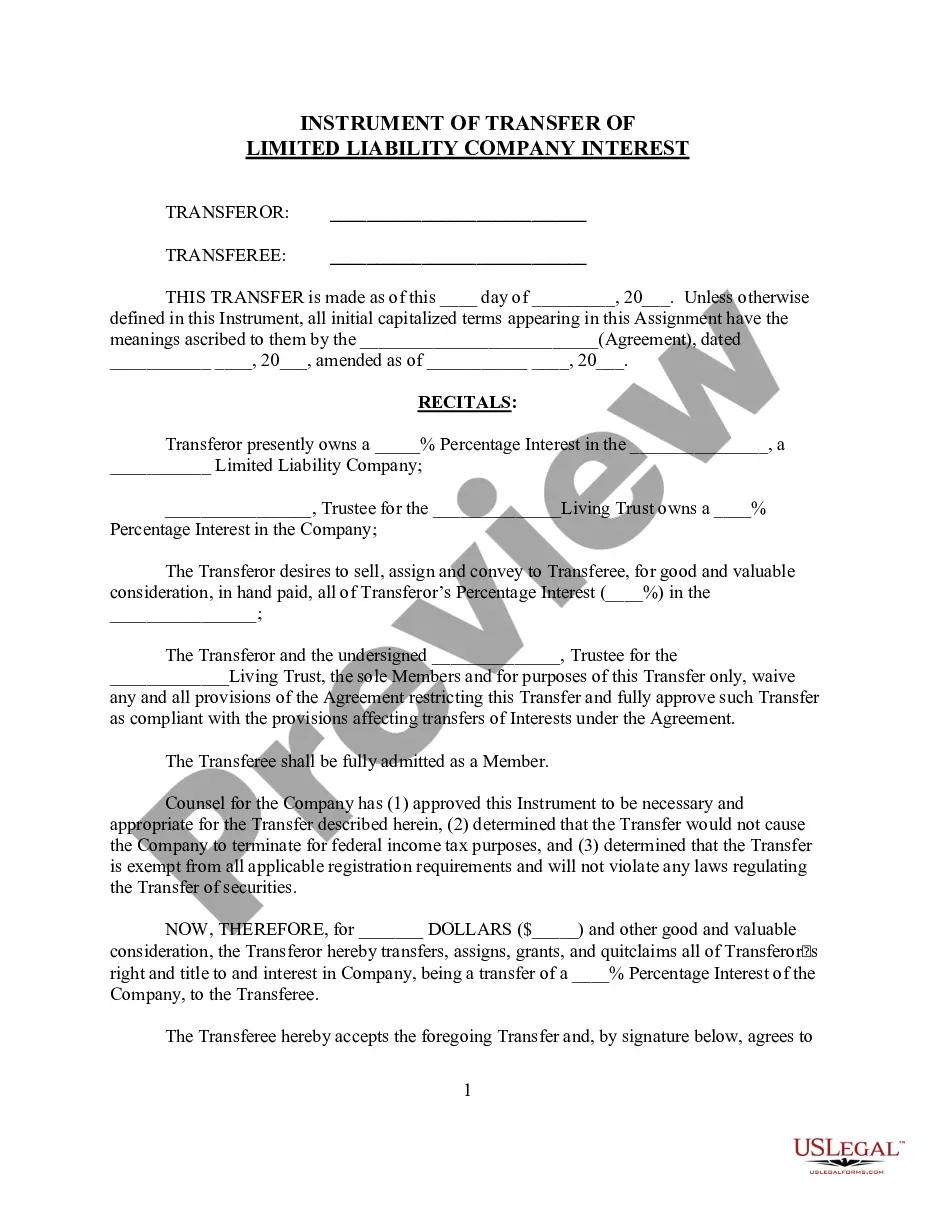
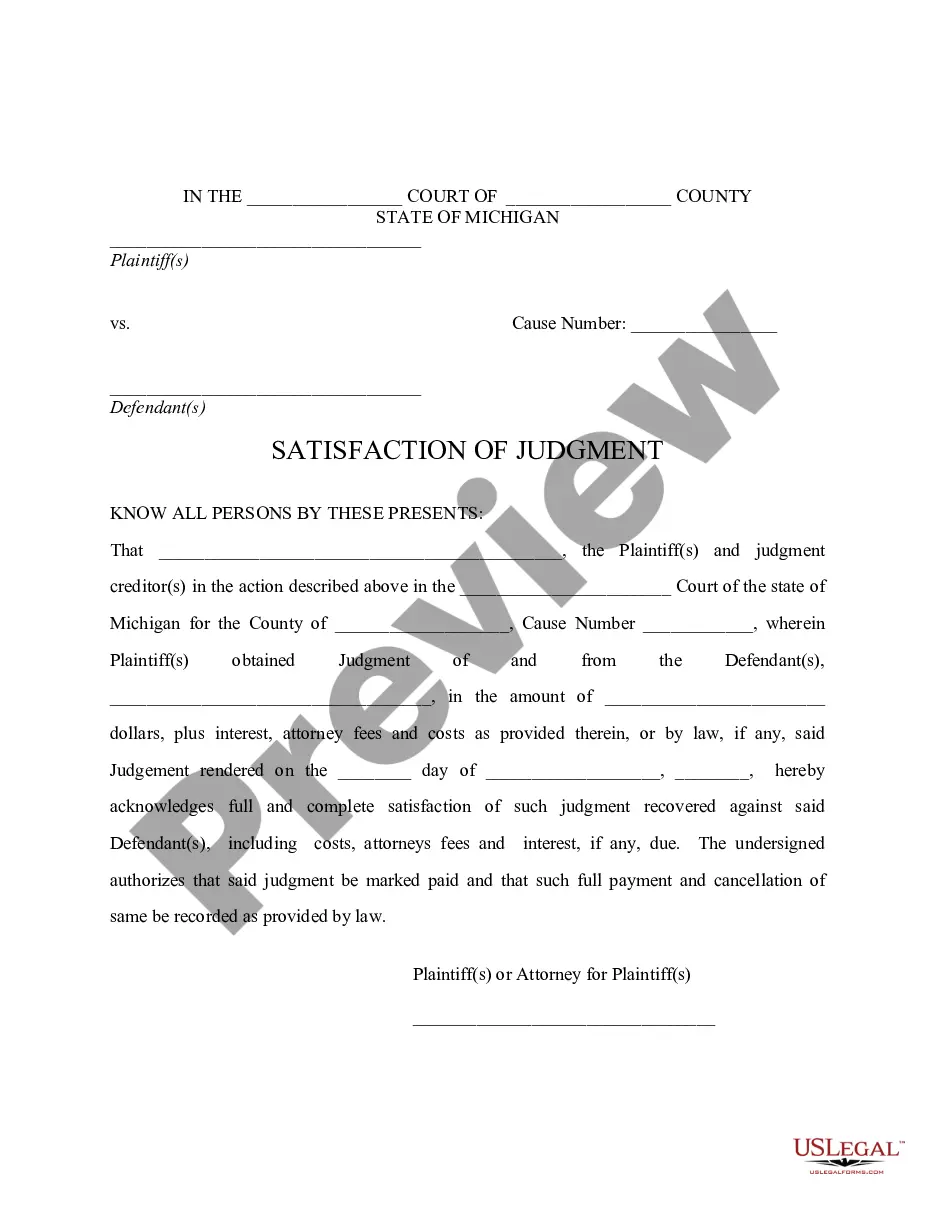


Form popularity
FAQ
So, if you are writing a buddy statement for a family member with PTSD, you might write, “My brother, Veteran, currently shows signs of anger issues, anxiety, panic attacks, and insomnia. He has angry outbursts about three times per week.” Be sure to only include facts like this if you know that they're true.
Prepared by qualified medical professionals, it establishes the connection between a veteran's medical condition and their military service. The Nexus Letter serves to strengthen VA claims by providing clear and credible evidence of service connection, particularly for fully developed claims.
Use descriptive language to convey the intensity or seriousness of the situation. Your Role in the Event: Detail your involvement, actions taken, and any immediate consequences you faced. Eyewitness Accounts: If available, include statements from others who witnessed the event.
How to Write a Compelling Personal Statement for VA Disability... Understand the Purpose of a Personal Statement. Start by Organizing Your Thoughts. Describe Your Symptoms in Detail. Explain the Impact on Daily Life. Be Honest and Clear. Keep It Organized and Concise.
How do I make sure a Nexus letter supports my VA claim? To support your VA claim, a Nexus letter must clearly link your disability to your service, including a review of your applicable service records, medical history, evidence-based reasoning, and a clear statement of causation.
4 Essential Elements of a Successful VA Nexus Letter Professionals Qualified to Write Nexus Letters. Physician's Credentials: Establishing Trust and Authority. Comprehensive Review of Medical and Military Records. Expert Medical Opinion on Service Connection. Comprehensive Medical Rationale Supporting the Opinion.
Insufficient Nexus Connection: If your nexus letter lacks detailed medical rationale or fails to connect your condition to your military service, the VA may reject the claim. Contradictory Evidence: Conflicting opinions from VA examiners or other medical sources can weaken the validity of your nexus letter.
Medical Doctors (MDs) are among the most qualified and credible professionals for writing nexus letters due to their extensive medical training and board certification. MDs encompass general practitioners, internal medicine specialists, surgeons, and other fields, addressing a broad spectrum of medical conditions.
Tips for a Doctor to Write an Effective Nexus Letter Explain your clinical relationship with the veteran. State the veterans diagnosis. If the veteran has a score that fluctuates, explain the reasons. Describe the veterans current symptoms in detail, being thorough.
A Statement in Support of Claim will ask for your full name, Social Security number, birth date, contact information, and VA file number. Include your service details. Include your military branch, enlistment dates, and any deployments. Outline your disability.

