Virginia Memorandum of Mechanic Lien Claimed by Sub-Subcontractor
About this form
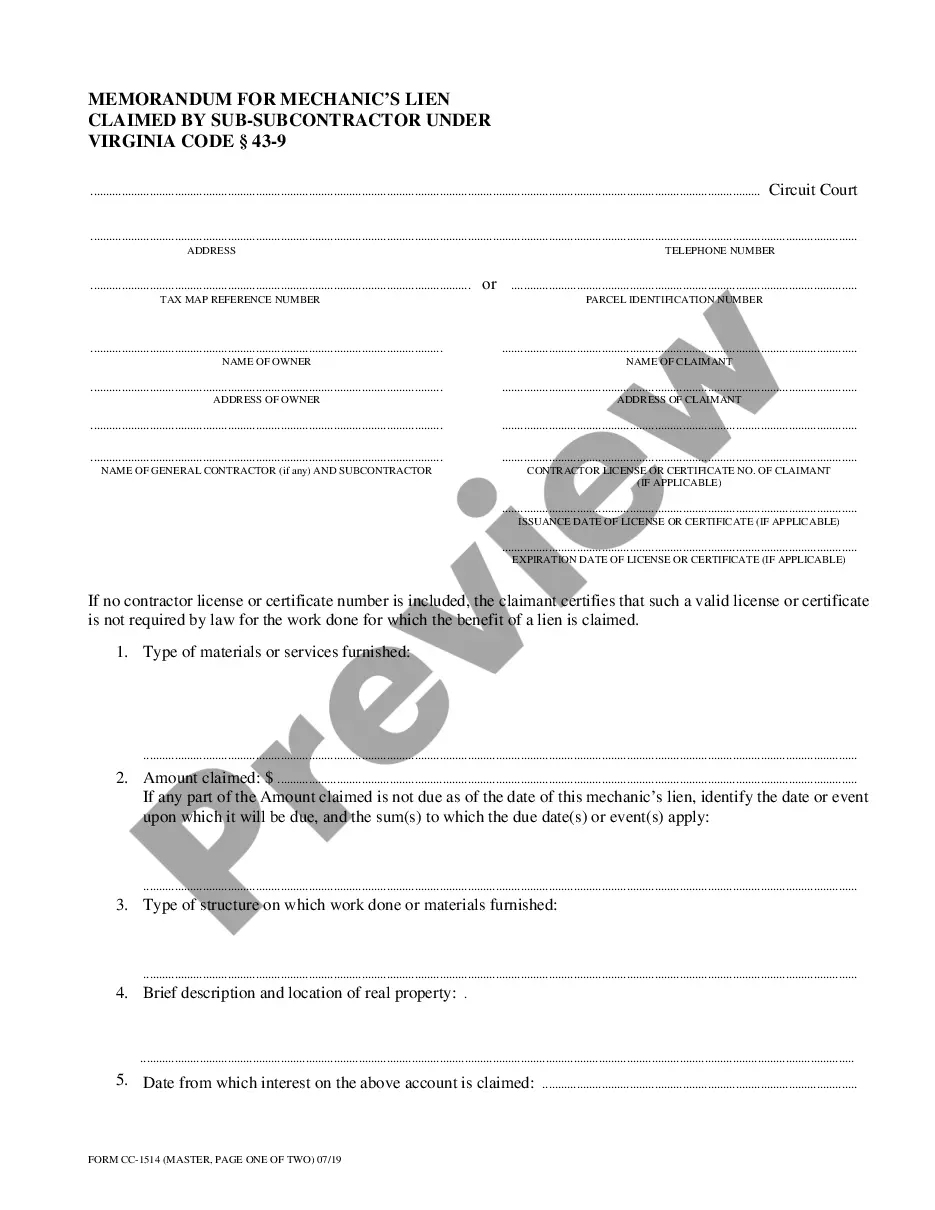
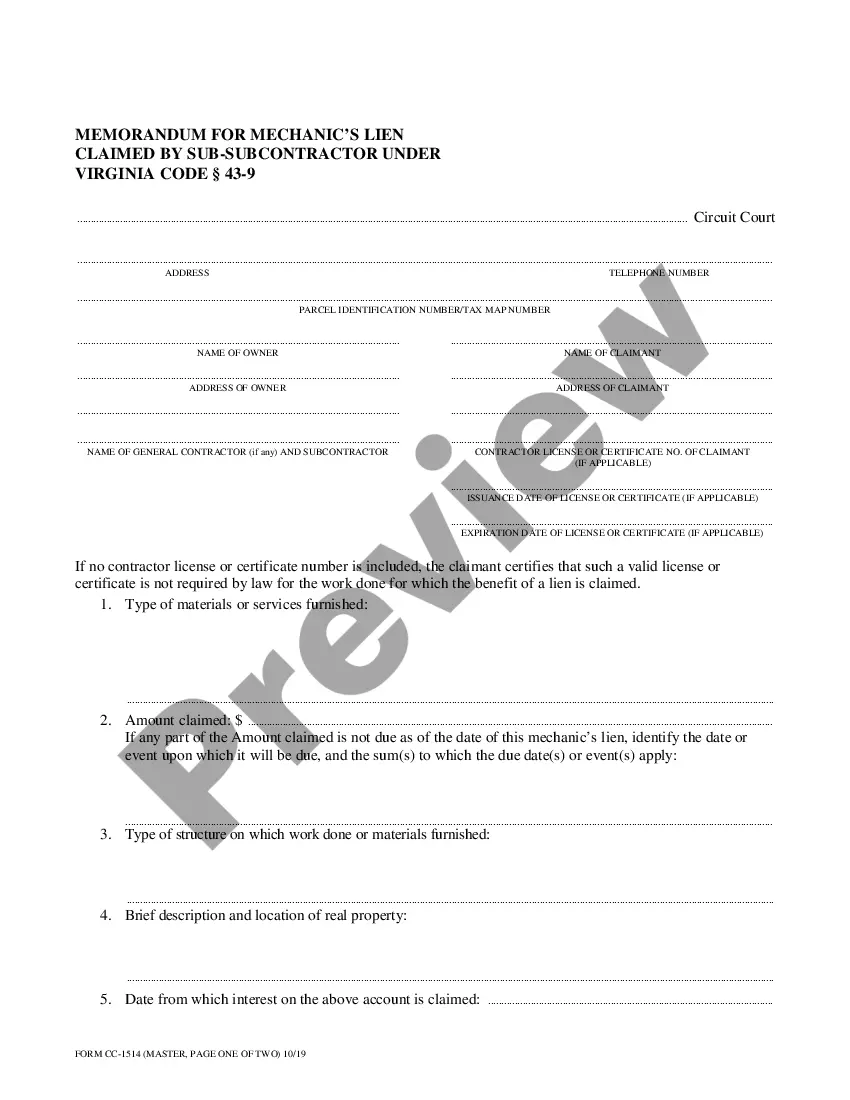
The Memorandum of Mechanic Lien Claimed by Sub-Subcontractor is a legal document used by subcontractors in Virginia to assert a mechanic's lien against a property. This form serves to claim payment for services or materials supplied when a contractor has not been paid. It specifically addresses claims made by sub-subcontractors, differentiating it from other mechanic lien forms that may not cover this aspect. Properly completing and filing this form is crucial for enforcing lien rights in Virginia.
Key parts of this document
- Identification of the owner and claimant with relevant addresses.
- Description of the general contractor and subcontractor involved.
- Details about the type of materials or services provided.
- The amount claimed, including any payment schedules.
- Property description and location where work was performed.
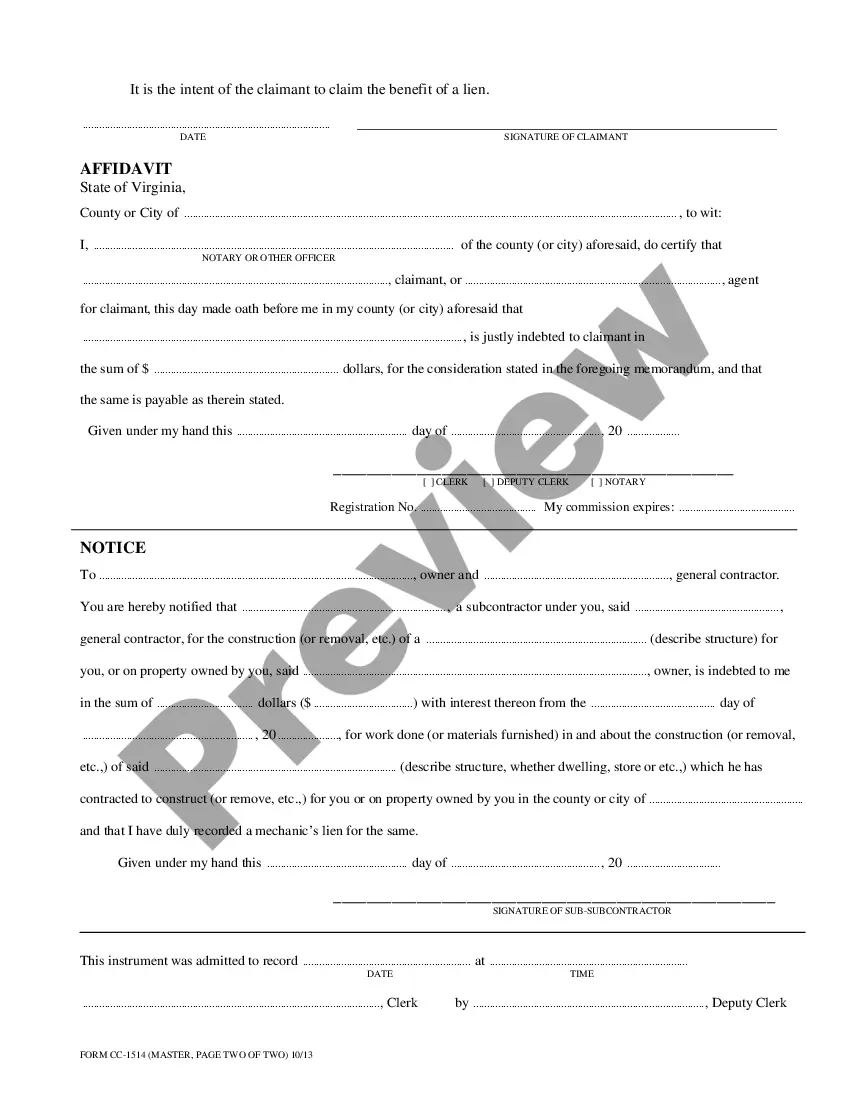
- Notary section for legal authenticity and acceptance.
Common use cases
This form should be used in situations where a sub-subcontractor has provided services or materials for a construction project and has not received payment. It is essential for claiming a lien on the property to ensure the sub-subcontractor can legally pursue monetary compensation. This scenario frequently arises in construction projects involving multiple tiers of contractors, wherein payment disputes can occur.
Who needs this form
- Sub-subcontractors who have rendered services or provided materials on a construction project.
- Contractors engaged in residential or commercial construction work.
- Individuals or businesses seeking to secure their payment rights through mechanistic liens.
How to prepare this document
- Identify and fill in the names and addresses of the property owner and the claimant.
- Specify the name of the general contractor (if applicable) and include the contractor license details.
- Detail the materials or services provided and the total amount being claimed.
- Provide a brief description of the property where the work was performed.
- Sign the document in the presence of a notary public to validate the lien.
Notarization guidance
Yes, this form must be notarized to be legally valid. Notarization ensures the authenticity of the signatures and the integrity of the document. US Legal Forms offers integrated online notarization services that are secure and available 24/7, allowing you to complete the notarization without the need for travel.
Get your form ready online
Our built-in tools help you complete, sign, share, and store your documents in one place.
Make edits, fill in missing information, and update formatting in US Legal Forms—just like you would in MS Word.
Download a copy, print it, send it by email, or mail it via USPS—whatever works best for your next step.
Sign and collect signatures with our SignNow integration. Send to multiple recipients, set reminders, and more. Go Premium to unlock E-Sign.
If this form requires notarization, complete it online through a secure video call—no need to meet a notary in person or wait for an appointment.
We protect your documents and personal data by following strict security and privacy standards.

Make edits, fill in missing information, and update formatting in US Legal Forms—just like you would in MS Word.

Download a copy, print it, send it by email, or mail it via USPS—whatever works best for your next step.

Sign and collect signatures with our SignNow integration. Send to multiple recipients, set reminders, and more. Go Premium to unlock E-Sign.

If this form requires notarization, complete it online through a secure video call—no need to meet a notary in person or wait for an appointment.

We protect your documents and personal data by following strict security and privacy standards.
Mistakes to watch out for
- Failing to provide complete and accurate information about the property and services provided.
- Neglecting to include the claimant's and owner's full names and correct addresses.
- Not having the form signed in the presence of a notary public, which can invalidate the lien.
- Forgetting to specify payment schedules if any part of the amount claimed is not yet due.
Advantages of online completion
- Convenient access to the form that can be filled out from anywhere at any time.
- Editable fields make it easy to customize the form for specific situations.
- Reliability in having a legally compliant format created by licensed attorneys.
What to keep in mind
- The Memorandum of Mechanic Lien Claimed by Sub-Subcontractor is essential for asserting payment claims in Virginia construction projects.
- Accurate completion of the form and obtaining notarization are critical to enforce lien rights.
- The form specifically caters to sub-subcontractors within the context of multi-tiered construction agreements.
Looking for another form?
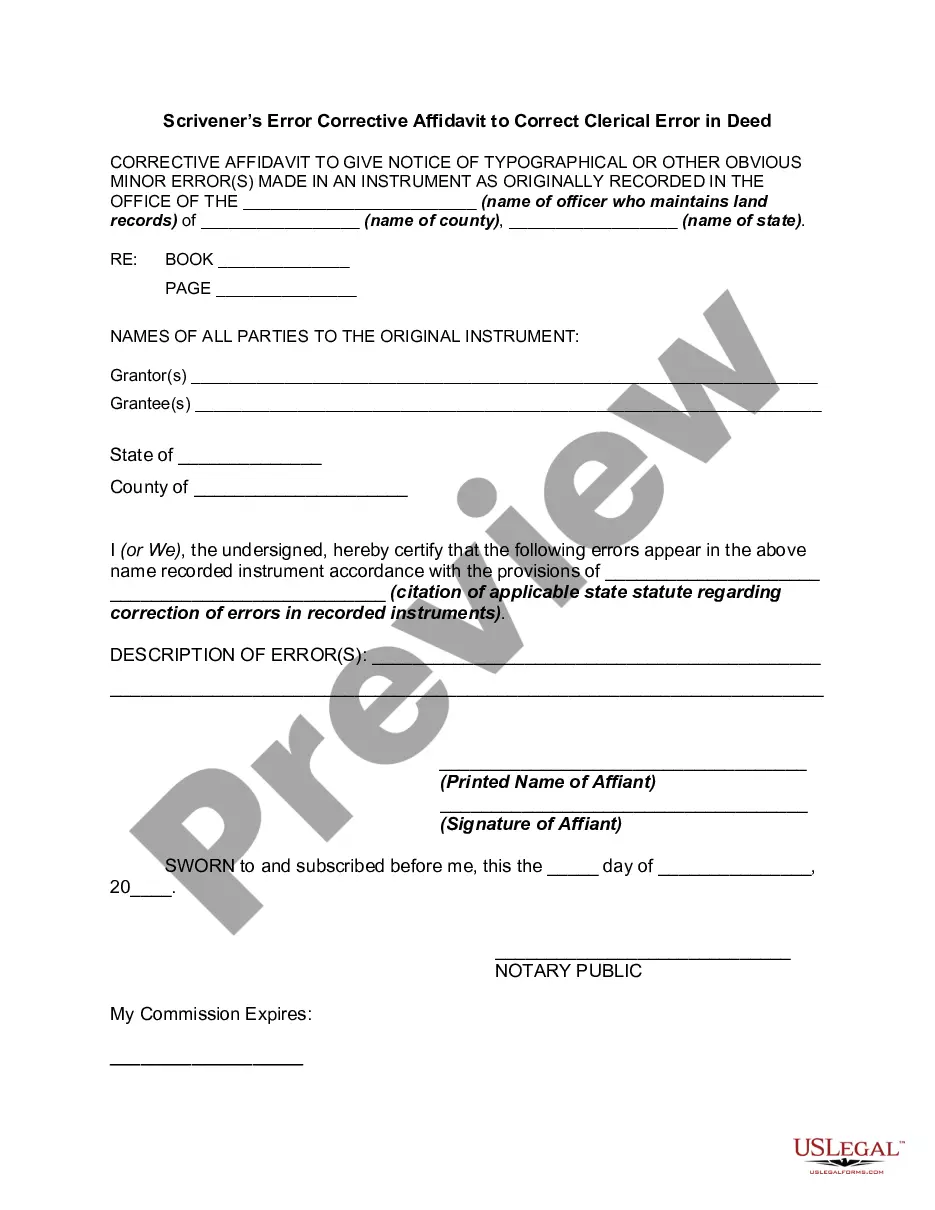
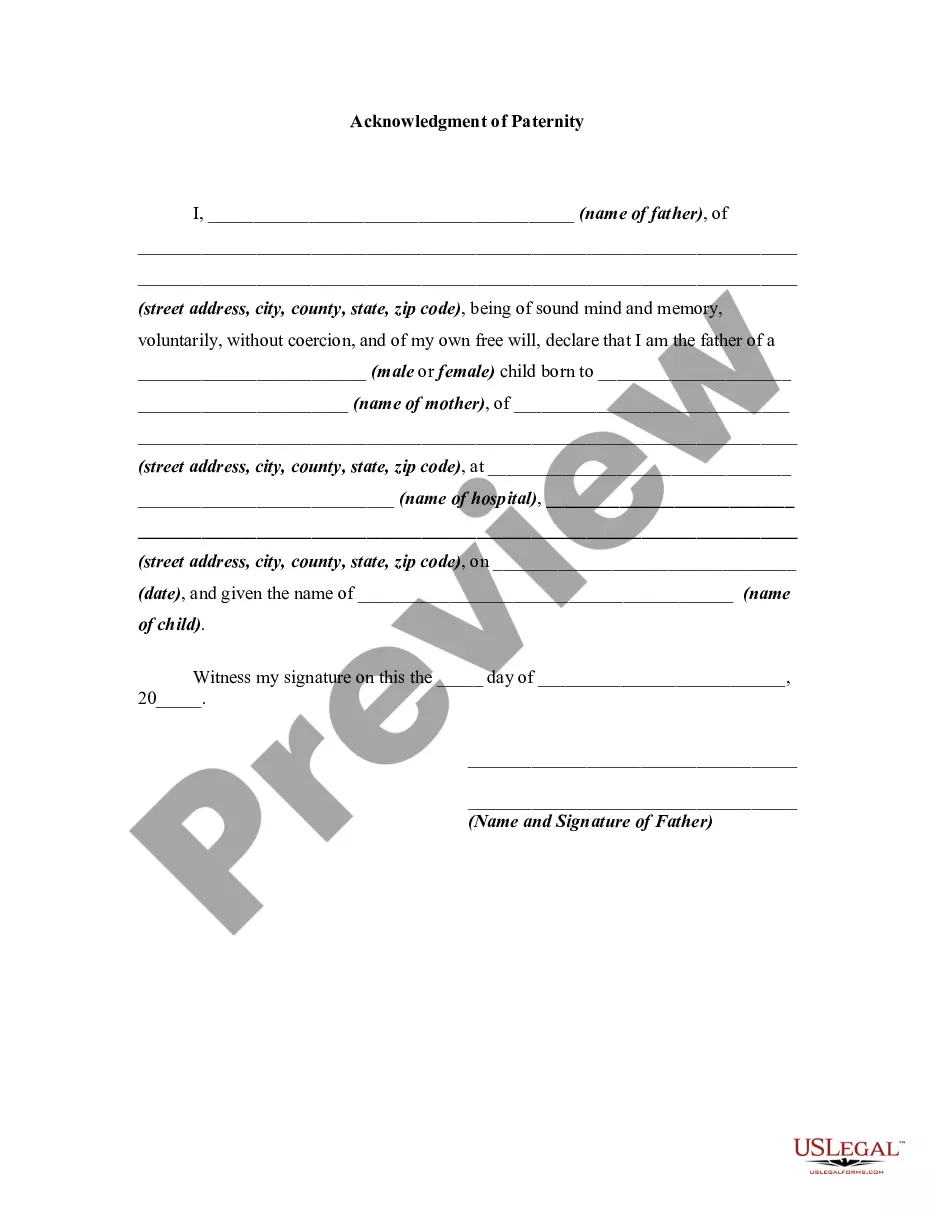

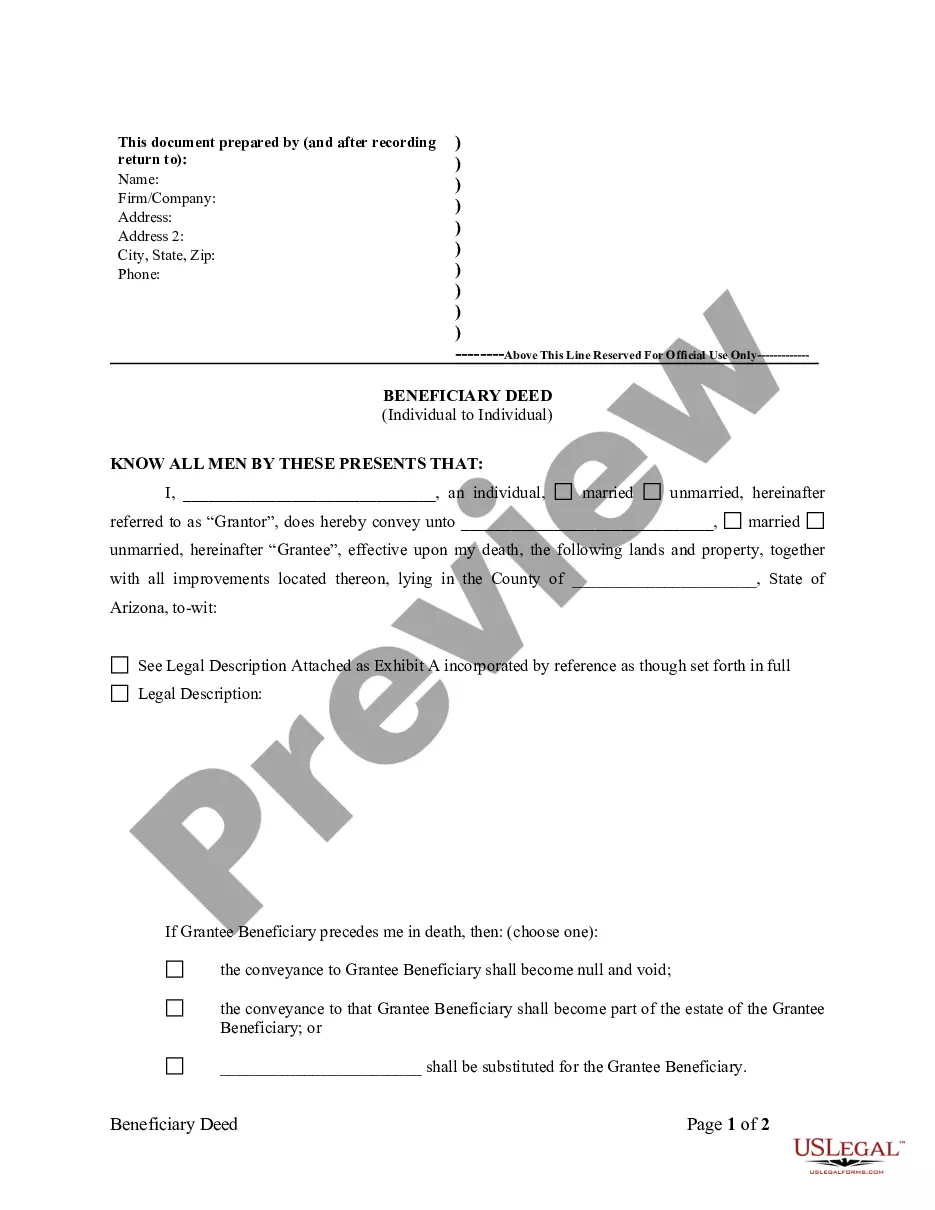
Form popularity
FAQ
The lien claim amount. Name of the property owner. Description of the work or materials you provided. Your hiring party's information. Property description. Identify yourself (name & address) Include the warning statement. Sign & verify your California lien claim.
Make sure the debt the lien represents is valid. Pay off the debt. Fill out a release-of-lien form. Have the lien holder sign the release-of-lien form in front of a notary. File the lien release form. Ask for a lien waiver, if appropriate. Keep a copy.
In California, money judgments are enforceable by a writ of execution. In order to enforce the judgment lien, the judgment creditor must obtain a writ of execution, levy and then sell the real property at an execution sale.
Satisfy Your Debt: This is the most straightforward option. Once you have paid off the balance of your debt, in full, you can file a Release of Lien form. This acts as evidence that the debt has been paid and will effectively remove the lien from your property.
If you get sued, lose and don't pay, the claimant can file liens against your assets, including real estate. You won't be able to sell or borrow against the property without paying them first. And, if you fail to satisfy the lien, the lienholder can file for foreclosure.
If a creditor gets a judgment against you, it can then place a lien on your property. The lien gives the creditor an interest in your property so that it can get paid for the debt you owe.And in some cases, the lien gives the creditor the right to force a sale of your property in order to get paid.
How long does a judgment lien last in Virginia? A judgment lien in Virginia will remain attached to the debtor's property (even if the property changes hands) for ten years.
How Liens Work. A lien provides a creditor with the legal right to seize and sell the collateral property or asset of a borrower who fails to meet the obligations of a loan or contract. The property that is the subject of a lien cannot be sold by the owner without the consent of the lien holder.
How do property liens work? Property liens are legal claims against property granted by a court to a creditor when a debtor doesn't pay their debts. Liens are filed with the county office and sent to the property owner advising them of repossession of the asset(s).