Independent Contractor Work Agreement For Employees In California
Description

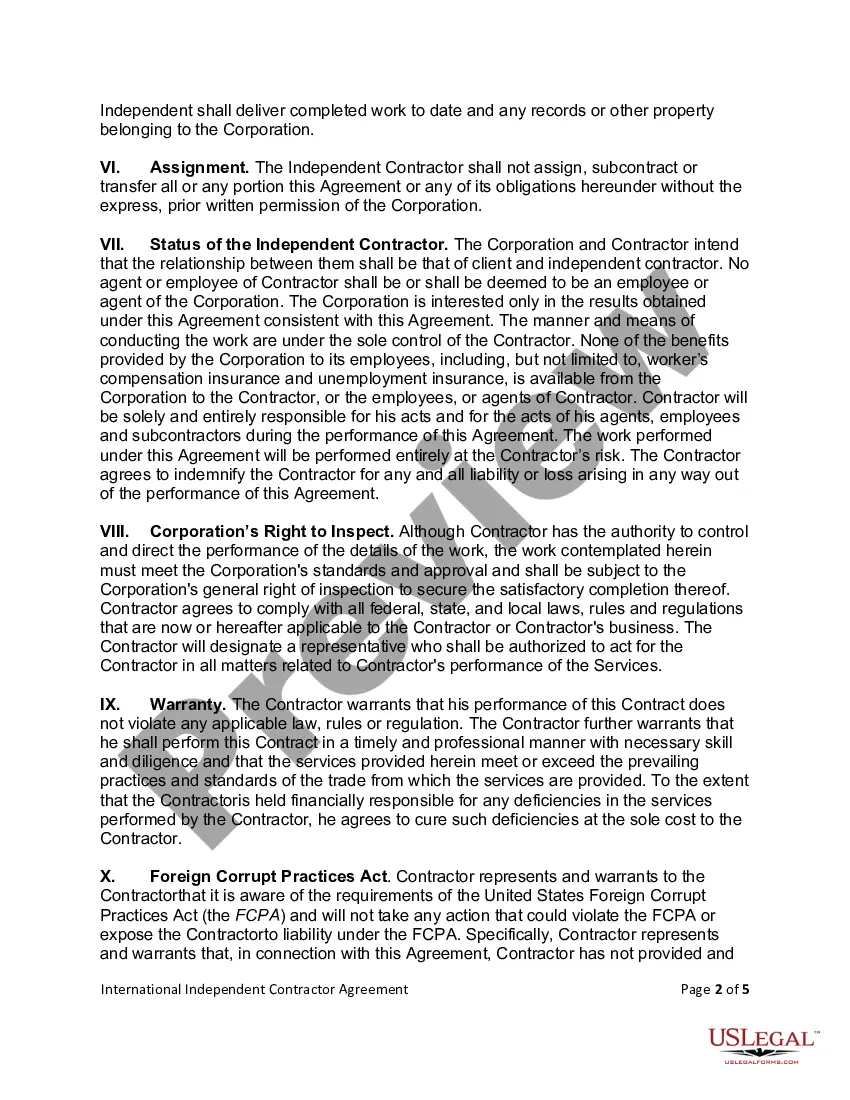
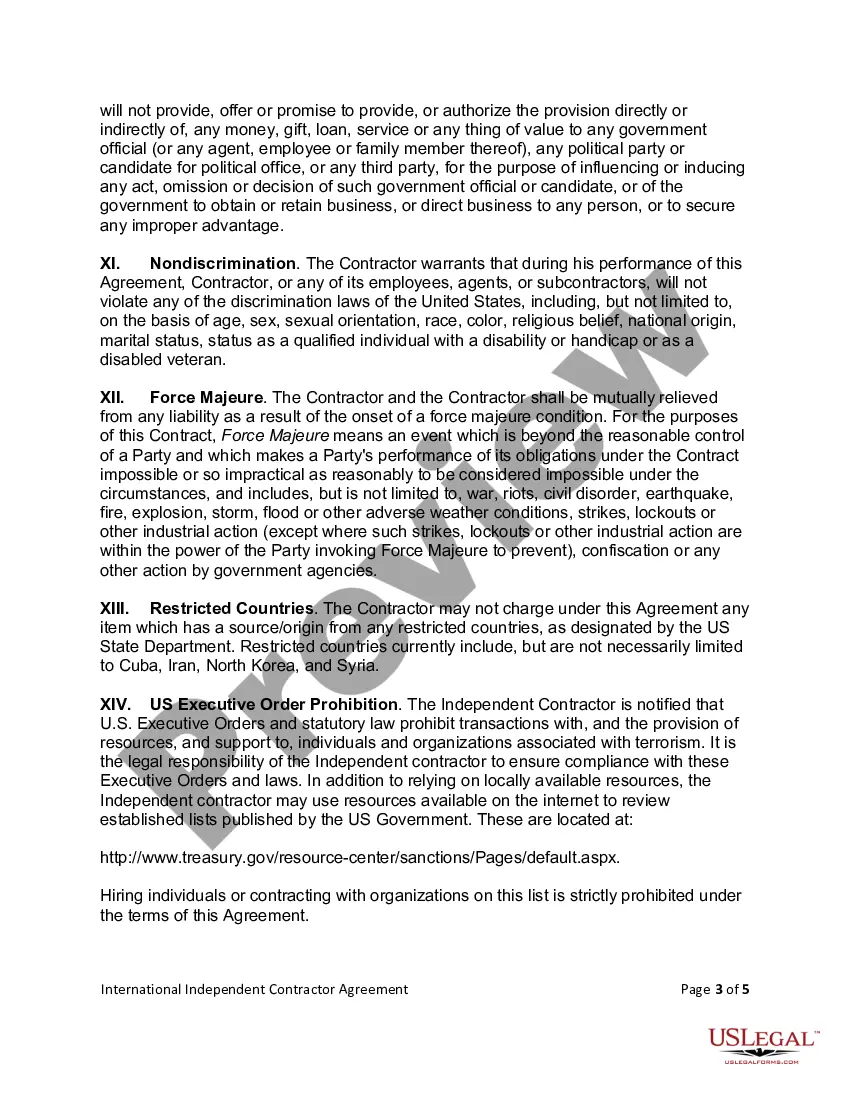
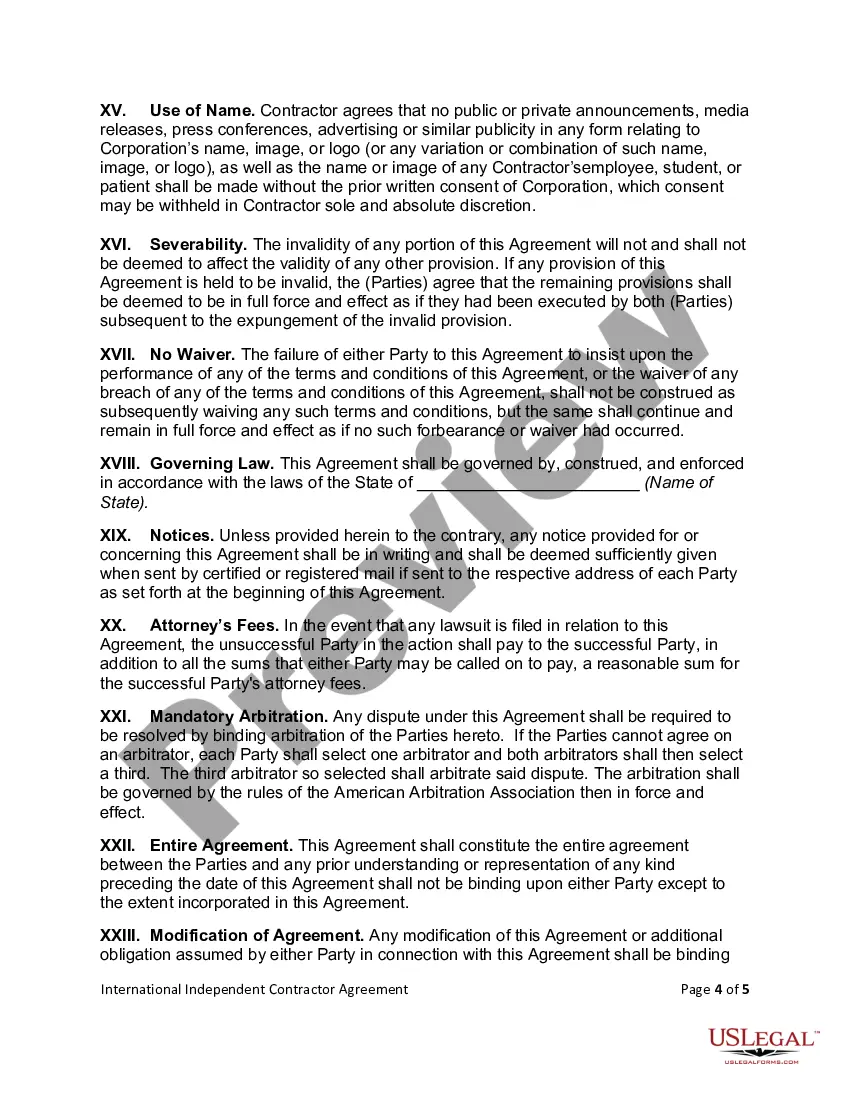
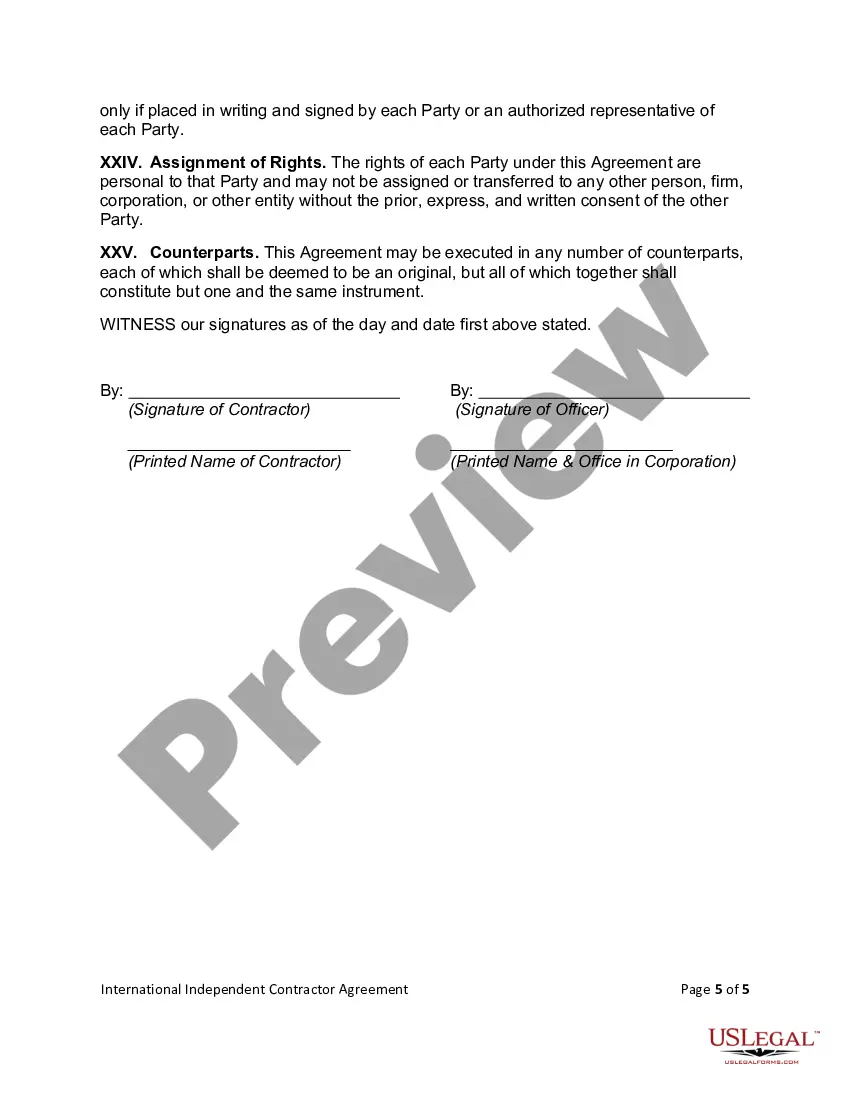
Get your form ready online
Our built-in tools help you complete, sign, share, and store your documents in one place.
Make edits, fill in missing information, and update formatting in US Legal Forms—just like you would in MS Word.
Download a copy, print it, send it by email, or mail it via USPS—whatever works best for your next step.
Sign and collect signatures with our SignNow integration. Send to multiple recipients, set reminders, and more. Go Premium to unlock E-Sign.
If this form requires notarization, complete it online through a secure video call—no need to meet a notary in person or wait for an appointment.
We protect your documents and personal data by following strict security and privacy standards.

Make edits, fill in missing information, and update formatting in US Legal Forms—just like you would in MS Word.

Download a copy, print it, send it by email, or mail it via USPS—whatever works best for your next step.

Sign and collect signatures with our SignNow integration. Send to multiple recipients, set reminders, and more. Go Premium to unlock E-Sign.

If this form requires notarization, complete it online through a secure video call—no need to meet a notary in person or wait for an appointment.

We protect your documents and personal data by following strict security and privacy standards.
Looking for another form?








Form popularity
FAQ
Do I need a written contract if I have an independent contractor working for me? In California, the relationship between businesses and independent contractors is subject to strict legal standards. As of January 1, 2025, having a written contract with certain types of independent contractors is required by law.
Key Aspects Rule The rule typically specifies that a contractor cannot work for the same employer for more than 2 consecutive years.
Factors that show you are an independent contractor include working with multiple clients instead of just one, not receiving detailed instructions from hiring firms, paying your own business expenses such as office and equipment expenses, setting your own schedule, marketing your services to the public, having all ...
1. What is the 2 year contractor rule? The 2 year contractor rule is a provision that limits the amount of time a contractor can work for a company as an independent contractor without being considered an employee. It typically states contractor works company 2 years, may deemed employee legal tax purposes.
Below are eight important points to consider including in an independent contractor agreement. Define a Scope of Work. Set a Timeline for the Project. Specify Payment Terms. State Desired Results and Agree on Performance Measurement. Detail Insurance Requirements. Include a Statement of Independent Contractor Relationship.
Freelancers: Writers, graphic designers, web developers, photographers, and other creative professionals often work as independent contractors. Consultants: Business consultants, human resources consultants, and management consultants often provide their services as independent contractors.
A: Working as an independent contractor in California does not always require a business license. Whether or not you need permits or licenses can depend on your industry and where you operate the business.
Contractor agreement is a contract between a company and a contractor hired by them. A contractor performs specific project/tasks. It defines the overall terms and conditions regarding the work undertaken by the contractor as well as their role, duties, and obligations.
To write a simple contract, title it clearly, identify all parties and specify terms (services or payments). Include an offer, acceptance, consideration, and intent. Add a signature and date for enforceability. Written contracts reduce disputes and offer better legal security than verbal ones.
