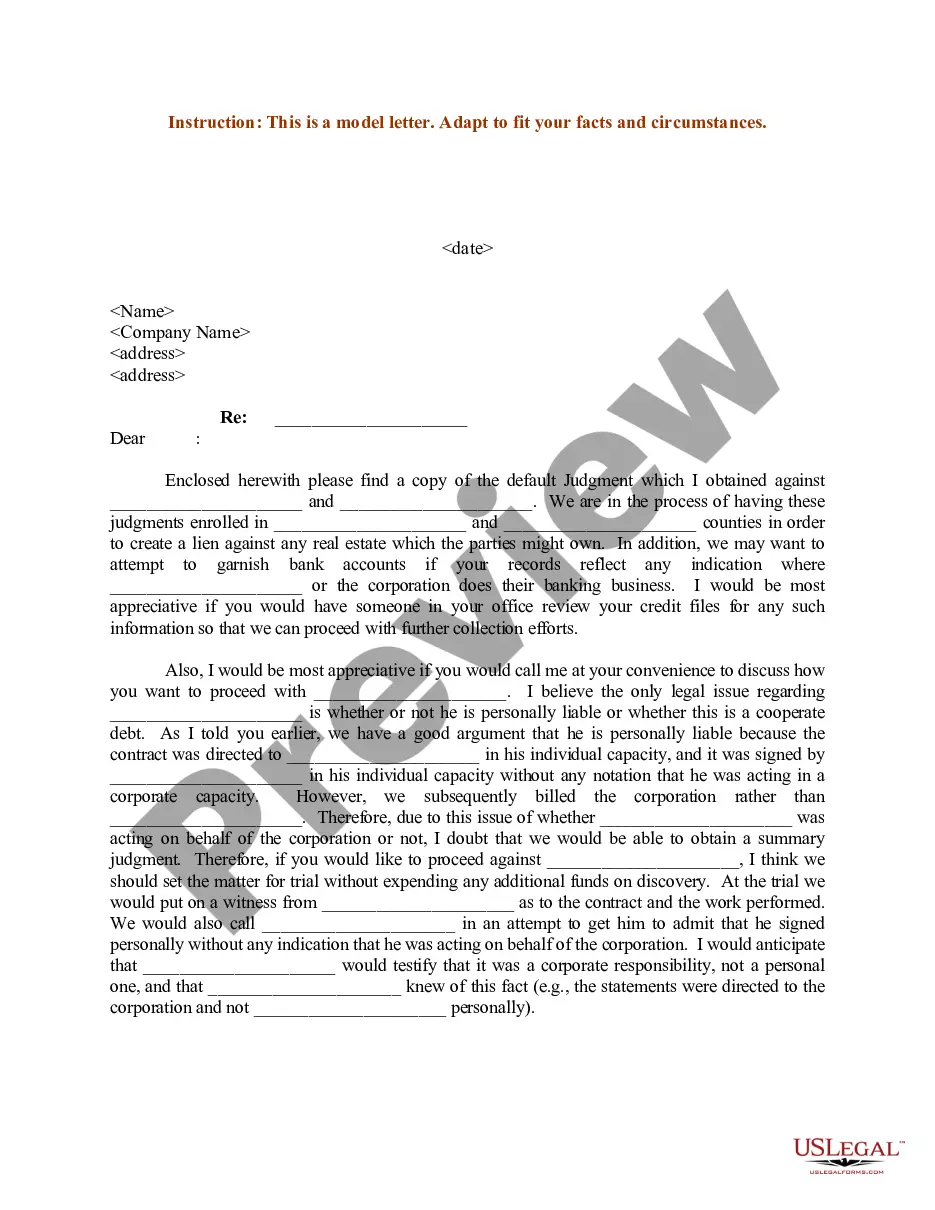
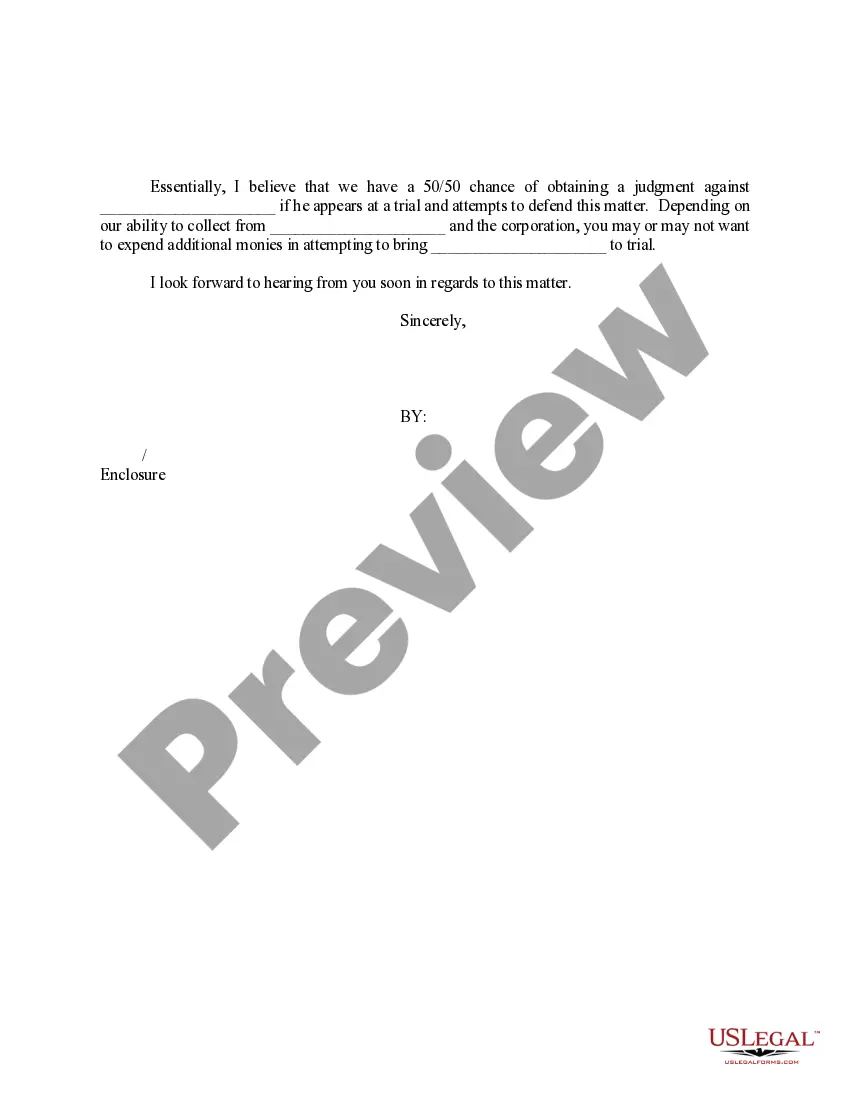
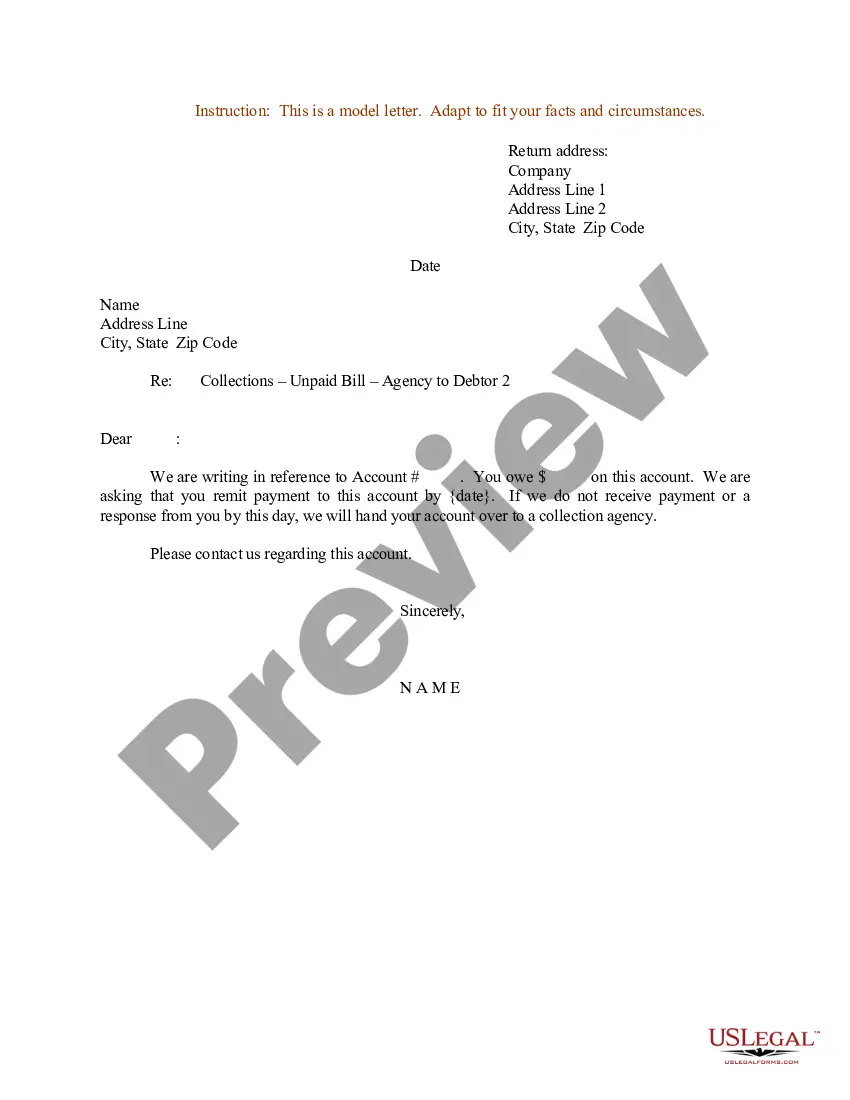
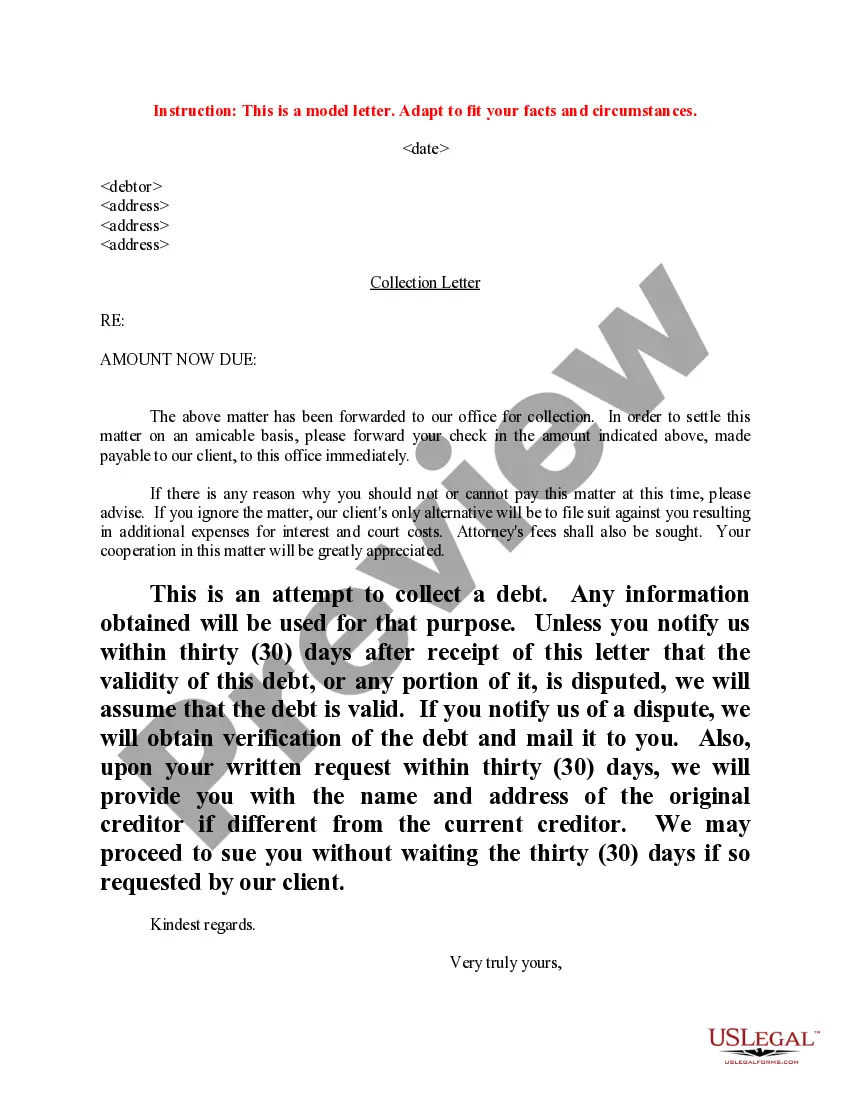
Letters Legal Collections Without Prejudice In Minnesota
Description
Get your form ready online
Our built-in tools help you complete, sign, share, and store your documents in one place.
Make edits, fill in missing information, and update formatting in US Legal Forms—just like you would in MS Word.
Download a copy, print it, send it by email, or mail it via USPS—whatever works best for your next step.
Sign and collect signatures with our SignNow integration. Send to multiple recipients, set reminders, and more. Go Premium to unlock E-Sign.
If this form requires notarization, complete it online through a secure video call—no need to meet a notary in person or wait for an appointment.
We protect your documents and personal data by following strict security and privacy standards.

Make edits, fill in missing information, and update formatting in US Legal Forms—just like you would in MS Word.

Download a copy, print it, send it by email, or mail it via USPS—whatever works best for your next step.

Sign and collect signatures with our SignNow integration. Send to multiple recipients, set reminders, and more. Go Premium to unlock E-Sign.

If this form requires notarization, complete it online through a secure video call—no need to meet a notary in person or wait for an appointment.

We protect your documents and personal data by following strict security and privacy standards.
Looking for another form?




Form popularity
FAQ
41.02Involuntary Dismissal; Effect Thereof In an action tried by the court without a jury, the court as trier of the fact may then determine the facts and render judgment against the plaintiff or may decline to render any judgment until the close of all the evidence.
Minnesota Statute § 548.101 applies to cases filed by debt buyers seeking default judgments against Minnesota citizens in state court for any consumer debt that is primarily for personal, family, or household purposes and was in default at the time the debt buyer bought the debt.
See Rule 5.04 of the MN Rules of Civil Procedure. Unless the parties sign a written agreement to extend the filing deadline, failure to file within the year may result in the case being "dismissed with prejudice," which means that it can never be filed again in District Court.
It is lawful for any surveyor to enter upon any land for the purpose of locating existing survey or reference monuments or landmarks, provided, however, such surveyor shall be responsible to the landowner for any and all damages as a result of such entry, and no surveyor may enter upon any land unless first notifying ...
Here are a few suggestions that might work in your favor: Write a letter disputing the debt. You have 30 days after receiving a collection notice to dispute a debt in writing. Dispute the debt on your credit reports. Lodge a complaint. Respond to a lawsuit. Hire an attorney.
Debt collectors cannot harass or abuse you. They cannot swear, threaten to illegally harm you or your property, threaten you with illegal actions, or falsely threaten you with actions they do not intend to take. They also cannot make repeated calls over a short period to annoy or harass you.
It's easy, just write the debt collector and let them know you do not want any further contact from them. Include your name, address, phone number, and account number in your letter. In the United States, once a debt collector receives your cease and desist letter, they can only contact you for two reasons:
The phrase in question is: “Please cease and desist all calls and contact with me, immediately.” These 11 words, when used correctly, can provide significant protection against aggressive debt collection practices.
Specifically, the rule states that a debt collector cannot: Make more than seven calls within a seven-day period to a consumer regarding a specific debt. Call a consumer within seven days after having a telephone conversation about that debt.
The phrase in question is: “Please cease and desist all calls and contact with me, immediately.” These 11 words, when used correctly, can provide significant protection against aggressive debt collection practices.