Performance Agreement In Hr In Utah
Description

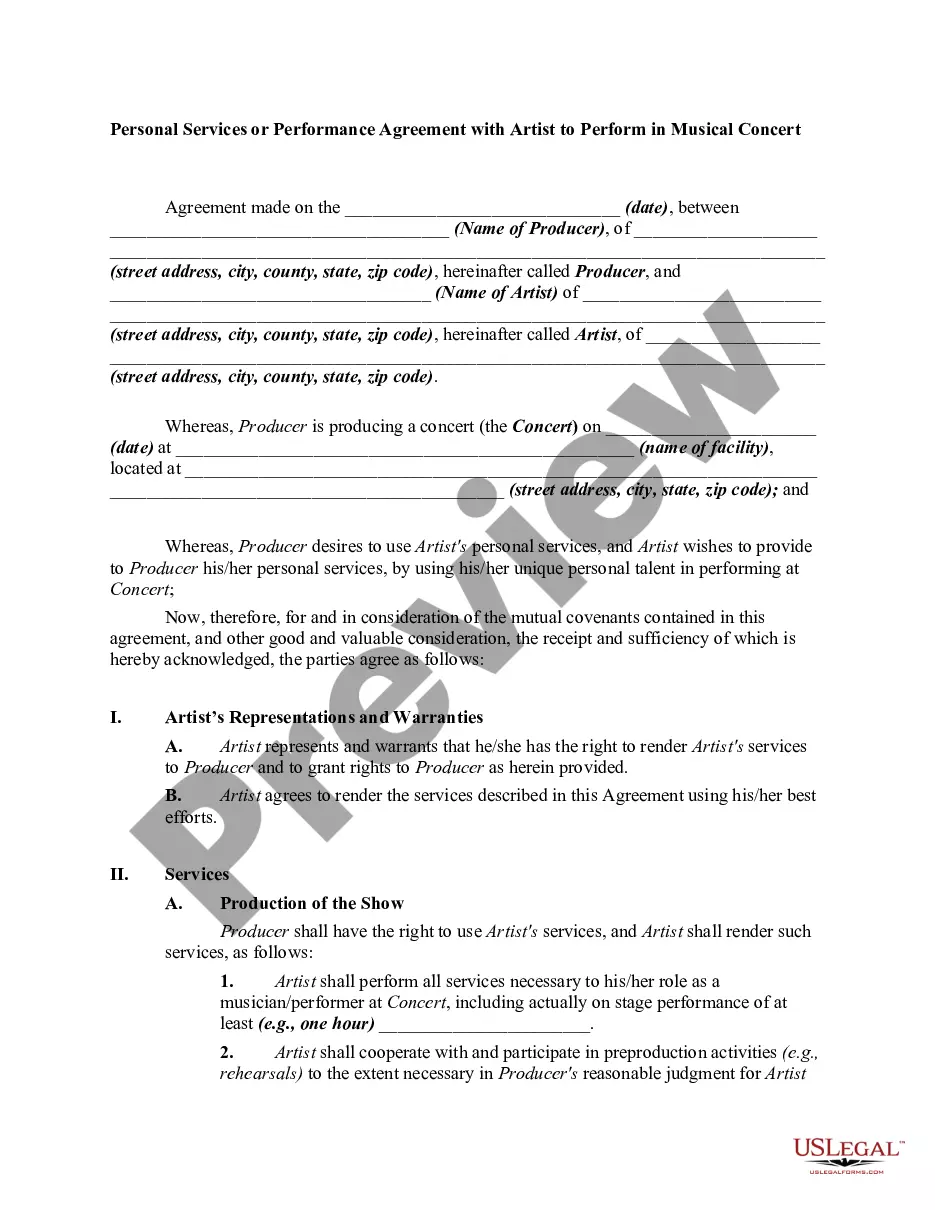
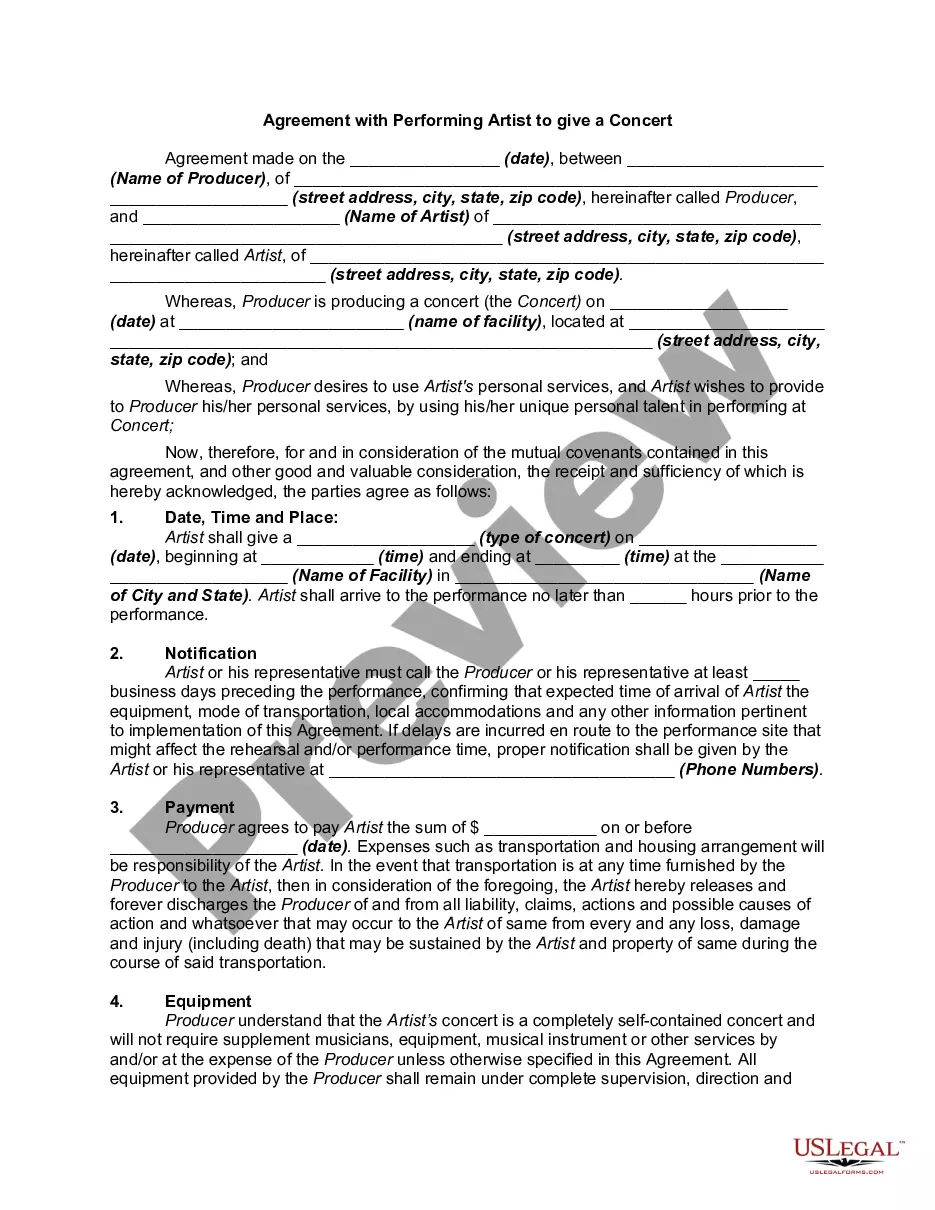
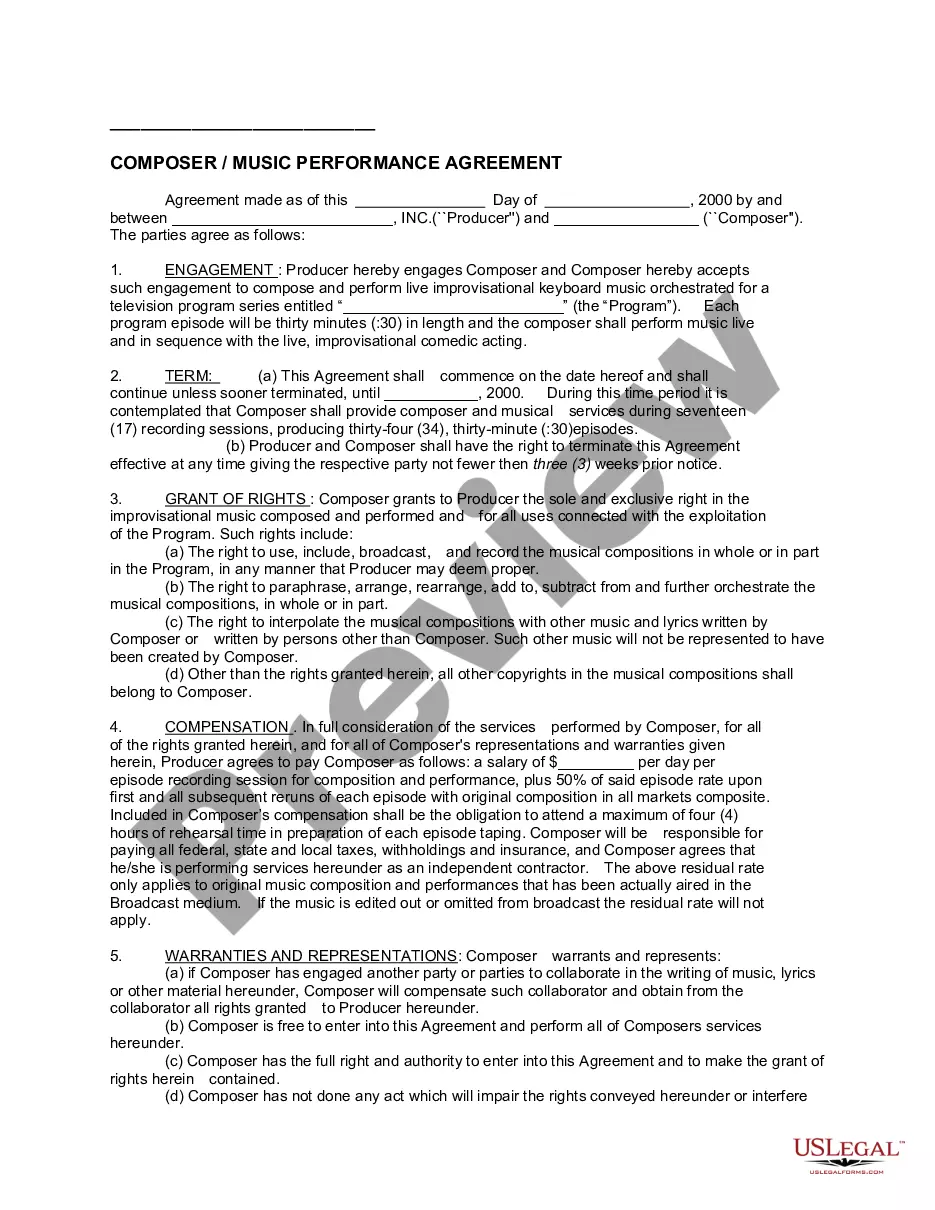
Get your form ready online
Our built-in tools help you complete, sign, share, and store your documents in one place.
Make edits, fill in missing information, and update formatting in US Legal Forms—just like you would in MS Word.
Download a copy, print it, send it by email, or mail it via USPS—whatever works best for your next step.
Sign and collect signatures with our SignNow integration. Send to multiple recipients, set reminders, and more. Go Premium to unlock E-Sign.
If this form requires notarization, complete it online through a secure video call—no need to meet a notary in person or wait for an appointment.
We protect your documents and personal data by following strict security and privacy standards.

Make edits, fill in missing information, and update formatting in US Legal Forms—just like you would in MS Word.

Download a copy, print it, send it by email, or mail it via USPS—whatever works best for your next step.

Sign and collect signatures with our SignNow integration. Send to multiple recipients, set reminders, and more. Go Premium to unlock E-Sign.

If this form requires notarization, complete it online through a secure video call—no need to meet a notary in person or wait for an appointment.

We protect your documents and personal data by following strict security and privacy standards.
Looking for another form?










Form popularity
FAQ
A Performance Improvement Plan (PIP) is a tool used by managers in human resources to help employees improve their job performance. The PIP sets specific goals for the employee to achieve and outlines the steps that the manager and employee will take to help the employee reach those goals.
Performance is measured using specific metrics and KPIs that align with the company's strategic objectives. These metrics could include financial performance, customer satisfaction, internal process efficiency, and learning and growth targets.
How to Measure Your Employee's Performance Set measurable OKRs and individual goals. Benchmark performance by implementing 'sprints' ... Implement a project or task management tools. Track training completion. Conduct a skills gap analysis. Track, measure, and analyze digital adoption KPIs.
Written evaluation Quality of work (accuracy, thoroughness, competence) Quantity of work (productivity level, time management, ability to meet deadlines) Job knowledge (skills and understanding of the work) Working relationships (ability to work with others, communication skills)
Follow these steps to put an effective performance agreement in place for your staff: Start With Clear Expectations. Build in Milestones. Agree on the Terms. Schedule Accountability Meetings. Establish Outcome Results and Consequences. Sign and Date the Agreement.
Common metrics for assessing outcomes include: Employee Net Promoter Score (eNPS) Employee satisfaction index. Absenteeism rate. Employee productivity rate. Average length of service. Attrition rate.
While it's true that PIPs are often a prelude to a termination, that's not always the case. If you're given a performance improvement plan, there's hope yet — in some cases, you can still fix the issues and keep your job.
Performance agreements define executive accountability for specific organizational goals, help executives align daily operations, and clarify how work unit activities contribute to the agency's goals and objectives. Collaboration across organizational boundaries.
A PIP, therefore, typically acts as a final written warning, and is usually issued only after an employee has been informed on several occasions of performance deficiencies or other concerns that are impeding the business's functioning.
