Performance Agreements For Employees In Palm Beach
Description

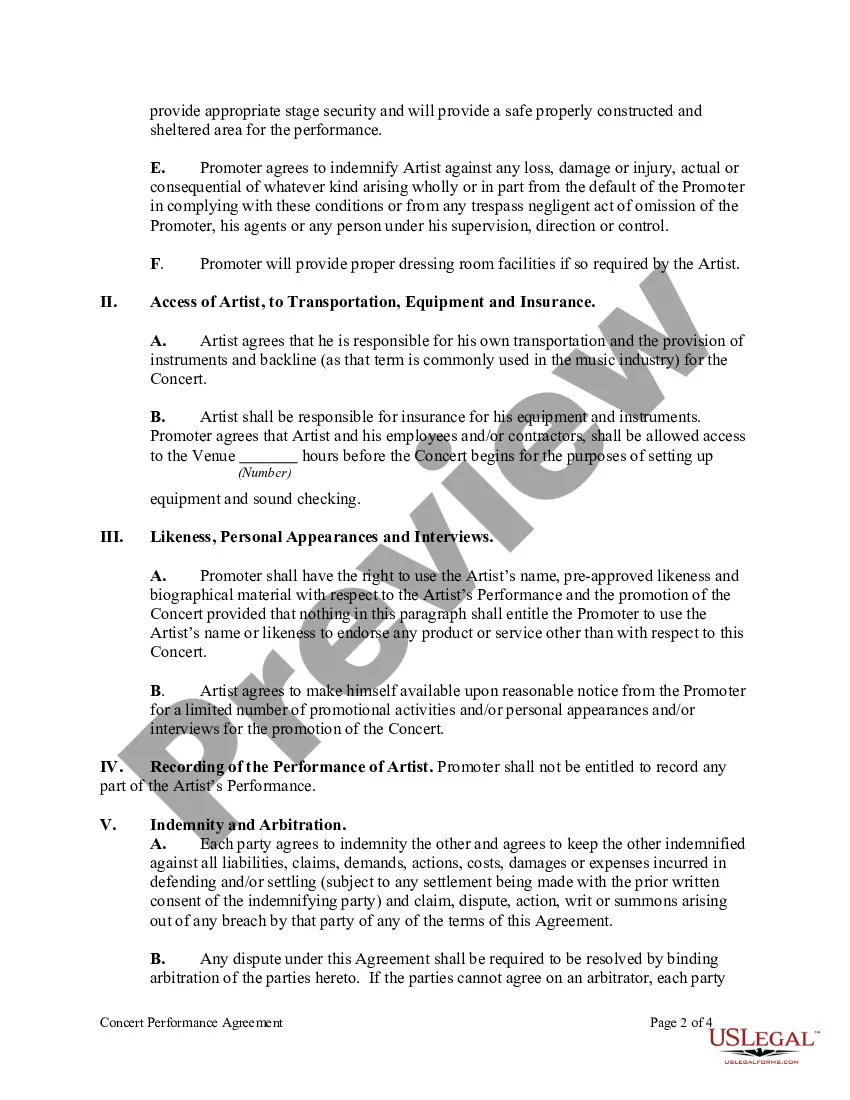
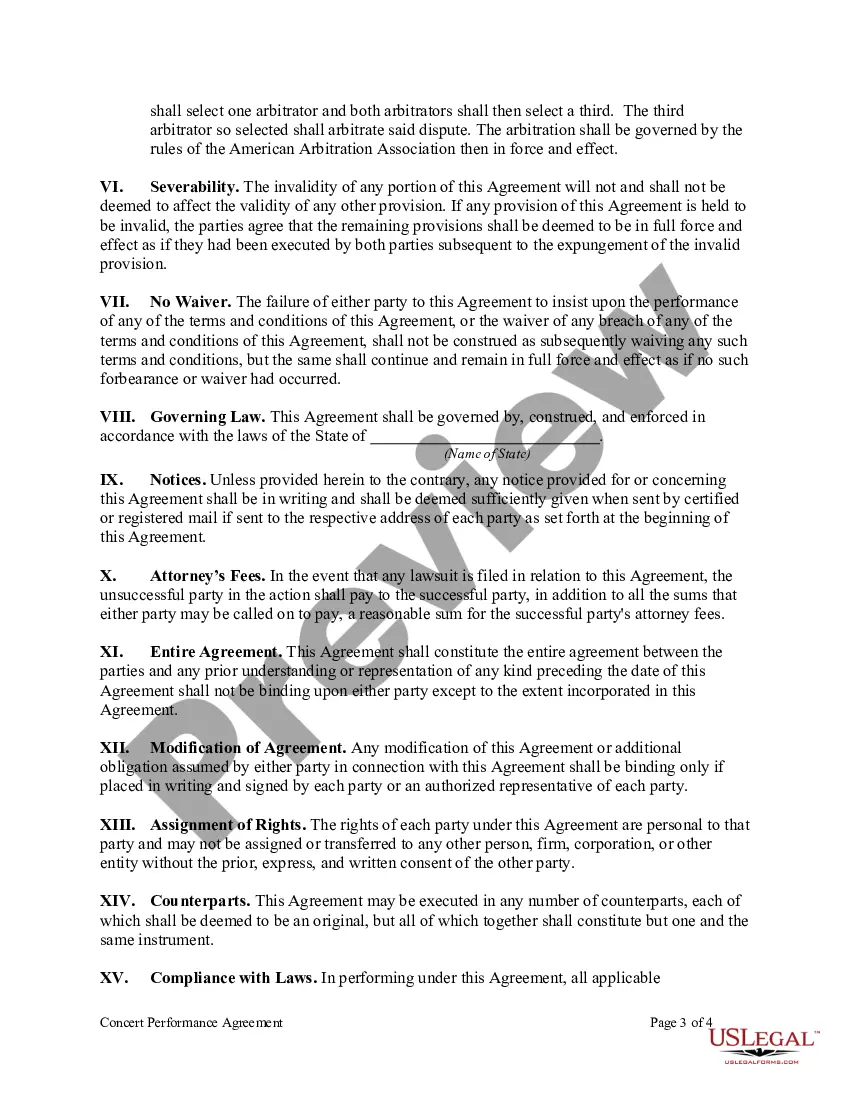
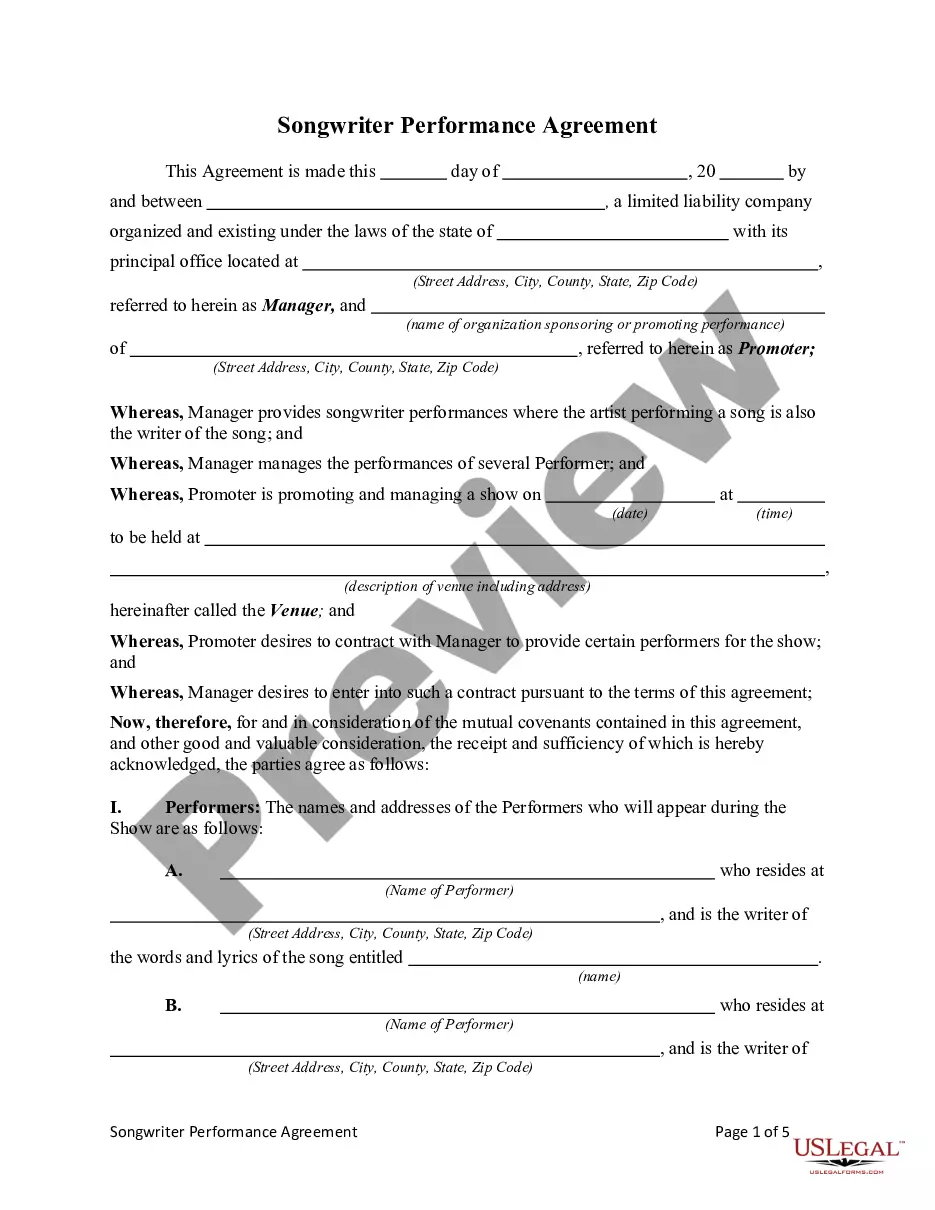
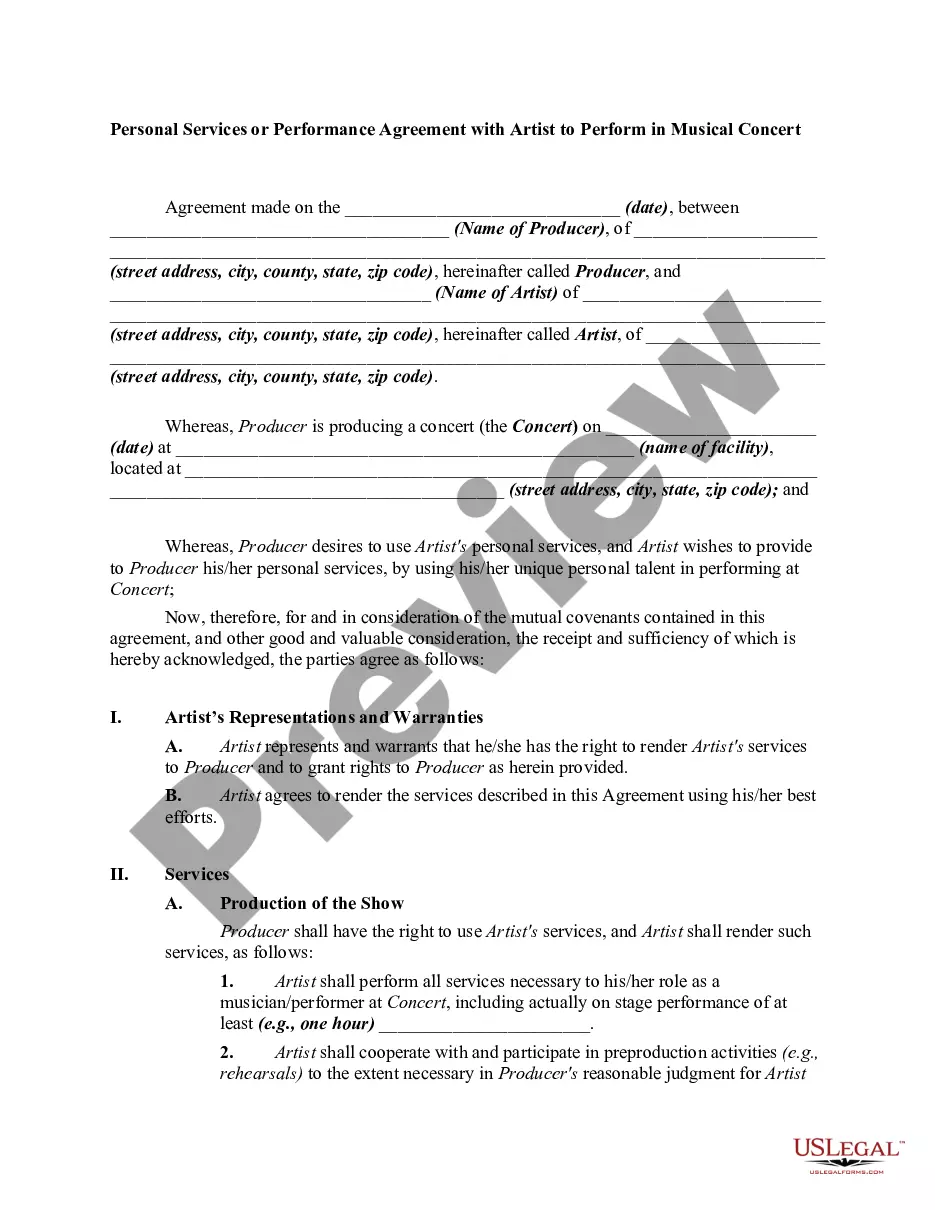
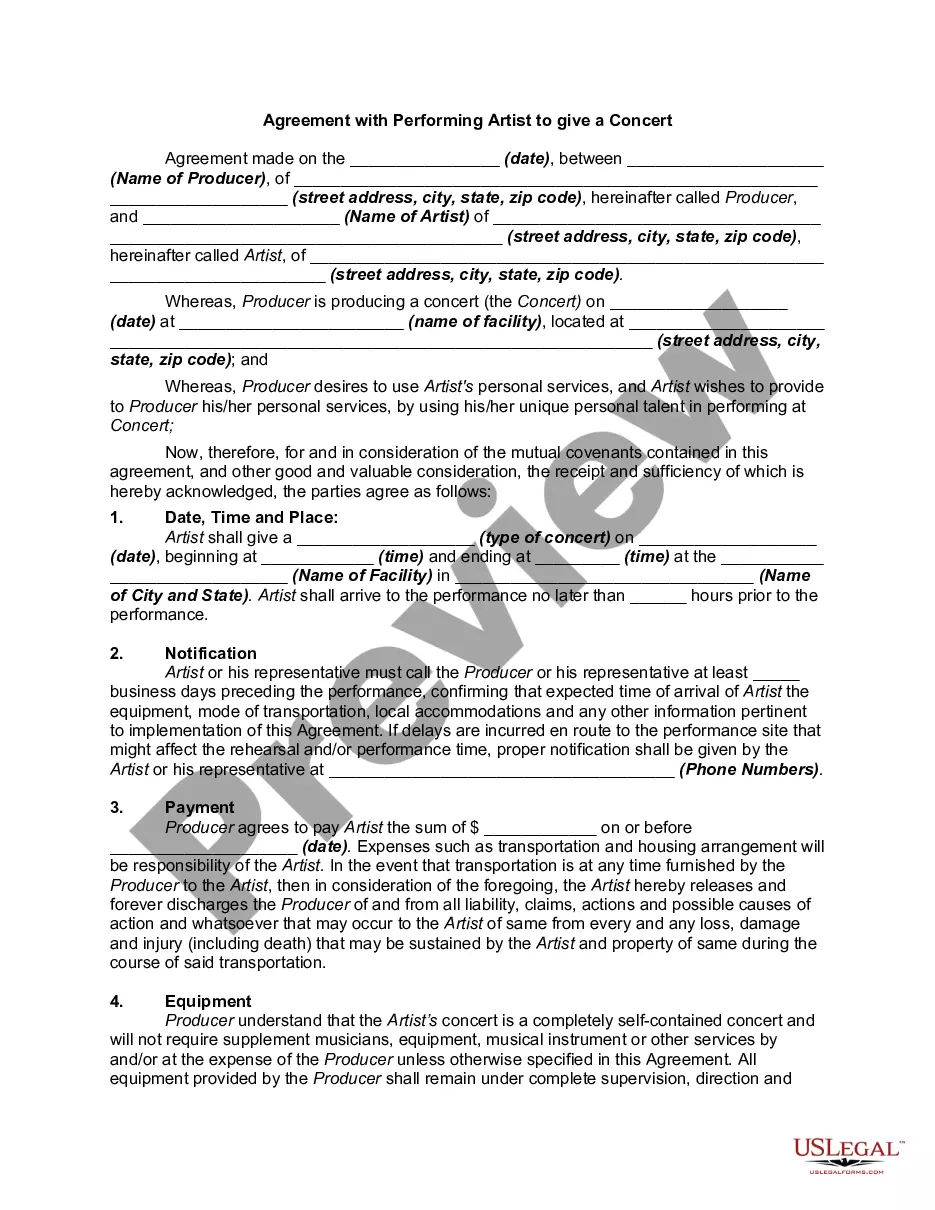
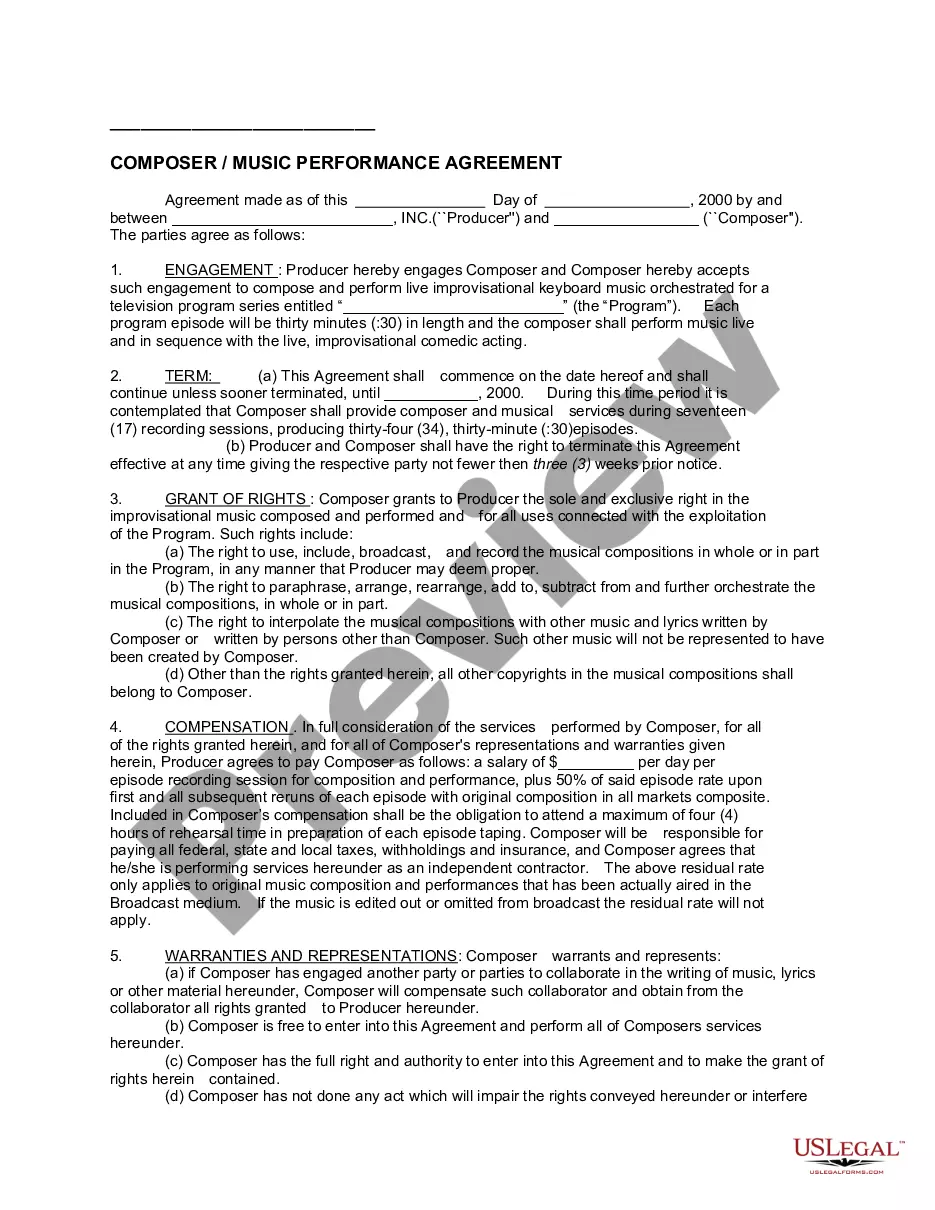
Get your form ready online
Our built-in tools help you complete, sign, share, and store your documents in one place.
Make edits, fill in missing information, and update formatting in US Legal Forms—just like you would in MS Word.
Download a copy, print it, send it by email, or mail it via USPS—whatever works best for your next step.
Sign and collect signatures with our SignNow integration. Send to multiple recipients, set reminders, and more. Go Premium to unlock E-Sign.
If this form requires notarization, complete it online through a secure video call—no need to meet a notary in person or wait for an appointment.
We protect your documents and personal data by following strict security and privacy standards.

Make edits, fill in missing information, and update formatting in US Legal Forms—just like you would in MS Word.

Download a copy, print it, send it by email, or mail it via USPS—whatever works best for your next step.

Sign and collect signatures with our SignNow integration. Send to multiple recipients, set reminders, and more. Go Premium to unlock E-Sign.

If this form requires notarization, complete it online through a secure video call—no need to meet a notary in person or wait for an appointment.

We protect your documents and personal data by following strict security and privacy standards.
Looking for another form?







Form popularity
FAQ
Performance agreements define executive accountability for specific organizational goals, help executives align daily operations, and clarify how work unit activities contribute to the agency's goals and objectives. Collaboration across organizational boundaries.
Having a performance agreement in place will help your employee understand what you expect from them. It also sets out what support or assistance will be provided to help the employee achieve their goals.
Follow these steps to put an effective performance agreement in place for your staff: Start With Clear Expectations. Build in Milestones. Agree on the Terms. Schedule Accountability Meetings. Establish Outcome Results and Consequences. Sign and Date the Agreement.
The purpose of a team agreement is to ensure smooth teamwork, getting everyone on the same page and creating a productive work environment. Clear guidance eliminates possibilities of misunderstanding and confusion, as people get access to all the necessary information, which fosters team cohesion.
Performance agreements must clearly state agreed-upon objectives and how these will be measured. Document these things to help you avoid future disagreements about exactly what you expected the person to accomplish.
One way to establish this vision is to develop a Team Performance Agreement (TPA). The TPA can provide a framework for group efforts, outlining what is expected of each member, how decisions will be made and how conflicts will be resolved.
5 steps to creating a team performance improvement plan Start with the team's vision. Identify shared goals and objectives. Define metrics for success. Clarify everyone's roles and responsibilities. Set a clear timeframe for achieving goals. Give your staff the tools they need. Develop a high-performance environment.
