Performance Agreement For Managers In Miami-Dade
Description

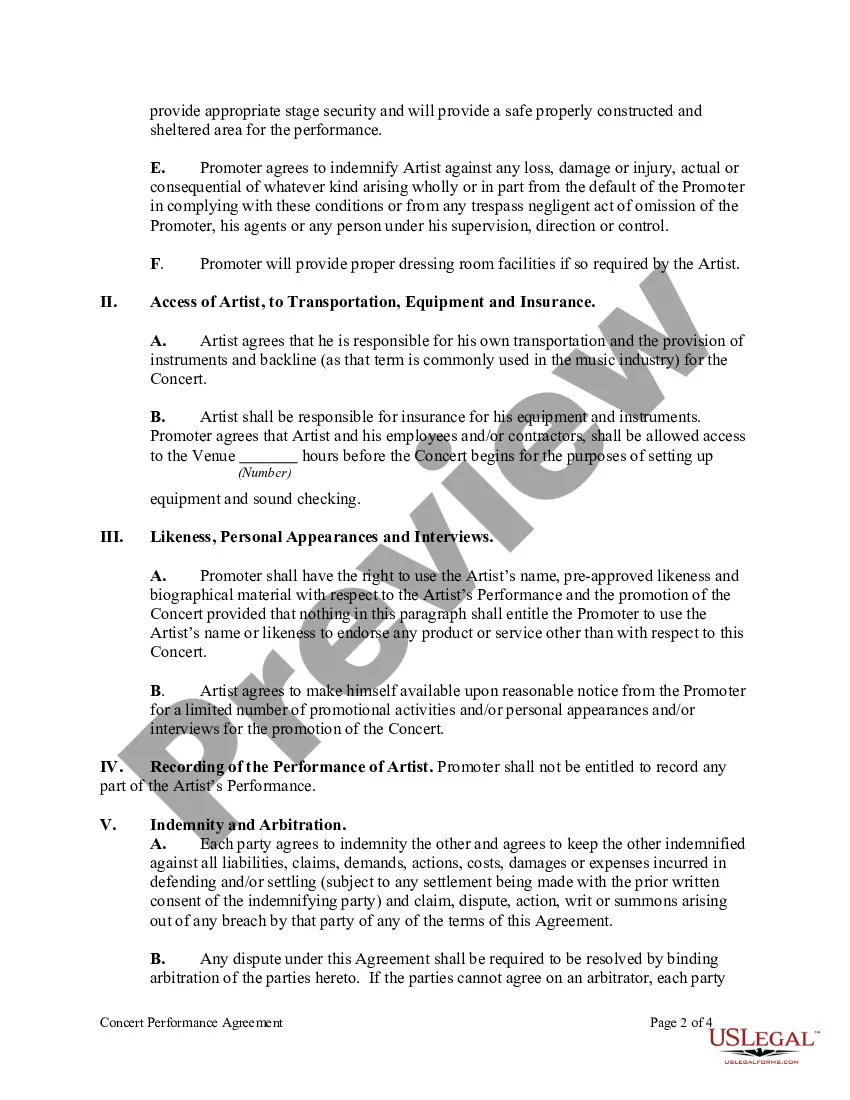
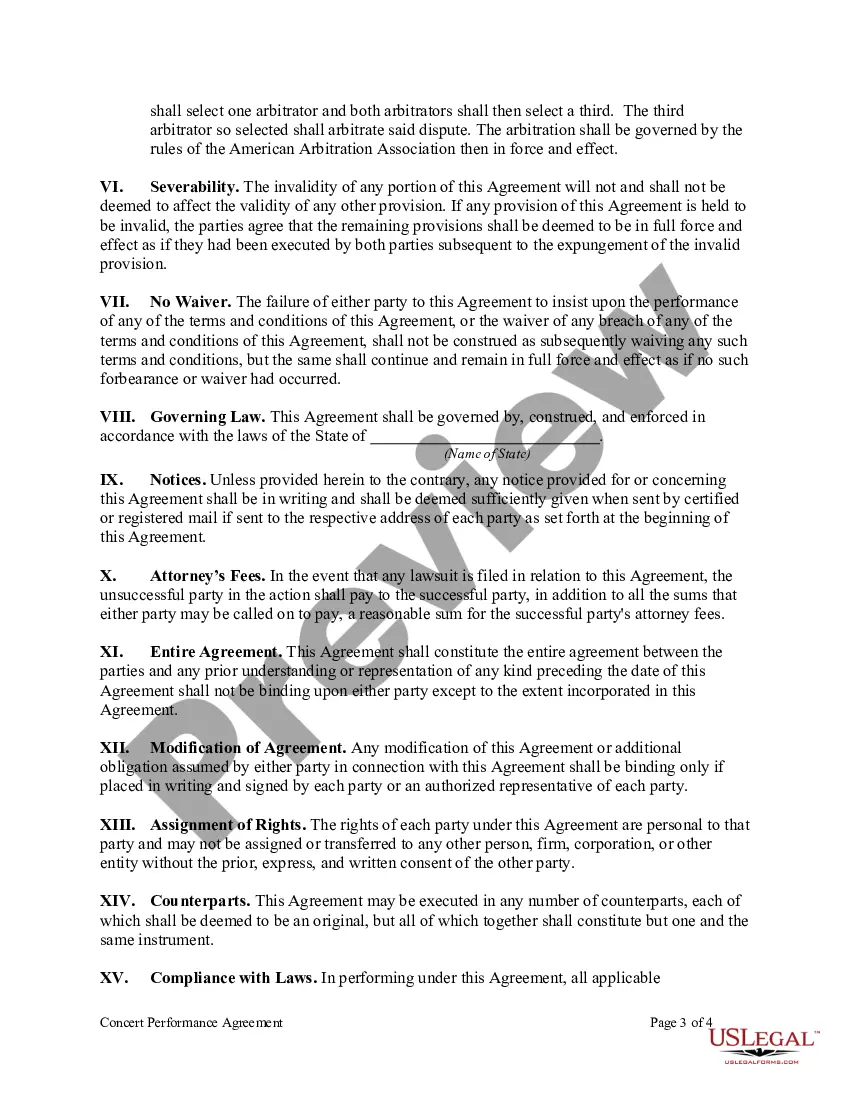
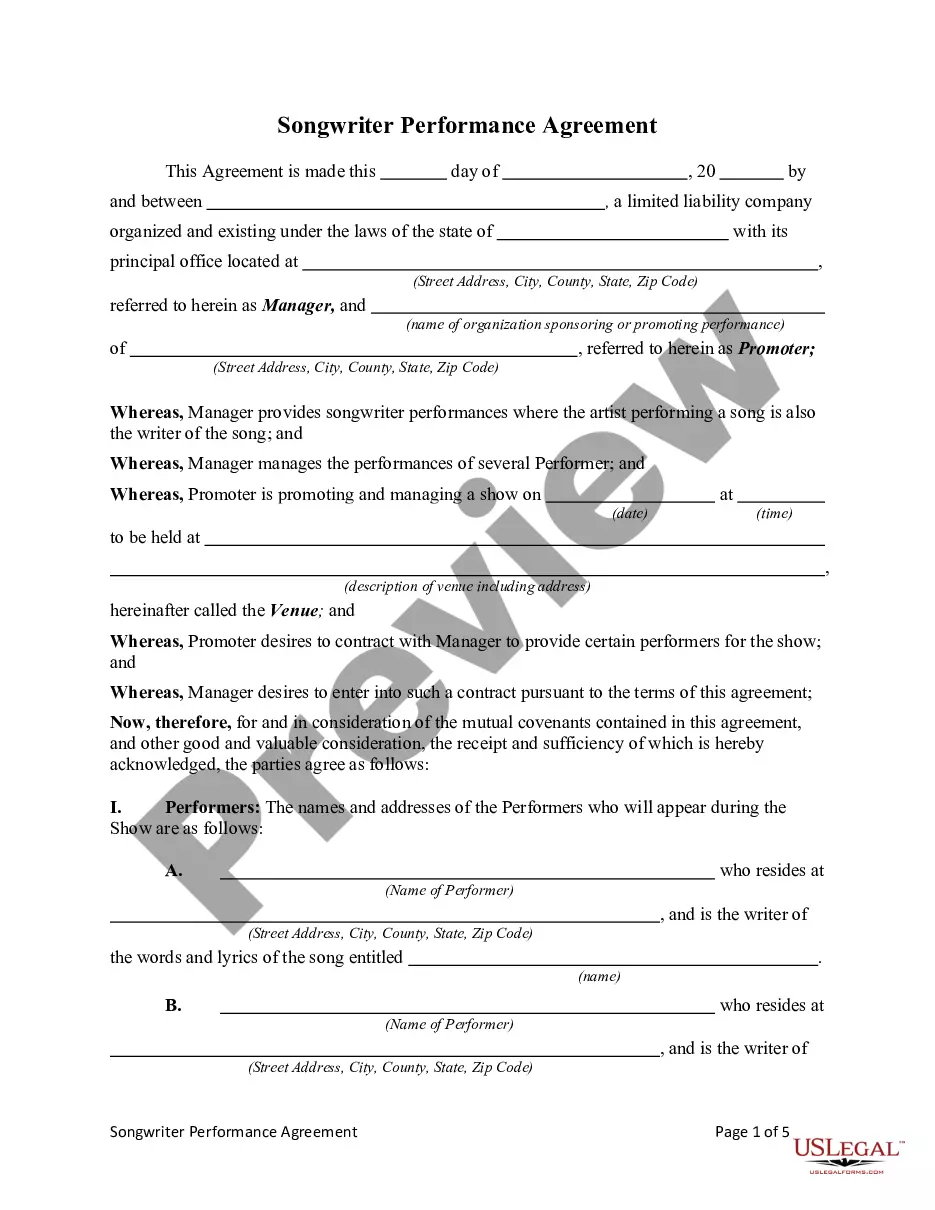
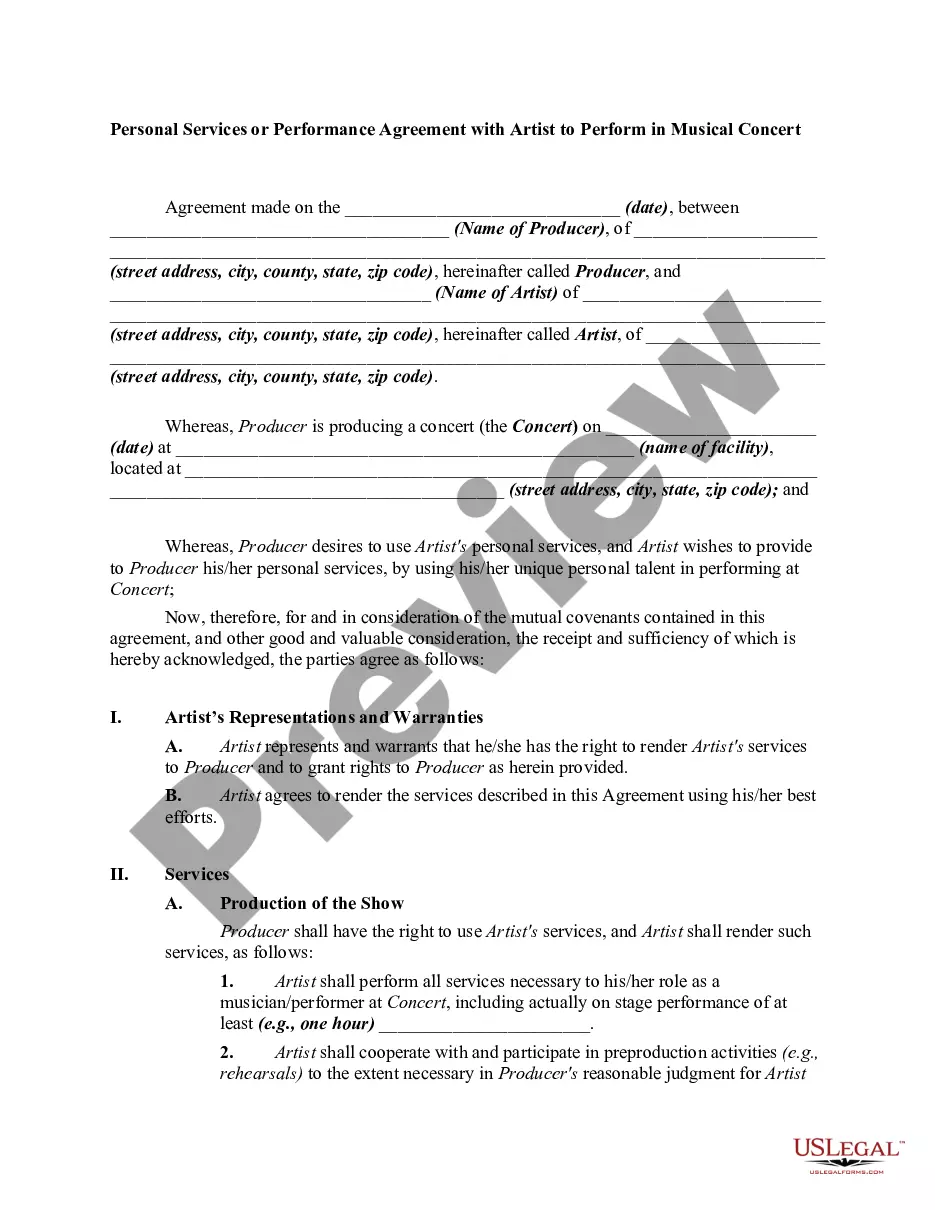
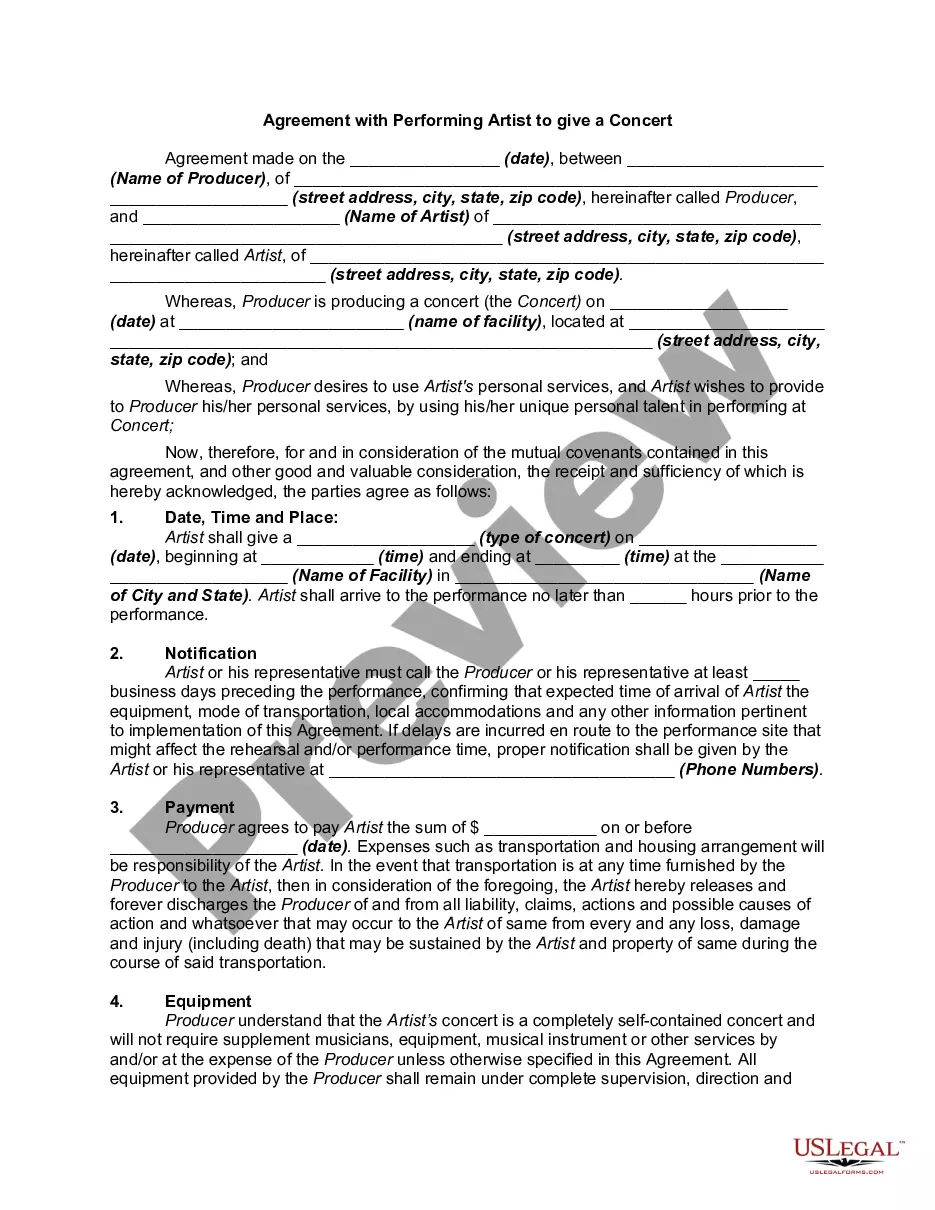
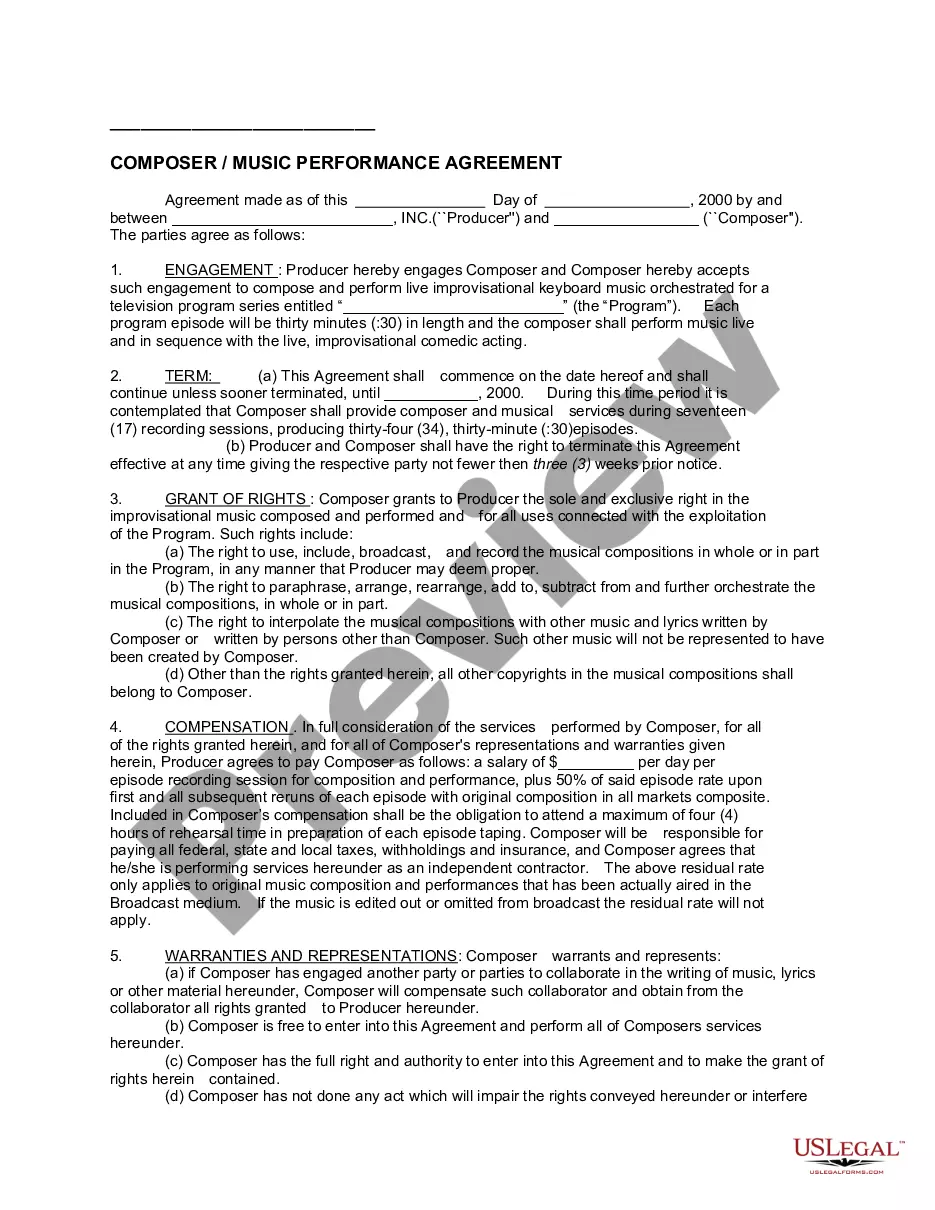
Get your form ready online
Our built-in tools help you complete, sign, share, and store your documents in one place.
Make edits, fill in missing information, and update formatting in US Legal Forms—just like you would in MS Word.
Download a copy, print it, send it by email, or mail it via USPS—whatever works best for your next step.
Sign and collect signatures with our SignNow integration. Send to multiple recipients, set reminders, and more. Go Premium to unlock E-Sign.
If this form requires notarization, complete it online through a secure video call—no need to meet a notary in person or wait for an appointment.
We protect your documents and personal data by following strict security and privacy standards.

Make edits, fill in missing information, and update formatting in US Legal Forms—just like you would in MS Word.

Download a copy, print it, send it by email, or mail it via USPS—whatever works best for your next step.

Sign and collect signatures with our SignNow integration. Send to multiple recipients, set reminders, and more. Go Premium to unlock E-Sign.

If this form requires notarization, complete it online through a secure video call—no need to meet a notary in person or wait for an appointment.

We protect your documents and personal data by following strict security and privacy standards.
Looking for another form?




Form popularity
FAQ
Here's the proven 9-step process for developing a performance plan: Automate the process. Explain performance reviews. Align goals. Define tactics. Connect employees to the bigger picture. Discuss performance. Create an ongoing communication plan. Set regular performance reviews.
Contract performance management provides a methodical and evidence-based approach to ensure: performance indicators in current agreements are standardised and in some instances reduced. equitable, transparent and accountable relationships. shared understanding of roles, responsibilities and accountabilities.
Follow these steps to put an effective performance agreement in place for your staff: Start With Clear Expectations. Build in Milestones. Agree on the Terms. Schedule Accountability Meetings. Establish Outcome Results and Consequences. Sign and Date the Agreement.
How to answer performance review questions Go to the point. Focus on what you have achieved with numbers and clear metrics. It's ok to admit failure if you have a plan. Communication and awareness questions. Feedback on your execution. Meeting expectations. Problems you can solve for your manager/team/company.
UNC Professor Elad Sherf recommends using the framework of the three Cs — Clarity, Contextual Meaning, and Composure — as a guide for turning every performance review into an opportunity to demonstrate empathy and help employees achieve lasting growth, learning, and improvement.
Avoid words such as “pathetic, “useless, “annoying” etc. These words are demeaning and can cause an employee to be distressed. You want to talk about the effect an employee's work had on a project.
Never discuss personality traits—especially negative ones. You can say, “You have a fabulous attitude.” But saying, “Your attitude isn't great” focuses on personality, not performance. Maybe your employee does have a bad attitude.
Don't surprise your manager with significant issues or concerns that you haven't previously discussed. Don't argue about the feedback. If you disagree, ask for specific examples and discuss calmly. Don't forget to discuss support or resources you might need to achieve your goals.
When you fill the form: Be honest and critical. Analyze your failures and mention the reasons for it. Keep the words minimal. Identify weaknesses. Mention your achievements. Link achievements to the job description and the organization's goals. Set the goals for the next review period. Resolve conflicts and grievances.
