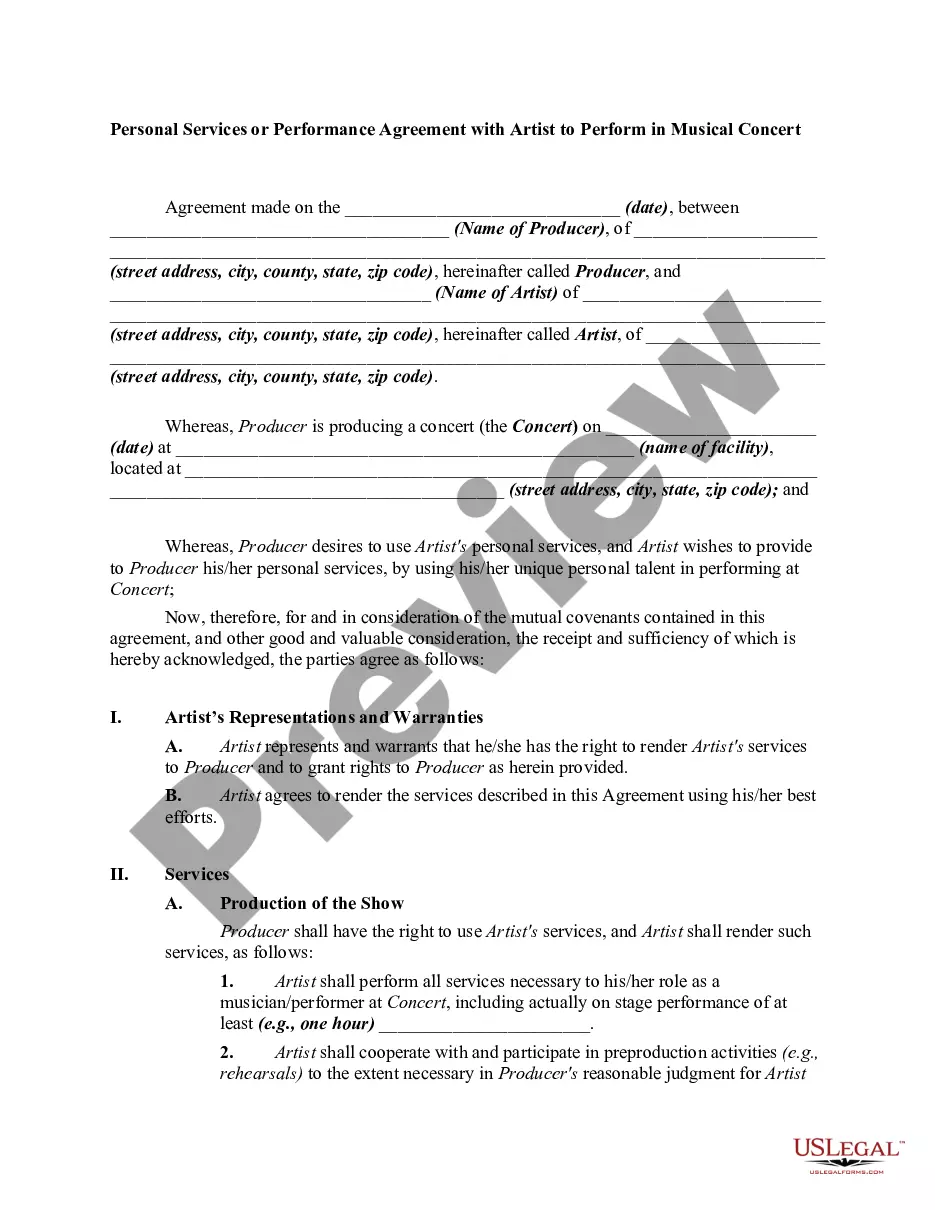
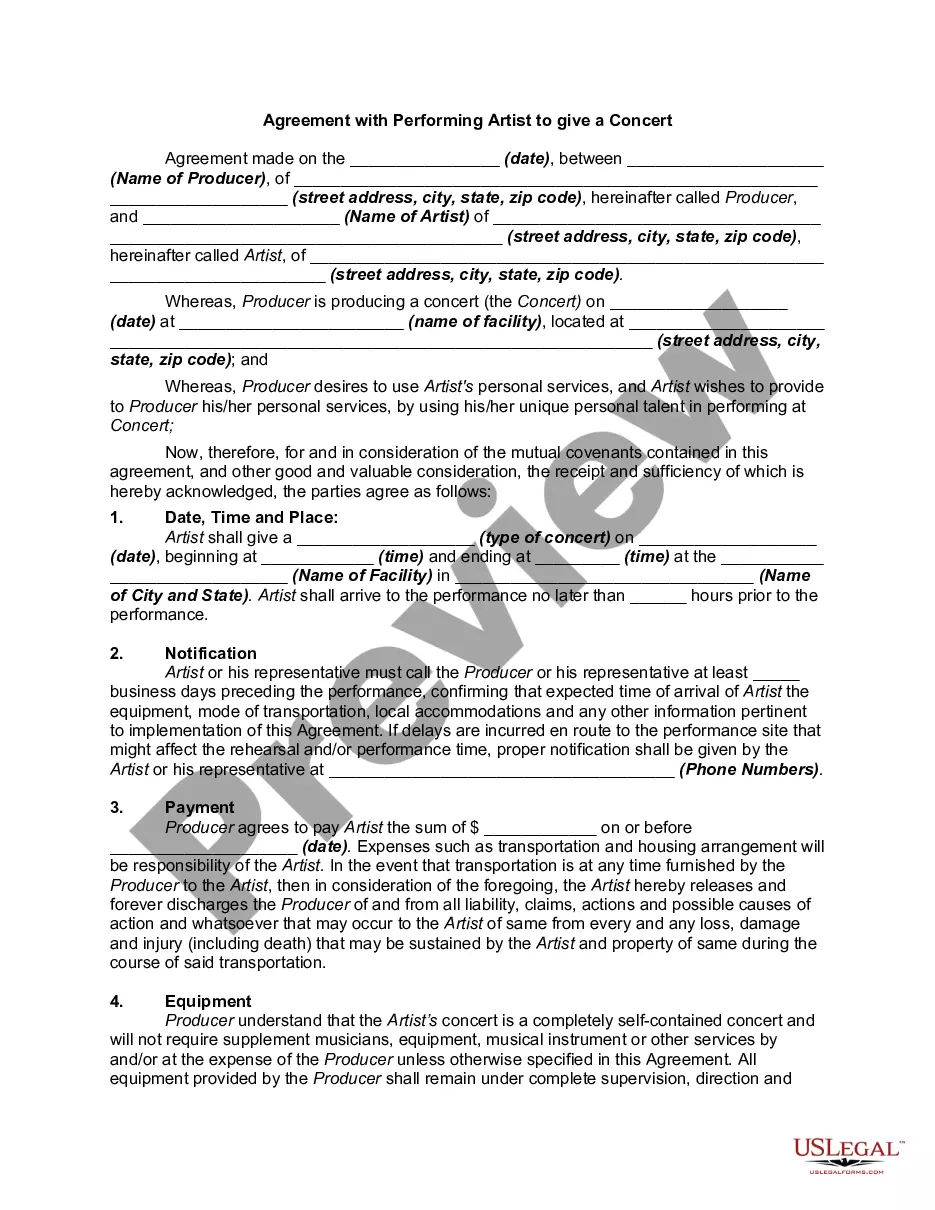
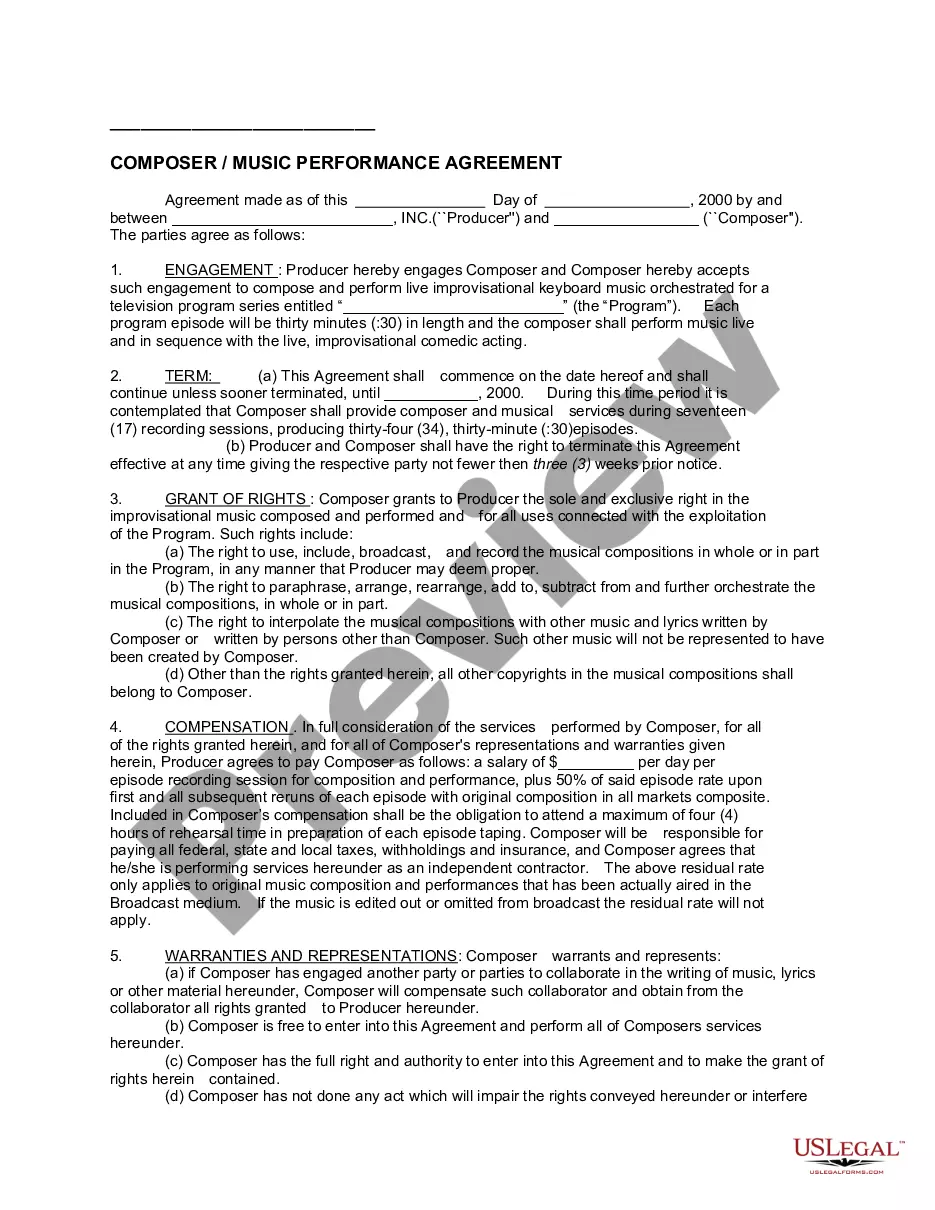
Performance Agreement For Managers In Illinois
Description

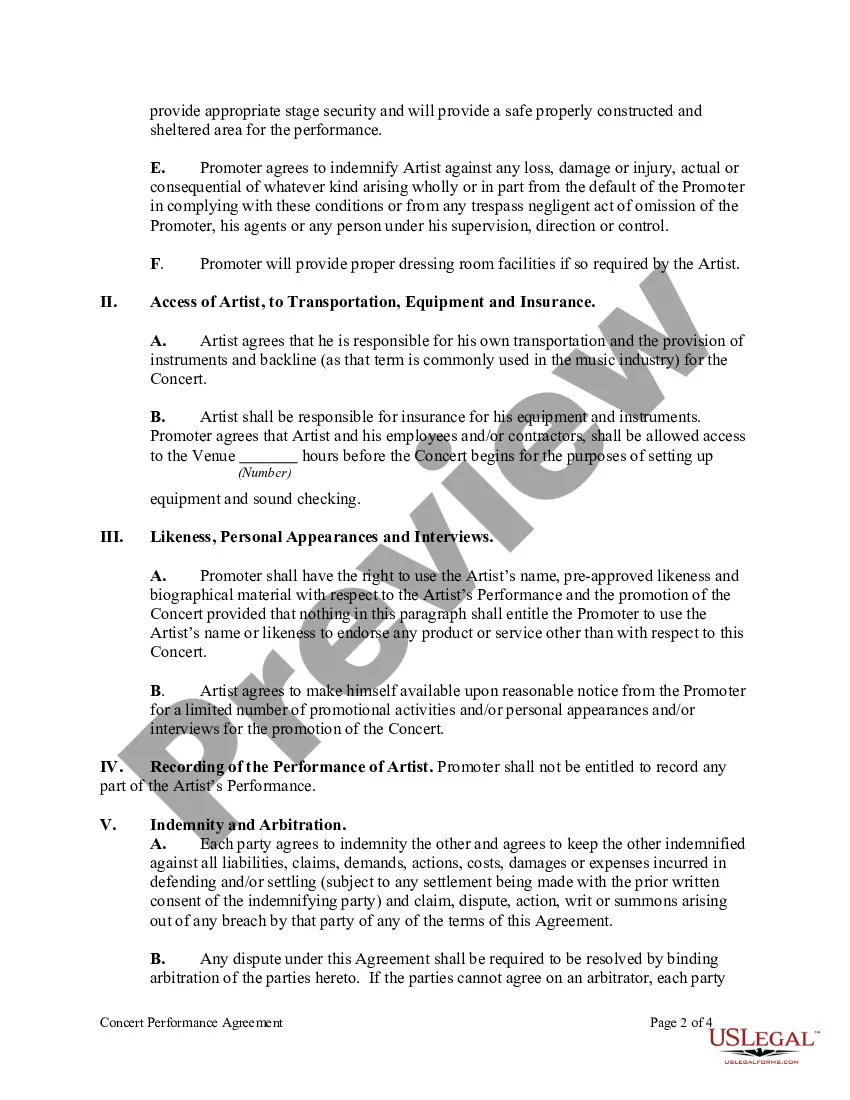
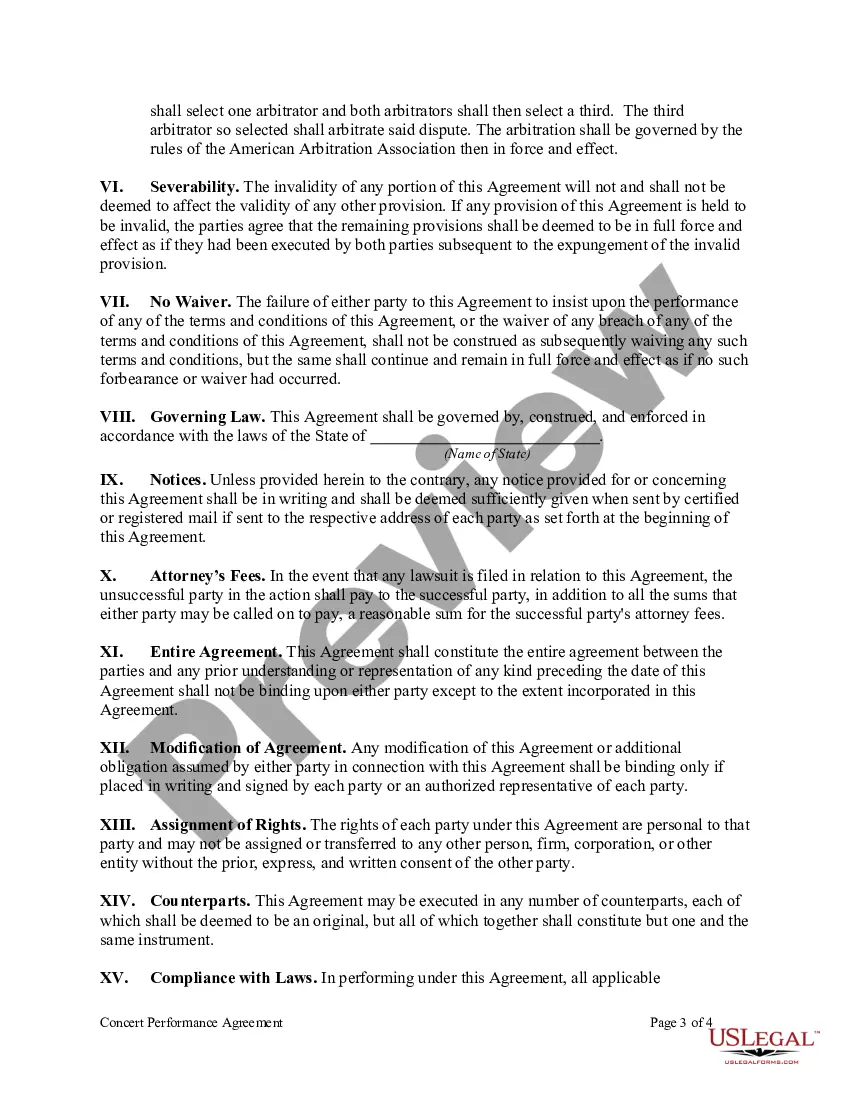
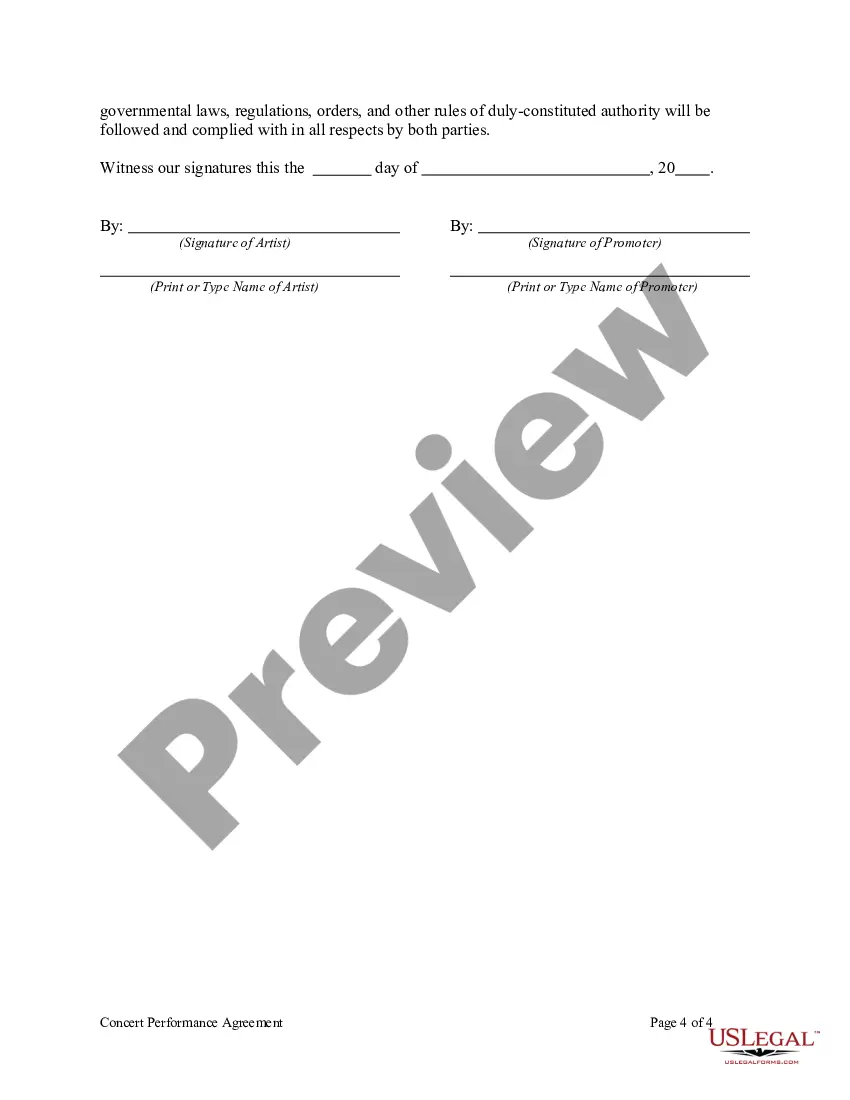
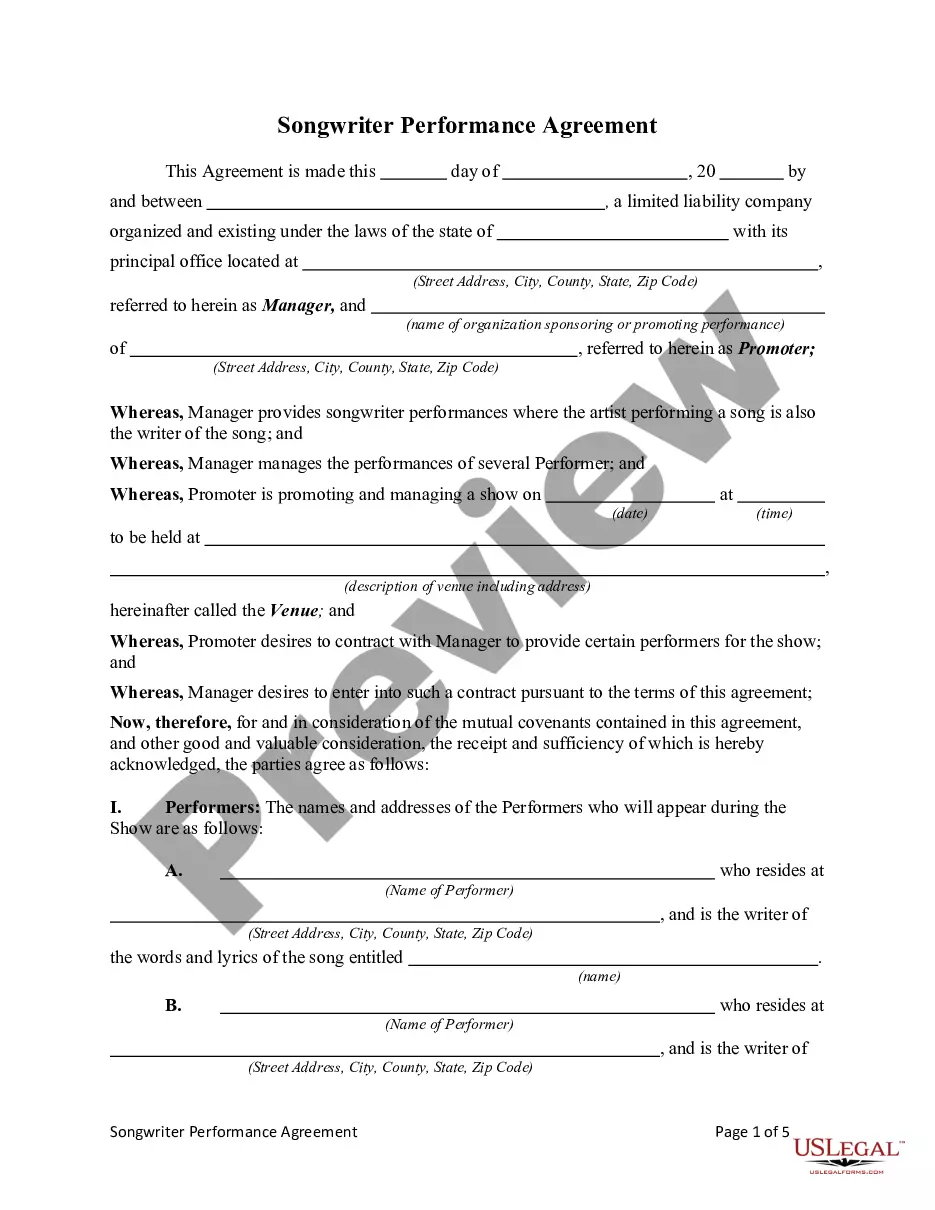
Get your form ready online
Our built-in tools help you complete, sign, share, and store your documents in one place.
Make edits, fill in missing information, and update formatting in US Legal Forms—just like you would in MS Word.
Download a copy, print it, send it by email, or mail it via USPS—whatever works best for your next step.
Sign and collect signatures with our SignNow integration. Send to multiple recipients, set reminders, and more. Go Premium to unlock E-Sign.
If this form requires notarization, complete it online through a secure video call—no need to meet a notary in person or wait for an appointment.
We protect your documents and personal data by following strict security and privacy standards.

Make edits, fill in missing information, and update formatting in US Legal Forms—just like you would in MS Word.

Download a copy, print it, send it by email, or mail it via USPS—whatever works best for your next step.

Sign and collect signatures with our SignNow integration. Send to multiple recipients, set reminders, and more. Go Premium to unlock E-Sign.

If this form requires notarization, complete it online through a secure video call—no need to meet a notary in person or wait for an appointment.

We protect your documents and personal data by following strict security and privacy standards.
Looking for another form?








Form popularity
FAQ
Stick with the facts and write down just what you said and what the employee said. Ensure the employee is clear on what the expectations are and how he or she did or did not meet them. Performance expectations must be consistent with the employee's position description. Document and Follow-up.
Performance Agreement: An arrangement between an employer and an employee, or a business and a contractor, which outlines the terms, expectations, goals, and standards of performance for each party. Scope: The range of activities, duties, and expectations covered by an agreement.
How do you write a performance evaluation? Identify core competencies. Choose a rating scale. Set an evaluation cycle. Prepare a list of questions. Share questions in advance. Have the conversation. Create a goal-setting framework. Be open to feedback.
What should I write in a performance review comment? A performance review comment should highlight the employee's strengths and areas for improvement. Be specific and provide examples to support your feedback. Make it constructive by suggesting what they can do to improve instead of only pointing out the negative.
Follow these steps to put an effective performance agreement in place for your staff: Start With Clear Expectations. Build in Milestones. Agree on the Terms. Schedule Accountability Meetings. Establish Outcome Results and Consequences. Sign and Date the Agreement.
When you fill the form: Be honest and critical. Analyze your failures and mention the reasons for it. Keep the words minimal. Identify weaknesses. Mention your achievements. Link achievements to the job description and the organization's goals. Set the goals for the next review period. Resolve conflicts and grievances.
It is a formal agreement that outlines the performance expectations and obligations that an employer (or client) has of an employee (or contractor). It outlines all the specific, achievable goals and provides a framework to monitor and evaluate success.
The 5 stages of a performance management cycle Planning. Each performance management cycle should start with setting performance expectations, goals, and key performance indicators (KPIs). Monitoring. Developing. Rating. Rewarding. HR professionals. Managers. Employees.
Contract application . The document, if any, signed by the Owner that evidences the Owner's Application for the Contract. Sample 1Sample 2Sample 3. Contract application . The document, if any, signed by the Owner that evidences the Owner's Application for the Contract.
Suggested steps for developing a performance agreement Step 1: Plan. The first step is to plan by looking at your business goals for the year ahead. Step 2: Discuss. The next step is to arrange a time to meet with the employee to discuss and set up the performance agreement. Step 3: Monitor. Step 4: Review.
