Performance Agreement For Supply Chain Manager In Cook
Description

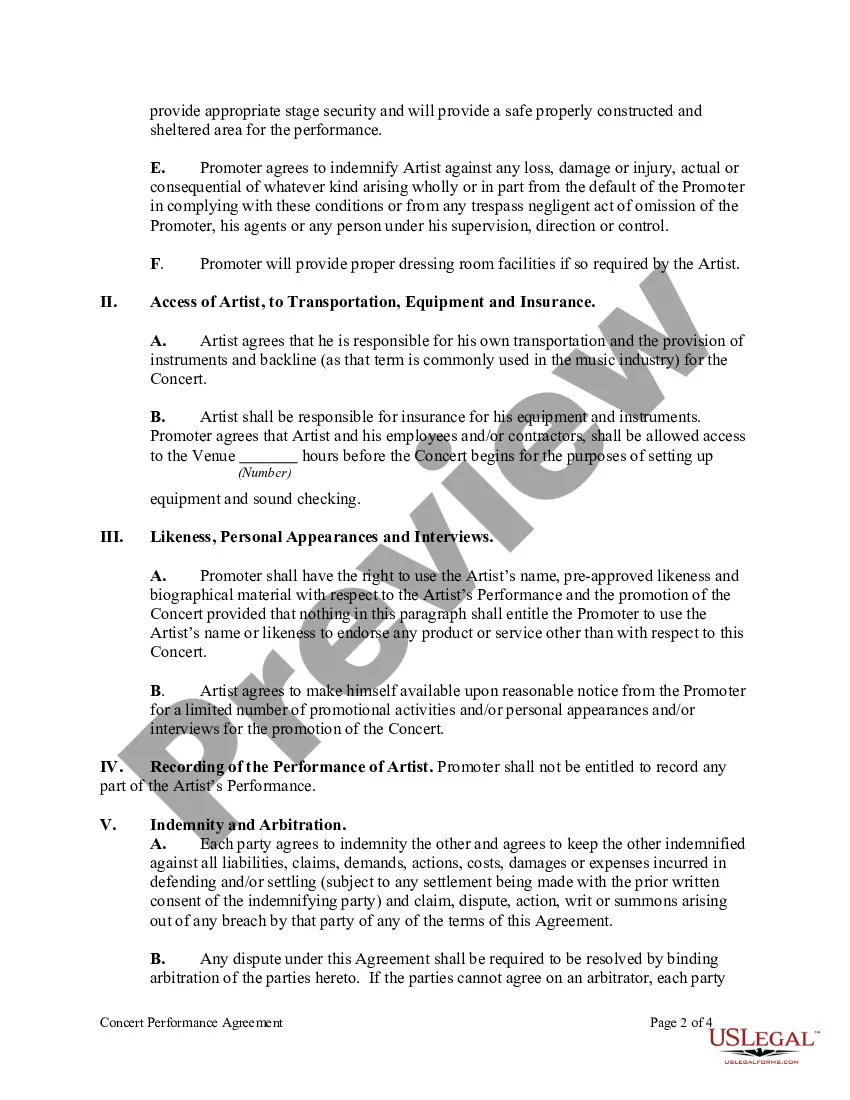
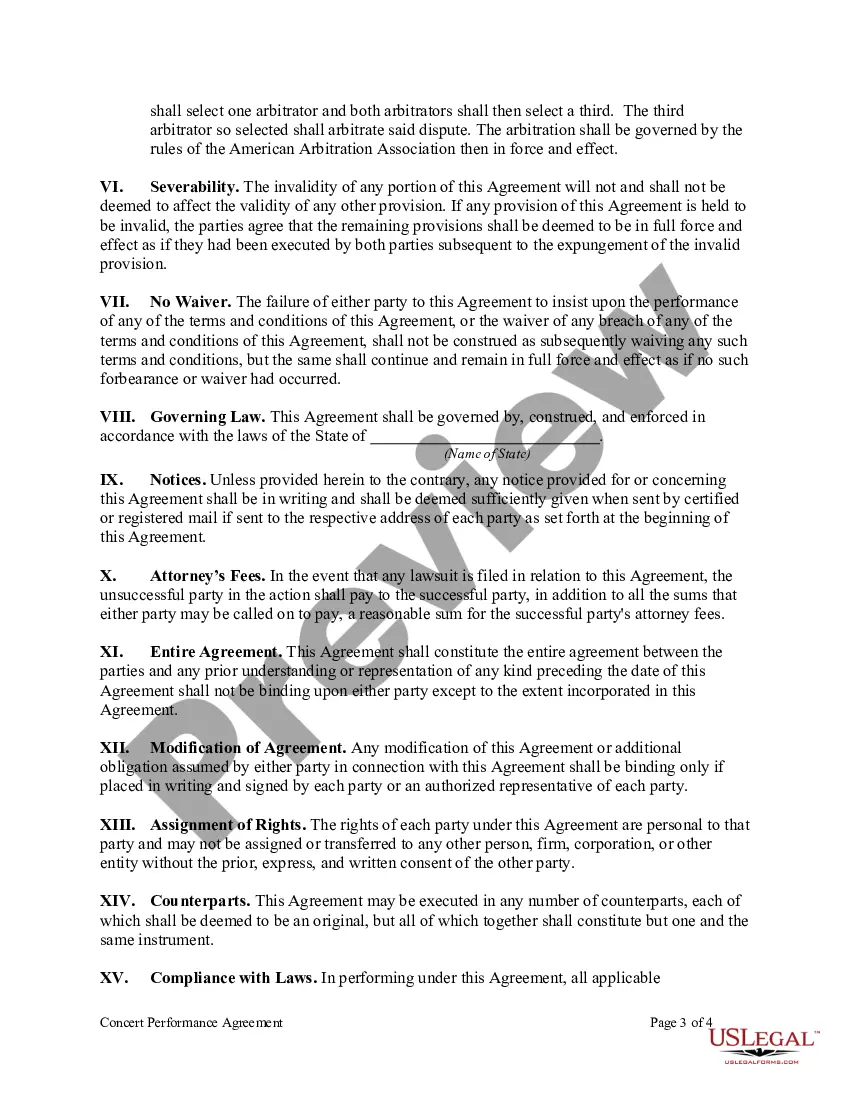
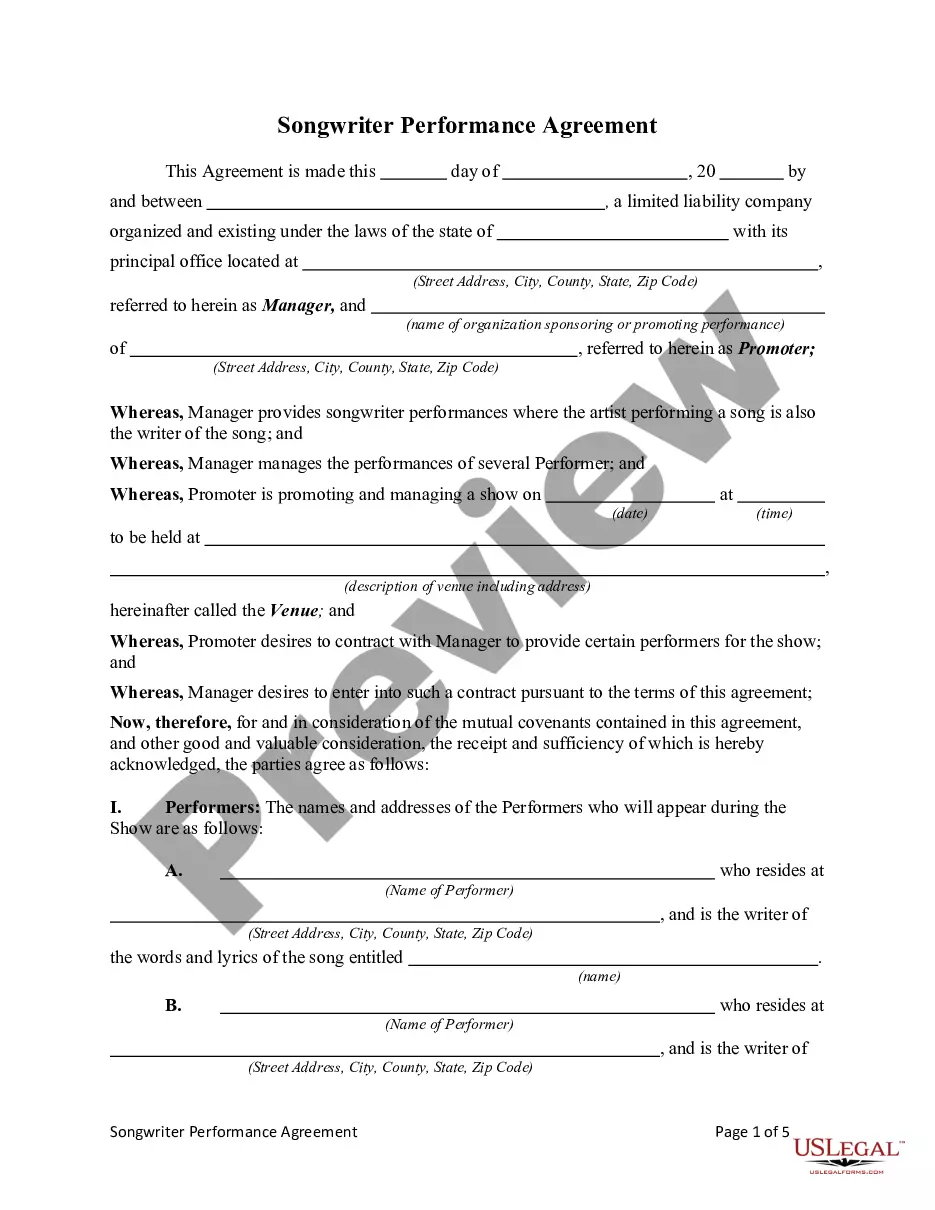
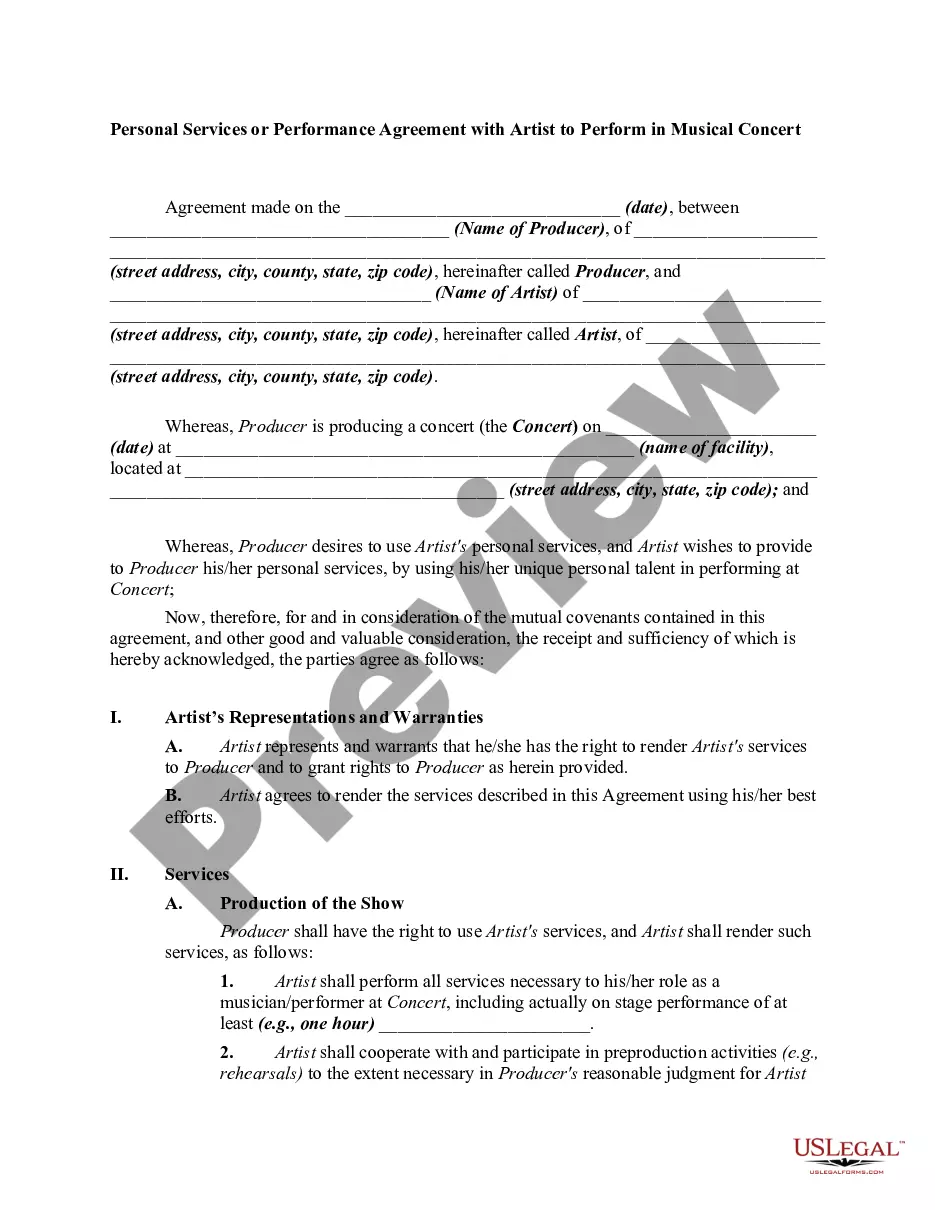
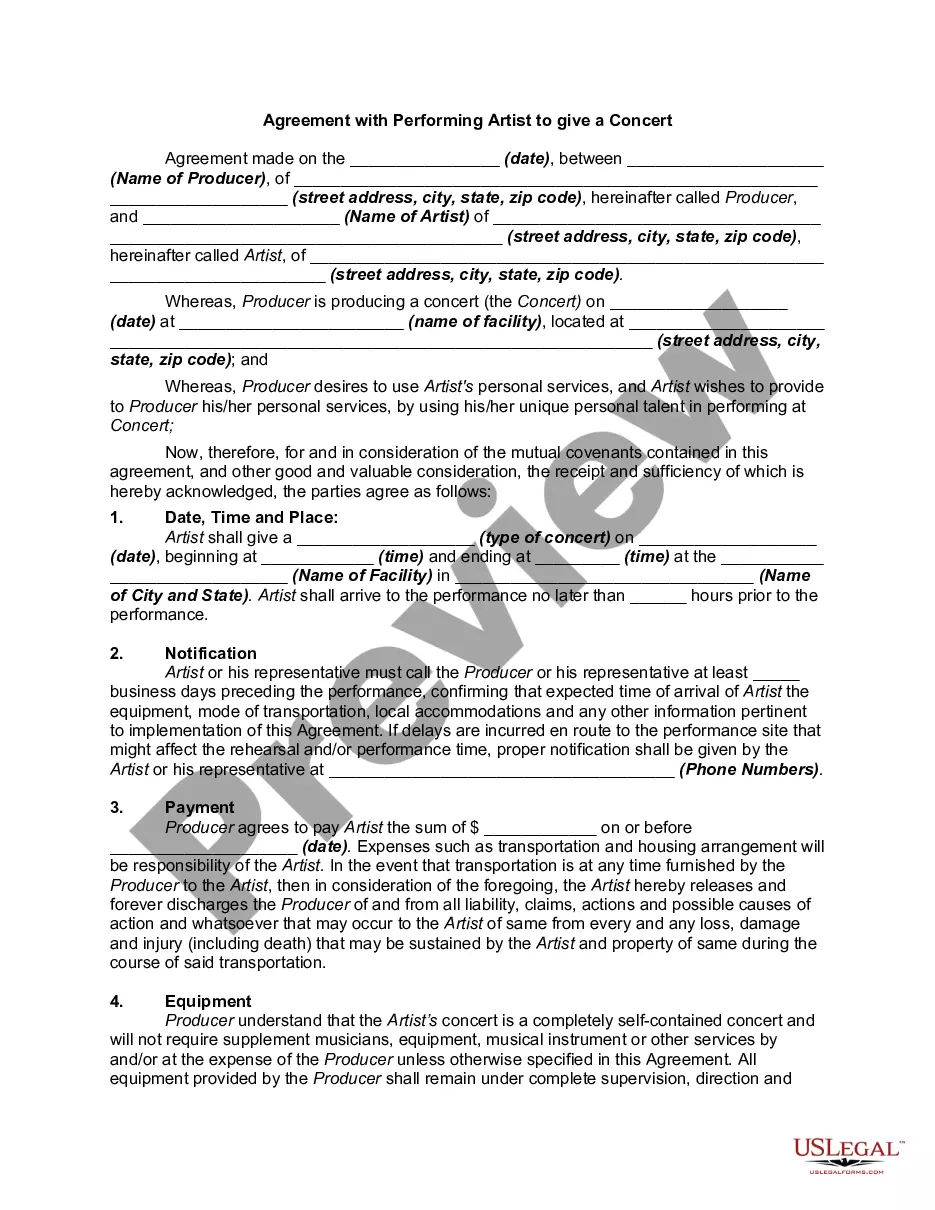
Get your form ready online
Our built-in tools help you complete, sign, share, and store your documents in one place.
Make edits, fill in missing information, and update formatting in US Legal Forms—just like you would in MS Word.
Download a copy, print it, send it by email, or mail it via USPS—whatever works best for your next step.
Sign and collect signatures with our SignNow integration. Send to multiple recipients, set reminders, and more. Go Premium to unlock E-Sign.
If this form requires notarization, complete it online through a secure video call—no need to meet a notary in person or wait for an appointment.
We protect your documents and personal data by following strict security and privacy standards.

Make edits, fill in missing information, and update formatting in US Legal Forms—just like you would in MS Word.

Download a copy, print it, send it by email, or mail it via USPS—whatever works best for your next step.

Sign and collect signatures with our SignNow integration. Send to multiple recipients, set reminders, and more. Go Premium to unlock E-Sign.

If this form requires notarization, complete it online through a secure video call—no need to meet a notary in person or wait for an appointment.

We protect your documents and personal data by following strict security and privacy standards.
Looking for another form?









Form popularity
FAQ
Follow these steps to put an effective performance agreement in place for your staff: Start With Clear Expectations. Build in Milestones. Agree on the Terms. Schedule Accountability Meetings. Establish Outcome Results and Consequences. Sign and Date the Agreement.
Here are six steps to consider when creating your supply chain plan: Review company goals. Perform market research. Forecast consumer demand. Allocate inventory requirements. Fulfill consumer orders. Ensure planning flexibility.
SCM's primary goal is to keep a firm afloat and ultimately to drive it to success. Other objectives of SCM include improving efficiency and quality, minimising costs, optimising delivery and distribution and providing the best possible experience to your customers.
Supply Chain Performance refers to the extended supply chain's activities in meeting end-customer requirements, including product availability, on-time delivery, and all the necessary inventory and capacity in the supply chain to deliver that performance in a responsive manner.
In the intricate web of supply chain management, contracts serve as the backbone, providing structure, clarity, and protection for all parties involved. From procurement to distribution, every step in the supply chain journey relies on well-drafted contracts to ensure seamless operations and mitigate potential risks.
The performance management system entails processes that are critical to improving supply chain effectiveness and efficiency including identifying measures and data requirements, defining targets, planning, communicating, measuring, reporting and feedback.
Supplier performance management (SPM) is the process of tracking and analyzing the performance of suppliers a business works with. Managing their performance can help control costs, support compliance, and support long-lasting relationships.
Supplier Performance is a measure of how well a supplier is doing against their agreed KPIs. Poorly performing suppliers can expose your business to vulnerabilities in terms of: Lack of compliance with regulations. Operational disruptions and failures. Financial losses when agreed outcomes aren't achieved.
It includes identifying and mitigating risks, maximizing opportunities, and ensuring compliance with legal and organizational regulations. The goal of contract management is to create value for the organization by optimizing the use of resources, reducing costs, and improving performance.
Follow these steps to put an effective performance agreement in place for your staff: Start With Clear Expectations. Build in Milestones. Agree on the Terms. Schedule Accountability Meetings. Establish Outcome Results and Consequences. Sign and Date the Agreement.
