Performance Agreement Form In California
Description
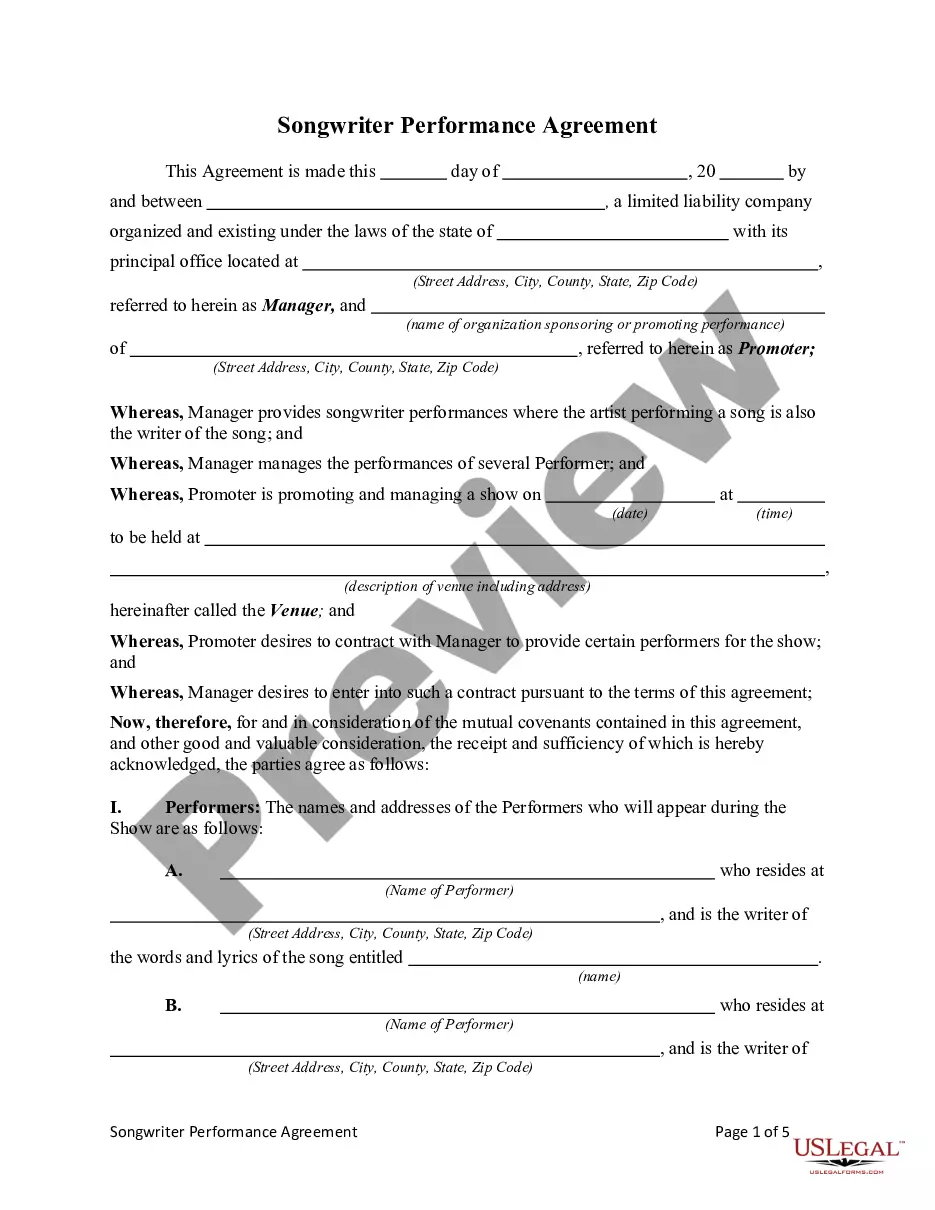
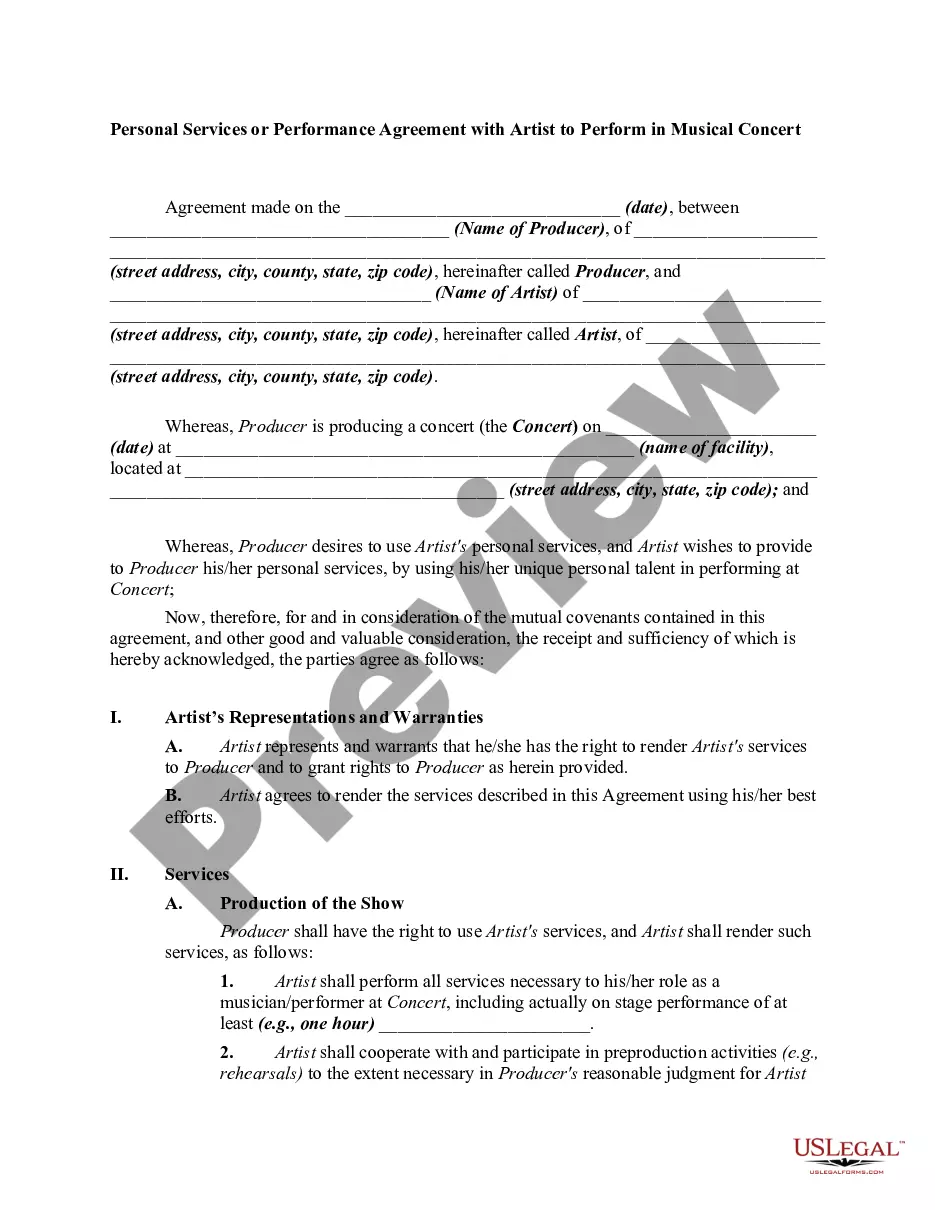
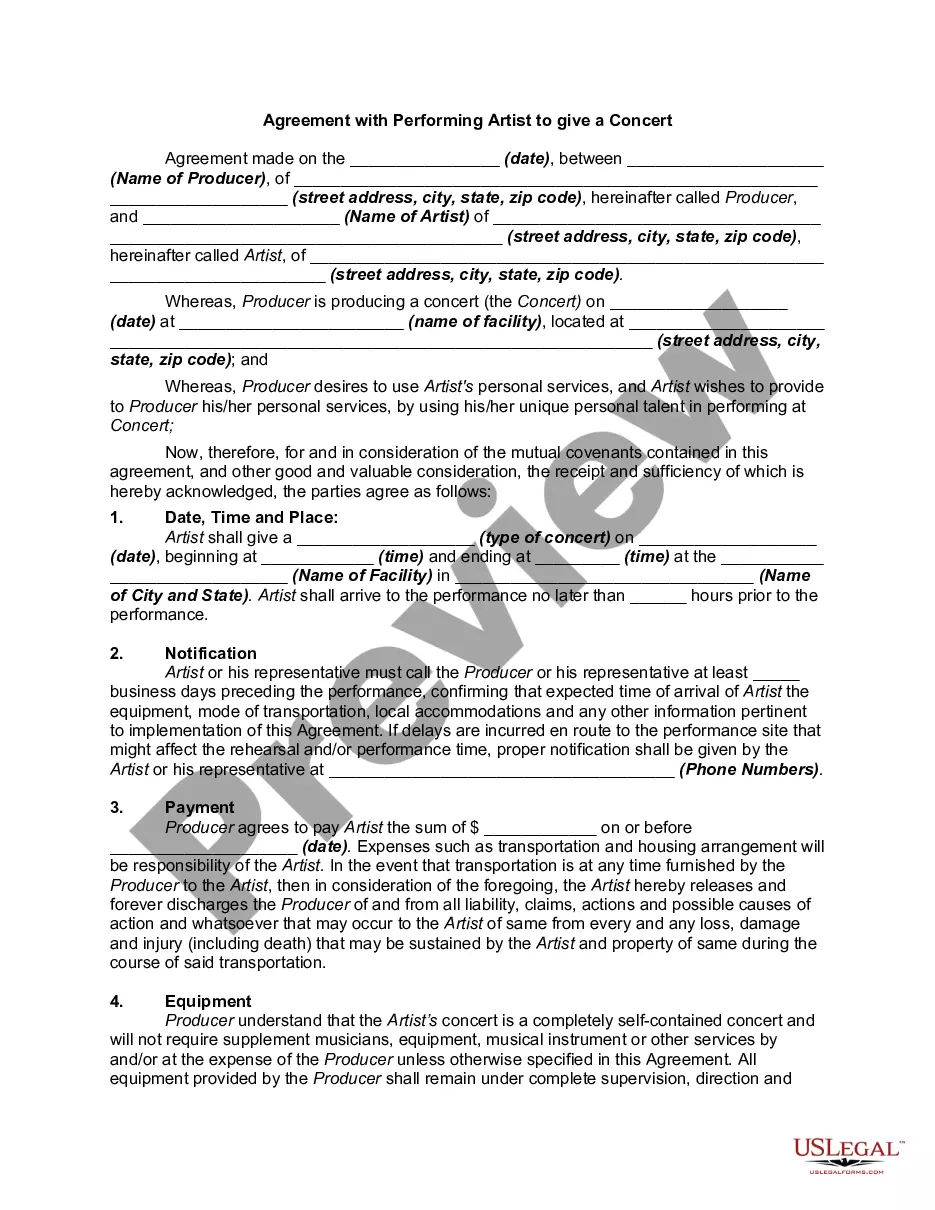
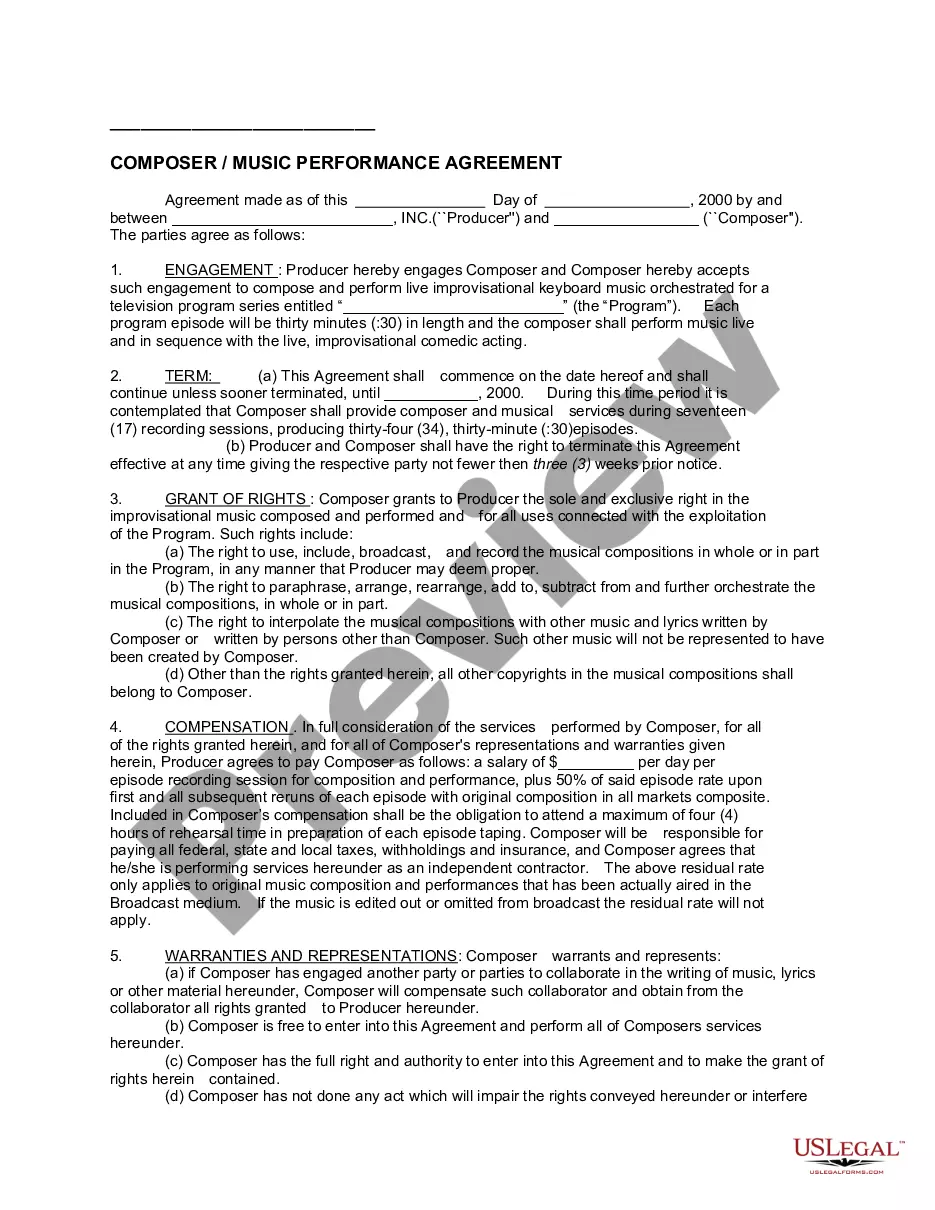
Get your form ready online
Our built-in tools help you complete, sign, share, and store your documents in one place.
Make edits, fill in missing information, and update formatting in US Legal Forms—just like you would in MS Word.
Download a copy, print it, send it by email, or mail it via USPS—whatever works best for your next step.
Sign and collect signatures with our SignNow integration. Send to multiple recipients, set reminders, and more. Go Premium to unlock E-Sign.
If this form requires notarization, complete it online through a secure video call—no need to meet a notary in person or wait for an appointment.
We protect your documents and personal data by following strict security and privacy standards.

Make edits, fill in missing information, and update formatting in US Legal Forms—just like you would in MS Word.

Download a copy, print it, send it by email, or mail it via USPS—whatever works best for your next step.

Sign and collect signatures with our SignNow integration. Send to multiple recipients, set reminders, and more. Go Premium to unlock E-Sign.

If this form requires notarization, complete it online through a secure video call—no need to meet a notary in person or wait for an appointment.

We protect your documents and personal data by following strict security and privacy standards.
Looking for another form?









Form popularity
FAQ
Follow these steps to put an effective performance agreement in place for your staff: Start With Clear Expectations. Build in Milestones. Agree on the Terms. Schedule Accountability Meetings. Establish Outcome Results and Consequences. Sign and Date the Agreement.
Their is no law requiring employers to provide a performance review.
Write the contract in six steps Start with a contract template. Open with the basic information. Describe in detail what you have agreed to. Include a description of how the contract will be ended. Write into the contract which laws apply and how disputes will be resolved. Include space for signatures.
Nearly all states have adopted the UCC, which addresses specific performance. For example, California law states that specific performance may be compelled if: Specific performance of a contract is an appropriate remedy; and. The other side has substantially performed its obligations, or future performance is assured.
Specific performance is an equitable remedy in the law of contract, whereby a court issues an order requiring a party to perform a specific act, such to complete performance of the contract.
A buyer would most likely sue for specific performance in the following circumstances: 1) The seller backed out of the original sales contract: If the seller breaches the contract by refusing to sell the property as agreed, the buyer may seek specific performance to force the seller to fulfill their obligations under ...
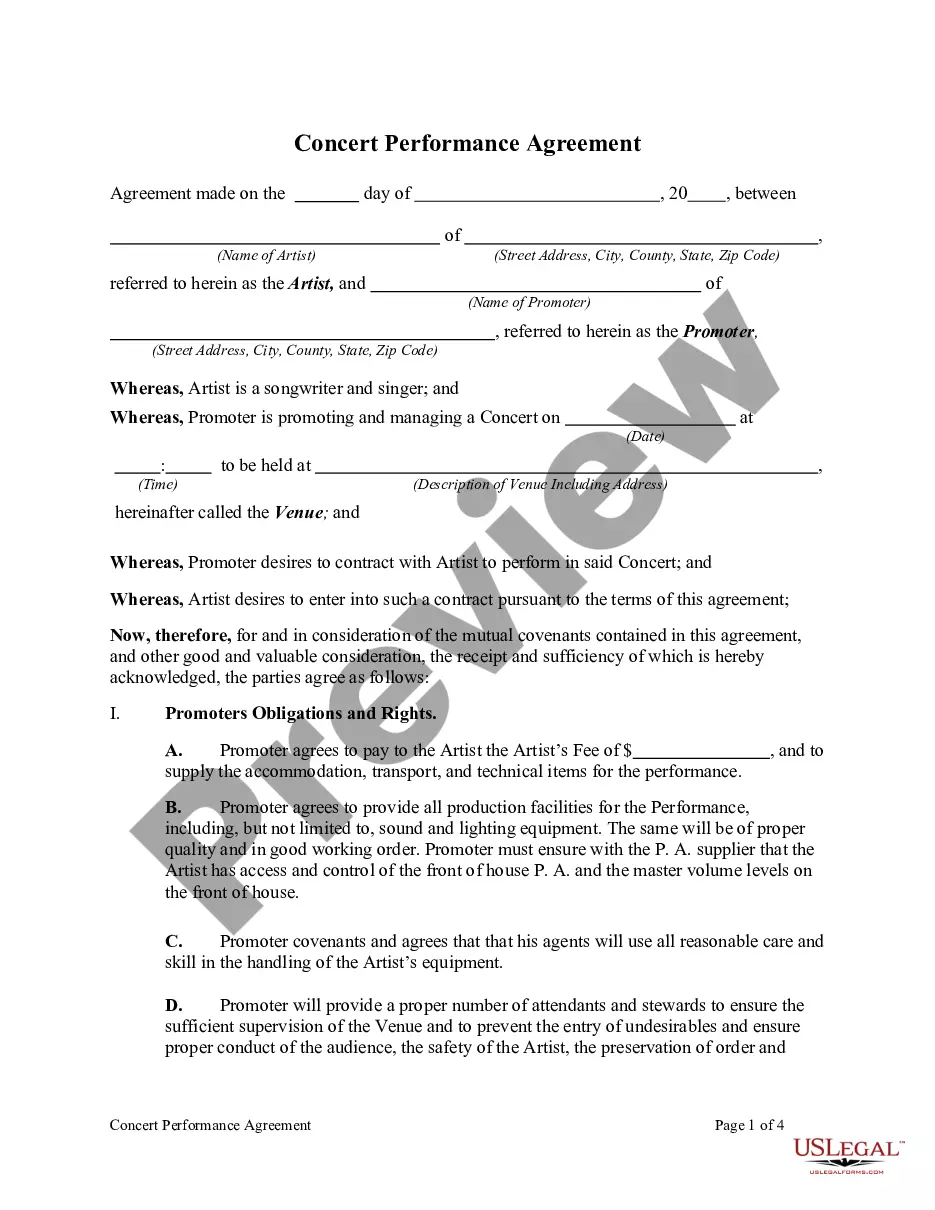
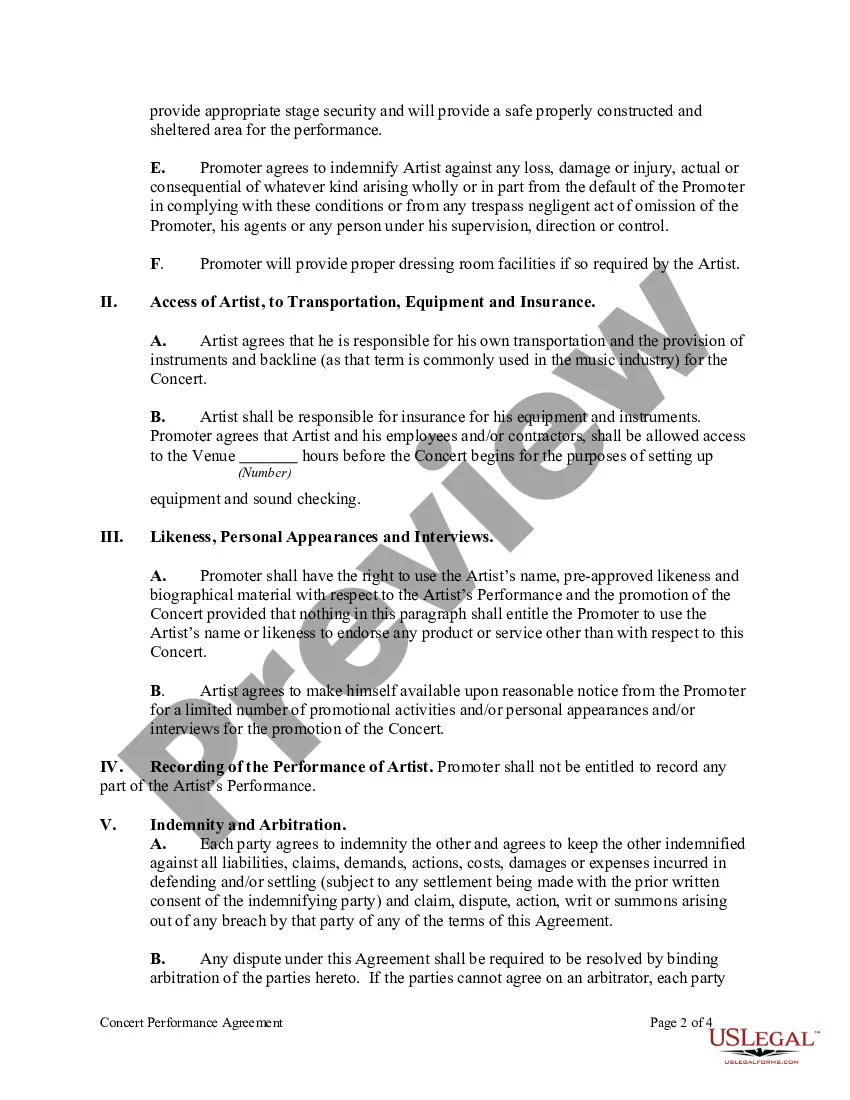
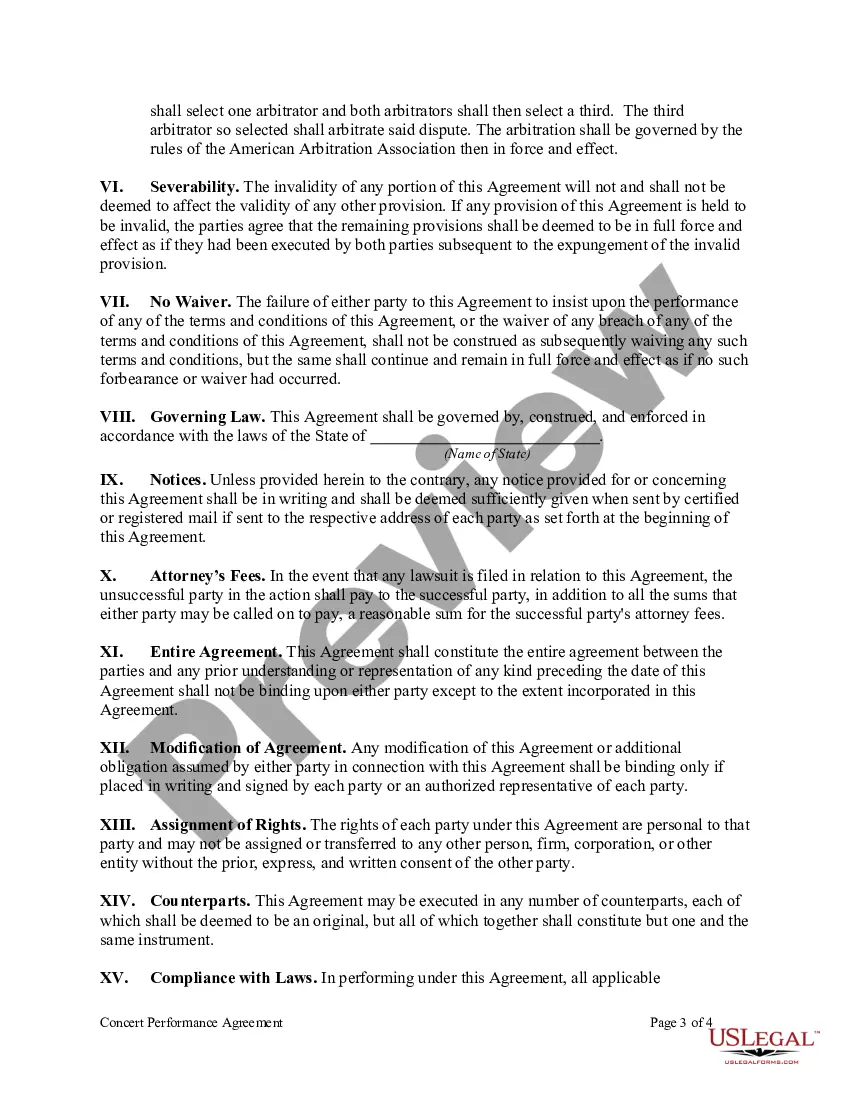
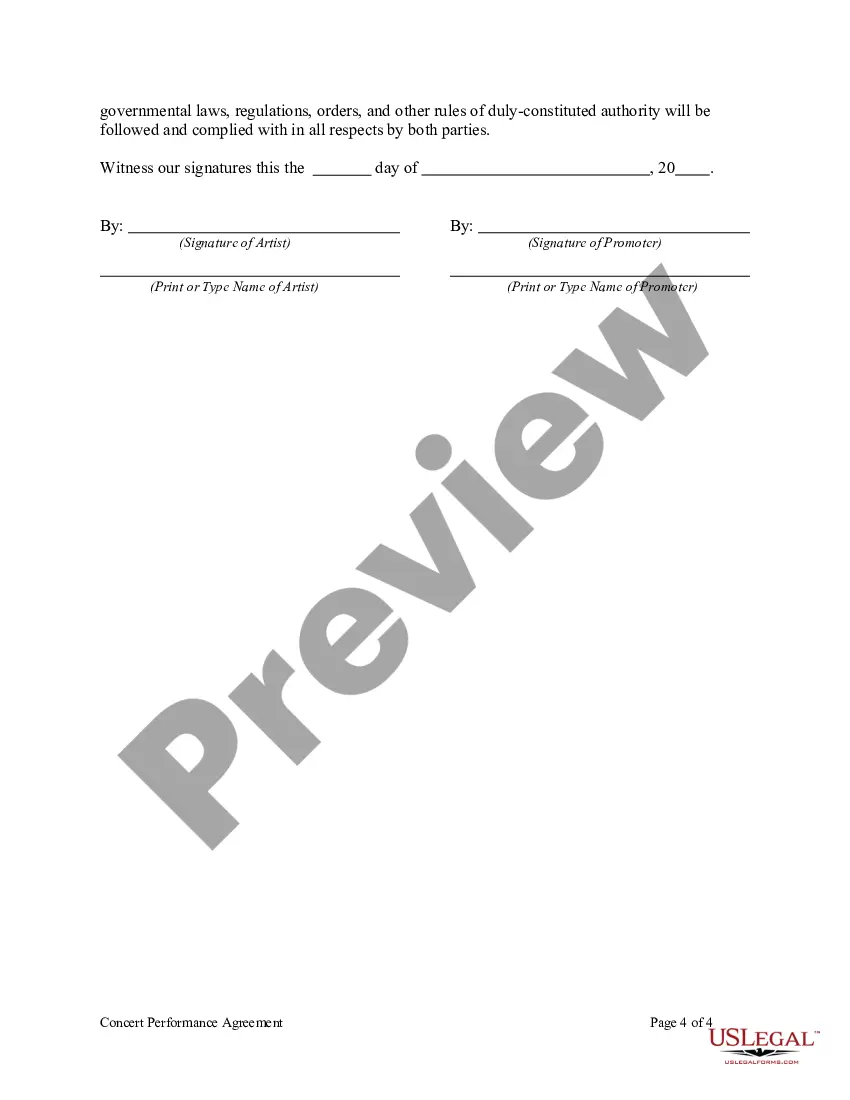
A Performance Agreement is a document that outlines the expectations of both parties in a work relationship. It is a way to ensure that both parties have agreed to the same terms and conditions, and is used to outline performance expectations, roles and responsibilities, timelines, and other pertinent information.
Courts will enforce specific performance only if the underlying contract was “fair and equitable.” It is up to the plaintiff to demonstrate that the contract was an appropriate one, legal, with each party receiving fair consideration for performance.
The injured party may seek a remedy known as “specific performance” when a party fails to fulfill their obligations under a real estate contract. This legal concept, applied in California and other jurisdictions, compels the defaulting party to fulfill their contractual obligations as originally agreed upon.
