Petition Custody Form With Child Support In Pima
Description

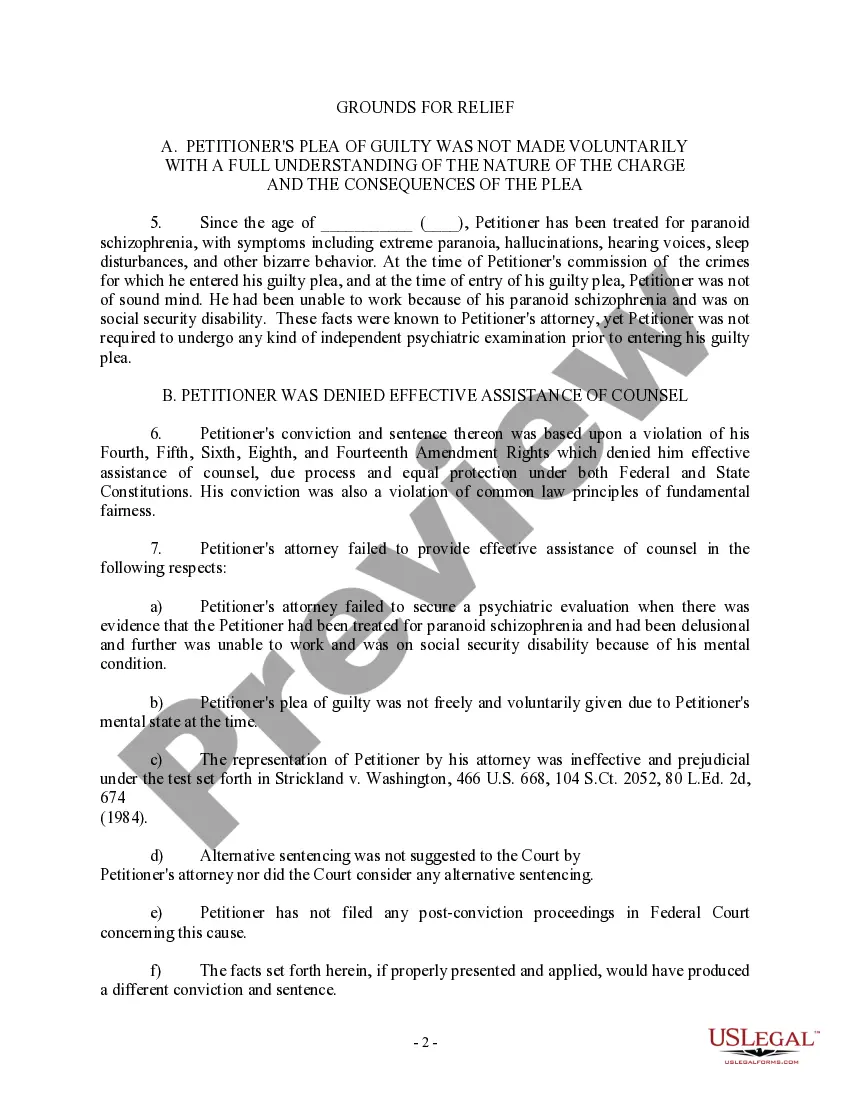
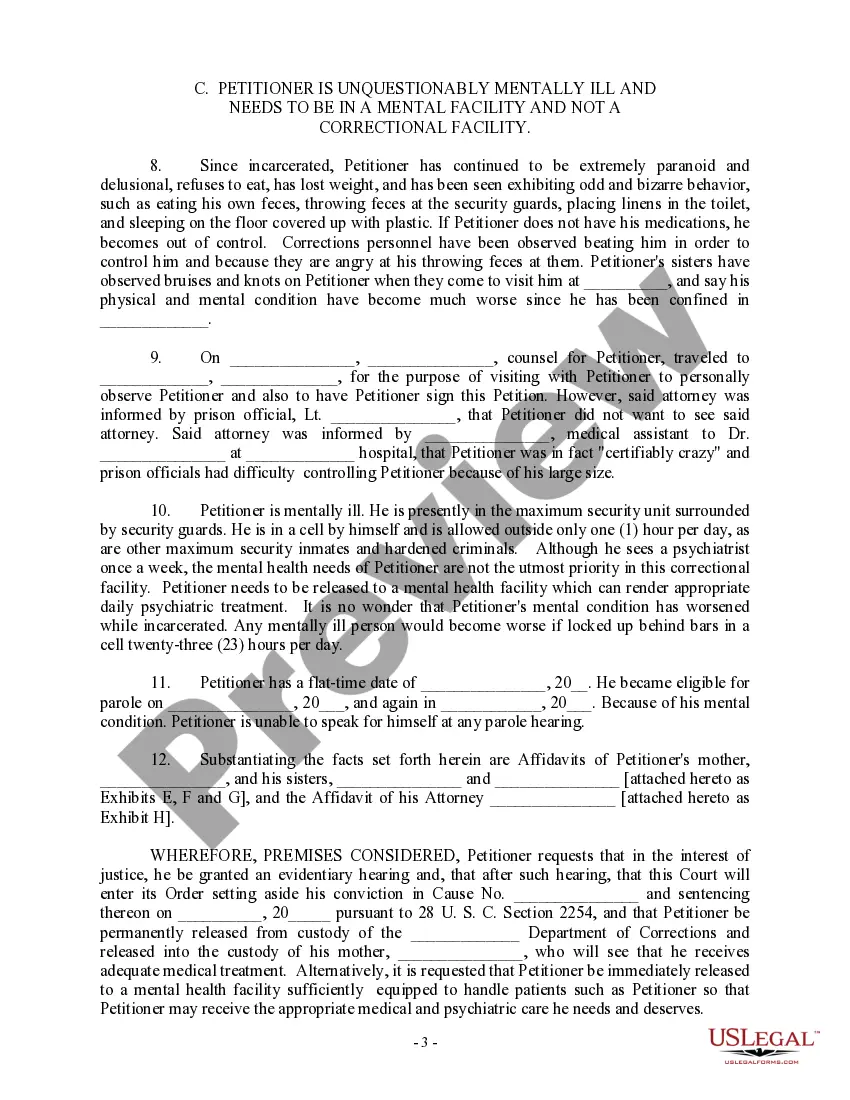

Get your form ready online
Our built-in tools help you complete, sign, share, and store your documents in one place.
Make edits, fill in missing information, and update formatting in US Legal Forms—just like you would in MS Word.
Download a copy, print it, send it by email, or mail it via USPS—whatever works best for your next step.
Sign and collect signatures with our SignNow integration. Send to multiple recipients, set reminders, and more. Go Premium to unlock E-Sign.
If this form requires notarization, complete it online through a secure video call—no need to meet a notary in person or wait for an appointment.
We protect your documents and personal data by following strict security and privacy standards.

Make edits, fill in missing information, and update formatting in US Legal Forms—just like you would in MS Word.

Download a copy, print it, send it by email, or mail it via USPS—whatever works best for your next step.

Sign and collect signatures with our SignNow integration. Send to multiple recipients, set reminders, and more. Go Premium to unlock E-Sign.

If this form requires notarization, complete it online through a secure video call—no need to meet a notary in person or wait for an appointment.

We protect your documents and personal data by following strict security and privacy standards.
Looking for another form?









Form popularity
FAQ
Provide Child's Information: Include the child's full name, date of birth, and current living situation. Specify any significant details about the child's background. Outline Custody Preferences: Explain your desired custody arrangements, whether physical, legal, or both. State the reasons for these preferences.
Custody is determined by the Family Court judge. Child support is a totally separate order.
Take your time and read each question carefully. If you're unsure about any information consult aMoreTake your time and read each question carefully. If you're unsure about any information consult a legal professional or your local Child Support Agency. Once completed review your forms for accuracy.
If a married couple separates but does not file for legal separation or divorce, both parents would still share physical and legal custody. Each parent would have just as much right to take the child as they did before the separation.
Child custody cases in Arizona can take three months to a year to conclude because of the many things that influence the case. It can take longer than that if both parents do not discuss an agreement.
Arizona courts consider factors such as the child's needs, parental involvement, and each parent's ability to provide a nurturing environment when determining custody arrangements. This information is often outlined in a parenting plan to ensure the child's well-being and development.
Provide a concise summary of the key issues and events pertaining to the custody situation. Focus on highlighting factors that would be in the best interests of any children involved, such as stability, safety, and meeting the children's needs. Avoid making accusations or attacking your former spouse directly.
Case Management/Electronic Case Files (CM/ECF) is the federal Judiciary's system that allows case documents, such as pleadings, motions, and petitions, to be filed with the court online.
