Petition For Custody Form Virginia In Minnesota
Description


Get your form ready online
Our built-in tools help you complete, sign, share, and store your documents in one place.
Make edits, fill in missing information, and update formatting in US Legal Forms—just like you would in MS Word.
Download a copy, print it, send it by email, or mail it via USPS—whatever works best for your next step.
Sign and collect signatures with our SignNow integration. Send to multiple recipients, set reminders, and more. Go Premium to unlock E-Sign.
If this form requires notarization, complete it online through a secure video call—no need to meet a notary in person or wait for an appointment.
We protect your documents and personal data by following strict security and privacy standards.

Make edits, fill in missing information, and update formatting in US Legal Forms—just like you would in MS Word.

Download a copy, print it, send it by email, or mail it via USPS—whatever works best for your next step.

Sign and collect signatures with our SignNow integration. Send to multiple recipients, set reminders, and more. Go Premium to unlock E-Sign.

If this form requires notarization, complete it online through a secure video call—no need to meet a notary in person or wait for an appointment.

We protect your documents and personal data by following strict security and privacy standards.
Looking for another form?

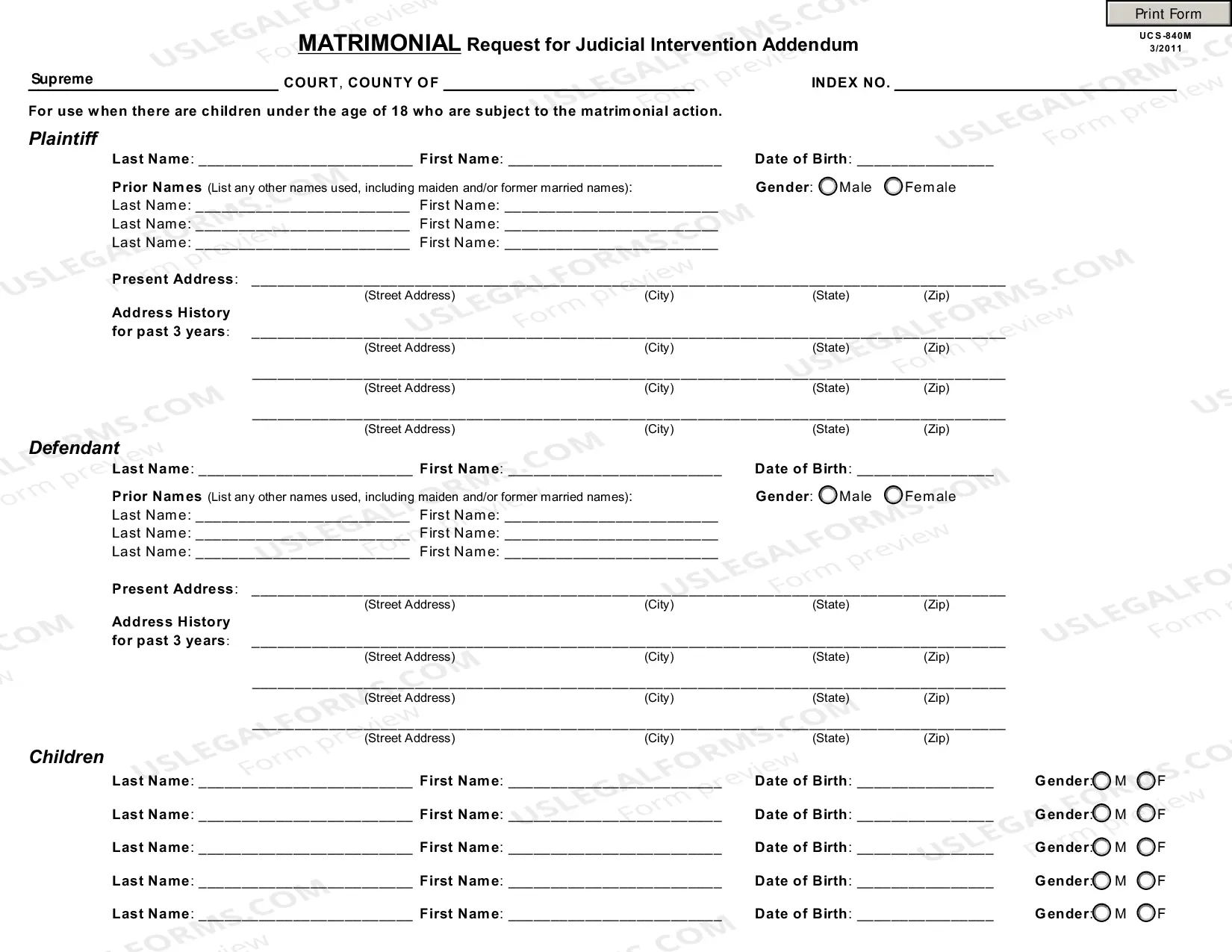



Form popularity
FAQ
The best interests of the child. The willingness of each parent to actively support the child's contact with the other parent. The willingness of each parent to keep a close relationship with the child. The willingness of each parent to cooperate and resolve disputes.
Virginia allows some others—like a grandparent or other relative—to file for custody. A person who is not a parent who files for custody must be a "person with a legitimate interest" under the law.
Terminating Parental Rights Unfortunately it is not that easy. The only method under Virginia Law in which one parent can voluntarily terminate his or her rights to a child while the other parent retains his or her rights is through a step-parent adoption.
How to Get Sole Custody in Virginia Show that you better appreciate your child's mental and physical needs. Take care of your mental and physical health. Prove that you have a better relationship with your child. Show that your child is more connected with friends and family while in your care.
By law, if the mother and the father of a child were not married at the time of the child's birth, the mother has sole custody of the child until a court issues a custody order. This is true even if the parents have signed a Recognition of Parentage and both names appear on the child's birth certificate.
To get a custody order from a court, you will need to start by filing a petition in the Court Service Unit of a juvenile and domestic relations district court in the county where your child is living. For a list of courthouses in Virginia, please see our VA Courthouse Locations page.
Beginning August 17, 2024, an MLS Participant “working with” a buyer will be required to enter into a written agreement with the buyer prior to touring a home, including both in-person and live virtual tours.
Bonnie Westlin (DFL-Plymouth), the law takes effect Aug. 1, 2024. A family law court considering temporary custody and parenting time regarding minor children must consider the parenting time prior to an action and to determine custody and parenting time with an opportunity to develop a relationship with each parent.
Most of the time, after one or both parents file for custody in court, the parents (possibly with their attorneys) will come to some sort of agreement about child custody. If they can agree, the judge will review that agreement and, under most circumstances, turn it into a formal court order.
By law, if the mother and the father of a child were not married at the time of the child's birth, the mother has sole custody of the child until a court issues a custody order. This is true even if the parents have signed a Recognition of Parentage and both names appear on the child's birth certificate.
