Federal Habeas Corpus Form 2255 In Miami-Dade
Description

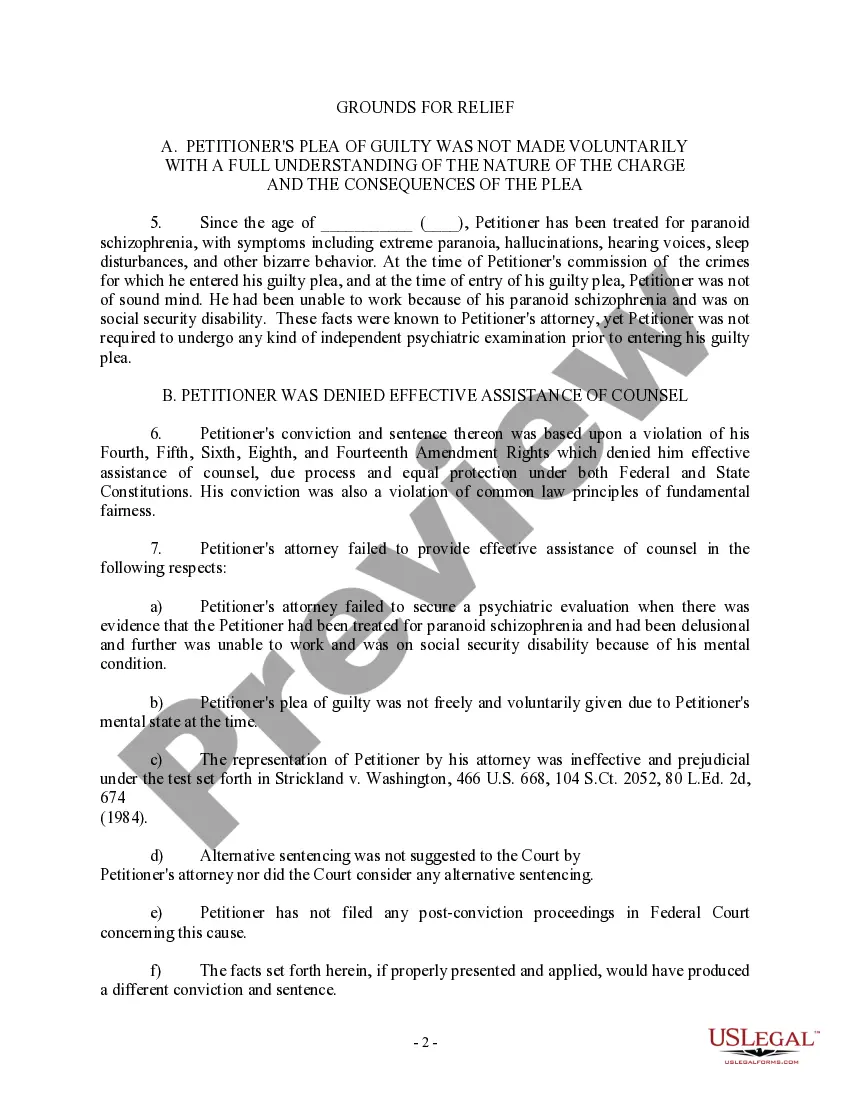
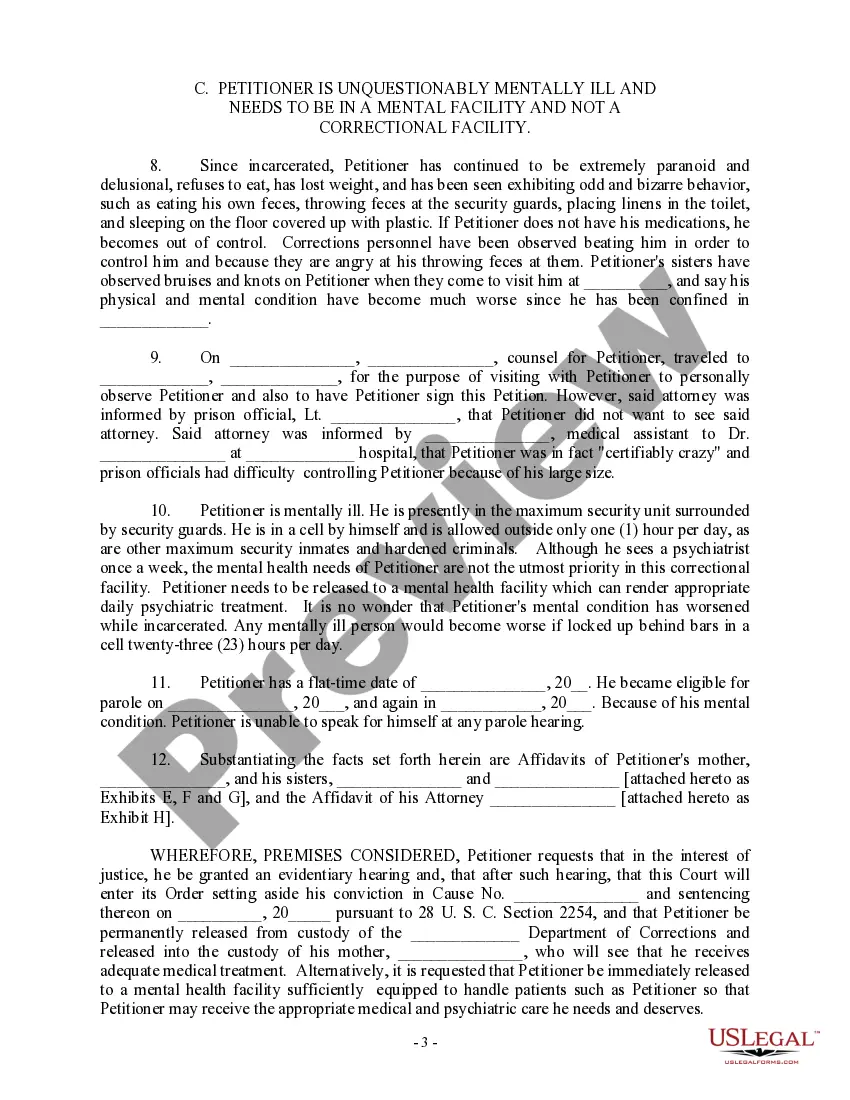

Get your form ready online
Our built-in tools help you complete, sign, share, and store your documents in one place.
Make edits, fill in missing information, and update formatting in US Legal Forms—just like you would in MS Word.
Download a copy, print it, send it by email, or mail it via USPS—whatever works best for your next step.
Sign and collect signatures with our SignNow integration. Send to multiple recipients, set reminders, and more. Go Premium to unlock E-Sign.
If this form requires notarization, complete it online through a secure video call—no need to meet a notary in person or wait for an appointment.
We protect your documents and personal data by following strict security and privacy standards.

Make edits, fill in missing information, and update formatting in US Legal Forms—just like you would in MS Word.

Download a copy, print it, send it by email, or mail it via USPS—whatever works best for your next step.

Sign and collect signatures with our SignNow integration. Send to multiple recipients, set reminders, and more. Go Premium to unlock E-Sign.

If this form requires notarization, complete it online through a secure video call—no need to meet a notary in person or wait for an appointment.

We protect your documents and personal data by following strict security and privacy standards.
Looking for another form?








Form popularity
FAQ
Latin, meaning "you have the body." A writ of habeas corpus generally is a judicial order forcing law enforcement authorities to produce a prisoner they are holding, and to justify the prisoner's continued confinement.
Habeas corpus affords any prisoner being held by the US government the right to argue about the legality of their detention before a judge. The US Constitution does not explicitly establish the right to habeas corpus, but Article I of the document protects the right and limits when it can be suspended.
A Section 2255 motion must be filed in the district where the prisoner was convicted and sentenced. The motion usually seeks to have the sentence or conviction vacated and may also request resentencing. As a general matter, Section 2255 is the proper vehicle for almost all federal prisoner collateral attacks.
How to File a 2255 Motion Complete the Motion Form. The section 2255 motion must state the grounds for relief and provide supporting, clear and convincing evidence. File the Motion. Submit the 2255 motion with the federal court where you were convicted. Government's Response. Evidentiary Hearing. Court's Decision. Appeal.
A Writ of Habeas Corpus is usually filed by submitting a Petition, a Memorandum of Points and Authorities, a Declaration from the defendant, and other evidence which supports the Writ of Habeas Corpus.
A: Section 2255(a) specifically contemplates four types of section 2255 cognizable claims: (1) “that the sentence was imposed in violation of the Constitution or laws of the United States”; (2) “that the court was without jurisdiction to impose the sentence”; (3) “that the sentence was in excess of the maximum ...
Habeas Corpus, a Latin term meaning “you shall have the body,” is a legal action or writ by which an individual can report an unlawful detention or imprisonment to a court and request that the court order the custodian to bring the detainee to court.
Habeas Corpus is a Latin word meaning which literally means 'to have the body of'. It is an order issued by the court to a person who has detained another person, to produce the body of the latter before it. The court then examines the cause and legality of detention. Further Reading: Types of Writs.
The rules for filing a federal writ of habeas corpus are codified in 28 U.S.C. §§ 2241-2256. Generally, one cannot file a writ of habeas corpus unless they show the government has detained them. State prisoners cannot file a federal writ unless they exhaust all available state remedies.
Examples of 'writ of habeas corpus' in a sentence A number of people arrested and detained throughout the country sought writs of habeas corpus before the courts. He wanted them released through writs of habeas corpus, a right hitherto granted only to human prisoners.
