Define Habeas Corpus In Law In Miami-Dade
Description

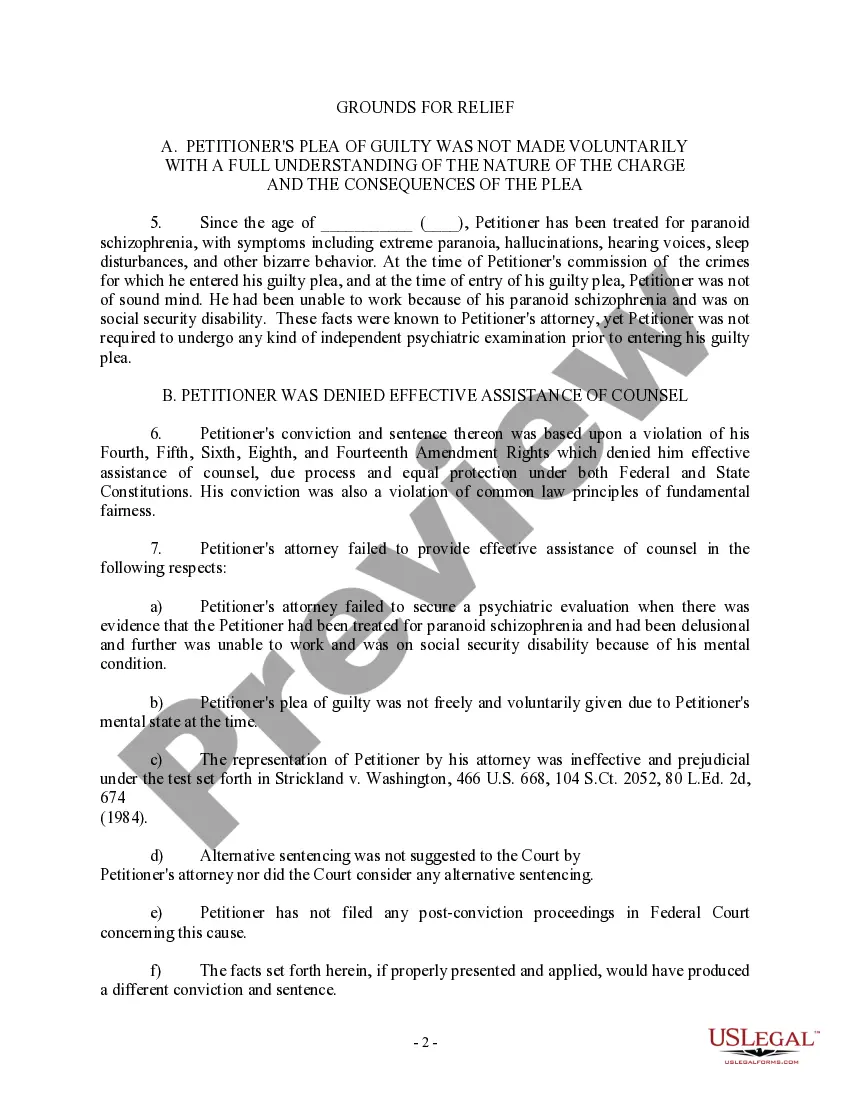
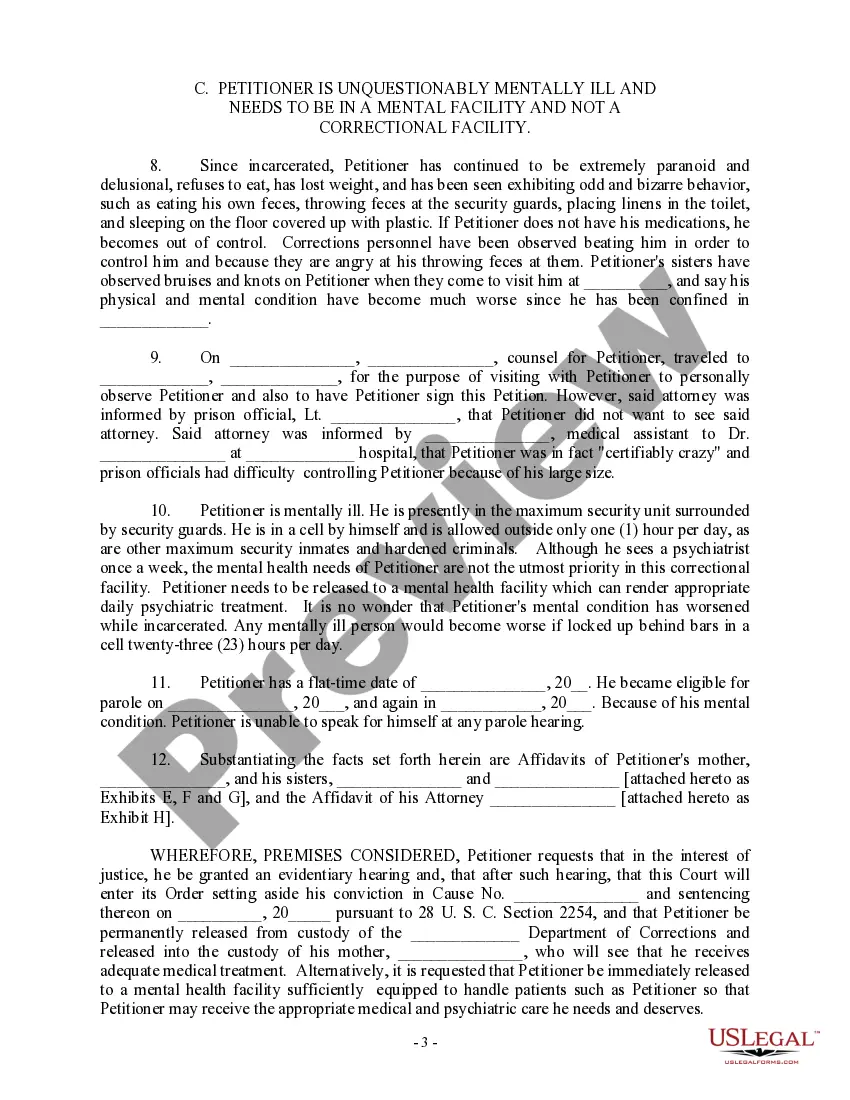
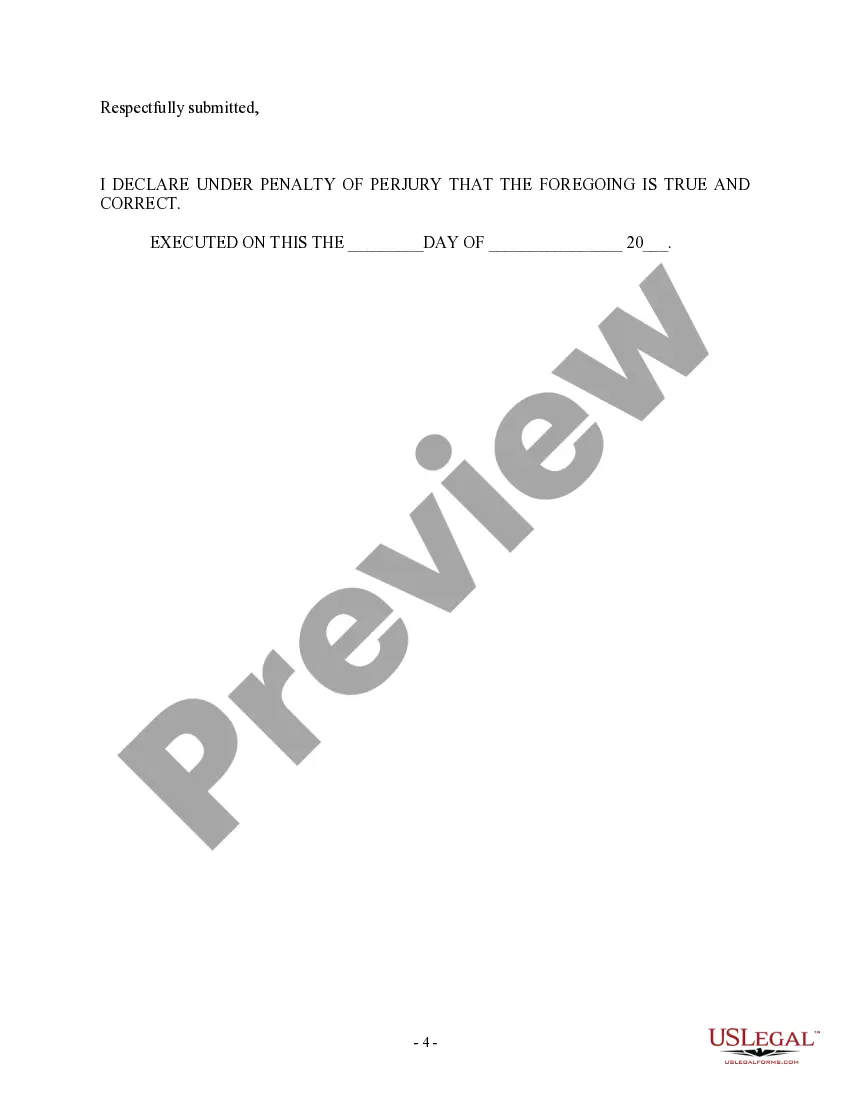
Get your form ready online
Our built-in tools help you complete, sign, share, and store your documents in one place.
Make edits, fill in missing information, and update formatting in US Legal Forms—just like you would in MS Word.
Download a copy, print it, send it by email, or mail it via USPS—whatever works best for your next step.
Sign and collect signatures with our SignNow integration. Send to multiple recipients, set reminders, and more. Go Premium to unlock E-Sign.
If this form requires notarization, complete it online through a secure video call—no need to meet a notary in person or wait for an appointment.
We protect your documents and personal data by following strict security and privacy standards.

Make edits, fill in missing information, and update formatting in US Legal Forms—just like you would in MS Word.

Download a copy, print it, send it by email, or mail it via USPS—whatever works best for your next step.

Sign and collect signatures with our SignNow integration. Send to multiple recipients, set reminders, and more. Go Premium to unlock E-Sign.

If this form requires notarization, complete it online through a secure video call—no need to meet a notary in person or wait for an appointment.

We protect your documents and personal data by following strict security and privacy standards.
Looking for another form?










Form popularity
FAQ
Habeas Corpus/Prisoner TitleName Rosario v. Roden, et al District of Massachusetts Gary Bradford Cone v. Wayne Carpenter Western District of Tennessee Arnold v. United States of America Western District of Tennessee United States of America, et al v. Thomas Western District of Tennessee3 more rows
Typical examples where a court has granted a habeas corpus petition include claims of new evidence discovered in the case, ineffective assistance of counsel, prosecutorial misconduct, incompetence to stand trial, and challenging conditions of confinement.
Habeas corpus derives from the English common law where the first recorded usage was in 1305, in the reign of King Edward I of England. The procedure for the issuing of writs of habeas corpus was first codified by the Habeas Corpus Act 1679, following judicial rulings which had restricted the effectiveness of the writ.
Habeas Corpus is a Latin word meaning which literally means 'to have the body of'. It is an order issued by the court to a person who has detained another person, to produce the body of the latter before it. The court then examines the cause and legality of detention. Further Reading: Types of Writs.
State every ground (reason) that supports your claim that you are being held in violation of the Constitution, laws, or treaties of the United States. Attach additional pages if you have more than four grounds. State the facts supporting each ground. Any legal arguments must be submitted in a separate memorandum.
Today, habeas corpus is mainly used as a post-conviction remedy for state or federal prisoners who challenge the legality of the application of federal laws that were used in the judicial proceedings that resulted in their detention.
Personal integrity and physical liberty are well protected by the law, for example by habeas corpus and the criminal law. Can he issue a writ of habeas corpus? If he was brought before a court, he could apply for habeas corpus and be released.
In United States law, habeas corpus ad subjiciendum (the full name of what habeas corpus typically refers to) is also called "the Great Writ," and it is not about a person's guilt or innocence, but about whether custody of that person is lawful under the U.S. Constitution.
A writ of habeas corpus orders the custodian of an individual in custody to produce the individual before the court to make an inquiry concerning his or her detention, to appear for prosecution (ad prosequendum) or to appear to testify (ad testificandum).
The Writ of Habeas Corpus is an outstanding post-conviction remedy available to you. Through it, you can attain many kinds of successes in your case, including immediate release from custody, reduction of your sentence, stop illegal conditions to your incarceration, and even potentially seek a new trial.
