Petition Custody Form With Two Points In Maryland
Description

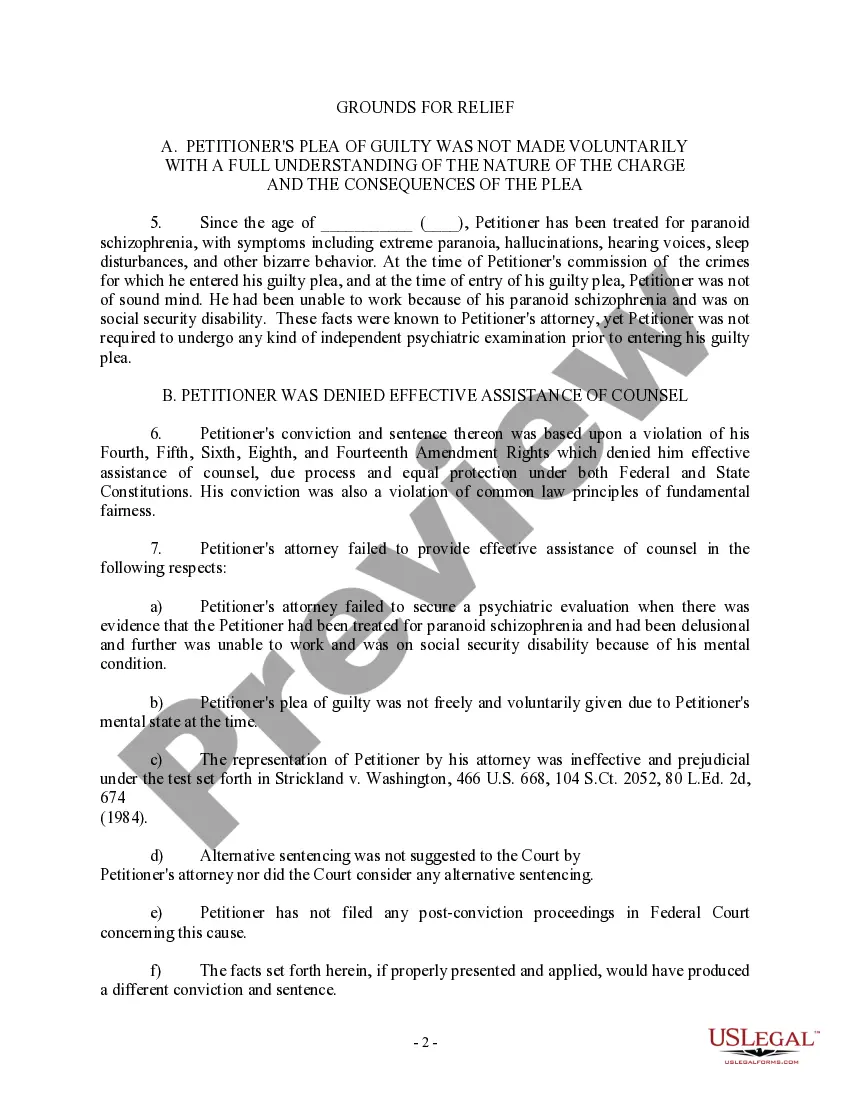
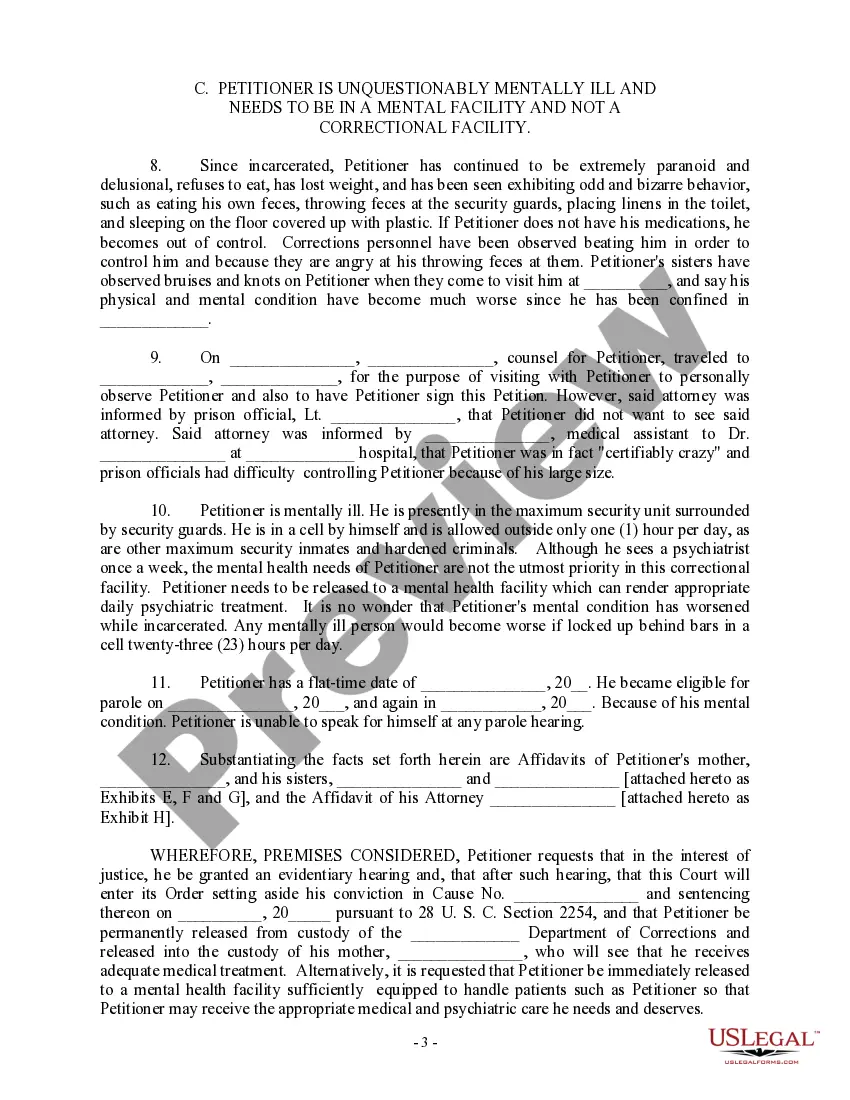

Get your form ready online
Our built-in tools help you complete, sign, share, and store your documents in one place.
Make edits, fill in missing information, and update formatting in US Legal Forms—just like you would in MS Word.
Download a copy, print it, send it by email, or mail it via USPS—whatever works best for your next step.
Sign and collect signatures with our SignNow integration. Send to multiple recipients, set reminders, and more. Go Premium to unlock E-Sign.
If this form requires notarization, complete it online through a secure video call—no need to meet a notary in person or wait for an appointment.
We protect your documents and personal data by following strict security and privacy standards.

Make edits, fill in missing information, and update formatting in US Legal Forms—just like you would in MS Word.

Download a copy, print it, send it by email, or mail it via USPS—whatever works best for your next step.

Sign and collect signatures with our SignNow integration. Send to multiple recipients, set reminders, and more. Go Premium to unlock E-Sign.

If this form requires notarization, complete it online through a secure video call—no need to meet a notary in person or wait for an appointment.

We protect your documents and personal data by following strict security and privacy standards.
Looking for another form?










Form popularity
FAQ
Judges consider a range of factors, aiming to reach decisions that serve the child's best interests. They evaluate each parent's ability to provide a stable, nurturing environment, the child's relationship with each parent, and, in certain cases, the child's preference.
A common example involves a situation in which the custodial parent experiences a profound life change that renders appropriately caring for children difficult if not impossible. A parent who develops a serious health condition or an addiction to mind-altering substances presents such an example.
Modification of Custody You will have to show that your home will be better than the home of the custodial parent (not just as good). To do this you must show that there has been a substantial change in circumstances and that it is in the child's best interests to make the change you are proposing.
An unfit parent is one who fails to meet these essential responsibilities, putting the child's well-being at risk. While the specific definition of an unfit parent may vary, it generally includes factors such as physical abuse, neglect, substance abuse, domestic violence, or a history of criminal behavior.
To modify your parenting plan, you must prove a material change in circumstances. This could be due to living situations, employment, health, or safety concerns. It's important to work with an experienced child custody lawyer who can help you navigate the legal system and present a strong case.
A counter petition is a responsive petition filed by the defendant (or respondent). It is filed as a response to the plaintiff 's (or petitioner's) petition and lets the court know what the defendant is seeking in the action.
The law looks at the "best interests" of the child standard when deciding on child custody and visitation. The "best interests" of the child standard looks at certain factors to determine what is best for the child or children. All court ordered custody has two components, legal and physical.
Factors that must be considered when making decisions about a child's appropriate custody and care include parental capacity to provide adequate care, sibling and other family relationships, and the child's wishes. This publication presents a general overview of this aspect of child welfare law.
Conclusion. In child custody cases, what witnesses say can sway the judge's ruling. Picking good witnesses, like family, coaches, doctors, social workers, psychologists, counselors, or the kids' school personnel, can help a lot. They can tell the court about the kids' circumstances and what's in their best interest.
